Holistic Flea Control 2026: Using Beneficial Nematodes in Yards
Discover how to use beneficial nematodes for holistic flea control in your yard in 2026. A safe, natural way to protect your dog without toxic chemicals.
The Shift Toward Holistic Yard Care in 2026
As we move through 2026, the conversation around canine health has shifted dramatically from reactive treatments to proactive, holistic environmental management. Dog owners are increasingly aware that the products they use on their lawns directly impact their dog's endocrine system, gut microbiome, and long-term vitality. Nowhere is this more apparent than in the battle against the common flea. For decades, the default solution has been to blanket the yard in synthetic pyrethroids and chemical growth regulators. However, a growing body of veterinary research and environmental science has highlighted the dangers of these chemical loads, prompting a massive shift toward biological pest control.
If you share your life with a dog, you already know that treating the animal is only half the battle. The vast majority of the flea population—up to 95%—exists in your yard in the form of eggs, larvae, and pupae. To truly achieve a flea-free life with your dog, you must address the environment. Enter the most powerful, natural, and dog-safe weapon in the 2026 holistic arsenal: beneficial nematodes.
The Hidden Dangers of Chemical Yard Sprays
Before diving into natural alternatives, it is crucial to understand why holistic veterinarians are advising against traditional chemical yard sprays. Many over-the-counter and professionally applied lawn treatments contain permethrin, bifenthrin, and other synthetic pyrethroids. While effective at killing insects, these chemicals do not discriminate. They can linger in the soil, wash into local waterways, and cling to your dog's paws and fur.
When your dog grooms themselves or simply absorbs these chemicals through their paw pads, it can lead to a host of issues, ranging from acute contact dermatitis to long-term neurological and hepatic stress. According to the American Veterinary Medical Association (AVMA), integrated pest management that minimizes chemical exposure is always the preferred route for household pets. Furthermore, these chemicals devastate local pollinator populations, harming the very ecosystem your dog loves to explore.
What Are Beneficial Nematodes?
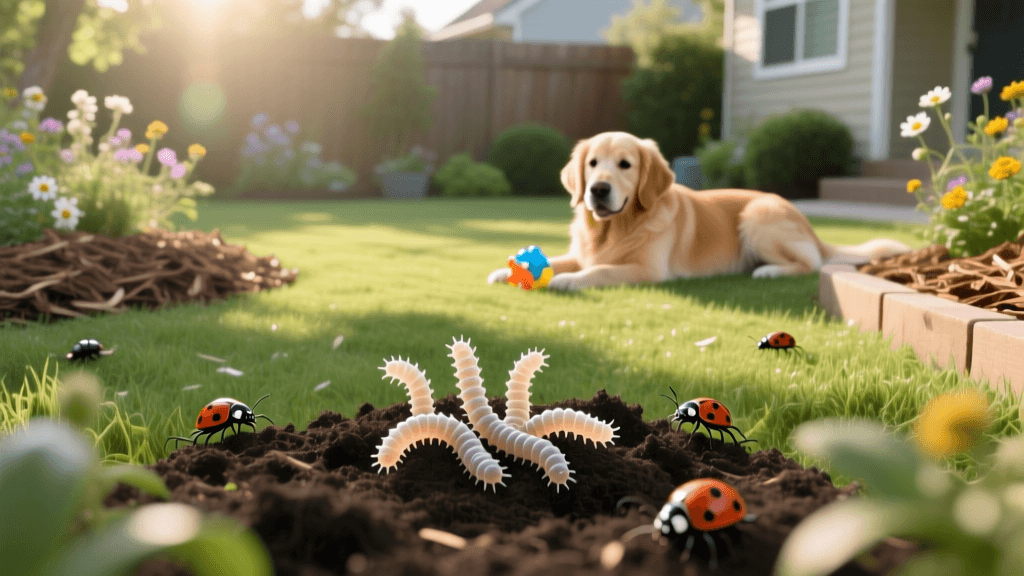
Beneficial nematodes are microscopic, unsegmented roundworms that occur naturally in soils all over the world. While some nematode species are harmful to plants, the specific strains used for pest control are completely harmless to mammals, birds, earthworms, and plants. They are apex predators of the microscopic soil world.
For flea control, the most effective species is Steinernema carpocapsae. These nematodes operate through a fascinating and highly targeted biological process. They actively hunt down flea larvae in the soil and thatch layer of your lawn. Once they locate a host, they enter the larva's body and release a symbiotic bacteria (Xenorhabdus). This bacteria rapidly multiplies, killing the flea larva within 24 to 48 hours. The nematodes then feed on the bacteria, reproduce, and burst forth to hunt the next generation of pests. It is a self-sustaining cycle of natural pest control that leaves zero toxic residue behind.
The Environmental Protection Agency (EPA) recognizes and regulates beneficial nematodes as biological pesticides, noting their exceptional safety profile for use in residential areas, parks, and pet-friendly environments.
The 2026 Guide to Buying and Storing Nematodes
Because nematodes are living organisms, purchasing and storing them requires a bit more care than buying a bottle of chemical spray. In 2026, reputable suppliers utilize advanced cold-chain shipping to ensure the nematodes arrive dormant but alive.
- Strain Selection: Always look for Steinernema carpocapsae or Steinernema feltiae. These are the most aggressive hunters of flea larvae and fungus gnats.
- Quantity: A standard application rate is 1 million nematodes per 2,000 to 2,500 square feet. For an average suburban backyard, a pack of 10 million to 25 million is usually sufficient.
- Cost: Expect to pay between $35 and $60 for a 10-million pack from high-quality biological suppliers.
- Storage: Upon arrival, place them in the refrigerator immediately. Do not freeze them, and do not leave them in a hot mailbox. They can typically be stored in the fridge for up to two weeks before application.
Step-by-Step Application for Maximum Efficacy
Applying nematodes is straightforward, but because they are living creatures, you must provide the right environment for them to thrive. Follow this protocol for the best results:
1. Prepare the Soil
Nematodes need moisture to travel through the soil. A few days before application, remove excessive thatch from your lawn using a thatch rake. Thatch is a dry, dead layer of grass that can trap nematodes before they reach the moist soil where flea larvae live. Water your yard deeply the day before you plan to apply them.
2. Mix the Solution
Mix the nematodes in a bucket of cool, distilled, or dechlorinated water. If you must use tap water, let it sit out for 24 hours to allow the chlorine to evaporate, as chlorine will kill the nematodes. Stir gently—do not use an electric pump or aggressive mixer, as the physical shear force can damage them.
3. Apply at the Right Time
Ultraviolet light is lethal to nematodes. You must apply them in the early morning, late evening, or on a heavily overcast day. Apply the mixture using a hose-end sprayer (with the filter screen removed) or a watering can. Ensure you cover the areas where your dog spends the most time, particularly shaded spots, under decks, and along fence lines where flea larvae prefer to hide from the sun.
4. Water Immediately After
Once applied, water the lawn lightly again. This washes the nematodes off the grass blades and down into the top few inches of the soil, putting them directly in the hunting zone for flea larvae.
5. Maintain Moisture
For the next 10 to 14 days, keep the soil consistently damp. You do not need to flood the yard, but a light watering every other day will ensure the nematodes remain active and mobile. If the soil dries out completely, the nematodes will die off.
Holistic Yard Management Comparison Chart
How do beneficial nematodes stack up against other common yard treatments? Here is a comprehensive comparison for the 2026 season:
| Treatment Method | Efficacy on Flea Larvae | Safety for Dogs | Environmental Impact | Est. Cost (per 2,500 sq ft) |
|---|---|---|---|---|
| Beneficial Nematodes | High (Targets larvae directly) | 100% Safe (Non-toxic) | Positive (Aerates soil, natural) | $35 - $50 |
| Synthetic Pyrethroids | High (Broad spectrum) | Risky (Toxic residue, paw absorption) | Negative (Harms pollinators, runoff) | $20 - $40 |
| Diatomaceous Earth | Moderate (Only works when dry) | Safe (Food grade), but inhalation risk | Neutral (Can harm beneficial insects) | $15 - $25 |
| Cedar Mulch | Low (Repellent, not a killer) | Safe (Natural oils) | Positive (Weed suppression, moisture) | $40 - $60 |
Complementary Natural Flea Deterrents
To create a truly holistic, flea-resistant sanctuary for your dog in 2026, combine nematode applications with smart landscaping and natural deterrents. Fleas thrive in damp, shady, and overgrown areas. By altering the microclimate of your yard, you make it inhospitable to them.
- Strategic Sunlight: Trim back overhanging tree branches to allow more sunlight to hit the soil. Flea larvae are highly susceptible to desiccation and will avoid direct sunlight.
- Cedar Wood Chips: Line the borders of your yard, dog runs, and the base of your home with cedar mulch. The natural aromatic oils in cedar act as a mild repellent to adult fleas looking to enter your property.
- Pet-Safe Botanical Borders: Planting flea-repelling herbs like rosemary, lavender, and lemongrass around your patio can help deter pests. Always verify that any plants you introduce are safe for canine consumption by consulting resources like the ASPCA's Toxic and Non-Toxic Plants database.
- Wildlife Management: Opossums, raccoons, and feral cats are primary vectors for bringing fleas into your yard. Secure your trash cans and avoid leaving dog food outside overnight to discourage these flea-taxis from visiting your lawn.
A Holistic Philosophy for Life With Your Dog
Embracing beneficial nematodes is about more than just killing fleas; it is about cultivating a living, breathing ecosystem in your backyard that supports your dog's health rather than compromising it. When you step away from the chemical treadmill, you not only protect your dog's liver and immune system, but you also protect the local water table, the birds, and the beneficial insects that keep your garden blooming.
In 2026, the most advanced dog care isn't always found in a laboratory or a synthetic pill. Sometimes, the most sophisticated, effective, and holistic solutions are the ones that have been thriving in the soil beneath our feet for millions of years. By integrating beneficial nematodes into your seasonal yard care routine, you are providing your dog with a safe, clean, and vibrant outdoor space to explore, play, and thrive.
marcus-aldridge
All our authors care for dogs every day — read more of their work on the authors page.