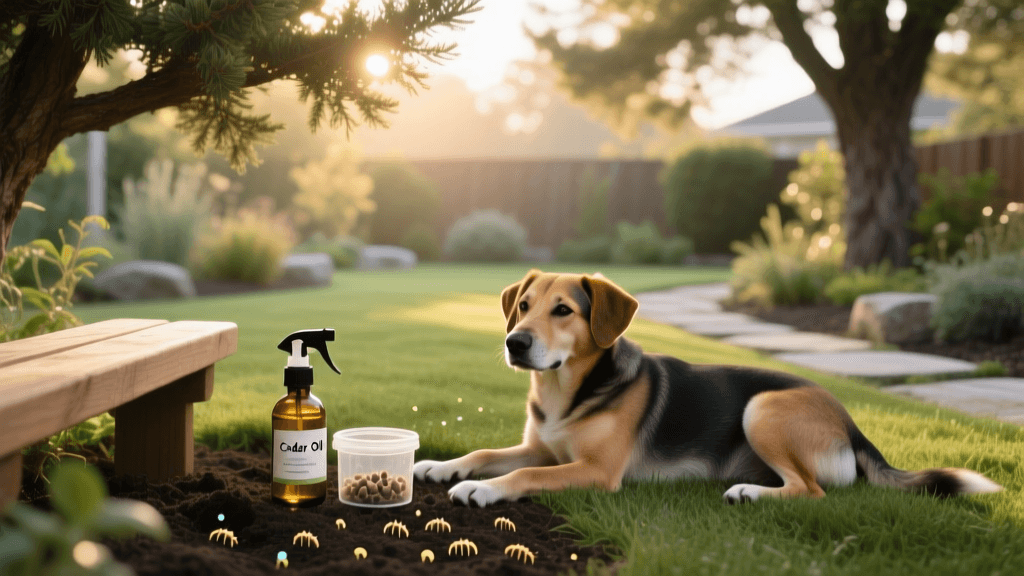
Natural Yard Flea Control 2026: Nematodes & Cedar Oil Guide
Discover how to use beneficial nematodes and cedar oil for a holistic, chemical-free yard flea and tick control routine for your dog in 2026.
The Shift to Holistic Yard Management in 2026
As we navigate the dog ownership landscape in 2026, a massive paradigm shift is underway regarding how we manage our outdoor spaces. More pet parents than ever are rejecting harsh synthetic pesticides in favor of natural, holistic approaches to yard maintenance. This transition is largely driven by a growing awareness of the environmental impact of chemical runoff and a desire to create safer outdoor sanctuaries for our dogs. When your dog is lounging in the grass, digging in the garden, or playing fetch, you want to ensure the ground beneath them is free from toxic residues.
While oral isoxazoline medications remain popular, the Food and Drug Administration (FDA) has historically noted the importance of monitoring for adverse neurologic events in some dogs using these chemical preventatives. Consequently, holistic veterinarians and eco-conscious owners in 2026 are turning to Integrated Pest Management (IPM). By combining biological controls like beneficial nematodes with botanical repellents like cedar oil, you can effectively break the flea life cycle without introducing neurotoxins into your dog's environment.
Understanding Beneficial Nematodes: Nature's Microscopic Hunters
Beneficial nematodes are microscopic, unsegmented roundworms that occur naturally in soil worldwide. For flea control, two specific strains are the gold standard in 2026: Steinernema feltiae and Steinernema carpocapsae. Unlike chemical larvicides that poison the soil, these nematodes act as biological assassins. They actively seek out flea larvae, pupae, and even tick nymphs in the soil, entering their hosts and releasing a symbiotic bacteria that eliminates the pest within 48 hours. The nematodes then reproduce inside the host, releasing a new generation of hunters into your yard.
Sourcing and Storing Your Nematodes
Purchasing nematodes requires attention to detail, as they are living organisms. In 2026, commercial-grade formulations typically cost between $35 and $45 for a sponge or powder containing 10 million nematodes, which is sufficient to treat up to 10,000 square feet of yard space. Because they are alive, they must be shipped with cold packs and stored in your refrigerator (between 35°F and 40°F) immediately upon arrival. Never leave them in a hot mailbox or expose them to direct sunlight, as UV radiation and heat will kill them before they ever reach your soil.
The Nematode Application Protocol
To achieve maximum efficacy, timing and soil preparation are critical. Follow this step-by-step application guide:
- Check Soil Temperature: Nematodes are most active when soil temperatures are between 55°F and 90°F. Apply in early spring and again in late summer.
- Pre-Water the Yard: Apply roughly 1/4 inch of water to your lawn the day before application. Nematodes require moist soil to swim through the dirt and locate their prey.
- Mix the Solution: Submerge the nematode sponge or mix the powder into a bucket of cool, distilled water. Avoid tap water with high chlorine levels, as chlorine is lethal to nematodes. Let it sit for 10 minutes, then stir gently.
- Apply at Dusk: Use a hose-end sprayer or a pump sprayer to apply the mixture to shaded areas, under bushes, and around dog houses. Never apply in the middle of a sunny day.
- Post-Application Watering: Water the yard lightly immediately after application to wash the nematodes off the grass blades and down into the soil where flea larvae reside.
Cedar Oil: The Botanical Repellent Barrier
While nematodes handle the subterranean larval stage, cedar oil serves as your above-ground botanical shield. Derived from the wood, bark, and leaves of cedar trees, cedar oil contains natural compounds like cedrol and thujopsene. These compounds work through multiple modes of action: they disrupt insect pheromones, block their breathing pores (spiracles), and dissolve the waxy exoskeleton of adult fleas and ticks, leading to rapid dehydration.
In 2026, the market has seen a surge in micro-emulsified cedar oil concentrates. These advanced formulations use natural plant-based emulsifiers to ensure the oil mixes perfectly with water without clogging sprayer nozzles, providing a more even coat on foliage. A high-quality 16-ounce concentrate typically costs around $30 and can yield up to 20 gallons of finished spray.
Safe Application Rates and Dog-Safe Formulations
When treating a yard where dogs play, dilution and drying time are paramount. Mix 2 ounces of cedar oil concentrate per gallon of water. Using a pump sprayer, target the perimeter of your property, the bases of trees, tall grasses, and the underside of decks or porches. These are the prime ambush zones for ticks and resting zones for fleas.
Holistic Tip: While cedar oil is generally safe for dogs once dried, it is highly toxic to cats due to their inability to metabolize certain phenolic compounds. If you share your home with felines, ensure they are kept indoors during application and until the yard is completely dry.
Comparison: Holistic Methods vs. Traditional Chemicals
Understanding how natural methods stack up against synthetic alternatives helps in planning your budget and expectations for the 2026 season.
| Method | Target Stage | Est. Cost (10k sq ft) | Reapplication | Pet & Environmental Safety |
|---|---|---|---|---|
| Beneficial Nematodes | Larvae & Pupae | $35 - $45 | Every 4-6 weeks in season | Extremely high; adds to soil biodiversity |
| Cedar Oil Spray | Adults & Repellent | $25 - $35 | Every 2-3 weeks or post-rain | High for dogs (toxic to cats wet); biodegradable |
| Synthetic Bifenthrin | All Stages | $40 - $60 | Every 4-8 weeks | Low; toxic to aquatic life and beneficial insects |
Building Your Weekly Holistic Yard Routine
A successful natural flea and tick management strategy relies on consistency. The Environmental Protection Agency (EPA) strongly advocates for Integrated Pest Management, which emphasizes monitoring and environmental modification over routine chemical spraying. Here is a practical weekly and monthly routine to maintain a holistic, dog-safe yard:
- Weekly Lawn Maintenance: Keep grass mowed to a height of 2.5 to 3 inches. Fleas and ticks thrive in humid, overgrown environments. Rake up leaf litter and clear brush piles where rodents (the primary hosts for ticks) like to nest.
- Bi-Weekly Botanical Spray: Apply your micro-emulsified cedar oil to the perimeter of the yard, shaded garden beds, and outdoor dog bedding areas every 14 days, or immediately after heavy rainfall.
- Monthly Nematode Boost: During peak flea season (typically May through October, depending on your climate), apply a fresh batch of beneficial nematodes every 4 to 6 weeks to maintain a robust predatory population in the soil.
- Daily Dog Checks: Even with a pristine yard, wildlife can drop ticks into your space. Perform a daily tactile check of your dog's ears, armpits, and paws after outdoor play.
Safety Precautions and Expert Insights
Transitioning to a holistic yard care routine is highly rewarding, but it requires a nuanced understanding of natural ingredients. Just because a product is natural does not automatically mean it is risk-free in all scenarios. Essential oils, including cedarwood, peppermint, and eucalyptus, must be used with respect for their potency. Always consult with your holistic or integrative veterinarian before introducing new botanical products, especially if your dog has a history of respiratory sensitivities, allergies, or seizures.
Furthermore, the ASPCA Animal Poison Control reminds pet owners to store all concentrated natural oils securely out of reach of curious dogs who might chew through plastic bottles. By combining the biological warfare of nematodes with the aromatic defense of cedar oil, you create a multi-layered, non-toxic fortress. This 2026 approach not only protects your beloved dog from the discomfort and diseases associated with fleas and ticks but also preserves the delicate ecosystem of your local environment, ensuring your garden remains a safe haven for pollinators, pets, and people alike.
robin-maitland
All our authors care for dogs every day — read more of their work on the authors page.