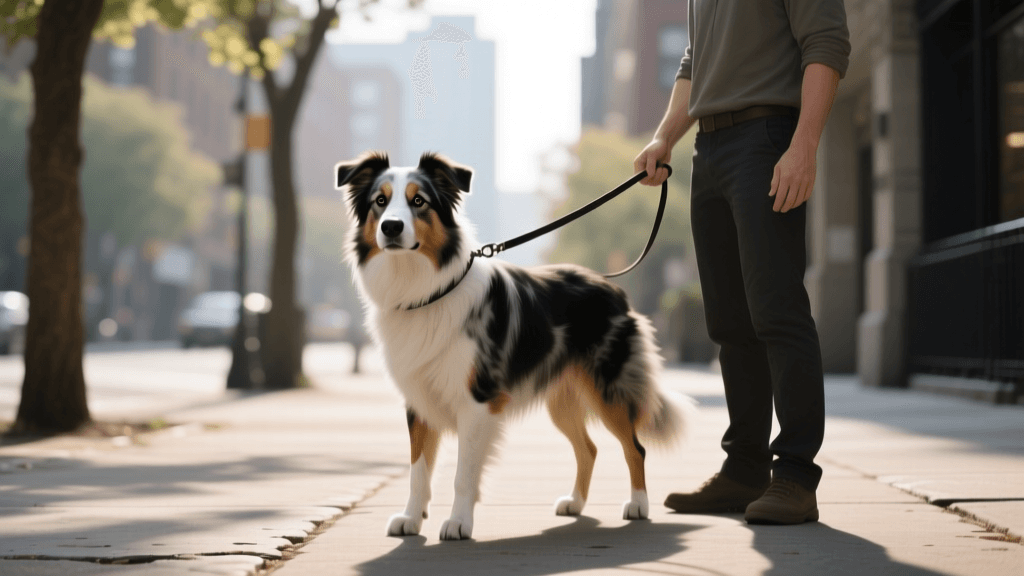
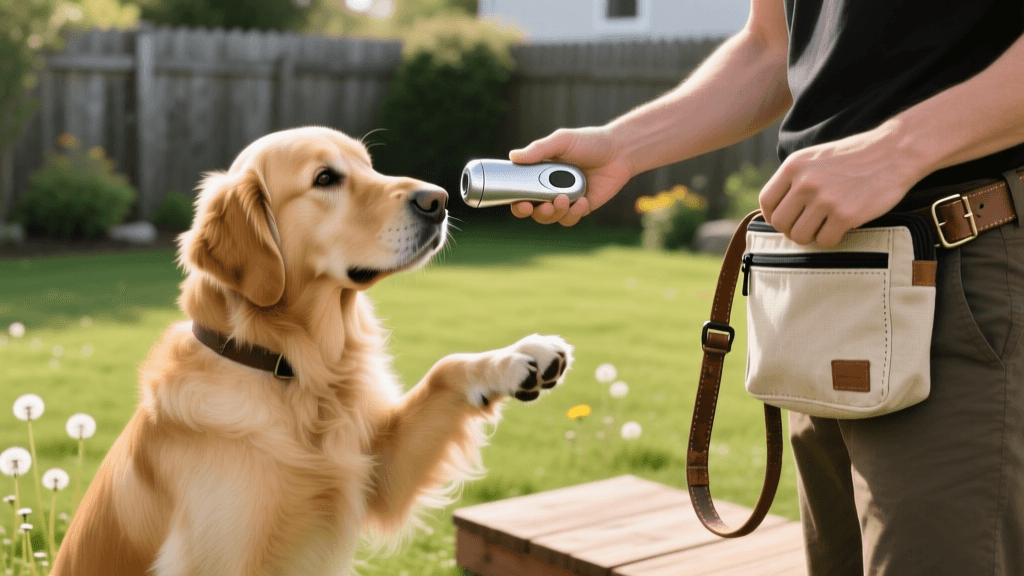
Behavior Analysis: Fixing Dog Leash Reactivity Fast
Discover expert applied behavior analysis techniques to cure dog leash reactivity. Learn threshold management, counterconditioning, and gear setups.

Understanding Leash Reactivity Through Applied Behavior Analysis
Leash reactivity is one of the most common and distressing behavioral challenges reported by dog owners. From the perspective of Applied Behavior Analysis (ABA), reactivity is not a symptom of 'dominance' or 'stubbornness.' Instead, it is a highly functional, operant behavior driven by specific environmental antecedents and maintained by distinct consequences. When a dog barks, lunges, or snarls at the end of a leash, they are communicating an emotional state—usually fear, anxiety, or intense frustration—while simultaneously attempting to manipulate their environment.
To effectively modify this behavior, we must abandon outdated, punitive training models. According to the American Veterinary Society of Animal Behavior (AVSAB), punishment-based methods can exacerbate fear and anxiety, often suppressing the warning signs of a bite without resolving the underlying emotional trigger. By utilizing a clinical behavior analysis approach, we can systematically change the dog's emotional response (classical conditioning) and teach alternative, incompatible behaviors (operant conditioning).
The Functional Assessment: Decoding the ABCs of Reactivity
Every behavior follows the ABC model: Antecedent, Behavior, and Consequence. Before implementing a training protocol, an expert behaviorist conducts a functional assessment to identify these variables.
- Antecedent (The Trigger): The environmental stimulus that precedes the behavior. For a leash-reactive dog, this might be an unfamiliar dog approaching from 40 feet away, a person wearing a hat, or a skateboard.
- Behavior (The Response): The observable action. This includes hard staring, stiffening, vocalizing (barking/growling), and lunging against the harness.
- Consequence (The Reinforcer): What happens immediately after the behavior. If a dog lunges and the owner pulls them away (or the trigger dog walks away), the reactive dog experiences negative reinforcement. The aversive stimulus (the scary dog) increased in distance, reinforcing the lunging behavior for future encounters.
Understanding this loop is critical. The American Kennel Club (AKC) notes that leash reactivity is often rooted in a 'fight or flight' response where the leash removes the 'flight' option, leaving the dog feeling trapped and forced to choose 'fight' to create distance.
Threshold Management: The Biological Baseline
You cannot train a dog whose sympathetic nervous system is fully engaged. When a dog crosses their 'threshold of reactivity,' cortisol and adrenaline flood their system, shutting down the prefrontal cortex (the learning center of the brain). Behavioral modification can only occur sub-threshold—the exact distance or intensity where the dog notices the trigger but remains capable of taking food and responding to cues.
For some dogs, this threshold is 15 feet; for others, it is 150 feet. Antecedent arrangement—managing the environment to keep the dog sub-threshold—is the mandatory first step in any behavior modification plan.
Tactical Gear Selection for Behavior Modification
Proper equipment ensures safety and prevents the physical tension that can trigger a reactive response. Tight leashes and restrictive collars create physical frustration and mimic the bodily sensations of anxiety. Below is a comparison of gear recommended for ABA-based reactivity protocols.
| Equipment Type | Specific Product Recommendation | Estimated Cost | Behavioral Function & ABA Rationale |
|---|---|---|---|
| Front-Clip Harness | Ruffwear Front Range Harness | $39.95 | Redirects forward momentum without causing tracheal damage. Eliminates the 'opposition reflex' common in reactive lunging. |
| Long Line | 15-foot Biothane Long Line | $35.00 - $45.00 | Provides a safe 'flight' option, reducing trapped-anxiety. Biothane is waterproof and prevents friction burns during sudden movements. |
| Treat Pouch | Dog Gone Smart Reward Pouch | $24.99 | Allows for rapid reinforcement delivery (under 0.5 seconds latency), which is critical for precise operant marking. |
| High-Value Reinforcer | Zuke's Mini Naturals or Boiled Chicken | $6.99 / bag | High palatability is required to compete with the environmental antecedent. Kibble is rarely sufficient for sub-threshold counterconditioning. |
Protocol 1: Classical Counterconditioning (The Open Bar)
Classical counterconditioning focuses on changing the dog's underlying emotional response (CER) to the antecedent. We pair the appearance of the trigger with a high-value biological reinforcer.
The 'Open Bar' Technique
- The trigger (e.g., a stranger) appears at a sub-threshold distance (e.g., 60 feet).
- Immediately begin feeding high-value treats continuously (the 'bar is open').
- The moment the trigger disappears from view, the treats stop immediately (the 'bar is closed').
Crucial Timing Note: Do not feed treats to 'distract' the dog before the trigger appears. The trigger must predict the food, not the other way around. If the dog is fed before seeing the trigger, the sudden appearance of the trigger will interrupt the eating, creating a negative association with the food and potentially poisoning the cue.
Protocol 2: Operant Conditioning and the Engage-Disengage Game
Once a baseline of classical conditioning is established, we introduce operant conditioning to give the dog an active job. The Engage-Disengage game (heavily adapted from Leslie McDevitt's 'Look at That' protocol) teaches the dog that looking at a trigger is the cue to look back at the handler.
Step-by-Step Execution
- Phase 1 (Classical Marking): Dog looks at the trigger. Handler marks the behavior with a clicker or a verbal 'Yes!' within 0.25 seconds, then delivers a treat. The dog learns: Looking at the trigger makes the handler say 'Yes' and gives me chicken.
- Phase 2 (Operant Disengagement): Dog looks at the trigger. Handler waits silently. The dog, anticipating the mark, voluntarily disengages and looks back at the handler. Handler marks and rewards heavily. The dog learns: I can control the game by offering eye contact to my handler when I see a trigger.
As outlined in behavioral resources from the ASPCA, empowering the dog to make choices and offering alternative, reinforced behaviors drastically reduces the helplessness and frustration that fuel reactivity.
Navigating Extinction Bursts
When you begin managing the environment and withholding the old consequence (e.g., you use a long line to prevent the dog from successfully lunging and making the other dog go away), you may encounter an extinction burst. This is a sudden, temporary increase in the magnitude and intensity of the reactive behavior. The dog is essentially saying, 'Usually, when I bark once, the dog leaves. It didn't work. Let me try barking louder and harder.' Recognizing an extinction burst is vital; it is a sign that the behavioral contingency is changing, not that the training is failing. Hold the line, maintain sub-threshold distances, and do not punish the burst.
Data Collection: Tracking Metrics Like a Pro
Expert behavior analysts do not rely on 'feelings' to measure progress; they rely on data. Keep a training journal tracking the following metrics after every session:
- Latency: The time it takes for the dog to disengage from the trigger and look at you after the marker is introduced. (Goal: Decreasing latency over time).
- Magnitude: The intensity of the physical response (e.g., a stiff freeze vs. a full vocal lunge). Use a 1-5 scale to track reductions in magnitude.
- Threshold Distance: The exact footage at which the dog begins to show early stress signals (lip licking, whale eye, hard staring). Track this distance weekly to observe the threshold shrinking.
Conclusion
Fixing leash reactivity requires a shift in perspective. By viewing the behavior through the objective lens of Applied Behavior Analysis, removing moral judgments, and systematically manipulating antecedents and consequences, you can fundamentally rewire your dog's emotional and behavioral responses. Patience, precise timing, and rigorous data tracking are your most powerful tools in transforming a reactive dog into a confident, engaged companion.
beth-carrasco
All our authors care for dogs every day — read more of their work on the authors page.