2026 BAT 2.0 Protocol for Leash-Reactive Dog Anxiety
Discover how the 2026 BAT 2.0 protocol helps manage leash-reactive dog anxiety using empowerment, distance, and modern biometric tracking for lasting calm.
Understanding Canine Reactivity in 2026
Leash reactivity is one of the most challenging behavioral issues dog owners face, often characterized by barking, lunging, and extreme tension when encountering triggers like other dogs, strangers, or moving vehicles. In the past, these behaviors were frequently mislabeled as "dominance" or outright aggression. However, modern veterinary behaviorists in 2026 recognize that the vast majority of leash-reactive dogs are actually experiencing profound anxiety and fear. Their reactivity is a defensive mechanism—a desperate attempt to increase the distance between themselves and a perceived threat.
According to the American Kennel Club's expert training guidelines, reactivity is fundamentally an emotional response rather than a learned obedience failure. When a reactive dog spots a trigger, their amygdala hijacks their nervous system, flooding their body with cortisol and adrenaline. In this state of "fight or flight," the dog is physically incapable of learning or processing complex obedience commands. Therefore, the most effective management strategies in 2026 focus on emotional regulation, nervous system down-regulation, and empowering the dog to make choices that reduce their stress.
The Core Principles of the BAT 2.0 Protocol
Behavior Adjustment Training (BAT), developed by certified dog behavior consultant Grisha Stewart, has become the gold standard for managing leash reactivity. The official Ahimsa Dog Training methodology emphasizes that dogs need agency and control over their environment to overcome fear. The 2026 iteration of the BAT 2.0 protocol builds upon these foundational principles by integrating modern biometric tracking and a deeper understanding of canine neuroplasticity.
The core philosophy of BAT 2.0 revolves around three main pillars:
- Empowerment and Choice: Instead of forcing a dog to sit and stare at a trigger (which can increase internal panic), BAT allows the dog to observe from a safe distance and choose to disengage.
- Functional Rewards: The primary reward in BAT is not food, but distance. When the dog offers a calming signal or disengages from the trigger, the handler rewards them by moving further away.
- Sub-Threshold Exposure: Training only occurs when the dog is under their stress threshold, ensuring the nervous system remains in a learning state rather than a survival state.
Essential Gear for Reactive Dog Management
To successfully implement the BAT 2.0 protocol, having the right equipment is non-negotiable. Aversive tools like prong collars, choke chains, or electronic shock collars are strongly discouraged. The American Veterinary Society of Animal Behavior (AVSAB) explicitly advises against aversive methods, noting that they suppress outward warning signs while exacerbating internal anxiety, often leading to unpredictable and severe bite incidents.
Here is the recommended 2026 gear checklist for BAT sessions:
1. The Right Harness and Long Line
A well-fitted, Y-front harness is essential to prevent tracheal damage and allow the dog to move naturally. The Ruffwear Front Range Harness (2026 Edition) remains a top choice due to its dual leash attachment points and comfortable padding. Pair this with a 15-foot Biothane long line. Biothane is waterproof, lightweight, and doesn't snag on grass, allowing the handler to give the dog the illusion of being off-leash while maintaining total safety.
2. Calming Wearables and Pheromones
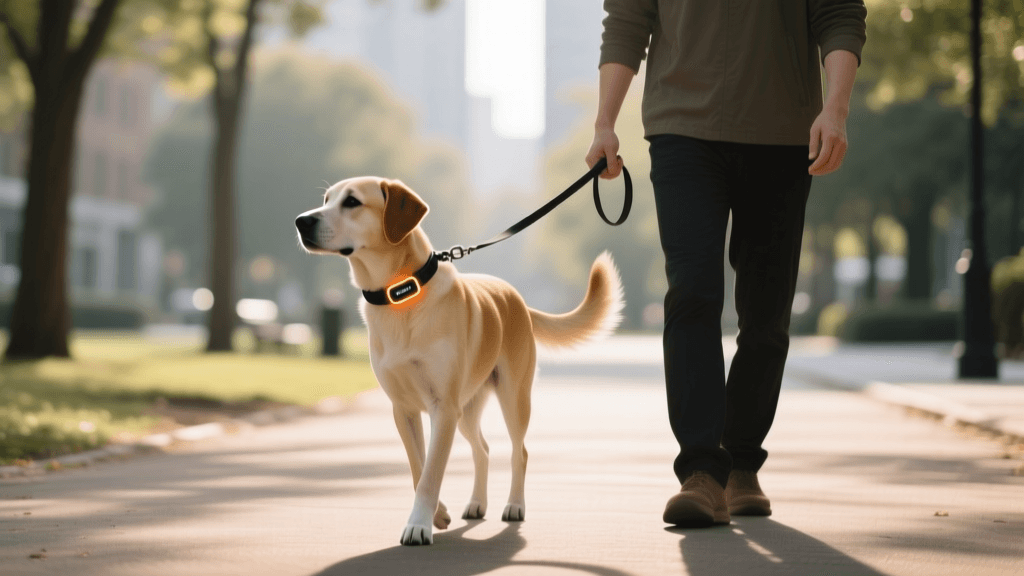
In 2026, smart collars that track Heart Rate Variability (HRV) are frequently used by behaviorists to objectively measure a dog's baseline stress before a session. Additionally, applying an Adaptil Express pheromone spray to the dog's bandana or harness 15 minutes before a walk can help lower the dog's physiological arousal levels, making them more receptive to the BAT protocol.
3. Nutritional and Supplemental Support
Holistic wellness plays a massive role in managing anxiety. Veterinary nutritionists often recommend daily supplementation with L-Theanine and high-EPA fish oils to support brain health and reduce neuro-inflammation. Products like Zylkene (derived from milk protein casein) are widely used to promote a sense of calm without causing drowsiness, making them ideal for daytime training sessions.
Step-by-Step BAT 2.0 Implementation
Implementing BAT requires patience, keen observation, and a controlled environment. Here is how to structure a standard session:
Step 1: Setting the Stage and Finding the Threshold
Begin in an open, quiet area where you can control the distance to the trigger (the "decoy"). Your goal is to find the dog's threshold—the exact distance where they notice the trigger but do not react with barking or lunging. In 2026, handlers often use binoculars and smart-collar HRV data to pinpoint this exact distance, which might be as far as 100 feet for highly sensitive dogs.
Step 2: Observing Calming Signals
Walk your dog slowly toward the trigger on the loose long line. Stop the moment your dog notices the decoy. Watch closely for "calming signals" or disengagement behaviors. These might include:
- Turning the head away from the trigger
- Sniffing the ground
- Shaking off (as if wet)
- A soft, relaxed sigh
- Curving their body path away from the decoy
Step 3: Mark and Move (The Functional Reward)
The instant your dog offers one of these calming signals, verbally mark the behavior with a gentle "Yes" or a soft clicker. Then, immediately turn and walk cheerfully in the opposite direction, increasing the distance from the trigger. This movement away from the scary thing is the functional reward. It teaches the dog: "I have the power to make the scary thing go away by making calm choices."
Tracking Progress: 2026 Reactivity Metrics
One of the most significant advancements in modern dog training is the shift from subjective guesswork to objective data tracking. By logging your dog's responses, you can clearly see the neuroplastic changes occurring in their brain over time. Below is a typical data table tracking a highly leash-reactive dog's progress over an 8-week BAT 2.0 protocol.
| Metric | Pre-Training Baseline | Week 4 Milestone | Week 8 Outcome |
|---|---|---|---|
| Trigger Distance Threshold | 60+ feet (Lunging) | 35 feet (Stiffening) | 15 feet (Observing calmly) |
| Average Nervous System Recovery Time | 45+ minutes | 20 minutes | Under 5 minutes |
| Barking Episodes per 30-min Walk | 8 - 12 episodes | 3 - 4 episodes | 0 - 1 episode |
| Leash Tension (Peak Pull Force) | 30+ lbs (Choking) | 12 lbs | < 3 lbs (Loose leash) |
| Voluntary Disengagement Rate | 0% | 45% | 90% |
As the table illustrates, the goal of BAT is not necessarily to make the dog "love" other dogs, but to give them the coping skills to exist in the same environment without experiencing a panic attack. The drastic reduction in recovery time and leash tension highlights the profound physiological benefits of empowerment-based training.
Common Pitfalls and How to Avoid Them
Even with the best intentions, handlers can inadvertently sabotage the BAT protocol. Here are the most common mistakes seen in 2026 and how to correct them:
- Pushing Past Threshold: The most frequent error is moving too close, too fast. If your dog barks or lunges, you have crossed the threshold. Do not scold the dog; simply increase the distance immediately and make a mental note to start further away next time.
- Using High-Value Food as a Distraction: While treats are great for classical counter-conditioning, shoving food in a reactive dog's face when they are over threshold can create "food frustration" or cause them to associate the presence of the trigger with the stressful feeling of being forced to look at the handler. BAT relies on the environment and distance as the primary rewards.
- Inconsistent Environmental Management: If you do BAT training for an hour a week but allow your dog to practice fence-fighting in the backyard every day, their baseline cortisol levels will remain too high for learning to occur. Use window film, white noise machines, and structured sniffaris to manage their environment 24/7.
Conclusion: A Journey of Patience and Empathy
Managing a leash-reactive dog is a marathon, not a sprint. The 2026 BAT 2.0 protocol offers a compassionate, scientifically backed roadmap for helping anxious dogs navigate a world that often feels overwhelming. By prioritizing your dog's emotional wellbeing, utilizing modern biometric insights, and rewarding them with the functional gift of distance, you can transform your walks from stressful battles into peaceful, bonding experiences. Remember that every small choice your dog makes to look away from a trigger is a massive victory in their journey toward confidence and calm.
robin-maitland
All our authors care for dogs every day — read more of their work on the authors page.