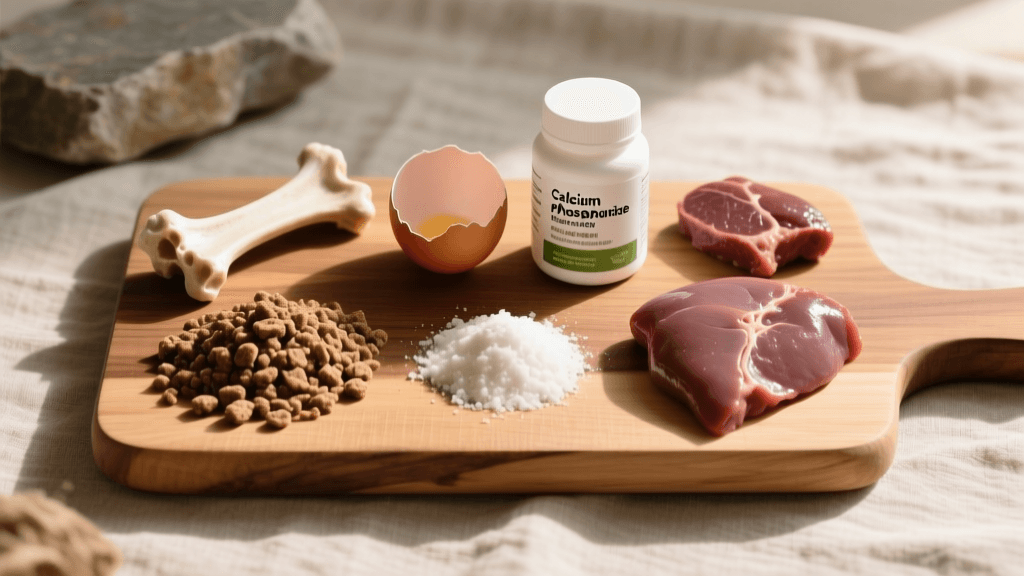
Raw Dog Diet Calcium Phosphorus Ratio: 2026 Bone Alternatives
Discover the best bone alternatives for balancing the calcium-phosphorus ratio in raw dog diets in 2026, ensuring optimal health without whole bones.
The Evolution of Raw Feeding in 2026
As we navigate through 2026, the landscape of canine nutrition continues to evolve, with raw, fresh, and alternative diets becoming more scientifically refined than ever before. While the Biologically Appropriate Raw Food (BARF) and Prey Model diets have long championed the inclusion of whole raw bones for dental health and calcium supplementation, modern veterinary consensus is shifting. Advanced imaging and widespread veterinary reporting have highlighted the significant risks associated with whole bones, prompting a massive movement toward safer, highly bioavailable bone alternatives. For dog owners committed to fresh feeding, understanding how to properly balance the calcium-to-phosphorus (Ca:P) ratio without relying on whole skeletal structures is the most critical skill to master this year.
The Critical Importance of the Calcium-to-Phosphorus Ratio
In canine nutrition, calcium and phosphorus are inextricably linked. Muscle meat—the cornerstone of any raw diet—is exceptionally high in phosphorus and naturally deficient in calcium. If a dog consumes a diet high in phosphorus without adequate calcium to balance it, the endocrine system releases parathyroid hormone to pull calcium from the dog's own skeletal system to maintain safe blood calcium levels. Over time, this leads to secondary nutritional hyperparathyroidism, a devastating condition that causes bone demineralization, spontaneous fractures, and severe mobility issues.
According to the definitive guidelines published by the National Academies of Sciences, Engineering, and Medicine (NRC), the ideal Ca:P ratio for dogs must fall strictly between 1.1:1 and 1.4:1. Maintaining this narrow window is non-negotiable, especially for growing puppies whose skeletal systems are rapidly developing. In 2026, raw feeders are leveraging precise digital scales and advanced nutritional software to hit these targets, replacing the guesswork of the past with clinical precision.
Why 2026 Sees a Shift Away From Whole Raw Bones
For decades, the 80/10/10 raw diet model (80% muscle meat, 10% edible bone, 10% secreting organs) relied heavily on feeding raw meaty bones like chicken necks, turkey wings, and duck frames. However, veterinary dentists and gastroenterologists are increasingly advising against this practice. The Tufts Cummings School of Veterinary Nutrition has long warned about the dangers of whole bones, noting that they are a leading cause of slab fractures in the carnassial teeth, esophageal foreign bodies, and life-threatening gastrointestinal impactions.
Furthermore, the calcium content in whole bones is highly variable depending on the animal's age, species, and the specific cut of bone. A chicken wing from a commercial farm in 2026 does not have the exact same mineral density as one from a decade ago, making precise Ca:P balancing nearly impossible when relying solely on whole bones. Consequently, the most meticulous raw feeders are now utilizing 'boneless' raw diets, substituting the 10% bone component with measured, standardized calcium supplements.
Top Bone Alternatives for Raw Diets in 2026
If you are formulating a boneless raw diet, you must introduce a highly bioavailable calcium source to bind the phosphorus present in the muscle meat and organs. Here are the top four alternatives recommended by canine nutritionists this year.
1. Eggshell Powder
Eggshell powder remains the gold standard for homemade raw diets. Composed of approximately 95% calcium carbonate, it is highly bioavailable and easy for dogs to absorb. To prepare it at home, eggshells must be thoroughly washed, baked at 300°F (150°C) for 10 minutes to eliminate pathogens like Salmonella, and then ground in a dedicated coffee grinder until they reach a fine, talc-like consistency. Coarse eggshell shards are not efficiently absorbed and can irritate the gastric lining.
2. Microcrystalline Hydroxyapatite (MCHA)
MCHA is a whole-bone concentrate derived from bovine or ovine sources that has been processed at low temperatures to preserve the natural calcium-phosphorus matrix, along with trace minerals like magnesium, zinc, and boron. Because it mimics the natural structure of bone without the physical hazards of a whole bone, MCHA is an excellent, albeit more expensive, alternative for raw feeders who want to provide trace minerals alongside calcium.
3. Lithothamnion (Red Algae) Calcium
Harvested from the pristine waters of the North Atlantic, Lithothamnion is a marine red algae that calcifies over its lifespan, creating a highly porous, honeycomb-like structure. This unique structure provides not just calcium and magnesium, but over 70 trace minerals. In 2026, sustainably sourced algae calcium has become a favorite among eco-conscious raw feeders looking for a plant-based (or rather, algae-based) alternative to animal-derived calcium supplements.
4. Synthetic Calcium Carbonate
For those on a strict budget, food-grade synthetic calcium carbonate is a safe and effective way to balance phosphorus. While it lacks the trace minerals found in MCHA or algae, it provides a highly concentrated, predictable dose of calcium. It is the most common calcium source used in commercial gently-cooked and raw diets on the market today.
Comparative Analysis of Bone Alternatives
| Calcium Source | Approx. Calcium Content | Trace Minerals | Bioavailability | Est. Monthly Cost (50lb Dog) |
|---|---|---|---|---|
| Homemade Eggshell Powder | 38% | Low | High | $2.00 |
| MCHA (Bone Matrix) | 24% | High | Very High | $18.00 |
| Lithothamnion (Algae) | 32% | Very High | High | $14.00 |
| Synthetic Calcium Carbonate | 40% | None | Moderate-High | $5.00 |
How to Calculate and Supplement Your Dog's Bowl
Transitioning from a bone-inclusive diet to a boneless alternative requires precise mathematics. Let us look at a practical example for a 50-pound (22.6 kg) adult dog with a normal activity level.
- Determine Daily Food Intake: A standard raw feeding guideline is 2% to 2.5% of the dog's ideal body weight. For a 50 lb dog at 2%, the daily intake is 1 lb (16 ounces or 453 grams) of food.
- Break Down the Macros: Using an 80/10/10 model, but replacing the 10% bone with muscle meat and adding a calcium supplement, your daily bowl consists of 14.4 oz (80%) muscle meat, 1.6 oz (10%) secreting organs (e.g., liver and kidney), and a calcium supplement to balance the 16 oz of meat/organs.
- Calculate Phosphorus Load: 16 ounces of average muscle meat and organs contains roughly 1,800 mg of phosphorus.
- Determine Calcium Requirement: To achieve a 1.2:1 Ca:P ratio, you need approximately 2,160 mg of elemental calcium (1,800 x 1.2).
- Measure the Supplement: Since homemade eggshell powder is roughly 38% elemental calcium, you will need about 5,600 mg (5.6 grams) of eggshell powder. This equates to just under 2 level teaspoons per day.
Always mix the calcium powder thoroughly into the food right before serving. Adding calcium to meat and letting it sit in the refrigerator for days can cause the calcium to draw moisture out of the meat, altering the texture and potentially degrading certain water-soluble vitamins.
The Bone Broth Myth
A pervasive myth in the alternative diet community is that bone broth can replace the calcium requirement in a raw diet. This is categorically false. While bone broth is an excellent source of collagen, gelatin, and amino acids like glycine and proline, the calcium remains locked in the bone matrix even after 48 hours of simmering. Bone broth contains virtually zero calcium and should be viewed as a functional hydration topper, not a mineral supplement.
Working With a Board-Certified Veterinary Nutritionist
While the 80/10/10 model provides a foundational framework, it does not account for essential micronutrients like iodine, vitamin D, manganese, and zinc, which are often deficient in basic raw diets. The World Small Animal Veterinary Association (WSAVA) strongly advocates for diets formulated to meet complete and balanced nutrient profiles. In 2026, the most responsible raw feeders partner with a Board-Certified Veterinary Nutritionist (ACVN diplomate in the US, or equivalent globally) to run a comprehensive nutrient analysis on their specific recipes. These professionals can formulate custom supplement blends that include your chosen calcium alternative alongside necessary trace minerals, ensuring your dog thrives on a fresh, whole-food diet without the risks associated with whole bones.
Frequently Asked Questions
Is commercial bone meal safe to use in 2026?
Most veterinary nutritionists advise against using generic, commercially available bone meal intended for gardening or even basic pet supplementation. The steaming and rendering processes used to create bone meal can alter the bioavailability of the minerals, and there are ongoing concerns regarding heavy metal accumulation (such as lead) in the bones of older livestock. Stick to eggshell powder, MCHA, or algae-based calcium for safer, more predictable results.
Can I feed my dog dairy for calcium?
While plain, unsweetened yogurt or kefir contains calcium, it also contains significant amounts of phosphorus, fat, and lactose. You would have to feed an impractical and calorically dense amount of dairy to meet a dog's calcium requirements, which would lead to severe obesity and gastrointestinal upset. Dairy should only be used as an occasional probiotic treat, not a primary calcium source.
aaron-whyte
All our authors care for dogs every day — read more of their work on the authors page.