The Beginner's Handbook to Safe Dog-Proofing at Home
Discover the ultimate beginner's handbook to dog-proofing your home. Learn room-by-room safety tips, essential supplies, and daily routines for a safe pup.

The Beginner's Handbook to Safe Dog-Proofing at Home
Bringing a new dog or puppy into your life is one of the most rewarding experiences you can have. However, viewing your home through the eyes of a curious, energetic canine can be a startling wake-up call. What looks like a cozy living room to you is an obstacle course of chewable cords, swallowable trinkets, and toxic snacks to a new dog. This complete beginner's handbook to dog-proofing will guide you through securing your space, establishing a safe daily routine, and protecting your furry friend from preventable household hazards.
Understanding the Canine Perspective
Before you start buying gates and locks, you must understand how dogs interact with their environment. Puppies explore the world primarily through their mouths, driven by teething discomfort and natural curiosity. Adult dogs, especially rescues, may investigate out of anxiety, boredom, or deeply ingrained scavenging instincts.
According to the American Kennel Club (AKC), puppy-proofing is not just about hiding shoes; it is about managing the environment to set your dog up for success. A dog does not know that a decorative grape-scented candle is dangerous, or that a dropped sugar-free gum wrapper contains xylitol, a highly toxic sweetener. Your job is to eliminate the temptation entirely while they learn the rules of your home.
Essential Dog-Proofing Supplies and Estimated Costs
To properly secure your home, you will need a few strategic investments. Below is a breakdown of essential dog-proofing products, their specific uses, and the approximate costs you can expect to incur.
| Product | Purpose | Estimated Cost |
|---|---|---|
| Hardware-Mounted Baby Gates | Block access to stairs, kitchens, and unsafe rooms. Must be hardware-mounted for large breeds; pressure-mounted gates will fall. | $45 - $90 each |
| Split Loom Tubing / Cord Covers | Protect TV, lamp, and charger cables from being chewed, preventing severe burns or electrocution. | $15 - $25 per pack |
| Step-On Trash Cans (e.g., Simplehuman) | Prevent dietary indiscretion (dumpster diving) which can lead to intestinal blockages or poisoning. | $60 - $150 |
| Adhesive Cabinet Child Locks | Secure lower cabinets containing cleaning supplies, medications, and hazardous foods. | $12 - $20 per set |
| Bitter Apple Deterrent Spray | Discourage chewing on baseboards, table legs, and forbidden furniture. | $8 - $15 per bottle |
Room-by-Room Dog-Proofing Checklist
The Kitchen and Dining Area
The kitchen is arguably the most dangerous room in the house for a dog. Countertops must be kept completely clear of food. Many human foods are highly toxic to dogs. The ASPCA Animal Poison Control Center warns that common items like onions, garlic, macadamia nuts, chocolate, and anything containing xylitol (often found in peanut butter and baked goods) can be fatal.
- Action Step: Move all fruit bowls to high shelves or inside the refrigerator. Grapes and raisins cause acute kidney failure in dogs.
- Action Step: Install child locks on all lower cabinets, especially those housing bleach, dishwasher pods, and trash bags.
- Action Step: Never leave a dish towel hanging over the oven handle; a dog pulling it down could drag hot pots onto themselves.
The Living Room
This is where your dog will likely spend most of their time relaxing with you. However, it is filled with electrical hazards and choking risks.
- Cords and Wires: Use cord concealers or zip-tie loose wires to the backs of heavy furniture. If a dog chews a live wire, it can cause pulmonary edema (fluid in the lungs) and severe oral burns.
- Houseplants: Many popular indoor plants, including Sago Palms, Pothos, and Peace Lilies, are toxic if ingested. Move all plants to high shelves or hang them from the ceiling.
- Small Decor: Pick up remote controls, coasters, and children's toys. A swallowed Lego or coin can result in a $3,000+ emergency surgery for a gastrointestinal blockage.
The Bathroom and Laundry Room
Bathrooms pose unique risks regarding medications and water hazards.
- Medications: Never store human or pet medications in lower cabinets. Dogs can easily chew through plastic pill bottles. Store all medicines in high, latched cabinets.
- Toilets: Keep the toilet lid closed at all times. Puppies can easily fall in and drown, or drink water contaminated with harsh bowl cleaners.
- Laundry: Keep laundry baskets elevated or behind closed doors. Dogs love to chew on dirty socks and underwear, which are prime culprits for intestinal obstructions.
The Bedroom
Your bedroom should be a sanctuary, but it requires some adjustments for a new dog.
- Shoes and Slippers: Store all footwear in a closed closet. Leather and rubber are highly appealing to chewers and difficult to pass through the digestive tract.
- Under the Bed: Clear out dust bunnies, stray hair ties, and forgotten snacks. Consider using bed skirts or under-bed storage bins to block access entirely.
- Jewelry and Hair Accessories: Keep nightstands clear. Swallowed hair ties can act like a tourniquet inside a dog's intestines, a life-threatening condition known as a linear foreign body.
Securing the Outdoors
If you have a yard, it must be a secure fortress. Walk the perimeter of your fence and look for gaps, loose boards, or areas where a determined terrier could dig underneath. Bury chicken wire along the fence line and cover it with dirt or rocks to deter diggers. Ensure your gate latches are secure and cannot be nudged open by a wet nose or a jumping paw.
Be mindful of landscaping. Mulch made from cocoa bean shells smells like chocolate and is highly toxic to dogs. Opt for pet-safe alternatives like cedar or pine mulch. Additionally, if you have a swimming pool, invest in a sturdy pool cover or a ramp designed specifically for dogs, so they can easily find the stairs if they accidentally fall in.
Establishing a Safe Daily Routine
Dog-proofing is not a one-time event; it is an ongoing lifestyle. As part of your daily routine, implement a strict management schedule to keep your home safe.
- Morning (7:00 AM): Before the first potty break, do a quick visual sweep of the yard to check for debris, wild animal droppings, or broken fence lines.
- Mid-Day (12:00 PM): Ensure all interior doors to unsafe zones (like the garage or basement) are fully latched after morning foot traffic.
- Evening (8:00 PM): Perform a five-minute 'floor sweep' through your home. Pick up stray items, ensure trash cans are closed, and put away children's toys.
Pro Tip for Beginners: Management is the key to training. If you do not want your dog to chew on shoes, do not leave shoes on the floor. By managing the environment, you prevent the dog from practicing bad habits, making your active training sessions much more effective.
Emergency Preparedness
Despite your best efforts, accidents happen. You must be prepared for the worst-case scenario. Save the following numbers in your phone and post them on your refrigerator:
- Your primary veterinarian's emergency after-hours number.
- The nearest 24-hour emergency veterinary clinic.
- The Pet Poison Helpline or ASPCA Animal Poison Control. Note that consultation fees may apply, but they can be life-saving.
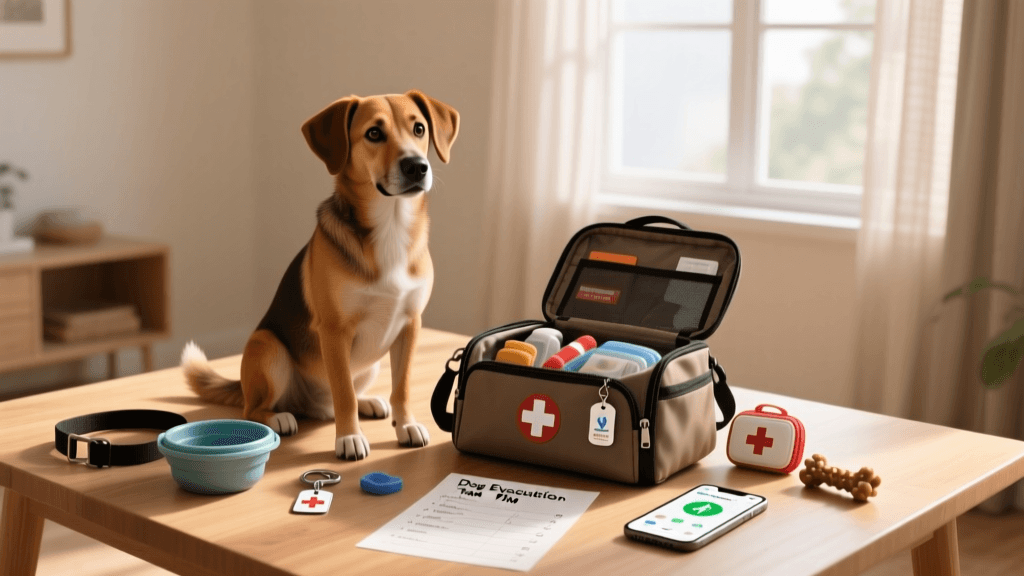
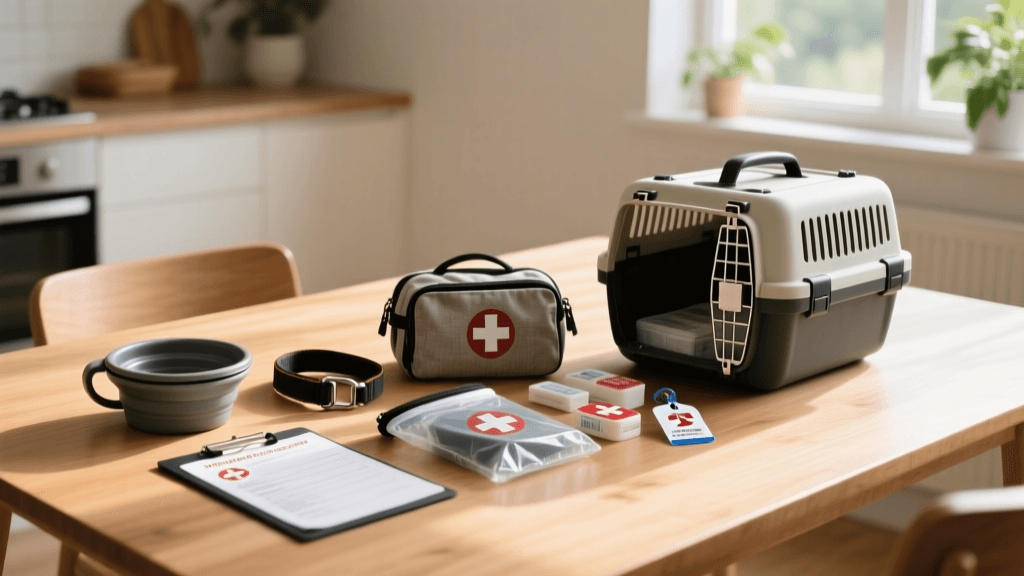
Keep a pet first-aid kit accessible, complete with styptic powder (to stop nail bleeding), digital thermometers, and hydrogen peroxide (3%) to induce vomiting only if explicitly instructed by a veterinarian.
Conclusion
Sharing your life with a dog requires a shift in how you view your living space. By investing a weekend in thorough dog-proofing, purchasing the right safety equipment, and maintaining a vigilant daily routine, you are doing more than just protecting your belongings. You are creating a secure, stress-free environment where your new best friend can thrive. Welcome to the wonderful, messy, and deeply rewarding journey of dog ownership!
tom-renshaw
All our authors care for dogs every day — read more of their work on the authors page.