Rescue Dog Nutrition: Rehabilitating Malnourished Gut Health
Learn how to safely rehabilitate a malnourished rescue dog's gut health and weight with this step-by-step veterinary nutrition and feeding guide.
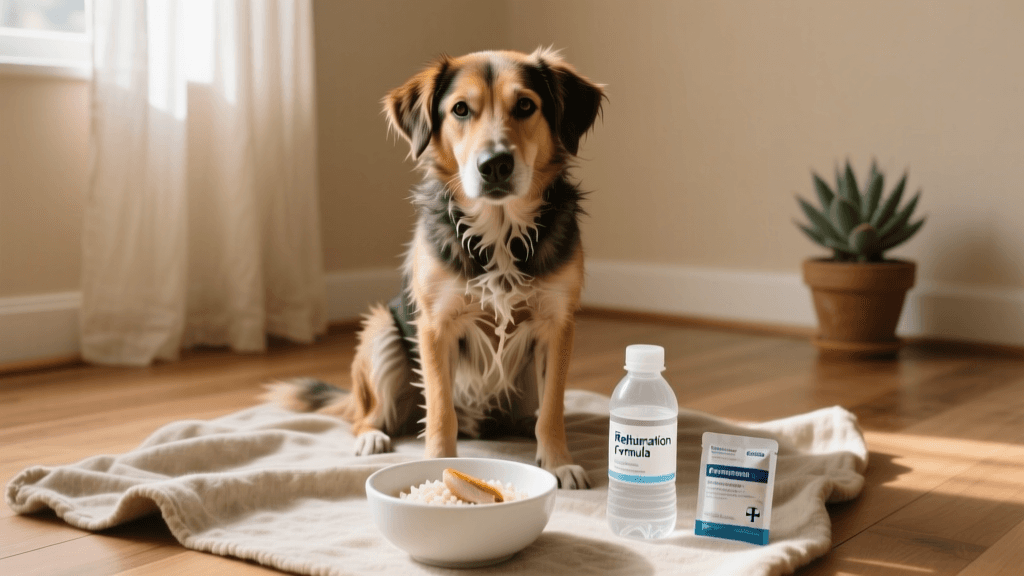
The Rescue Reality: Beyond the First Bowl of Food
Adopting a rescue dog is a profound, life-changing experience. When you bring an emaciated, neglected dog into your home, the immediate instinct is to fill their bowl to the brim and let them eat until they are full. However, as I learned when I adopted my own rescue, a severely malnourished terrier mix named Buster, this well-meaning impulse can be incredibly dangerous. Buster weighed just 28 pounds when he was pulled from a hoarding situation—nearly half of his ideal 45-pound weight. His coat was brittle, his energy was nonexistent, and his digestive system was in a state of chronic distress.
Rehabilitating a malnourished rescue dog is not simply about increasing calories; it is a meticulous, science-backed process of restoring the gut microbiome, healing the intestinal lining, and safely rebuilding lean muscle mass. According to the ASPCA, sudden diet changes or aggressive overfeeding in starved animals can cause severe gastrointestinal distress and potentially fatal metabolic shifts. This guide will walk you through the exact, actionable steps to rehabilitate your rescue dog’s gut health and physical condition, drawing on veterinary nutrition principles and real-world rescue experience.
The Hidden Danger: Refeeding Syndrome in Rescues
Before discussing what to feed, we must discuss what happens when a starved body is suddenly introduced to abundant food. When a dog has been deprived of adequate nutrition for weeks or months, their body shifts into a catabolic state, breaking down fat and muscle for energy. Insulin production drops significantly.
If you suddenly introduce a large, carbohydrate-heavy meal, the dog's pancreas releases a massive spike of insulin. This rapid hormonal shift drives electrolytes—specifically phosphorus, potassium, and magnesium—out of the bloodstream and into the cells. The resulting depletion of blood electrolytes is known as Refeeding Syndrome. Symptoms include severe lethargy, muscle tremors, cardiac arrhythmias, and in severe cases, heart failure or death. To avoid this, nutritional rehabilitation must be slow, measured, and heavily focused on gut stabilization before caloric maximization.
Phase 1: Gut Stabilization and Microbiome Restoration (Weeks 1-2)
When Buster first came home, his stool was consistently liquid, a common sign of 'leaky gut' and severe microbiome dysbiosis caused by prolonged starvation and stress. The goal of the first two weeks is not rapid weight gain, but rather healing the gastrointestinal tract so the dog can actually absorb nutrients.
1. The Bland, Prescription GI Diet
Do not start with rich, high-protein, or high-fat boutique foods. The digestive enzymes required to break down complex proteins and fats are depleted in a starved dog. Instead, utilize a highly digestible, prescription gastrointestinal diet.
- Recommended Products: Purina Pro Plan Veterinary Diets EN Gastroenteric or Hill's Prescription Diet i/d.
- Cost: Approximately $3.50 to $4.50 per 13-oz can, or $85 for a 27-lb bag of dry kibble.
- Feeding Strategy: Feed 4 to 6 micro-meals a day. For a 30-pound dog, this means offering just 1/4 cup of softened kibble or 1/3 of a can every 4 hours. This prevents overwhelming the compromised gut lining.
2. Targeted Probiotic Therapy
Starvation decimates the beneficial bacteria in a dog's gut. Reintroducing specific, clinically tested strains is vital for nutrient absorption and immune system regulation. As noted by experts at the American Kennel Club (AKC), specific probiotic strains like Enterococcus faecium and Bifidobacterium animalis are proven to help manage diarrhea and restore gut flora in stressed or malnourished dogs.
- Recommended Product: Purina FortiFlora (contains Enterococcus faecium SF68) or Nutramax Proviable-DC.
- Dosage: One packet or capsule sprinkled directly onto each meal.
- Cost: Roughly $30 for a 30-day supply of FortiFlora.
Phase 2: Controlled Caloric Increase and Weight Gain (Weeks 3-6)
Once your rescue dog’s stool has firmed up and they are eagerly anticipating their micro-meals without showing signs of nausea or bloating, you can begin the controlled caloric increase. The objective here is steady, sustainable weight gain targeting lean muscle, not fat.
Calculating Resting Energy Requirement (RER)
Veterinary nutritionists do not guess how much to feed; they use mathematical formulas. To calculate your rescue dog's caloric needs, you must first determine their Resting Energy Requirement (RER) based on their current weight, not their goal weight. Feeding based on goal weight too early will result in fat deposition rather than muscle repair.
The Formula: RER = 70 x (Body Weight in kg)^0.75
For a controlled weight gain protocol, you will typically feed 1.5 times the RER of their current weight, reassessing every two weeks as they gain mass.
RER and Target Calorie Chart for Rescue Dogs
Use the table below as a reference point for calculating daily caloric targets during the active weight-gain phase. Always verify these numbers with your veterinarian, as individual metabolic rates and underlying health conditions (like parasites or thyroid issues) can alter requirements.
| Current Weight (lbs / kg) | Resting Energy Requirement (RER) | Daily Target (1.5 x RER for Gain) | Approx. Cups of GI Kibble (350 kcal/cup) |
|---|---|---|---|
| 20 lbs / 9.0 kg | 364 kcal | 546 kcal | 1.5 cups / day |
| 30 lbs / 13.6 kg | 497 kcal | 745 kcal | 2.1 cups / day |
| 45 lbs / 20.4 kg | 672 kcal | 1008 kcal | 2.8 cups / day |
| 60 lbs / 27.2 kg | 833 kcal | 1249 kcal | 3.5 cups / day |
Crucial Tool: The Digital Kitchen Scale
Ditch the plastic measuring scoop. A study published by the Tufts University Cummings Veterinary Medical Center found that pet owners using measuring cups frequently overestimate or underestimate food portions by up to 20%. When rehabilitating a rescue, precision is medicine. Invest in a basic digital kitchen scale (like the OXO Good Grips 5-lb Scale, costing around $15) and weigh your dog's kibble in grams according to the caloric density listed on the food packaging.
Phase 3: Long-Term Wellness and Immune Support (Months 2+)
By month two, Buster had reached 38 pounds. His ribs were no longer jutting out, his energy was returning, and his gut was finally absorbing the nutrients he was eating. At this stage, the World Small Animal Veterinary Association (WSAVA) global nutrition guidelines suggest transitioning to a high-quality, AAFCO-approved maintenance diet that supports long-term immune function and tissue repair.
Transitioning to a Nutrient-Dense Diet
Begin mixing your prescription GI diet with a high-quality, protein-rich maintenance food. Look for foods that list named animal proteins (e.g., 'Chicken' or 'Salmon', not 'Meat By-Products') as the first ingredient, and that contain natural sources of Omega-3 fatty acids.
- Recommended Brands: Purina Pro Plan Sport 26/16, Orijen Original, or a gently cooked fresh food service like The Farmer's Dog (which is excellent for dogs with lingering chewing or digestive sensitivities).
- Transition Timeline: Mix 25% new food with 75% GI food for 4 days. Move to 50/50 for 4 days, then 75/25 for 4 days before fully switching.
Adding Omega-3s for Coat and Joint Health
Malnourished dogs often suffer from severe dermatological issues and compromised joint cartilage due to muscle wasting. Supplementing with marine-based Omega-3s (EPA and DHA) reduces systemic inflammation and accelerates skin and coat healing.
- Recommended Product: Nordic Naturals Omega-3 Pet or Grizzly Salmon Plus.
- Dosage: One pump per 20 lbs of body weight daily, mixed into food.
- Cost: ~$25 for a bottle that lasts a 45-lb dog about two months.
Monitoring Milestones: What to Track at Home
Rehabilitation requires data. You cannot manage what you do not measure. Implement these two tracking methods at home to ensure your rescue is on the right path.
1. The Body Condition Score (BCS)
The scale only tells half the story; a dog can gain fat while remaining nutritionally deficient. Use the 9-point Body Condition Score system. A score of 1-3 indicates emaciation (ribs, spine, and pelvic bones easily visible). A score of 4-5 is ideal (ribs easily palpable but not visible, with a visible waist tuck). A score of 6-9 indicates overweight. Weigh your dog every 7 days on the same scale, at the same time of day, and visually assess their BCS. Aim for a steady gain of 1% to 2% of their body weight per week.
2. The Purina Fecal Scoring System
Gut health is visibly reflected in the litter box—or the yard. Use a standardized fecal scoring chart (widely available online from veterinary resources). You are looking for a Score 2 or 3: feces that are firm, segmented, and easy to pick up without leaving a residue. If your dog regresses to a Score 5 (watery) or 6 (diarrhea) during the transition to Phase 3, immediately revert to the Phase 1 GI diet and consult your veterinarian, as this indicates the gut microbiome is not yet ready for complex proteins.
A Rescue Caretaker's Mantra: 'Healing a rescue dog is a marathon, not a sprint. The love you pour into their bowl must be matched by the patience you hold in your heart. Trust the science, trust the process, and watch them bloom.'
Conclusion: The Reward of Patience
Today, Buster is a vibrant, 46-pound terrier mix who spends his afternoons chasing tennis balls and his evenings sleeping soundly at the foot of my bed. His transformation was not the result of a single massive meal, but of weeks of calculated, gut-focused nutritional therapy. Rehabilitating a malnourished rescue dog tests your patience and requires a commitment to veterinary science over emotional feeding. By respecting the dangers of refeeding syndrome, prioritizing the gut microbiome, and meticulously tracking caloric intake, you give your rescue dog the ultimate gift: a foundation of health that will support them for the rest of their beautifully rescued life.
anouk-beaumont
All our authors care for dogs every day — read more of their work on the authors page.