Protecting Apartment Dogs' Joints: Floors, Stairs, and Care
Learn how to protect your apartment dog's joints from hardwood floors and stairs. Discover rugs, ramps, and exercises for urban canine joint health.
The Hidden Orthopedic Dangers of Hardwood and Tile
Urban environments offer fantastic socialization and convenience for dog owners, but apartment living presents a unique set of biomechanical challenges for our canine companions. While we might love the sleek look of hardwood floors and the vertical space of multi-story apartments, these features can wreak havoc on a dog's musculoskeletal system. From repetitive stress injuries caused by climbing steep stairs to acute joint trauma from slipping on polished surfaces, the modern apartment is an orthopedic minefield. Understanding these risks is the first step toward creating a safe, joint-friendly sanctuary for your urban dog.
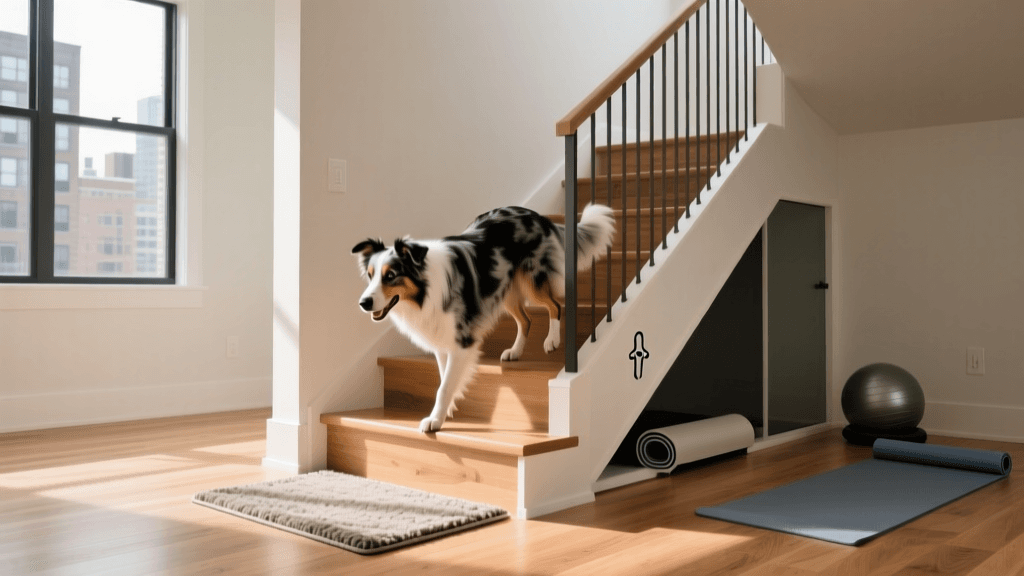
Hardwood, laminate, and tile flooring are notoriously slippery for dogs. Unlike humans who wear rubber-soled shoes, dogs rely on the friction between their paw pads and the ground to stabilize their movements. When a dog slips on a smooth surface, their legs splay outward, placing immense, unnatural torque on the hip joints, knees, and spine. Over time, these micro-slips lead to chronic inflammation, accelerating the onset of osteoarthritis. According to the American Kennel Club, osteoarthritis is a degenerative joint disease that affects a significant portion of the aging dog population, and environmental factors like slippery floors can drastically exacerbate the condition. Breeds with long spines like Dachshunds and Corgis are particularly vulnerable to intervertebral disc disease (IVDD) when they lose their footing, while large breeds like Golden Retrievers and German Shepherds face heightened risks of hip dysplasia complications.
Strategic Flooring Solutions for Renters and Owners
If you are renting an apartment or simply want to preserve your hardwood, you cannot replace the flooring, but you can strategically modify it. The goal is to create safe zones and continuous traction pathways. Aim for runners that are at least 24 inches wide to accommodate a dog's natural gait without forcing them to step off the edge onto the slippery wood.
- Washable Area Rugs: Brands like Ruggable offer non-slip, machine-washable rugs that are ideal for urban dog owners dealing with muddy paws. Place these in high-traffic areas and where your dog typically plays.
- Non-Slip Rug Pads: For existing rugs, invest in high-quality rubberized pads like Gorilla Grip. Ensure the pad extends to the very edges of the rug to prevent tripping hazards.
- Interlocking Foam Mats: For play areas or whelping spaces, EVA foam tiles provide excellent shock absorption and grip.
- Paw Grip Pads: Products like Musher's Secret dog paw wax can provide a slight tackiness to paw pads, improving traction on smooth surfaces without leaving residue on your floors.
Navigating Stairs and Elevated Furniture
Apartment stairwells are often steep, narrow, and made of concrete or polished wood. For small dogs, climbing a standard human stair requires an extreme range of motion in the hips and shoulders. For large dogs, the downward descent places braking forces on the front limbs that can damage the elbows and shoulders. Furthermore, allowing dogs to jump on and off high apartment couches or beds repeatedly causes repetitive concussive forces on the joints.
| Feature | Pet Stairs | Pet Ramps |
|---|---|---|
| Biomechanical Impact | Moderate; requires joint flexion for each step | Low; continuous, smooth incline reduces joint strain |
| Best Suited For | Agile, small-to-medium dogs accessing beds | Senior dogs, long-backed breeds, and post-surgery pets |
| Space Required | Compact footprint (approx. 24 x 16 inches) | Requires significant floor length (48 to 72 inches) |
| Average Cost | $40 - $90 | $80 - $180 |
When selecting a ramp for an apartment couch or bed, the angle of incline is critical. Veterinary rehabilitation specialists recommend following the 18-to-1 rule: 18 inches of ramp length for every 1 inch of vertical rise. This ensures an incline of no more than 18 to 20 degrees, which is safe for small or senior dogs. A ramp that is too steep will cause the dog to hesitate or slip, defeating the purpose. Look for ramps with high-traction surfaces, such as ribbed carpet or artificial turf, and side rails to prevent accidental falls off the edge.
Urban Exercise: Protecting Paws and Joints on Concrete
City walks often mean miles of concrete and asphalt. Concrete is an unforgiving surface that offers zero shock absorption. Walking exclusively on concrete can lead to pad abrasions and exacerbate joint fatigue. To mitigate this, urban dog owners must be strategic about their walking routes. Seek out local parks with grass, dirt trails, or mulch paths. If your apartment building has a rooftop terrace or a small concrete patio, consider laying down artificial turf designed for pets to create a softer outdoor lounging area.
On days when outdoor walks are limited by extreme city weather, indoor mental and physical enrichment is vital to prevent weight gain, which is a primary driver of joint disease. Use snuffle mats, lick mats, and puzzle feeders to burn mental energy. For physical conditioning without high impact, consider canine balance equipment like the K9 FitBone or inflatable peanut balls. These tools allow your dog to engage their core and stabilizing muscles while standing in one place, building the supportive musculature around their joints without the concussive impact of running.
Recognizing Early Signs of Joint Pain in Small Spaces
Because apartments are relatively small, dogs may not exhibit the overt limping seen when running in large yards. Instead, urban owners must look for subtle behavioral shifts. Does your dog hesitate before jumping onto the sofa? Do they slip when making sharp turns around the kitchen island? Are they reluctant to walk down the apartment building's stairwell, preferring to wait for the elevator? These micro-hesitations are often the earliest indicators of joint discomfort or spinal pain. Catching these signs early allows for environmental modifications and veterinary interventions before chronic pain sets in. Regular bi-annual wellness exams with your veterinarian are essential, especially for breeds genetically predisposed to orthopedic issues.
Nutritional Support and Preventive Care
Proactive joint care should begin before clinical signs of pain appear. The Texas A&M College of Veterinary Medicine emphasizes that weight management and early nutritional intervention are the cornerstones of osteoarthritis prevention. Keeping your apartment dog at a lean, healthy body condition score (BCS of 4 or 5 out of 9) reduces the mechanical load on their joints by up to 30 percent. Furthermore, Texas A&M Pet Talk resources on pet obesity highlight that excess weight drastically accelerates cartilage degradation, making strict portion control vital for indoor dogs with lower daily step counts.
In addition to a balanced diet, joint supplements containing Glucosamine Hydrochloride, Chondroitin Sulfate, and Omega-3 fatty acids (EPA and DHA) can help maintain cartilage health and reduce systemic inflammation. High-quality Omega-3 sources include wild-caught salmon oil or green-lipped mussel powder. Products like Dasuquin Advanced or Cosequin are backed by veterinary research and are excellent choices for urban dogs navigating hard surfaces daily. Always consult your veterinarian before starting any supplement regimen, as they can recommend the correct dosage based on your dog's exact weight and breed predispositions.
Conclusion
Living in an apartment does not mean your dog must suffer from premature joint degradation. By critically evaluating your living space, investing in strategic traction solutions, modifying how your dog accesses furniture, and prioritizing low-impact conditioning, you can create an urban oasis that supports your dog's long-term orthopedic health. A few thoughtful adjustments today will ensure your canine companion remains mobile, comfortable, and happy for years to come.
hannah-wickes
All our authors care for dogs every day — read more of their work on the authors page.