Home Transformation: Before and After Getting a Rescue Dog
Discover the ultimate before and after home transformation guide for new rescue dog owners. Learn essential safety, layout, and routine changes.

The Ultimate Before and After: Transforming Your Home for a Rescue Dog
Bringing a rescue dog home is a profound milestone, but the transition from a human-centric household to a canine-friendly sanctuary requires more than just buying a bag of kibble and a chew toy. The true magic lies in the physical and psychological transformation of your living space. When you adopt a rescue, you are not just gaining a companion; you are completely overhauling your environment and daily routine to accommodate a creature with unique instincts, anxieties, and needs.
This guide explores the dramatic 'before and after' transformations necessary to prepare your home and lifestyle for a newly adopted dog. We will break down room-by-room overhauls, budget shifts, and the emotional decompression process, providing you with specific product recommendations, measurements, and actionable steps to ensure a seamless transition.
The Living Room: From Human Lounge to Canine Haven
Before: The Hidden Hazards
Before a dog enters the picture, your living room is designed for human convenience. Houseplants sit on low shelves, charging cables snake across the floor behind the sofa, and fragile decor rests on coffee tables. Many popular houseplants, including Monstera, Pothos, and Peace Lilies, are highly toxic to canines if ingested. Furthermore, standard area rugs can trap odors and are easily ruined by muddy paws or nervous accidents.
After: The Dog-Proofed Sanctuary
The transformed living room prioritizes safety and easy maintenance. All toxic greenery is replaced with pet-safe alternatives like Boston Ferns, Spider Plants, or Calatheas. According to the ASPCA's comprehensive list of toxic and non-toxic plants, ensuring your flora is dog-safe is a non-negotiable step in pet-proofing.
Actionable Upgrades:
- Cord Management: Install Joto Cable Management Boxes (approx. $25 for a 2-pack) to hide power strips and chewable wires behind the TV stand.
- Flooring: Swap out high-pile, dry-clean-only rugs for washable alternatives like Ruggable covers (approx. $200-$350 for an 8x10 rug), which can be tossed in the washing machine after a muddy walk.
- Chew Diversion: Replace vulnerable wooden table legs with bitter apple spray deterrents and provide a dedicated basket of Nylabone and KONG toys to redirect chewing instincts.
The Kitchen: Securing the Scavenger Zone
Before: Open Access and Toxic Temptations
Kitchens are inherently dangerous for curious snouts. Before your dog arrives, you might leave a step-stool out, keep a bread bag on the counter, or use a simple swing-top trash can. Foods containing xylitol (like sugar-free gum or certain peanut butters), grapes, onions, and macadamia nuts are often left in accessible pantry shelves or low cabinets.
After: The Fortified Culinary Space
The post-adoption kitchen is a fortress against dietary indiscretion. The ASPCA warns against feeding dogs various people foods, making secure storage paramount. The transformation involves upgrading hardware and changing human habits.
Actionable Upgrades:
- Trash Containment: Invest in a Simplehuman 50L Semi-Round Locking Trash Can (approx. $150). The locking lid prevents 'dumpster diving' and potential intestinal blockages from swallowed chicken bones or corn cobs.
- Cabinet Locks: Install magnetic childproof locks (approx. $20 for a 12-pack) on lower cabinets containing cleaning supplies like bleach or dishwasher pods.
- Pantry Gates: If your pantry is a walk-in or has a door that doesn't latch securely, use a retractable mesh pet gate to block access to dropped onions or potato bags.
The Entryway and Yard: Creating Boundaries
Before: The Open Door Policy
In a dog-free home, the front door opens directly to the street, and the backyard might feature decorative gaps in the fencing or toxic cocoa bean mulch in the garden beds. An open front door poses a massive 'bolt risk' for a nervous rescue dog spooked by a delivery driver or a passing siren.
After: The Airlock System and Safe Perimeters
The transformed entryway acts as a decompression airlock, preventing door-darting and giving you a controlled zone to wipe paws and remove harnesses.
Actionable Upgrades:
- The Airlock Gate: Mount a hardware-mounted gate like the Regalo Extra Wide Baby Gate (approx. $50) three feet inside your front door. This creates a safe buffer zone so you can open the main door without the dog escaping.
- Yard Mulch Swap: Remove cocoa bean mulch, which contains theobromine (the same toxic compound in chocolate), and replace it with pet-safe cedar or pine bark mulch.
- Fence Auditing: Walk the perimeter of your yard. Bury chicken wire (approx. $30 per 50ft roll) a few inches underground along the fence line to prevent diggers from creating escape tunnels.
The Before & After Home Audit Checklist
Use this structured table to track your home transformation progress and budget accordingly before your dog's arrival day.
| Area of Home | Before State (Human-Centric) | After State (Dog-Ready) | Estimated Cost |
|---|---|---|---|
| Living Room Flora | Monstera, Pothos, Lilies | Spider Plants, Boston Ferns | $40 - $80 |
| Electrical Cords | Exposed behind TV and desk | Encased in Joto Cord Boxes | $25 - $40 |
| Kitchen Trash | Swing-top or open bin | Simplehuman Locking Bin | $120 - $180 |
| Front Entryway | Direct access to outdoors | Regalo Gate 'Airlock' Buffer | $45 - $60 |
| Backyard Garden | Cocoa mulch, low toxic plants | Cedar mulch, raised garden beds | $50 - $150 |
| Laundry Room | Detergent on low shelves | Magnetic child-locks installed | $15 - $25 |
The Decompression Zone: Setting Up the Safe Haven
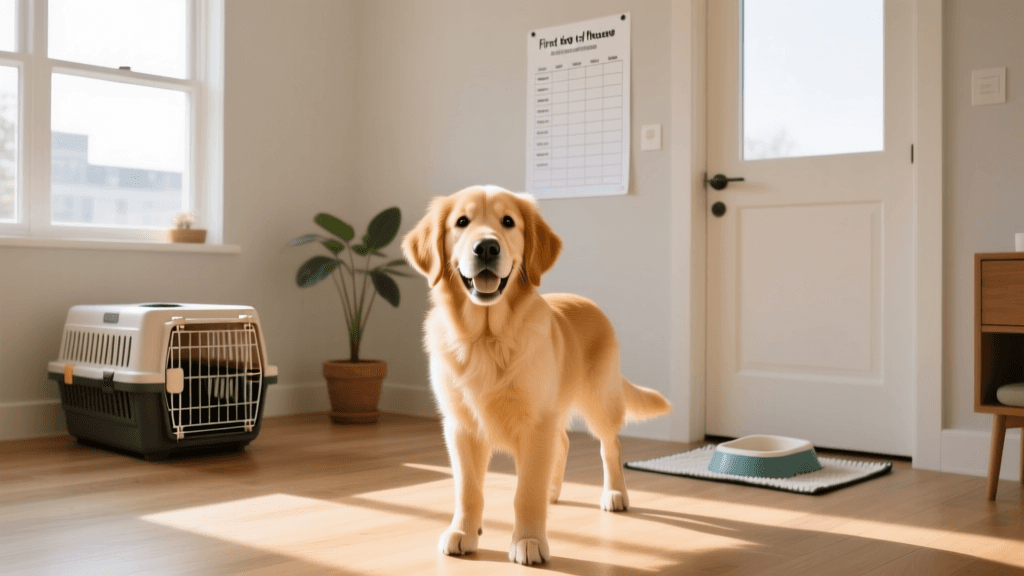
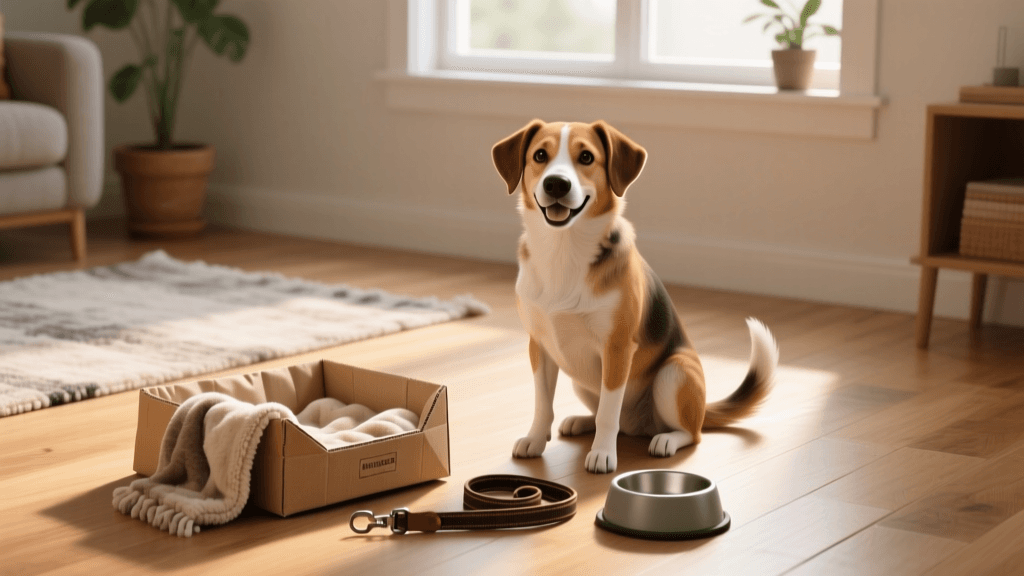
Perhaps the most critical 'after' transformation is the creation of a dedicated decompression zone. Rescue dogs often suffer from overstimulation and stress when moved from a loud shelter environment to a quiet home. Before adoption, a spare bedroom or living room corner might just hold a guest bed or a reading chair. After adoption, this space becomes the dog's absolute sanctuary.
Building the Sanctuary:
- The Crate: Introduce a heavy-duty wire crate (like the MidWest Homes for Pets iCrate, approx. $70) draped with a breathable cover to create a den-like atmosphere. Never use the crate for punishment; it must be associated with safety and high-value treats.
- Calming Pheromones: Plug in an Adaptil Calm Diffuser (approx. $25) near the dog's bed. This releases synthetic dog-appeasing pheromones that mimic those produced by a nursing mother, significantly reducing anxiety.
- Mental Enrichment: Stock the zone with a snuffle mat and frozen KONGs. Licking and foraging release endorphins that naturally soothe a dog's nervous system.
The Lifestyle Transformation: Embracing the 3-3-3 Rule
The physical transformation of your home is only half the battle; the psychological transformation of your routine is equally vital. Before getting a dog, your weekends might involve spontaneous trips and sleeping in. After getting a rescue, your life operates on a structured, predictable schedule that builds trust.
Rescue advocates and organizations like Best Friends Animal Society heavily promote the '3-3-3 Rule' to help owners understand the emotional timeline of a rescue dog's adjustment. Your lifestyle must transform to accommodate these phases:
Phase 1: The First 3 Days (Overwhelm)
Before: You invite friends over to meet the new dog and take them to a busy pet store.
After: You enforce a strict 'no visitors' policy. You keep the environment quiet, use the decompression zone, and take short, low-stimulation sniff walks in the early morning. The dog may not eat or potty normally; patience is required.
Phase 2: The First 3 Weeks (Settling In)
Before: You leave the dog alone for 8 hours while you work.
After: You implement a gradual desensitization protocol for alone time, starting with 5-minute absences. You establish a rigid feeding and walking schedule (e.g., 7:00 AM walk, 7:30 AM breakfast, 5:00 PM walk). Predictability builds the dog's confidence.
Phase 3: The First 3 Months (Building Trust)
Before: You expect the dog to perfectly understand house rules and boundaries.
After: You recognize that true personality is finally emerging. You begin formal positive-reinforcement obedience training, perhaps enrolling in a local group class to build focus and socialization in a controlled environment.
Financial Before and After: Budgeting for the Shift
Your financial landscape will also undergo a transformation. Before adoption, your disposable income might go toward dining out or hobbies. After adoption, you must allocate a monthly 'canine care' budget. Expect to spend approximately $100 to $150 per month on high-quality food (like Purina Pro Plan or Hill's Science Diet), flea/tick/heartworm preventatives (like NexGard or Heartgard, approx. $60/month), and pet insurance (like Trupanion or Lemonade, approx. $40-$80/month). Setting up a dedicated savings account for emergency veterinary care is a hallmark of the 'after' mindset.
Conclusion: The Reward of the Transformation
The 'before and after' journey of bringing a rescue dog home is demanding, requiring financial investment, physical labor, and a complete restructuring of your daily habits. You will sacrifice some spontaneity and spend weekends dog-proofing baseboards and washing washable rugs. However, the ultimate 'after' is a home filled with unconditional love, deep mutual trust, and the profound satisfaction of watching a once-anxious shelter dog finally exhale, realizing they are exactly where they belong.
hannah-wickes
All our authors care for dogs every day — read more of their work on the authors page.