Basenji Recall & Obedience Training: 2026 Expert Guide
Master Basenji recall and obedience in 2026 with expert techniques for the African barkless dog. Discover high-value rewards and sighthound-safe gear.
The Enigma of the African Barkless Dog
Welcoming an exotic or international breed into your home is a profound commitment, and few breeds test a trainer's patience and creativity quite like the Basenji. Originating from the dense forests of Central Africa, the Basenji was historically bred to hunt silently, flush prey, and think independently. Today, as we navigate the dog training landscape in 2026, the Basenji remains a fascinating paradox: a fiercely loyal companion that often views traditional obedience as a mere suggestion. According to the American Kennel Club's Basenji Breed Profile, their unique larynx shape prevents them from barking, resulting in their famous yodel or 'baroo,' but this physical trait is just the tip of the iceberg regarding their unique behavioral profile.
Training a Basenji requires abandoning the traditional, biddable-dog playbook. If you are expecting the eager-to-please mentality of a Golden Retriever or the workaholic drive of a Border Collie, you will be sorely disappointed. Instead, Basenji ownership demands a nuanced understanding of canine psychology, an arsenal of high-value rewards, and a commitment to modern, science-based behavioral conditioning. This comprehensive 2026 guide will walk you through the specific methodologies required to achieve reliable recall, loose-leash walking, and impulse control with the African barkless dog.
Understanding the Basenji Mindset in 2026
The modern veterinary behaviorist consensus heavily favors positive reinforcement and relationship-building over dominance-based theories, and this is especially critical for primitive breeds. Basenjis are often compared to cats due to their meticulous grooming habits, independent nature, and tendency to only obey commands when it directly benefits them. They possess a high prey drive and a visual hunting style similar to sighthounds, meaning that once they lock onto a squirrel or a fleeing rabbit, their auditory processing essentially shuts down.
To train a Basenji successfully, you must become the most interesting thing in their environment. This means leveraging their natural curiosity and food drive while respecting their physical limitations. In 2026, force-free training is not just a moral imperative; it is the most effective way to build trust with a primitive breed that will simply shut down or become defensive if subjected to harsh corrections. The Basenji Club of America consistently emphasizes that early socialization and positive, reward-based training are the cornerstones of a well-adjusted Basenji.
The High-Value Reward Matrix
Because Basenjis are notoriously calculating, standard dry kibble rarely cuts it when competing against the distractions of the outside world. You must establish a hierarchy of rewards. Below is a 2026 reward matrix tailored specifically for the Basenji's palate and play preferences.
| Reward Tier | Examples | Best Used For |
|---|---|---|
| Low Value | Dry kibble, generic biscuits, verbal praise | Indoor trick training, basic husbandry |
| Medium Value | Commercial training treats, freeze-dried liver | Leash walking in low-distraction areas |
| High Value | Boiled chicken, string cheese, real meat chews | Recall practice, 'leave it' conditioning |
| Jackpot / Prey | Flirt pole sessions, squeaker toys, rabbit fur | Emergency recall, breaking high prey drive |
When teaching recall, always utilize the 'Jackpot' tier. A Basenji will not return to you for a piece of dry food if they are currently chasing a deer. However, the promise of a 30-second flirt pole session might just be enough to make them pivot and sprint back to your side.
Step-by-Step Emergency Recall Protocol
Teaching a reliable recall is the most critical safety skill for any off-leash dog, but for a Basenji, it is a matter of life and death. Due to their sighthound-like speed and single-minded focus, a Basenji with poor recall is a Basenji in grave danger. The AKC Expert Advice on Teaching Recall outlines foundational steps that we have adapted specifically for the stubborn Basenji temperament.
Step 1: The Indoor Foundation
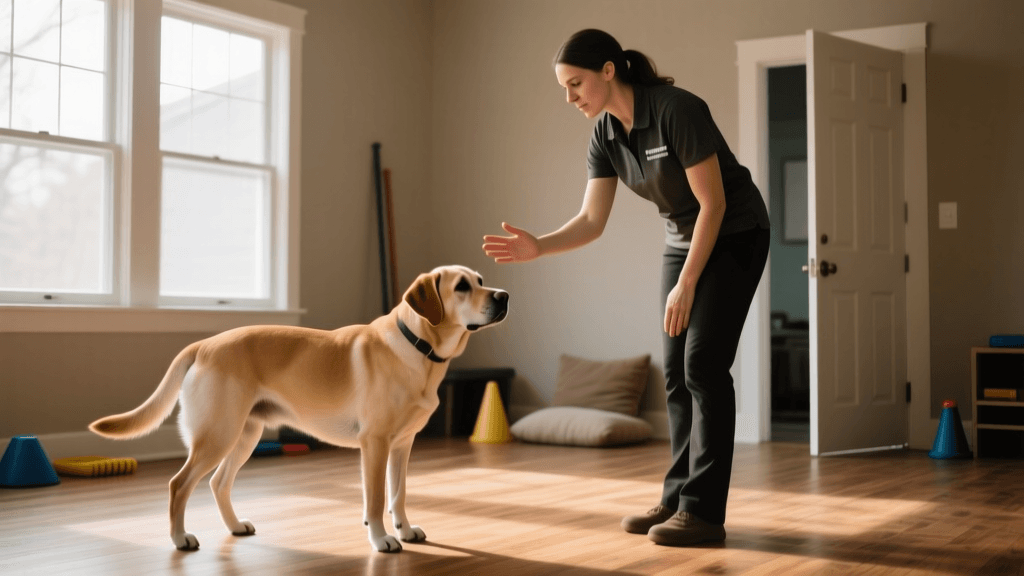
Begin in a hallway or long room. Wait until your Basenji is slightly distracted, say your chosen recall word (e.g., 'Come' or 'Here'), and immediately present a high-value treat at their nose level. Do not repeat the word. If they do not respond, make a high-pitched kissing noise or run away to trigger their chase instinct. Reward heavily when they arrive.
Step 2: Long-Line Conditioning
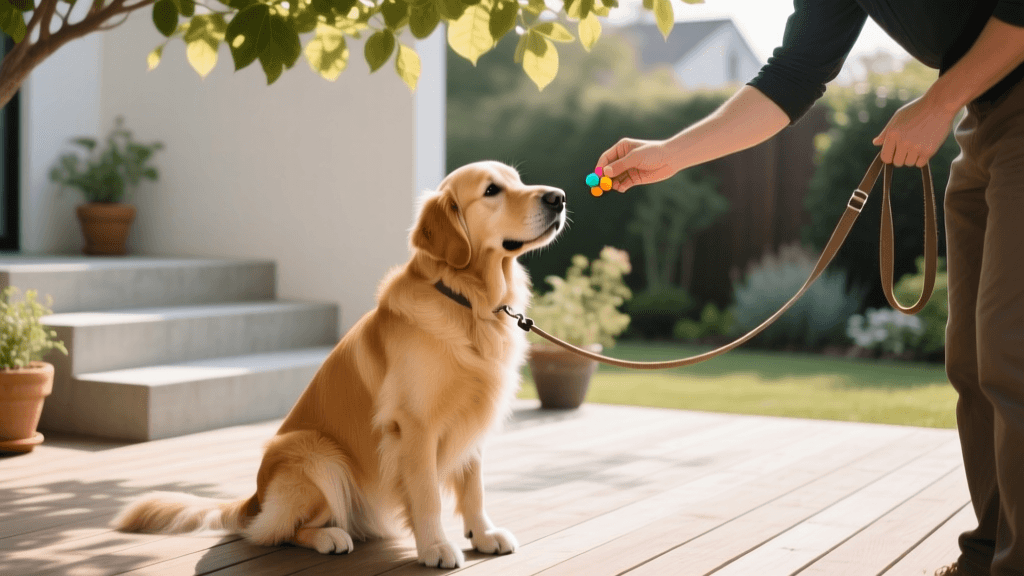
Move to a secure outdoor space equipped with a 30-foot biothane long line. Biothane is preferred in 2026 over nylon because it does not absorb mud or water, preventing the line from becoming heavy and dragging on the ground. Practice calling your dog away from mild distractions. If they ignore you, gently reel them in without anger, then reset and try again with a higher-value reward.
Step 3: The 'Touch' Command Alternative
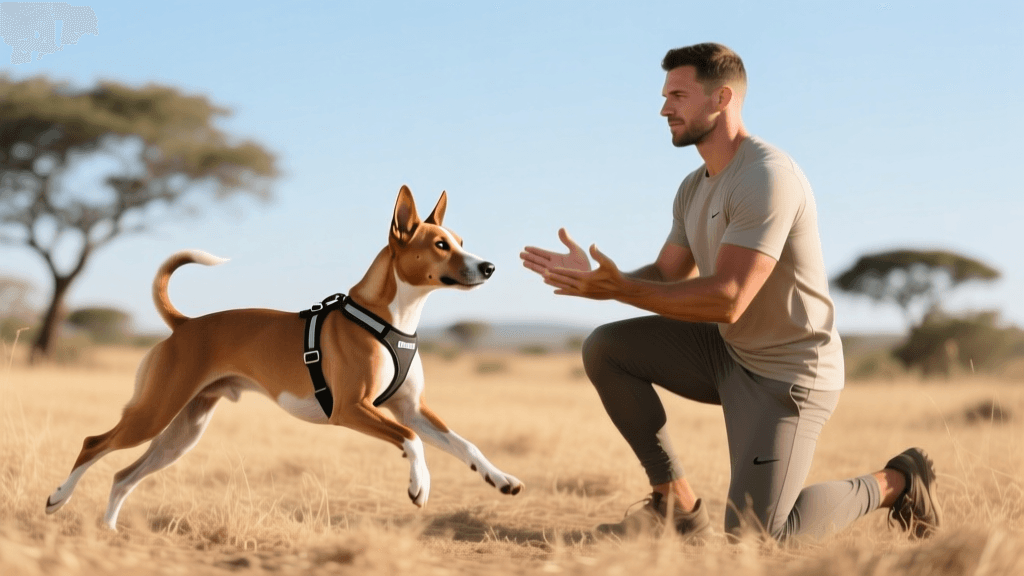
Many Basenjis develop 'command fatigue' with the word 'Come.' Teaching a hand target or 'Touch' command—where the dog must boop their nose to your palm for a treat—often bypasses their stubbornness. It feels like a game rather than an order.
Step 4: Proofing with Distractions
Gradually introduce controlled distractions. Have a friend toss a toy, and the moment your Basenji looks at it, call them back. Reward with a 'Jackpot' tier item. This teaches the dog that returning to you yields a better outcome than chasing the toy.
Step 5: The Emergency Whistle
Because Basenjis can be selective listeners, pairing a specific acoustic frequency (like a 210.5 Hz gundog whistle) exclusively with an ultimate jackpot reward creates a conditioned emotional response. Blow the whistle, immediately present roasted chicken. Repeat this until the whistle triggers an automatic pivot toward you.
Leash Walking and Sighthound Tendencies
Basenjis are notorious leash pullers. Their deep chests and narrow waists mean that standard flat collars can easily slip off if they pull backward, a common escape tactic for spooked exotic breeds. In 2026, the gold standard for walking a Basenji is a dual-clip, escape-proof harness.
Models like the Ruffwear Web Master or the Kurgo Tru-Fit Smart Harness are highly recommended. These feature a martingale-style loop over the neck that tightens slightly if the dog attempts to back out, preventing escapes without causing harm. Pair this with a front-clip leash attachment to gently redirect their momentum toward you when they pull. Current pricing for these specialized sighthound-safe harnesses ranges from $45 to $90, a necessary investment for your dog's safety.
Furthermore, never trust a Basenji off-leash in an unenclosed area. Even the most trained individuals can be triggered by a sudden prey stimulus. Modern GPS collars available in 2026, such as the latest Fi Series and Tractive models, offer exceptional boundary alerts and location tracking, but they are recovery tools, not training substitutes. They will help you find your dog, but they will not stop them from running into traffic.
Impulse Control and Environmental Enrichment
A bored Basenji is a destructive Basenji. Because they are highly intelligent problem solvers, they require intense mental stimulation to prevent them from inventing their own (usually unwanted) games. Impulse control exercises are vital for managing their high prey drive and curiosity.
- The 'It's Yer Choice' Game: Place treats in your open hand. If the dog dives for them, close your hand. Wait for them to back off and make eye contact, then reward from the opposite hand. This builds the neural pathways required for the 'Leave It' command.
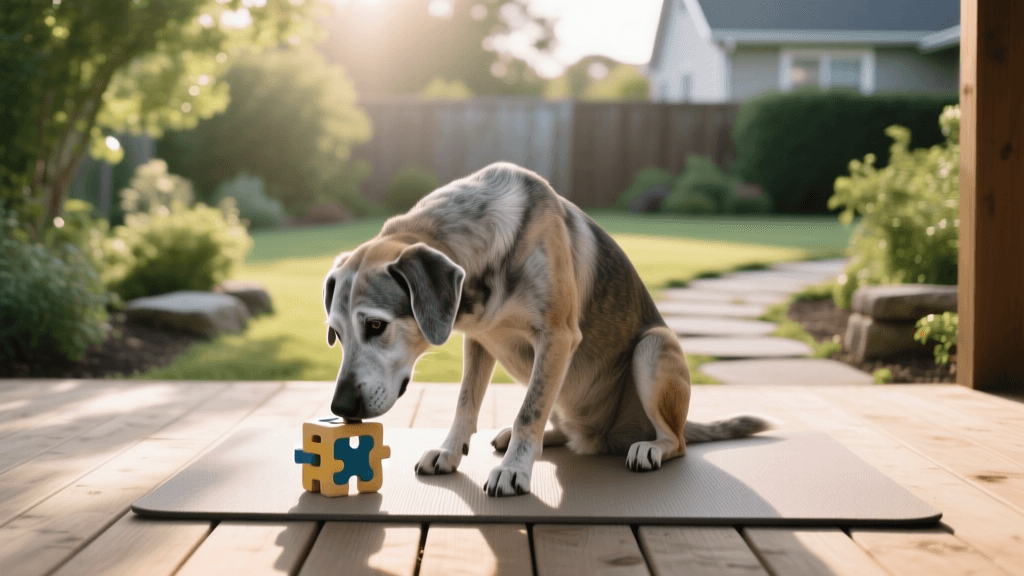
- Snuffle Mats and Lick Mats: Utilize these tools for daily feeding. Forcing a Basenji to forage for their meals engages their scent-tracking brain and burns off excess energy that might otherwise be directed toward chewing your furniture.
- Flirt Pole Sessions: A 15-minute session with a flirt pole satisfies their visual prey drive and chasing instincts in a controlled, joint-safe manner. Always end the session by allowing the dog to 'catch' the lure to prevent frustration.
'The key to living harmoniously with a primitive breed is not to suppress their natural instincts, but to provide appropriate, structured outlets for them. A Basenji that is allowed to hunt for its food and chase appropriate toys is a Basenji that listens.' — 2026 Canine Enrichment Symposium Guidelines
Socialization for Exotic Breeds
Basenjis are naturally aloof with strangers and can be dog-selective, often preferring the company of other Basenjis or sighthounds. Early and ongoing socialization is critical, but it must be done carefully. Flooding a Basenji puppy with overwhelming dog park environments can lead to fear-based reactivity.
Instead, opt for structured 'parallel walks' with calm, neutral dog breeds. Allow your Basenji to observe the world from a comfortable distance, rewarding them for calm behavior and disengagement. In 2026, force-free socialization classes that focus on obstacle navigation and confidence-building are preferred over chaotic free-play puppy classes, which can inadvertently teach a Basenji that other dogs are for wrestling rather than polite interaction.
Final Thoughts on Basenji Ownership
Training a Basenji is not about achieving robotic obedience; it is about negotiating a partnership. You are not training a soldier; you are convincing a highly intelligent, independent hunter that cooperating with you is the most rewarding option available. By utilizing high-value rewards, escape-proof gear, and a deep respect for their ancient lineage, you can build a profound bond with your African barkless dog. Patience, consistency, and a sense of humor will be your greatest assets on this incredible journey.
anouk-beaumont
All our authors care for dogs every day — read more of their work on the authors page.