Understanding Azawakh Behavior & Pack Psychology 2026
Discover the unique psychology, pack instincts, and communication signals of the exotic Azawakh sighthound in our comprehensive 2026 breed behavior guide.
The Sahel Sighthound: Origins and Primal Instincts
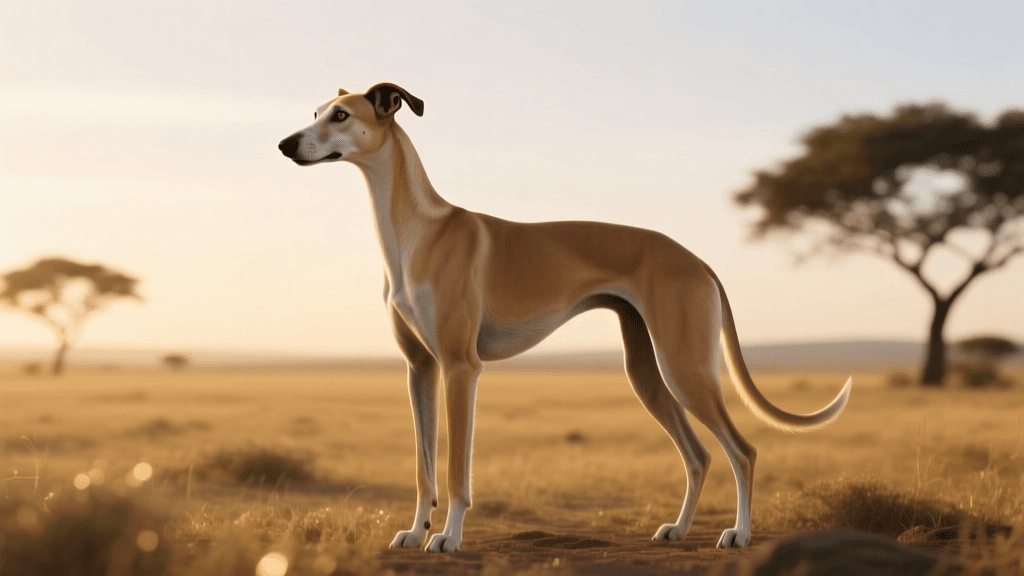
As we navigate the diverse landscape of canine companionship in 2026, exotic and international breeds are increasingly capturing the attention of dedicated dog enthusiasts. Among the most fascinating and psychologically complex of these is the Azawakh. Hailing from the harsh, unforgiving Sahel region of West Africa, this elegant sighthound was originally bred by the Tuareg nomads. Unlike many Western breeds that were developed strictly for hunting or herding, the Azawakh served a dual purpose: hunting fleet-footed gazelles across the dunes and fiercely guarding the nomadic camps at night. This unique historical context is the key to understanding their modern behavior. To live with an Azawakh today is to live with a primal survivor. Their psychology is not built around pleasing a human master, but rather around protecting their inner circle and surviving in a hostile environment. According to the American Kennel Club, the Azawakh is characterized by a profound aloofness toward strangers, paired with an intense, almost feline devotion to their family unit.
Decoding Azawakh Body Language
Understanding canine communication is a cornerstone of responsible ownership, but sighthounds often speak a quieter, more subtle language than their terrier or working-dog counterparts. The Azawakh is a master of micro-expressions. Because they were bred to spot movement across vast desert expanses, their visual processing is highly attuned, and they expect their humans to be equally observant. In 2026, modern veterinary behaviorists emphasize the importance of recognizing early stress signals in sensitive breeds. The Humane Society notes that subtle cues like lip licking, yawning, and whale eye are universal canine stress indicators, but in the Azawakh, these are often preceded by a distinct physical freeze.
When an Azawakh is assessing a threat or an unknown stimulus, they will often lock their joints and stare intently. This 'Azawakh stare' is not an invitation to play; it is a calculation of risk. Their ear carriage is another vital metric. While relaxed, their ears may flop slightly or rest against the skull. When alert, the ears prick forward, and the base of the tail lifts. If the tail is tucked tightly beneath the belly while the dog maintains a rigid posture, this indicates high anxiety or defensive posturing, not necessarily submission. Misinterpreting this rigid fear-state as stubbornness is a common mistake among novice owners of exotic sighthounds.
The Pack Bond: Aloofness vs. Devotion
The most defining psychological trait of the Azawakh is their stark contrast in behavior toward family versus strangers. In the realm of dog psychology, we often talk about the 'velcro dog,' but the Azawakh takes this concept to an extreme. They are deeply tactile with their chosen humans, often seeking physical contact, leaning against legs, or sleeping piled on top of their owners. This stems from their desert origins, where huddling for warmth and safety was essential for survival.
However, this intense pack bonding comes with a heavy caveat: extreme stranger danger. An Azawakh does not view unfamiliar humans as potential friends; they view them as potential threats to the pack. In a modern urban or suburban setting, this requires careful management. You cannot force an Azawakh to be a social butterfly. Attempting to force physical affection from strangers onto this breed will only deepen their distrust and can lead to defensive aggression. Respecting their boundaries is a critical component of their psychological well-being.
Breed Comparison: Azawakh vs. Typical Sighthounds
To truly grasp the unique mindset of the Azawakh, it is helpful to compare their behavioral baseline against more common sighthound breeds. The following table highlights key psychological and instinctual differences observed in breed profiles as of 2026.
| Behavioral Trait | Azawakh | Greyhound | Whippet |
|---|---|---|---|
| Stranger Aloofness | Extreme (Guarding instinct) | Low (Generally friendly) | Moderate (Polite but reserved) |
| Pack Bonding | Intense, tactile, protective | Moderate, affectionate | High, affectionate |
| Prey Drive | Very High (Visual & Scent) | High (Primarily Visual) | High (Primarily Visual) |
| Trainability | Low (Independent thinker) | Moderate (Food motivated) | High (Eager to please) |
| Vocalization | High (Alert barking, howling) | Low (Rarely barks) | Low to Moderate |
Modern Training and Socialization in 2026
Training an Azawakh requires a complete paradigm shift from traditional obedience methods. Outdated dominance-based theories are not only ineffective but deeply damaging to the sensitive psyche of this breed. In 2026, the gold standard for training exotic and primitive breeds is force-free, positive reinforcement, as strongly advocated by the ASPCA and leading veterinary behaviorists. The Azawakh possesses a long memory for negative experiences; a single harsh correction can permanently fracture the trust they have in their handler.
Socialization for an Azawakh is not about teaching them to love everyone; it is about teaching them to remain neutral and calm in the presence of the unknown. This process, often called 'desensitization and counter-conditioning,' must begin during the critical developmental window of 8 to 16 weeks and continue throughout their life. Exposing the puppy to diverse urban stimuli—traffic noise, strange hats, umbrellas, and varied terrains—from a safe distance, paired with high-value treats, helps rewire their instinctual alarm system.
Recall training is notoriously difficult with this breed due to their immense prey drive and independent nature. When an Azawakh spots a fleeing squirrel or deer, their sighthound vision overrides their auditory processing. Therefore, off-leash freedom should only be granted in fully enclosed, secure areas. For safe exploration in open spaces, modern owners rely on biothane long-lines and advanced GPS tracking collars, such as the 2026 editions of the Fi Series 4 or Whistle Go, which provide real-time location data and escape alerts directly to a smartphone.
Environmental Needs and Prey Drive Management
Despite their athletic build and incredible speed, Azawakhs are surprisingly adaptable to apartment living, provided their mental and physical needs are met. They are notorious 'couch potatoes' indoors, conserving energy for short, explosive bursts of activity outside. However, their psychological need for environmental enrichment is high. A bored Azawakh is a destructive Azawakh. They possess a strong chewing instinct and a tendency to dig, behaviors rooted in their search for food and shelter in the Sahara.
To manage their prey drive in a domestic setting, owners must provide alternative outlets for their chasing instincts. Lure coursing, fast CAT (Coursing Ability Test) events, and structured flirt-pole sessions are excellent ways to satisfy their biological imperative to chase in a controlled, safe environment. Mentally, they thrive on scent work and puzzle toys that mimic the foraging behaviors of their wild ancestors.
The Reward of the Primitive Bond
Owning an Azawakh is not for the faint of heart, nor is it for those seeking a subservient, eager-to-please companion. They are ancient, proud, and deeply complex creatures. Understanding their behavior requires empathy, patience, and a willingness to view the world through the eyes of a desert survivor. When you earn the trust of an Azawakh, you are rewarded with a level of loyalty and profound emotional connection that is virtually unmatched in the canine world. By respecting their exotic origins and honoring their unique psychological needs, we can ensure these magnificent sighthounds thrive in the modern era.
tom-renshaw
All our authors care for dogs every day — read more of their work on the authors page.