Getting an Azawakh in 2026: Costs, Care & Breed Profile
Discover the 2026 costs, import tips, and care essentials for the exotic Azawakh sighthound. Learn if this rare West African breed fits your lifestyle.
The Allure of the Exotic: Meeting the Azawakh
For prospective dog owners looking beyond the standard golden retrievers and french bulldogs, the world of exotic and international breeds offers a fascinating alternative. Among the most striking and rare of these is the Azawakh, a regal sighthound originating from the Sahel region of West Africa. As we navigate the dog adoption and purchasing landscape in 2026, the Azawakh has seen a quiet but steady surge in popularity among experienced hound enthusiasts and active families who appreciate a dog with a rich, ancient heritage.
Getting an Azawakh is not like picking up a puppy from a local breeder down the street. It requires meticulous planning, a deep understanding of sighthound physiology, and often, international coordination. This comprehensive 2026 guide will walk you through the breed profile, the real costs of acquisition and importation, and the specific home preparations required to welcome this desert runner into your life.
What is an Azawakh? A 2026 Breed Profile
The Azawakh (pronounced AH-zuh-wok) is a landrace breed historically kept by the Tuareg and other nomadic tribes of Mali, Niger, and Burkina Faso. Unlike many Western breeds developed strictly for show or specific working tasks, the Azawakh was a multi-purpose desert companion. They served as guardians of the camp, hunters of fast desert game like gazelles, and cherished family members who slept on the roofs of mud-brick homes to keep watch.
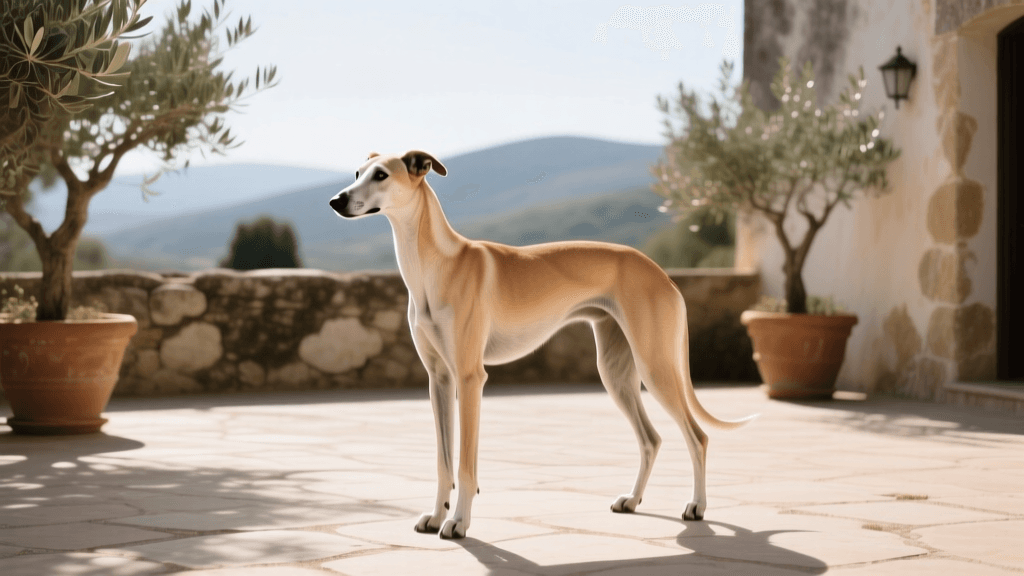
Physically, they are breathtaking. They are taller than they are long, with incredibly lean musculature, deep chests, and a bone structure that is visible beneath their short, fine coats. According to the American Kennel Club (AKC), their temperament is notably aloof with strangers but fiercely affectionate and loyal to their immediate family pack. They are independent thinkers, possessing a high prey drive and a sensitive, almost cat-like demeanor in the home.
Quick Stats: The Azawakh at a Glance
| Attribute | 2026 Breed Standard Details |
|---|---|
| Origin | Sahel Region (Mali, Niger, Burkina Faso) |
| AKC Group | Hound |
| Height (Shoulder) | 23.5 to 29 inches |
| Weight | 33 to 55 pounds |
| Coat Type | Short, fine, sparse on belly |
| Life Expectancy | 12 to 15 years |
| 2026 Avg. Puppy Price | $3,500 to $5,500+ (Domestic) |
| 2026 Import Cost | $6,000 to $9,000+ (From Europe) |
The True Cost of Getting an Azawakh in 2026
Because the Azawakh remains a relatively rare breed outside of West Africa and parts of Europe (particularly France and Scandinavia), acquiring one requires a significant financial and temporal investment. In 2026, domestic breeders in the United States are few and far between, meaning waitlists often stretch from 18 to 36 months.
Domestic Purchase vs. European Import
If you are lucky enough to secure a puppy from a domestic breeder, expect to pay between $3,500 and $5,500. However, many dedicated enthusiasts opt to import a puppy or an adult show prospect from Europe, where the gene pool is broader. Importing a dog in 2026 involves navigating updated IATA (International Air Transport Association) live animal regulations, veterinary export health certificates, and specialized pet flight couriers. A fully managed import from France or Germany to the US will typically cost between $6,000 and $9,000, factoring in the puppy price, flight crate, courier fees, and customs clearance.
Initial Gear and Setup Costs
Sighthounds require specialized gear due to their unique body shape. Standard collars can easily slip off an Azawakh's narrow head. You must invest in a custom-fitted martingale collar or a sighthound-specific harness. Furthermore, because they lack insulating body fat, an Azawakh living outside of tropical climates will need a wardrobe. In 2026, a high-quality, fleece-lined sighthound winter coat from brands like Hurtta or Back on Track will cost around $85 to $120. Expect to spend at least $800 to $1,200 on initial gear, including an orthopedic bed, tall travel crate, and GPS tracking collar.
Preparing Your Home for a Sahelian Sighthound
Bringing an exotic international breed into a modern suburban or urban home requires specific environmental modifications. The Azawakh is a desert athlete, and their instincts are hardwired for scanning horizons and chasing moving objects.
Fencing and Containment
Do not underestimate the athleticism of this breed. An Azawakh can easily clear a standard 4-foot fence from a standing start, and they are known to scramble over chain-link fences like primates. The American Azawakh Association (AAA) strongly recommends a minimum 6-foot solid privacy fence. Vinyl or wood is preferred over chain-link to prevent climbing and to reduce visual stimulation from passing cars or neighborhood wildlife. Additionally, installing an L-footer dig guard (burying wire mesh two feet underground and bending it inward) is crucial, as their hunting instincts may prompt them to dig under barriers if they spot prey.
Climate Control and Bedding
While Azawakhs tolerate dry heat remarkably well, they are highly susceptible to cold and damp weather. If you live in a region with distinct winters, your home must be climate-controlled, and outdoor potty breaks must be kept brief. Inside the home, hard floors are the enemy of sighthound joints and bony prominences. You must provide thick, orthopedic bedding. Brands like Big Barker offer specialized large-breed orthopedic beds that prevent pressure sores on the dog's elbows and hocks. Budget around $250 to $350 for a premium bed that will support their lean frame.
Diet, Health, and Veterinary Considerations
The Azawakh has a metabolism and physiological makeup that differs vastly from standard domestic dogs. This impacts everything from their diet to how they must be treated by veterinarians.
Sighthound Anesthesia Risks
Like their cousin the Greyhound, Azawakhs have very low body fat and unique liver enzyme profiles, making them highly sensitive to standard barbiturate-based anesthetics. Before scheduling any procedure, including routine spaying or neutering, you must ensure your veterinarian is certified in sighthound-safe anesthesia protocols. Always verify this during your initial 2026 vet interviews; a vet unfamiliar with sighthound pharmacology is a major red flag.
Nutrition and Feeding
In their native Sahel, Azawakhs survived on a diet of millet, goat milk, and occasional hunted game. They are not designed to process the heavy, carbohydrate-laden kibble that fills supermarket shelves. In 2026, top breeders recommend a high-protein, moderate-fat, and low-carbohydrate diet. Many owners opt for raw feeding or premium grain-free kibble brands like Orijen or Acana. Furthermore, to prevent gastric dilatation-volvulus (bloat)—a fatal condition common in deep-chested breeds—you must feed your Azawakh using an elevated bowl stand and strictly enforce a one-hour rest period before and after meals.
Sourcing and the Importance of Health Testing
Because the gene pool is small, ethical breeding is paramount. When looking for a breeder, demand to see health clearances. Reputable breeders will test for autoimmune-mediated diseases, epilepsy, and Wobbler syndrome (cervical spondylomyelopathy), which can occasionally affect the breed. The AAA maintains a strict code of ethics and an open health registry. Never purchase an Azawakh from an unverified online broker or a backyard breeder claiming to have 'rare desert dogs' available for immediate shipping. These are almost always scams or puppy mills exploiting the exotic appeal of the breed.
Final Verdict: Is the Azawakh Right for You?
The Azawakh is not a beginner's dog, nor is it a dog for someone who wants a golden retriever's eager-to-please mentality. They are profound, sensitive, and deeply bonded to their owners, often ignoring strangers entirely. They require secure containment, specialized veterinary care, and a home that respects their need for both explosive daily exercise and long, luxurious hours lounging on a soft sofa.
If you are an experienced dog owner, an avid runner or hiker, and someone who appreciates the quiet dignity of an ancient, exotic breed, the Azawakh may just be the most rewarding companion you will ever welcome into your home. Take your time, connect with the national breed clubs, and prepare for a waitlist—the reward of sharing your life with this magnificent West African sighthound is well worth the patience required in 2026.
tom-renshaw
All our authors care for dogs every day — read more of their work on the authors page.