Azawakh Training Guide 2026: Mastering Recall & Prey Drive
Discover expert Azawakh training techniques for 2026. Master recall, manage high prey drive, and socialize your exotic West African sighthound effectively.
The Unique Psychology of the West African Sighthound
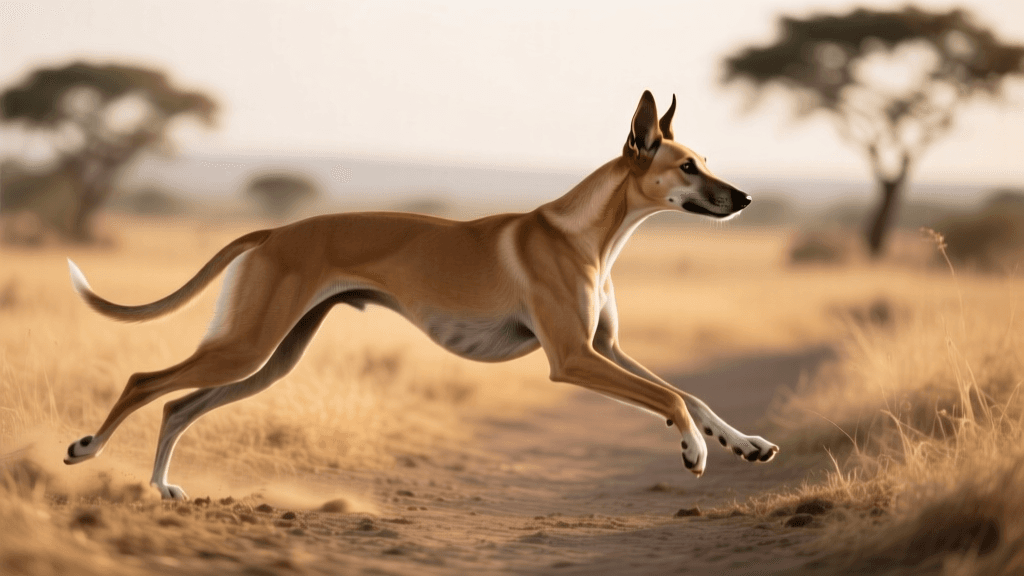
The Azawakh is a breathtakingly elegant sighthound originating from the Sahel region of West Africa. Bred for centuries by nomadic Tuareg tribes to guard camps and hunt fleet-footed gazelles, this exotic breed is fiercely loyal, deeply independent, and visually driven. As rare breed ownership continues to evolve in 2026, more enthusiasts are welcoming the Azawakh into their homes, only to discover that standard, repetitive obedience methods often fall flat. Unlike a Border Collie that lives to work or a Golden Retriever that lives to please, the Azawakh operates on a unique psychological framework. They are thinkers, not blind followers.
According to The American Kennel Club's Azawakh breed profile, these dogs are notably aloof with strangers and possess an intense prey drive. Training an Azawakh requires a profound respect for their heritage. You are not trying to break their spirit or suppress their natural instincts; rather, you are building a cooperative partnership based on mutual trust, impulse control, and high-value motivation. In 2026, modern behavioral science emphasizes working *with* a dog's genetic predispositions rather than against them, which is especially critical for primitive and exotic breeds.
Essential Gear for Exotic Sighthounds in 2026
Before beginning any training regimen, you must equip yourself with the right tools. The Azawakh's unique physique—a long, slender neck and a head that is narrower than their neck—means standard buckle collars are entirely unsafe. If an Azawakh spots a squirrel and lunges, they can easily slip out of a traditional collar or suffer tracheal damage.
- Martingale Collars: The gold standard for sighthounds. These collars tighten slightly under tension to prevent slipping but have a built-in stopper to ensure they never choke the dog.
- Biothane Long Lines (15 to 30 feet):strong> Biothane is a must-have in 2026. Unlike nylon, it does not absorb water, mud, or odors, making it perfect for dragging through fields during recall training.
- GPS Tracking Collars: Given their explosive speed (they can reach 40 mph in seconds), off-leash reliability takes years to build. A high-quality GPS tracker is non-negotiable for safety during outdoor conditioning.
- Heavy-Duty Flirt Poles: Essential for prey drive management and impulse control drills.
Step-by-Step Recall Training for the Azawakh
Recall is the most critical, yet most challenging, skill to teach any sighthound. The Azawakh hunts primarily with its eyes. When they enter the 'prey sequence' (Eye, Stalk, Chase, Grab, Kill), their auditory processing essentially dims. If your dog has already locked eyes on a fleeing rabbit, calling their name will likely yield no response. Therefore, the secret to a reliable recall is training the dog to check in with you *before* the visual lock occurs.
As outlined in the AKC's comprehensive guide on teaching a reliable recall, success relies on starting in low-distraction environments and using exceptionally high-value rewards. For an Azawakh, dry kibble will not suffice. You need real meat, freeze-dried liver, or a favorite squeaky toy.
The 'Visual Break' Drill
- Spot the Trigger: Take your Azawakh to a park on a 30-foot biothane long line. Wait for them to notice a distant distraction (a bird, a running dog).
- Interrupt Before the Lock: The moment their ears prick forward but *before* their body stiffens into a stalk, make a high-pitched kissy noise or say their name enthusiastically.
- Reward the Turn: When they turn their head toward you, immediately throw a 'jackpot' reward (a handful of real meat) in the opposite direction of the trigger. This teaches them that disengaging from the environment yields a better reward than the chase.
- Build Distance Gradually: Over months of 2026 training sessions, gradually decrease the distance to the trigger while maintaining the 'visual break' criteria.
Managing High Prey Drive: The Flirt Pole Protocol
You cannot train the prey drive out of an Azawakh; it is hardwired into their DNA. However, you can teach them the 'off switch' using a flirt pole. This tool mimics the erratic movement of prey, allowing you to control the environment and teach impulse control in real-time.
Phase 1: The Chase and Catch
Move the lure along the ground in erratic, unpredictable patterns. Allow your Azawakh to chase and eventually catch the lure. This satisfies their predatory motor pattern.
Phase 2: The 'Drop It' Trade
Once they catch the lure, do not play tug-of-war, as this can overstimulate a sighthound. Instead, present a piece of high-value meat right at their nose. The moment they release the lure to eat the meat, click a marker word like 'Yes!' and feed them. Repeat this until the dog spits out the lure the moment they see the food.
Phase 3: The Impulse Hold
This is the ultimate test of control. Move the lure, then suddenly stop and ask your dog to 'Sit' or 'Down'. They must maintain the position while you drag the lure inches from their nose. Only give the release cue ('Get it!') when they are calm and focused on you, not lunging at the toy. This translates directly to real-world scenarios, like waiting at an open door or ignoring a jogging cat.
Socialization: Bridging the Aloofness Gap
A common mistake new owners make is forcing their exotic sighthound to be a 'social butterfly.' The Azawakh is a guardian breed; they are naturally suspicious of strangers and unfamiliar environments. Forcing them into uncomfortable interactions can lead to fear-based reactivity. Current 2026 behavioral guidelines emphasize teaching 'neutrality' rather than forced friendliness.
The AKC's puppy socialization guidelines highlight the importance of positive, pressure-free exposures during critical developmental windows. For the Azawakh, the 'Treat and Retreat' method is highly effective.
The Treat and Retreat Method
When a stranger wants to meet your Azawakh, instruct them to ignore the dog completely. Instead of reaching out to pet the dog (which invades their spatial bubble and triggers guardian instincts), the stranger should gently toss a high-value treat *behind* the dog. The dog turns, retreats to eat the treat, and experiences a drop in spatial pressure. Over time, the dog learns that strangers predict good things, without the stress of forced physical contact. This builds a confident, neutral dog that can navigate crowded 2026 urban environments without anxiety.
Azawakh Training Timeline and Milestones
Training an exotic breed is a marathon, not a sprint. The following table outlines a realistic progression for conditioning an Azawakh from puppyhood through adulthood.
| Age Range | Focus Area | Specific Drill | Expected Mastery |
|---|---|---|---|
| 8-12 Weeks | Neutrality & Name Recognition | Treat and Retreat Socialization | Responds to name in low-distraction home environments; shows curiosity rather than fear toward novel objects. |
| 3-6 Months | Impulse Control | Flirt Pole 'Drop It' & 'Wait' | Waits for a verbal release cue before chasing a moving lure; reliably drops items on command. |
| 6-12 Months | Long-Line Recall | Visual Break Drill (30ft Line) | 90% success rate in disengaging from mild environmental distractions to return to the handler. |
| 1-2 Years | Off-Leash Reliability | Emergency Stop & Recall | 100% success in designated, securely fenced sighthound parks; reliable emergency 'down' at a distance. |
| 2+ Years | Public Neutrality | Cafe Mat Training | Ability to settle on a mat in high-traffic public spaces without reacting to passing dogs or strangers. |
Nutrition and Training Reward Calibration
Because Azawakhs are naturally lean and possess fast metabolisms, managing their caloric intake during heavy training sessions is vital. In 2026, many trainers utilize 'portion feeding' where the dog's daily kibble allocation is used for basic, low-distraction drills, while their daily protein allotment (like boiled chicken or beef heart) is reserved exclusively for high-stakes recall and prey-drive interruption drills. This ensures the dog remains motivated without risking obesity, which can be devastating to the joints of a deep-chested, athletic sighthound.
Final Thoughts on Rare Breed Conditioning
Owning and training an Azawakh is a deeply rewarding endeavor that requires patience, empathy, and a willingness to adapt. They will never offer the robotic obedience of a working-line German Shepherd, but they will offer a profound, quiet loyalty that is entirely their own. By respecting their West African heritage, utilizing modern positive reinforcement techniques, and prioritizing impulse control over blind compliance, you can forge an unbreakable bond with your exotic sighthound. Remember that in the world of rare breeds, success is not measured by perfect heel work, but by the trust your dog places in you when the wild calls their name.
jonas-cole
All our authors care for dogs every day — read more of their work on the authors page.