Training The Czechoslovakian Wolfdog In 2026: Socialization Tips
Discover expert 2026 socialization and obedience training techniques for the exotic Czechoslovakian Wolfdog to manage their unique wolf-dog instincts.
The Rise of Exotic Breeds: Meeting the Czechoslovakian Wolfdog
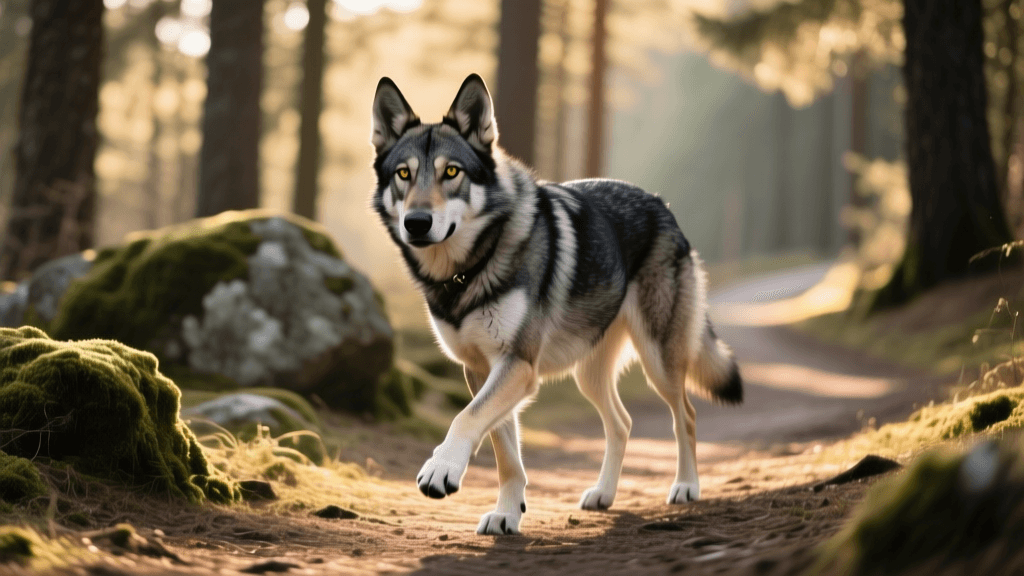
As we navigate the global dog training landscape in 2026, the popularity of exotic and international breeds has reached unprecedented heights. Among the most fascinating, challenging, and rewarding of these is the Czechoslovakian Wolfdog, often referred to as the Vlcak. Originally developed in the 1950s by crossing German Shepherds with Carpathian wolves, this breed was designed for border patrol and extreme endurance. Today, they are prized by experienced handlers worldwide for their striking appearance, intense loyalty, and unparalleled intelligence. However, owning a Vlcak is not for the faint of heart, and training them requires a profound departure from standard pet-dog methodologies.
Unlike traditional herding or retriever breeds that were selectively bred for biddability and a desire to please humans, the Vlcak retains a highly independent, pack-oriented, and environmentally sensitive mindset. In 2026, modern behavioral science strictly condemns outdated 'alpha' or dominance-based theories, especially for wolf-cross breeds. Applying heavy-handed corrections to a Czechoslovakian Wolfdog will not yield obedience; it will yield defensiveness, shut-down behaviors, or severe leash reactivity. Instead, contemporary training relies on engagement, positive reinforcement, and meticulous early socialization.
Understanding the Vlcak Mindset
Before initiating any obedience protocols, it is vital to understand the psychological framework of the breed. The United Kennel Club (UKC) notes that the Vlcak is highly active, courageous, and quick to react, but also deeply suspicious of strangers and novel environments. They possess a strong prey drive and an acute sensitivity to their handler's emotional state. If you are tense, your Vlcak will assume there is a threat and react accordingly.
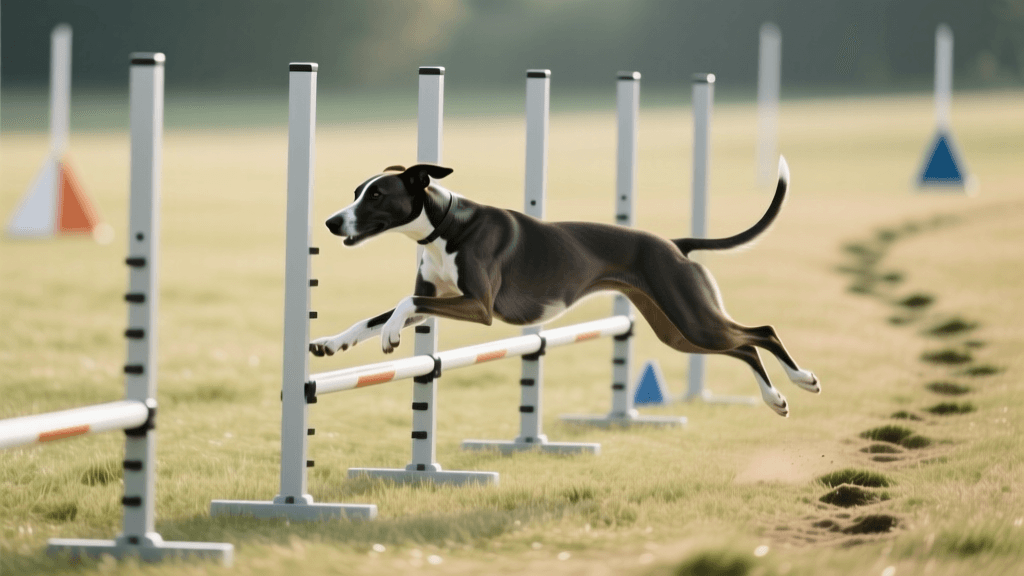
Training a Vlcak in 2026 means becoming a 'partner' rather than a 'master.' You must build a relationship based on mutual trust and clear communication. These dogs excel in dog sports like mantrailing, agility, and scent work, but they will flat-out refuse to perform repetitive, meaningless tasks like traditional competitive obedience heeling. To succeed, every training session must have a purpose, be kept incredibly short (5 to 10 minutes maximum), and end on a high note.
The Critical Socialization Window
Socialization is the single most important investment you will make in your Vlcak. The American Veterinary Society of Animal Behavior (AVSAB) emphasizes that the critical window for puppy socialization occurs between 3 and 14 weeks of age. For a primitive breed that is genetically hardwired to be suspicious of the unknown, missing this window can result in lifelong fear-based aggression or extreme skittishness.
Socialization does not mean forcing your puppy to interact with every dog and human they see. For a Vlcak, socialization means exposure and neutrality. The goal is to teach the puppy that the world is full of strange sights, sounds, and creatures, and that none of them are a threat. Below is a structured 2026 socialization timeline tailored specifically for the Czechoslovakian Wolfdog.
| Age (Weeks) | Focus Area | Actionable Exercise & Goal |
|---|---|---|
| 3 - 8 | Litter & Breeder Environment | Sensory exposure: Introduce varied textures (tarps, grates), mild auditory stimuli, and gentle human handling to build early neurological resilience. |
| 8 - 12 | Environmental Neutrality | Novel surfaces and household integration. Allow the puppy to observe vacuum cleaners, traffic, and strange objects from a safe distance without forcing interaction. |
| 12 - 16 | Social Observation | Distant dog observation and stranger protocols. Teach the puppy to look at strangers and receive high-value treats (like freeze-dried Ziwi Peak venison) from the handler, not the stranger. |
| 16 - 24 | Advanced Urban & Rural Exposure | Navigate busy urban centers, public transit, and rural livestock perimeters. Focus on maintaining handler engagement amidst high-level environmental distractions. |
Obedience Training: Engagement Before Compliance
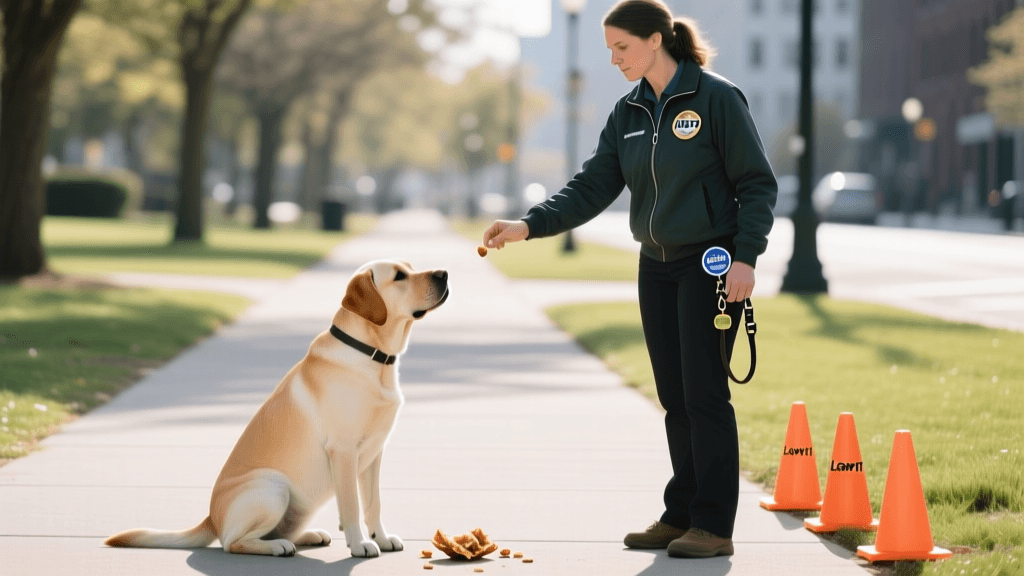
In the modern 2026 training paradigm, 'engagement' is the currency of obedience. Engagement means your dog voluntarily offers you their attention because they find you more rewarding than the environment. With a Vlcak, you cannot compete with the scent of a deer or the movement of a squirrel using standard kibble. You must utilize high-value rewards, such as real meat treats, flirt poles, and interactive tug games.
The ASPCA highlights that positive reinforcement builds confidence and strengthens the human-animal bond, which is critical for sensitive breeds. Start by rewarding your Vlcak every time they voluntarily check in with you during a walk. Use a marker word like 'Yes!' or a clicker the moment their eyes meet yours, followed immediately by a high-value reward. Over time, this conditions the dog to view you as the source of all good things, making formal obedience cues like 'sit', 'down', and 'stay' much easier to install.
Mastering the Recall
Teaching a reliable recall to a breed with a 40-mph sprint speed and a high prey drive is notoriously difficult. Never call your Vlcak to punish them, bathe them, or end a fun activity; the recall cue must always predict a massive jackpot of rewards. During the first year of life, your dog should rarely be off-leash in unsecured areas. Instead, utilize a 30-foot Biothane long line paired with a high-fidelity GPS smart collar. This allows you to grant the dog the illusion of freedom while maintaining absolute physical control to prevent them from self-rewarding by chasing wildlife.
Troubleshooting Common Behavioral Hurdles
Even with impeccable early socialization, Vlcak owners in 2026 frequently encounter specific behavioral hurdles. Understanding how to navigate these is key to long-term success.
- Leash Reactivity: Vlcaks often exhibit leash reactivity, lunging or barking at other dogs. This is rarely true aggression; it is usually a combination of frustration and a genetic predisposition to guard their handler. Implement 'Behavioral Adjustment Training' (BAT) setups, allowing your dog to observe triggers at a distance where they remain under their reactivity threshold, and reward calm disengagement.
- Resource Guarding: Due to their survivalist genetics, some Vlcaks may guard high-value items. Never confront a guarding Vlcak physically. Instead, use the 'trade-up' game, offering a piece of premium meat in exchange for the guarded item, thereby teaching the dog that human hands approaching their resources always result in an upgrade.
- Destructive Chewing: A bored Vlcak is a destructive force. Physical exercise is not enough; they require intense mental stimulation. Incorporate daily scent-work games, puzzle feeders, and structured sniffaris to drain their mental battery.
Conclusion: A Partnership Like No Other
Training the Czechoslovakian Wolfdog in 2026 is a journey of patience, empathy, and scientific application. They will test your consistency and challenge your understanding of canine behavior. However, for the dedicated handler who embraces modern, force-free methodologies and prioritizes early, structured socialization, the Vlcak offers a profound, almost telepathic bond that few other breeds can match. By respecting their exotic heritage and meeting their unique psychological needs, you will unlock the full, magnificent potential of this extraordinary international breed.
anouk-beaumont
All our authors care for dogs every day — read more of their work on the authors page.