2026 Azawakh Health Guide: Nutrition, Joints & Cold Weather Care
The 2026 Azawakh health guide covers specialized sighthound nutrition, autoimmune prevention, cold-weather gear, and joint care for this exotic African breed.
The Rise of the Azawakh in 2026
The Azawakh is a striking, exotic sighthound originating from the Sahel region of West Africa, specifically Mali, Niger, and Burkina Faso. Historically bred by nomadic Tuareg tribes to guard camps and hunt fast-moving desert game, this breed is a true canine athlete. As of 2026, the Azawakh has seen a steady rise in international popularity, particularly in North America and Europe, as experienced dog owners seek out rare, primitive breeds with profound loyalty and unique physical characteristics. However, owning an exotic international breed requires a deep understanding of their specialized physiological needs. Their desert origins and unique genetic makeup mean that standard dog care advice often falls short. This comprehensive 2026 health and wellbeing guide will explore the precise nutritional, environmental, and veterinary protocols required to keep your Azawakh thriving in a modern, non-desert environment.
Unique Physiological Traits: More Than Just Skinny
To properly care for an Azawakh, one must first understand their extreme physiological adaptations. Unlike most domesticated dog breeds, the Azawakh possesses a remarkably low body fat percentage and a highly visible skeletal structure. In 2026, veterinary consensus emphasizes that a healthy Azawakh should have clearly visible ribs, hip bones, and a pronounced abdominal tuck. Attempting to 'fatten up' an Azawakh to match the body condition score of a Labrador Retriever will lead to severe joint stress and metabolic issues.
Their deep chests, elongated limbs, and fast-twitch muscle fibers dictate a high resting metabolism. Furthermore, their lack of insulating body fat and short, fine coat make them incredibly sensitive to environmental temperature fluctuations. Understanding these exotic traits is the foundation of preventive healthcare for the breed, influencing everything from their daily caloric intake to the anesthesia protocols used during veterinary surgeries.
2026 Nutritional Guidelines for the Desert Sighthound
Feeding an Azawakh requires a departure from generic commercial dog food recommendations. Because of their high metabolic rate and lean muscle mass, they require a diet rich in high-quality, bioavailable animal proteins and moderate-to-high healthy fats, while keeping carbohydrates relatively low. In 2026, top-tier exotic breed nutritionists heavily recommend air-dried or freeze-dried raw diets, such as Ziwi Peak or Stella & Chewy's, which preserve the natural amino acid profiles necessary for sighthound muscle maintenance.
When selecting a kibble, look for formulas where the first three ingredients are named meat sources, avoiding heavy legume or potato fillers that can cause gastrointestinal distress in primitive breeds. Below is a general 2026 daily caloric and feeding guideline for adult Azawakhs, though individual adjustments should always be made based on your dog's specific activity level and metabolic rate.
| Weight (lbs) | Activity Level | Daily Calories (kcal) | Recommended Protein % | Recommended Fat % |
|---|---|---|---|---|
| 33 - 40 | Moderate (Daily walks, light play) | 900 - 1,100 | 30% - 34% | 15% - 18% |
| 41 - 48 | Active (Lure coursing, hiking) | 1,200 - 1,450 | 32% - 36% | 18% - 22% |
| 49 - 55 | Highly Active (Competition, working) | 1,500 - 1,800 | 34% - 38% | 20% - 25% |
Note: Puppies and nursing females require significantly higher caloric and calcium-to-phosphorus balanced diets. Always consult a board-certified veterinary nutritionist for customized exotic breed meal planning.
Critical Health Concerns and Preventive Veterinary Care
While the Azawakh is generally a robust and long-lived breed—often reaching 12 to 15 years of age—their exotic genetics predispose them to a few highly specific health conditions that require proactive monitoring in 2026.
Azawakh Autoimmune Disease (AID)
One of the most significant threats to the breed is an idiopathic autoimmune condition sometimes referred to as Azawakh Autoimmune Disease. This can manifest as unexplained fevers, joint swelling, lethargy, and skin lesions. Modern veterinary immunology in 2026 strongly advises against over-vaccination in primitive breeds. Instead of automatic annual boosters, responsible Azawakh owners are utilizing quantitative titer testing to measure existing immunity before administering any vaccines. Minimizing immune system triggers is paramount to preventing autoimmune flare-ups.
Sighthound Anesthesia Sensitivity
Due to their exceptionally low body fat and unique liver enzyme profiles, Azawakhs cannot metabolize certain standard anesthetic agents safely. Barbiturates, such as thiopental, are strictly contraindicated because the lack of fat tissue causes the drugs to remain in the bloodstream longer, leading to prolonged and potentially fatal recovery times. According to the American Kennel Club's veterinary guidelines on sighthound anesthesia, modern protocols must rely on short-acting, reversible agents like propofol, combined with gas anesthetics like isoflurane or sevoflurane. Always ensure your veterinarian has specific, documented experience with exotic sighthounds before scheduling any surgical procedure, including routine dental cleanings.
Gastric Dilatation-Volvulus (Bloat)
Like many deep-chested breeds, the Azawakh is at an elevated risk for Gastric Dilatation-Volvulus (GDV), commonly known as bloat. This life-threatening emergency occurs when the stomach fills with gas and twists on its axis. The Orthopedic Foundation for Animals (OFA) recommends several preventive strategies for deep-chested breeds in 2026: feeding two to three smaller meals a day rather than one large meal, using slow-feeder bowls to prevent rapid air ingestion, and strictly prohibiting vigorous exercise or heavy water drinking for at least one hour before and after meals. Many owners of exotic large breeds also opt for a prophylactic gastropexy during spay/neuter surgeries to permanently tack the stomach to the abdominal wall.
Cold Weather Wellness: Protecting Your Desert Hound
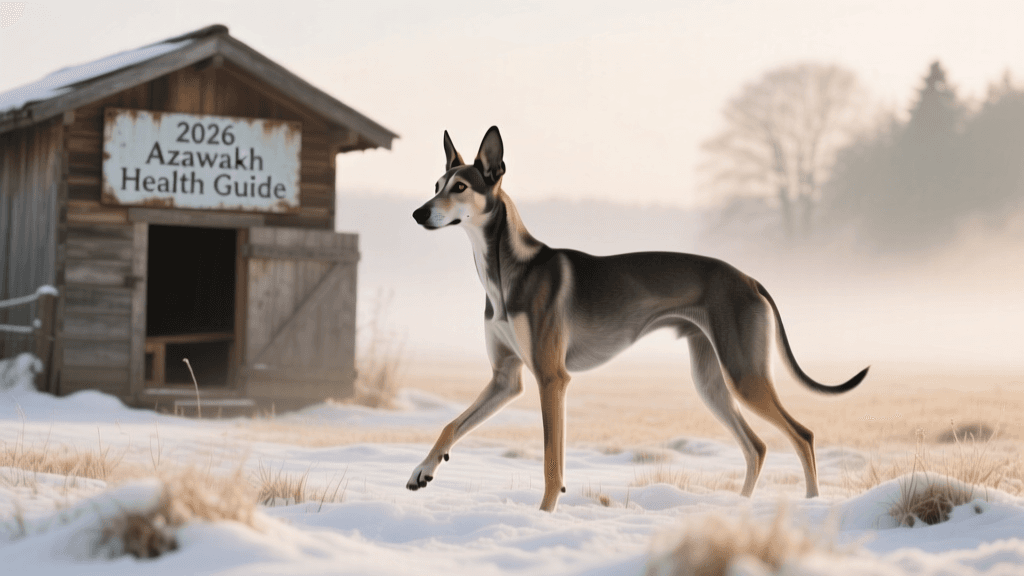
The Azawakh evolved in the harsh, blistering heat of the Sahara and Sahel. Consequently, they possess virtually no natural insulation against the cold. In 2026, canine sports medicine and welfare organizations emphasize that an Azawakh should never be left outdoors in cool or cold weather. Even temperatures below 60°F (15°C) can cause discomfort, and anything near freezing is a severe health hazard.
Investing in high-performance canine outerwear is not a luxury; it is a medical necessity for this breed in non-tropical climates. Leading 2026 gear brands like Hurtta and Ruffwear offer specialized sighthound coats that accommodate their deep chests and long necks. The Hurtta Expedition Parka or the Ruffwear Overcoat Fuse are excellent choices, providing core warmth without restricting their long-strided gait. Additionally, paw protection is vital. Cold pavement and ice-melting chemicals can quickly damage their sensitive paw pads. Applying a high-quality, beeswax-based paw balm like Musher’s Secret before winter walks, or utilizing custom-fitted silicone dog booties, will prevent frostbite and chemical burns.
Mental Health, Exercise, and Secure Containment
Physical health is only half the equation; the mental wellbeing of an exotic hunting breed requires dedicated effort. The Azawakh is an independent, aloof, and highly intelligent thinker. They are not eager-to-please retrievers; they are partners who require respect and mental engagement. Boredom in an Azawakh can quickly lead to destructive behaviors or severe anxiety.
Daily off-leash running in a securely fenced area is mandatory for their joint and cardiovascular health. However, their prey drive is intense and instantaneous. A standard 4-foot fence is entirely insufficient; a minimum 6-foot fence with dig-proof barriers at the base is required to keep them safe. When hiking in unfenced areas, utilizing a 2026-model GPS tracking collar, such as the Fi Series 4 or the latest Whistle Go, provides an essential safety net, allowing you to track their location in real-time via satellite if they bolt after wildlife.
For mental stimulation, lure coursing and fast CAT (Coursing Ability Test) events are the ultimate outlets for their natural instincts. These activities allow them to utilize their explosive speed and agility in a controlled, safe environment, satisfying their deep-seated biological imperatives while strengthening the bond between dog and handler.
Final Thoughts on Exotic Breed Stewardship
Owning an Azawakh is a profound commitment to preserving and respecting an ancient, exotic lineage. By adhering to specialized sighthound nutritional plans, insisting on breed-safe veterinary anesthesia protocols, and providing rigorous environmental protection against the cold, you ensure that your desert hound can thrive in the modern world. For more detailed information on the breed's international standard and history, refer to the official AKC Azawakh breed profile. As we move through 2026, the key to successful Azawakh ownership remains education, proactive veterinary care, and a deep appreciation for their unique, wild-at-heart nature.
jonas-cole
All our authors care for dogs every day — read more of their work on the authors page.