Best Quiet Apartment Dog Breeds & Wellness Care 2026
Discover the best quiet dog breeds for apartments in 2026 and learn essential mental health, enrichment, and stress-prevention tips for small-space living.
The Rise of Urban Canine Wellness in 2026
As urbanization continues to reshape our living spaces in 2026, apartment dwellers are increasingly seeking quiet dog breeds to maintain harmony with neighbors and comply with strict municipal noise ordinances. While a dog that rarely barks seems like the perfect solution for close-quarters living, veterinary behaviorists warn of a hidden health risk: silent stress. Unlike vocal breeds that release tension through barking or whining, many quiet breeds internalize their anxiety, leading to elevated cortisol levels, compulsive behaviors, and stress-induced gastrointestinal issues. Understanding the unique mental health and physical wellbeing needs of these low-vocalization breeds is critical for any apartment dweller.
The Silent Stress Epidemic in Low-Vocalization Breeds
When a dog barks, it is communicating a need, a boundary, or a reaction to a stimulus. Quiet breeds, such as the Greyhound, Shiba Inu, or Basenji, often possess a high stoicism. While this makes them excellent apartment companions from a noise perspective, it means owners must become adept at reading subtle canine body language. According to the Texas A&M College of Veterinary Medicine, dogs that do not vocalize their distress when left alone may still be experiencing severe separation anxiety, manifesting instead through destructive chewing, excessive licking, or complete shutdown. In 2026, preventative veterinary care heavily emphasizes monitoring Heart Rate Variability (HRV) via smart biometric collars to detect silent stress spikes in stoic breeds before they develop into chronic health conditions.
Top Quiet Apartment Breeds and Their Specific Health Profiles
Choosing a quiet breed requires looking beyond their noise level to understand their specific physiological and psychological needs in a small space. Below is a comparison of popular quiet breeds and their primary wellness focuses for apartment living.
| Breed | Energy Level | Mental Enrichment Need | Primary Health Focus |
|---|---|---|---|
| Greyhound | Low (Sprint-based) | Moderate | Joint Care & Temperature Regulation |
| Cavalier King Charles Spaniel | Low to Moderate | Low | Cardiac & Syringomyelia Screening |
| Shiba Inu | Moderate | High | Allergies & Patellar Luxation |
| Basset Hound | Low | Moderate (Scent) | Weight Management & Ear Care |
| Borzoi | Low (Indoor) | High (Visual/Scent) | Bloat Prevention & Spinal Care |
1. The Greyhound - The 45-MPH Couch Potato
Greyhounds are famously quiet and sleep up to 18 hours a day, making them ideal for small apartments. However, their lack of vocalization and low indoor energy can lead to severe weight gain if owners mistake their lethargy for a lack of need for structured exercise. Wellness Tip: Greyhounds require short, intense sprints in a secure, enclosed area twice a week to maintain cardiovascular health and muscle mass. In an apartment, their primary health risk is joint stiffness from hard floors. Invest in orthopedic memory foam bedding to prevent pressure sores on their bony prominences.
2. Cavalier King Charles Spaniel - The Empathic Companion
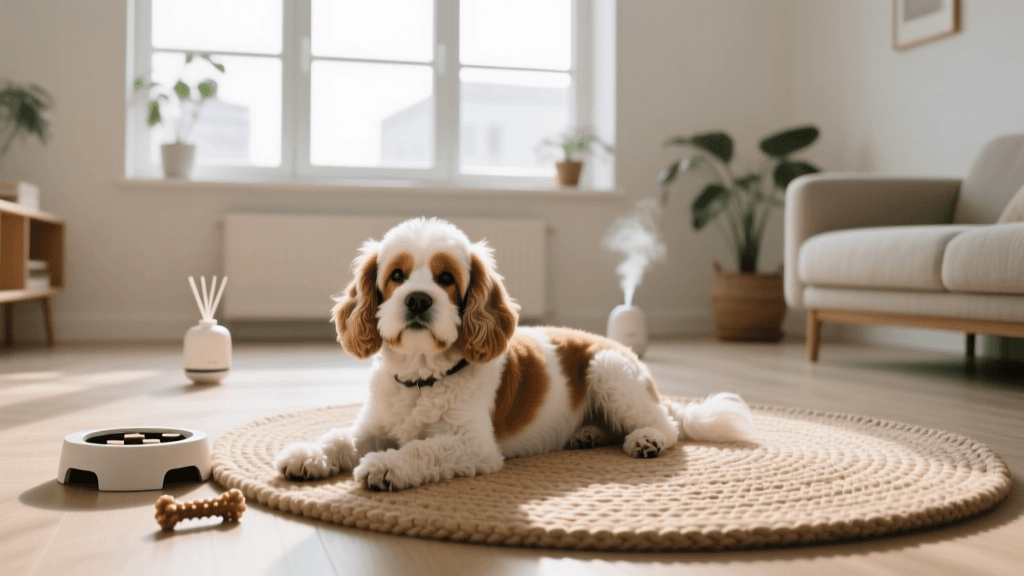
Cavaliers are incredibly quiet, gentle, and bond deeply with their owners. Their primary health concern in 2026 remains mitral valve disease and syringomyelia. Because they are so attuned to their owners, they are highly prone to silent separation anxiety. If you work long hours outside the apartment, a Cavalier may not bark, but they will internally suffer. Wellness Tip: Implement a rigorous desensitization routine for your departures and arrivals. Utilize calming pheromone diffusers and leave them with interactive, low-stress enrichment toys to maintain their emotional baseline.
3. Shiba Inu - The Independent Thinker
Shibas are known for being clean, quiet, and cat-like. However, their high intelligence and independence mean they require significant mental stimulation to prevent boredom-related destructive behaviors. Wellness Tip: Mental fatigue is just as important as physical exercise for a Shiba. Engage them in daily indoor scent-work games and utilize automated puzzle feeders that require problem-solving to dispense meals, keeping their cognitive functions sharp and staving off apartment-induced lethargy.
Joint Health and Ergonomics in Small Spaces
Living in an apartment often means navigating slippery hardwood floors, tight stairwells, and limited space for full-body stretching. For quiet, low-energy breeds like the Basset Hound or the Borzoi, environmental ergonomics play a massive role in long-term orthopedic health. Basset Hounds, with their heavy bone structure and elongated spines, are highly susceptible to intervertebral disc disease (IVDD). Slippery floors can cause micro-traumas to their joints over time. Wellness Tip: Cover high-traffic apartment areas with interlocking foam mats or low-pile, non-slip area rugs. Furthermore, invest in orthopedic ramps for furniture access. Allowing a long-backed or giant breed to repeatedly jump on and off an apartment sofa is a recipe for chronic spinal injuries. Providing structured, low-impact physical therapy exercises, such as controlled cavaletti pole walking in your living room, can significantly improve proprioception and core strength, safeguarding your dog's mobility well into their senior years.
2026 Apartment Enrichment Strategies for Quiet Dogs
To prevent the buildup of silent stress, apartment owners must provide robust mental enrichment. The American Kennel Club emphasizes that mental stimulation can tire a dog out just as effectively as a long walk, which is crucial for those living in high-rises without immediate yard access.
- Snuffle Mats and Foraging: Hiding kibble in a dense snuffle mat taps into a dog's natural foraging instincts. This slows down eating (preventing bloat in deep-chested breeds like Greyhounds) and provides immense mental satisfaction.
- Lick Mats for Cortisol Reduction: Repetitive licking releases endorphins in the canine brain. Spreading dog-safe peanut butter or plain pumpkin puree on a textured lick mat and freezing it provides a long-lasting, calming activity when you leave the apartment.
- Indoor Scent Trails: You do not need a yard for scent work. Drag a high-value treat across your apartment floor and hide it in increasingly difficult spots. This engages the olfactory cortex, providing deep neurological enrichment.
Managing Separation Anxiety Without Vocal Cues
Because your quiet dog will not bark to alert you to their distress, you must proactively manage their environment. The ASPCA's guidelines on separation anxiety recommend creating a safe space that mimics your presence. In 2026, this includes utilizing smart pet cameras equipped with two-way audio and automated treat tossers to interrupt anxious pacing before it escalates. Additionally, consult your veterinarian about holistic calming supplements. Ingredients like L-theanine, hemp-derived CBD, and colostrum calming complexes have shown excellent efficacy in reducing baseline anxiety in stoic breeds without the sedative effects of traditional pharmaceuticals.
Conclusion
Living in an apartment with a quiet dog breed is a rewarding experience, but it demands a proactive approach to canine wellness. By recognizing that a lack of barking does not equal a lack of stress, you can implement targeted mental enrichment, physical therapies, and environmental modifications to ensure your stoic companion thrives. Prioritize their mental health, invest in biometric monitoring, and embrace the unique, quiet bond you share with your urban canine companion.
jonas-cole
All our authors care for dogs every day — read more of their work on the authors page.