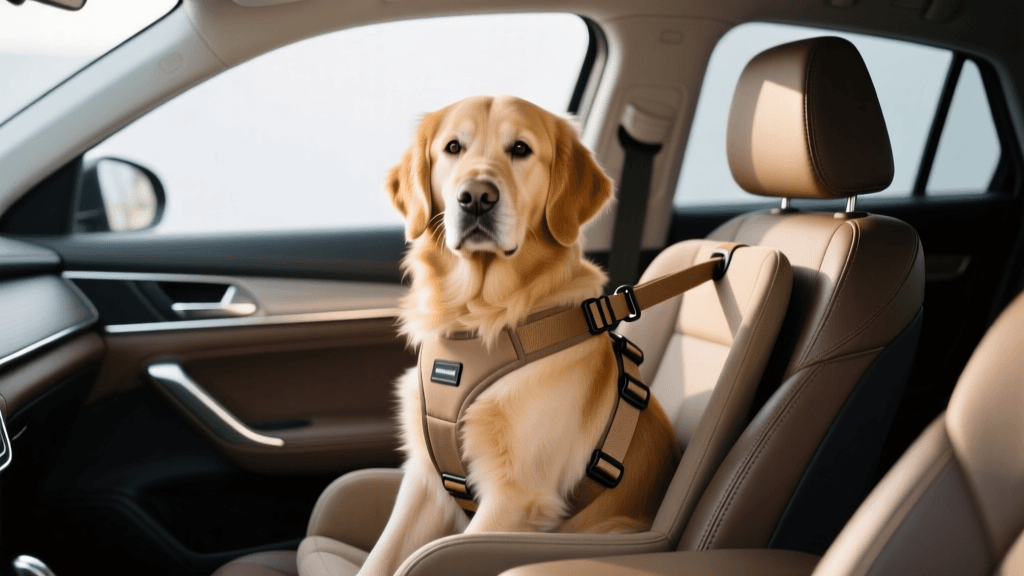
How to Stop Leash Reactivity: Diagnosis and Solutions
Is your dog lunging and barking on walks? Learn how to diagnose leash reactivity and apply proven, step-by-step training solutions for peaceful strolls.
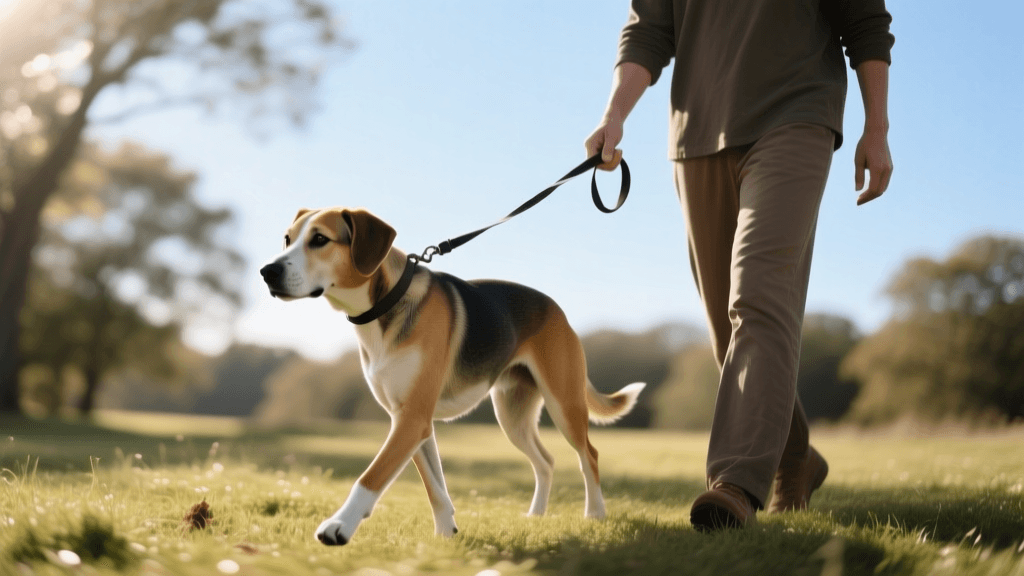
The Daily Walk Dilemma: Understanding Leash Reactivity
For many dog owners, the daily walk is a source of immense stress rather than relaxation. If your dog lunges, barks, growls, or pulls frantically at the sight of other dogs, humans, or even moving vehicles, you are dealing with leash reactivity. This common behavioral issue can make sharing your life with a dog feel isolating and exhausting. However, reactivity is not a sign of a 'bad' dog; it is a symptom of an underlying emotional response. By accurately diagnosing the root cause and implementing structured, reward-based training solutions, you can transform your chaotic walks into peaceful bonding experiences.
Diagnosing the Root Cause: Fear vs. Frustration
Before applying any training solution, you must diagnose why your dog is reacting. According to VCA Animal Hospitals, leash reactivity generally stems from two distinct emotional states: fear or barrier frustration. Misdiagnosing the cause can lead to training methods that inadvertently make the problem worse.
Fear-Based Reactivity
A fear-reactive dog is essentially saying, 'I feel trapped, and I need that scary thing to go away.' The leash acts as a physical barrier that prevents the dog from utilizing their natural flight response. Because they cannot run away, they resort to a 'fight' display to increase the distance between themselves and the trigger. Signs of fear-based reactivity include a tucked tail, pinned-back ears, a lowered body posture, and lunging that is followed by immediate retreating or hiding behind the handler.
Frustration-Based Reactivity
Conversely, a frustration-reactive dog (often called 'barrier frustrated') is highly social and desperately wants to greet the trigger. The leash restrains them from doing what they want, leading to an explosive outburst of barking and pulling. Signs of frustration include a wagging tail, play bows, whining, pulling forward with a loose, wiggly body, and immediate calming if the leash is dropped or the trigger approaches. Understanding this distinction is critical for your treatment plan.
The Gear Audit: Setting Up for Success
You cannot train a reactive dog effectively if your equipment is working against you. Before stepping outside, audit your walking gear. Avoid retractable leashes entirely; they teach dogs that pulling yields more leash, and the thin cord can cause severe friction burns if your dog lunges suddenly. Furthermore, avoid aversive tools like prong collars, choke chains, or e-collars. Punishing a reactive dog for lunging only confirms their belief that the trigger is dangerous, escalating fear-based aggression over time.
Instead, invest in the following humane, control-focused gear:
- Front-Clip Harness: A harness with a leash attachment point on the chest (such as the Ruffwear Front Range Harness, costing approximately $40) gently redirects the dog's momentum back toward you when they pull, preventing them from using their full body weight to drag you.
- 6-Foot Biothane or Leather Leash: A standard 6-foot leash (like those from Mendota Products, $25-$35) gives your dog enough slack to sniff and relax, but keeps them close enough for you to manage emergencies. Biothane is highly recommended because it is waterproof, easy to sanitize, and does not slip through your hands like nylon when your dog suddenly pulls.
- High-Value Treat Pouch: Dry kibble will not compete with the adrenaline of a trigger. Use a dedicated treat pouch filled with boiled chicken breast, hot dogs, or freeze-dried beef liver. The treats must be pea-sized for rapid consumption.
Actionable Training Solutions
Once you have the right gear and understand the 'why,' you can begin the 'how.' The goal of reactivity training is not to force your dog to sit perfectly still while a trigger passes; the goal is to change their emotional response (counter-conditioning) and teach them alternative coping behaviors.
1. The Engage-Disengage Game (Look At That)
This is the gold standard protocol for fear and frustration-based reactivity. It teaches your dog that looking at a trigger predicts a reward from you, rather than a confrontation.
- Find the Threshold: Start at a distance where your dog notices the trigger but does not react (no barking, no stiffening). This is called being 'under threshold.'
- Mark the Engagement: The exact moment your dog looks at the trigger, use a marker word like 'Yes!' or click a clicker. Your timing must be precise—within 0.5 seconds of them looking.
- Deliver the Reward: Immediately feed a high-value treat. Deliver the treat away from the trigger, encouraging your dog to turn their head and disengage to eat.
- Repeat and Decrease Distance: Over multiple sessions, as your dog begins to voluntarily look at the trigger and then immediately look back at you for a treat, you can gradually decrease the distance by a few feet.
2. The Emergency U-Turn
Sometimes, a trigger appears too suddenly, or an off-leash dog approaches you. You need an escape route. Teach the Emergency U-Turn in your living room first, where there are zero distractions.
Say your cue word ('Let's Go!'), take one step backward, pivot 180 degrees, and encourage your dog to follow you by tossing a treat on the floor in the new direction. Practice this until your dog follows your pivot instantly. On the street, this maneuver allows you to quickly create distance from a sudden trigger, keeping your dog under threshold and preventing a reactive outburst.
Managing Trigger Stacking
A critical concept in reactivity diagnosis is 'trigger stacking.' According to Fear Free Pets, when a dog experiences multiple mild stressors in a short period, their cortisol and adrenaline levels compound. A dog might ignore a skateboard, tolerate a loud truck, but then explode at a distant dog because their stress 'bucket' has overflowed. Cortisol can remain elevated in a dog's bloodstream for up to 72 hours after a severe reactive episode. If your dog has a bad reaction on a Tuesday walk, they are biologically primed to be more reactive on Wednesday and Thursday. Solution: After a major reactive episode, give your dog 48 to 72 hours of 'decompression' with no forced exposure to triggers. Replace walks with indoor sniffing games, puzzle toys, and backyard sniffaris.
Reactivity Thresholds and Action Plan
Use this structured table to diagnose your dog's current state and apply the correct immediate action during your daily walks.
| Dog's State | Physical Signs | Distance to Trigger | Immediate Action Plan |
|---|---|---|---|
| Under Threshold (Green Zone) | Loose body, soft eyes, taking treats gently, able to sniff. | Far (e.g., 50+ feet) | Play Engage-Disengage. Reward heavily for calm observation. |
| At Threshold (Yellow Zone) | Stiffening, closed mouth, staring, taking treats harshly or refusing them. | Medium (e.g., 20-30 feet) | Stop training. Increase distance immediately. Use happy talk to disengage. |
| Over Threshold (Red Zone) | Barking, lunging, snarling, completely ignoring food and handler. | Too Close (e.g., 10 feet) | Execute Emergency U-Turn. Do not punish. Remove dog from the situation to let adrenaline drop. |
Environmental Management
Training takes months, but management is required today. To prevent your dog from practicing reactive behaviors while you work on training, alter your daily routine. Walk your dog during 'off-peak' hours, such as early morning (before 7:00 AM) or late evening (after 9:00 PM) when foot and dog traffic are minimal. Map out routes that avoid narrow sidewalks, dog parks, and schoolyards. Utilize visual barriers like parked cars or hedges to block your dog's line of sight to approaching triggers until they are far enough away to pass safely.
When to Seek Professional Help
While many dogs improve with consistent management and counter-conditioning, some cases require professional intervention. If your dog has a bite history, if their reactivity is causing you physical injury, or if you are not seeing improvement after four weeks of consistent practice, it is time to hire a professional. The ASPCA recommends seeking out a Certified Applied Animal Behaviorist (CAAB) or a veterinary behaviorist (DACVB) rather than a traditional obedience trainer. These experts are uniquely qualified to diagnose complex behavioral issues, rule out underlying medical causes of pain-induced aggression, and create customized, safe behavior modification plans. Remember, sharing your life with a reactive dog is a marathon, not a sprint. With patience, the right gear, and a compassionate understanding of your dog's emotional state, you can both learn to enjoy the walk again.
beth-carrasco
All our authors care for dogs every day — read more of their work on the authors page.