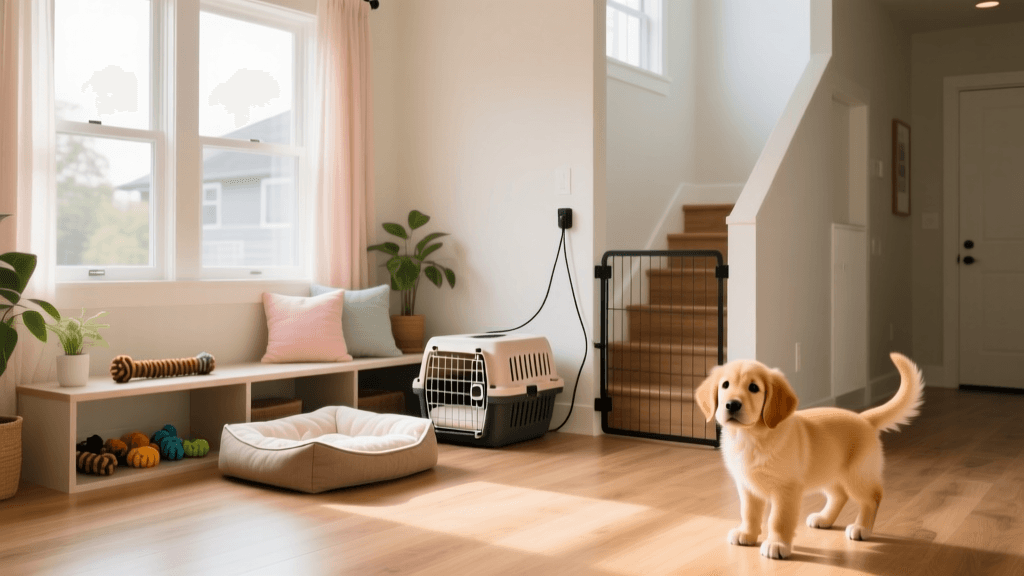
Preparing Your Apartment for a New Dog: Urban Guide
Learn how to prepare your apartment for a new dog with expert tips on space optimization, indoor potty setups, and noise control for urban living.

The Unique Challenges of Urban Dog Ownership
Bringing a new dog into an apartment or high-rise condo is an exciting milestone, but it presents a unique set of challenges that suburban or rural dog owners rarely face. Without a private, fenced-in backyard, urban pet parents must be highly intentional about space optimization, potty logistics, and noise management. According to the American Kennel Club's comprehensive puppy-proofing guide, preparing your environment before your dog arrives is the single most important step in preventing destructive behaviors and ensuring a safe transition. This guide will walk you through the exact steps, products, and routines needed to transform your compact urban space into a canine-friendly sanctuary.
Puppy-Proofing a Compact Apartment Space
Apartments often feature open-concept layouts, exposed wiring, and toxic houseplants that can pose severe risks to curious puppies and adult dogs alike. Because square footage is limited, your dog will spend a significant amount of time in close proximity to your belongings.
Managing Cords and Vertical Hazards
Dogs, especially teething puppies, are notorious for chewing on electrical cords and internet cables. Invest in heavy-duty cord concealers like the D-Line Cable Management Kit (approximately $15-$25 on Amazon). These hard-plastic channels adhere to your baseboards and completely enclose wires, preventing both chewing and accidental strangulation. Additionally, secure your television and bookshelves to the wall using anti-tip furniture straps. In a small apartment, a dog jumping on a piece of unstable furniture can lead to catastrophic injuries.
Rethinking Your Houseplants
Urban dwellers love houseplants to bring nature indoors, but many popular varieties are highly toxic to dogs. The ASPCA's Toxic and Non-Toxic Plants list highlights that common apartment staples like Monstera Deliciosa, Pothos, Snake Plants, and Peace Lilies can cause severe gastrointestinal distress, oral irritation, and even organ failure if ingested. Replace these with dog-safe alternatives such as Spider Plants, Boston Ferns, Calatheas, and Parlor Palms. If you must keep toxic plants, place them on high, floating shelves that are completely inaccessible, keeping in mind that some dogs are exceptional climbers and jumpers.
Strategic Space Gating
In an apartment, you cannot always close doors to keep the dog out of the kitchen or bathroom. Pressure-mounted baby gates are ideal for renters because they require no drilling. The Regalo Easy Step Walk-Thru Gate (around $40) is a top choice for standard apartment doorways. Use gates to create a designated 'puppy zone' or to block off the kitchen when you are cooking or away from home, preventing counter-surfing and trash-raiding incidents.
The High-Rise Potty Dilemma: Balcony vs. Indoor vs. Outdoors
The most daunting aspect of apartment dog ownership is potty training. Relying solely on outdoor walks means navigating elevators, lobbies, and busy city streets every time your dog needs to relieve themselves. This can be exhausting and leads to indoor accidents if the elevator is delayed or the weather is severe.
Setting Up a Balcony Potty Station
If your apartment has a balcony or patio, this is your best option for a secondary potty area. Real grass delivery services like Fresh Patch or DoggieLawn ($30 to $60 per month, depending on size) deliver hydroponically grown grass in a cardboard tray directly to your door. The grass naturally absorbs odors, and the tray is disposable. Alternatively, you can build a custom DIY balcony potty using a shallow plastic drainage tray, a raised grate, and synthetic pet turf. Ensure your balcony is completely enclosed with pet-safe mesh or plexiglass to prevent small dogs from slipping through railing gaps or falling.
Indoor Potty Options for Ground-Floor or Windowless Units
If you lack outdoor access, you must establish an indoor potty zone. Avoid flimsy disposable pee pads, as dogs often drag them around or mistake similar textures (like bath mats) for potty spots. Instead, opt for a structured indoor system:
- UgoDog ($40-$50): A raised plastic grate system that holds washable pads underneath. It keeps your dog's paws dry and prevents tearing.
- Rocket & Rex Washable Pads ($25 for a 2-pack): Heavy-duty, reusable fabric pads that are far more absorbent than disposable ones and can be thrown in the washing machine.
- Potty Bells: Hang a set of Mighty Paw Potty Bells ($15) on your door handle. Train your dog to ring them when they need to go out, which is crucial for preventing accidents when you have your headphones on or are in another room.
Comparison of Apartment Potty Solutions
| Potty Method | Estimated Cost | Pros | Cons |
|---|---|---|---|
| Outdoor Walks Only | $0 (Time-intensive) | Provides exercise; no indoor mess. | Requires immediate exit; weather dependent; elevator delays cause accidents. |
| Balcony Real Grass | $30-$60 / month | Natural odor control; highly attractive to dogs; easy disposal. | Requires a balcony; recurring subscription cost; can attract balcony bugs. |
| Indoor Grate System | $40 upfront | Weatherproof; reusable; keeps paws clean. | Requires frequent washing; can harbor odor if not cleaned daily. |
| Washable Pee Pads | $25 upfront | Eco-friendly; highly absorbent; cheap. | Dogs may dig or drag them; requires laundry access. |
Noise Control: Keeping the Peace with Shared Walls
In an apartment, you share walls, floors, and ceilings with your neighbors. A barking dog can quickly lead to noise complaints, strained relationships, and even lease violations. Managing noise requires both environmental modifications and behavioral training.
Sound Dampening Decor
Hardwood and laminate floors, common in modern apartments, amplify the sound of dog nails clicking and toys dropping. Layer your living space with thick, washable area rugs. Brands like Ruggable ($150-$300) offer stylish, machine-washable rugs with thick pads that significantly dampen impact noise for the neighbors living below you. Additionally, hang heavy blackout curtains over your windows to absorb ambient city noise that might trigger your dog's alert barking.
Masking Hallway Triggers
Dogs in apartments often bark reactively at the sounds of footsteps, talking, or keys jingling in the hallway. To combat this, use a white noise machine like the Hatch Restore (approximately $130) or a simple Marpac Dohm ($50). Place the machine near your front door to create an acoustic buffer that masks sudden hallway noises. You can also play classical music or specially designed canine calming tracks, such as those found in the 'Through a Dog's Ear' audio series, which have been clinically shown to lower a dog's heart rate and reduce anxiety.
Desensitization Training
Do not just rely on gadgets; actively train your dog to ignore hallway noises. Record the sounds of doors closing and people walking on your phone. Play these sounds at a very low volume while feeding your dog high-value treats like boiled chicken or freeze-dried liver. Gradually increase the volume over several weeks. This counter-conditioning teaches your dog that scary hallway noises actually predict delicious rewards, significantly reducing reactive barking.
Elevator Etiquette and Urban Socialization
Navigating shared spaces like elevators, lobbies, and narrow hallways requires strict etiquette and training to ensure safety and comfort for everyone in your building.
Mastering the Elevator Ride
Elevators are confined spaces where dogs can easily feel trapped, leading to fear-based aggression or excessive excitement. Before your dog is fully trained, avoid crowded elevators. Opt for the stairs or wait for an empty car. When inside the elevator, keep your dog on a short leash and command them to 'sit' or 'place' on a designated mat in the corner. Never allow your dog to rush out the moment the doors open; teach a solid 'wait' command until you give the release cue. This prevents your dog from startling a neighbor or darting into a busy lobby.
Lobby and Hallway Encounters
Urban living means frequent, unexpected encounters with other dogs and people. Practice the 'U-Turn' command in your living room so you can quickly pivot and walk away if you see a reactive dog or a fearful neighbor in the hallway. Always yield the right of way in narrow corridors, stepping into a doorway or pressing against the wall to give others ample space to pass. By being a proactive and courteous neighbor, you help foster a dog-friendly community in your building.
Conclusion
Preparing an apartment for a new dog requires more upfront effort and strategic planning than preparing a suburban home, but the rewards of urban dog ownership are immense. By investing in smart puppy-proofing solutions, establishing a reliable potty routine that bypasses the elevator bottleneck, and proactively managing noise, you can create a harmonious environment. Your dog will thrive in your compact space, and your neighbors will appreciate your dedication to responsible, considerate urban pet ownership.
tom-renshaw
All our authors care for dogs every day — read more of their work on the authors page.