Apartment Dog Fitness: Indoor Exercise and Joint Care
Discover practical indoor exercises, joint health tips, and space-saving gear to keep your apartment dog physically and mentally fit in urban environments.
The Unique Challenges of Urban Canine Health
Living in a bustling city or a high-rise apartment offers incredible convenience and vibrant culture for pet owners, but it also presents a unique set of challenges for canine health and wellbeing. Unlike their suburban counterparts who may have sprawling, fenced-in backyards for free roaming, urban dogs rely heavily on their owners for structured outdoor time. This often translates to leashed walks on unforgiving concrete sidewalks, quick elevator trips for potty breaks, and long hours spent indoors on slippery hardwood or laminate floors. According to the American Veterinary Medical Association (AVMA), environmental factors and exercise limitations play a significant role in the long-term musculoskeletal health and mental stimulation of domestic dogs. When living in an apartment, proactive measures regarding indoor fitness and joint care are not just optional; they are essential for ensuring your dog lives a long, pain-free, and enriched life.
The Impact of Hard Surfaces on Canine Joints
One of the most overlooked hazards of apartment living is the flooring. Most modern rentals and condos feature hardwood, tile, or laminate flooring. While aesthetically pleasing and easy to clean, these surfaces offer virtually zero traction for dog paws. Every time a dog scrambles to stand up, turns sharply, or plays fetch in a hallway, their joints experience unnatural micro-traumas. Over time, this repetitive slipping can exacerbate hip dysplasia, contribute to patellar luxation, and increase the risk of cranial cruciate ligament (CCL) tears.
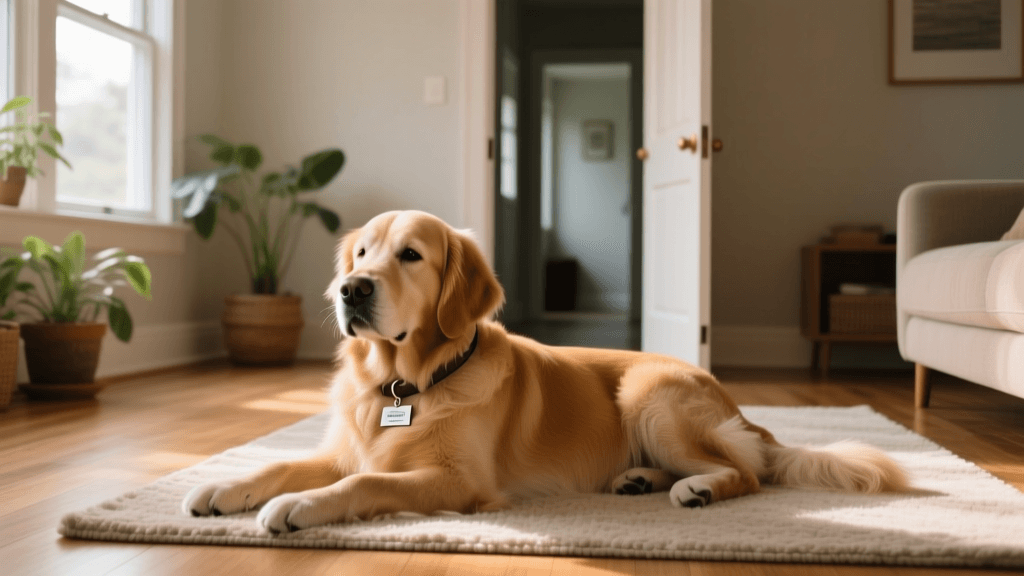
To mitigate this, apartment dwellers must create 'safe zones' of traction. Investing in high-quality, non-slip area rugs or interlocking foam puzzle mats (often used in home gyms) can drastically improve your dog's indoor mobility. Aim to cover at least 60% of your dog's primary living and play areas with rugs that have a rubberized, non-slip backing. Interlocking EVA foam mats cost approximately $1.00 to $1.50 per square foot and provide both traction and orthopedic cushioning, which is especially beneficial for senior dogs or breeds prone to joint issues like German Shepherds and Golden Retrievers.
Space-Saving Indoor Exercise Equipment
When the weather is extreme or your schedule prevents long outdoor excursions, indoor exercise equipment becomes a lifeline for burning off your dog's excess energy. The key is selecting gear that offers a high return on physical exertion while maintaining a small footprint in your apartment. Below is a comparison of the most effective indoor fitness tools for urban dogs:
| Equipment | Approx. Cost | Space Required | Joint Impact | Best For |
|---|---|---|---|---|
| Dog Treadmill (e.g., dogPACER LF 3.1) | $600 - $800 | 6 x 2 ft | Low to Moderate | High-energy breeds, severe weather days |
| Indoor Agility Set (e.g., Outward Hound ZipZoom) | $70 - $90 | 10 x 3 ft (adjustable) | Moderate | Mental stimulation, agility, bonding |
| Snuffle Mat (e.g., PAW5 Wooly) | $40 - $50 | 2 x 2 ft | None (Mental) | Foraging instincts, slowing down fast eaters |
| Spring Pole / Door Tug Mount | $30 - $50 | Vertical door space | High (Neck/Shoulders) | Powerful chewers, terriers, pit bulls |
While a canine treadmill requires a significant upfront financial investment and a dedicated corner of your living space, it provides unparalleled cardiovascular conditioning. Conversely, a snuffle mat costs less than $50, takes up minimal space, and can tire a dog out mentally just as effectively as a two-mile walk. Mental fatigue is a crucial component of urban dog wellness, as boredom in confined spaces often leads to destructive behaviors and noise complaints from neighbors.
Low-Impact Indoor Workouts for Small Spaces
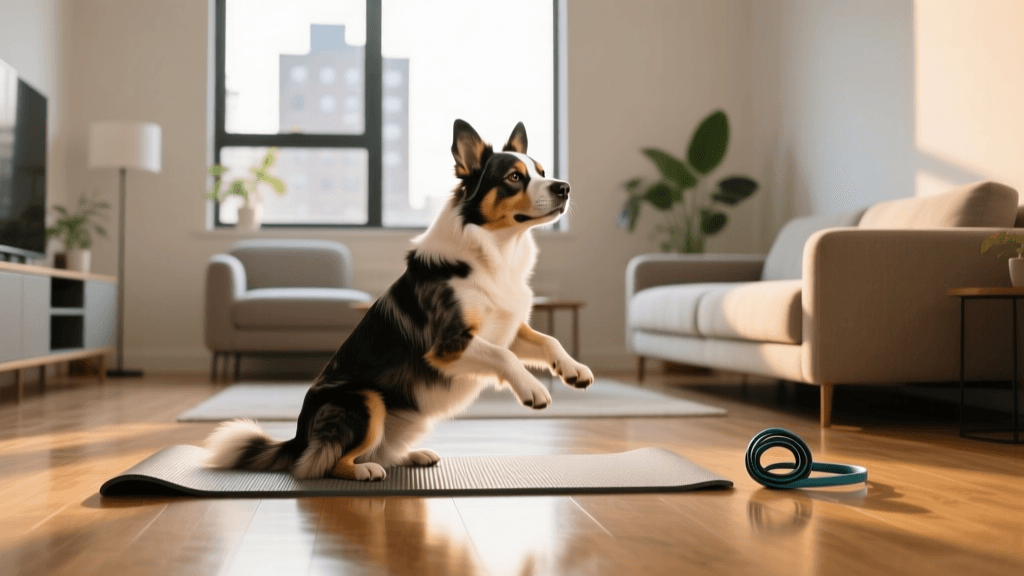
You do not need expensive equipment to keep your apartment dog fit. By utilizing the existing architecture of your home and incorporating structured play, you can provide a rigorous, low-impact workout.
1. The 'Find It' Scent Game
Scent work engages the largest part of a dog's brain. Hide high-value treats (like freeze-dried liver or small pieces of boiled chicken) around your apartment. Start with obvious locations and gradually increase the difficulty by hiding them under rugs, behind furniture legs, or inside empty cardboard boxes. A 15-minute intensive sniffing session can burn as many calories as a 45-minute leisurely walk, all while keeping your dog's joints safe from the impact of running on hard floors.
2. Carpeted Stair Climbing
If your apartment building or duplex has carpeted stairs, you have a built-in gym. Walking up stairs engages the hindquarters, glutes, and lower back muscles, which are vital for supporting the spine and hips. Caution: Only encourage walking up the stairs. Descending stairs places immense braking force on the cranial cruciate ligament and the front shoulders. Carry your dog down, or use the elevator for the descent, and walk them up for 3 to 5 repetitions per session.
3. Structured Tug-of-War
Tug is an excellent anaerobic exercise that builds neck and core strength. Use a long, braided fleece tug toy (at least 18 inches long to keep your hands safe from teeth). Keep the toy low to the ground to prevent your dog from whipping their neck upward, which can cause cervical spine strain. Implement strict 'drop it' commands to maintain control and ensure the game remains a structured training exercise rather than an arousal frenzy.
'Urban dogs don't necessarily need more space; they need more intentionality. Ten minutes of focused, interactive indoor play is vastly superior to an hour of being ignored in a dog park.'
— Canine Rehabilitation Therapy Principles
Protecting Paws and Joints on City Streets
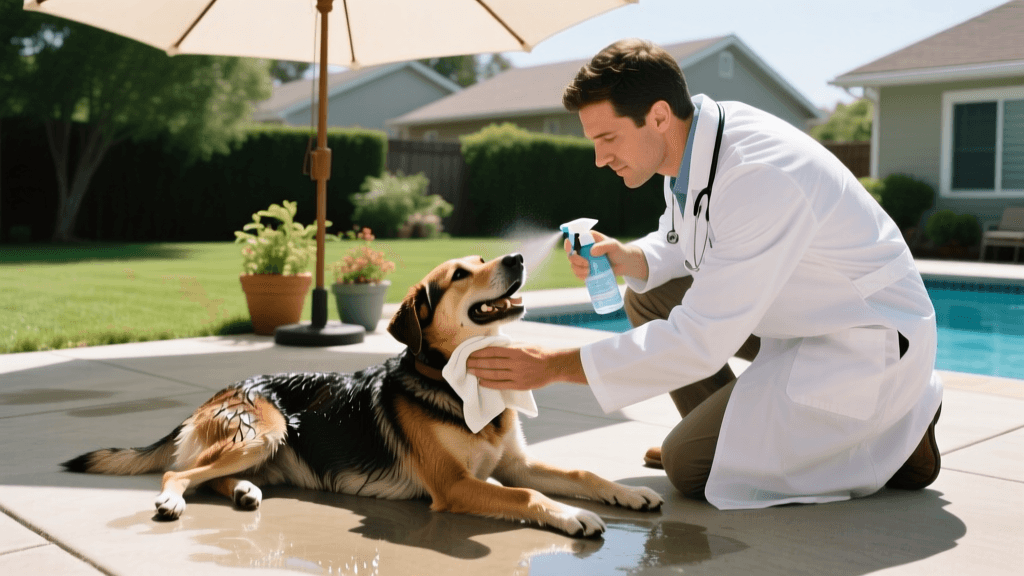
When you do venture out of the apartment, the urban landscape is fraught with environmental hazards. The Centers for Disease Control and Prevention (CDC) notes that environmental hazards, including extreme temperatures and chemical exposures, are leading causes of preventable veterinary visits for urban pets. In the summer, asphalt can reach temperatures exceeding 140°F (60°C), capable of causing severe third-degree burns on canine paw pads within seconds. In the winter, the rock salt and chemical de-icers used by city municipalities can cause painful cracking, chemical burns, and systemic toxicity if licked off the paws.
To protect your dog's paws, apply a high-quality paw wax like Musher's Secret (approx. $15 per tin) before every walk. This creates a semi-permeable shield against salt and hot surfaces. For ultimate protection, invest in a set of rugged dog boots, such as the Ruffwear Grip Trex (approx. $95 for a set of four). Furthermore, the repetitive impact of walking on concrete accelerates joint wear. If your daily urban walks exceed two miles on pavement, consider providing your dog with joint-supportive footwear with shock-absorbing soles, or limit pavement walking in favor of seeking out local city parks with dirt or grass trails.
Nutrition and Supplements for the Urban Dog
Because apartment dogs may experience fluctuations in their daily exercise routines—getting 10 miles of hiking on the weekend but only three 15-minute potty walks during a busy workweek—they are highly susceptible to weight gain. Obesity is the number one enemy of canine joint health, as excess weight exponentially increases the mechanical load on the hips and knees. The ASPCA emphasizes that maintaining a lean body condition score is the most effective preventive measure against osteoarthritis.
Beyond caloric management, targeted supplementation can fortify your urban dog's joints against the rigors of city living. Consider integrating the following into your dog's daily regimen:
- Omega-3 Fatty Acids (EPA and DHA): Sourced from wild-caught salmon or krill oil, Omega-3s are potent natural anti-inflammatories. Aim for a combined EPA/DHA dose of roughly 75-100 mg per 10 lbs of body weight daily to combat joint inflammation.
- Glucosamine and Chondroitin: Products like Dasuquin or Cosequin provide the building blocks for cartilage repair and synovial fluid production. These are especially critical for large-breed dogs living in walk-up apartments where stair climbing is a daily necessity.
- Green-Lipped Mussel Extract: A holistic, nutrient-dense supplement that contains natural glycosaminoglycans (GAGs) and ETA (a rare Omega-3), highly effective for managing urban-induced joint stiffness.
Conclusion: Thriving in the Concrete Jungle
Raising a healthy, well-adjusted dog in an apartment requires a shift in perspective. It demands that owners become highly intentional about traction, mental enrichment, and joint preservation. By investing in non-slip flooring, utilizing space-saving indoor fitness equipment, engaging in structured scent and stair workouts, and fiercely protecting your dog's paws from urban hazards, you can transform your small space into a sanctuary of wellness. Urban living does not have to mean a compromise on your dog's physical health; with the right strategies, your apartment dog can thrive just as vibrantly as any backyard explorer.
anouk-beaumont
All our authors care for dogs every day — read more of their work on the authors page.