The Ultimate Guide to Apartment Dog Breeds and Setup
Discover the best dog breeds for apartments, space-saving gear, indoor potty solutions, and puppy-proofing tips for urban high-rise living.

Introduction to Urban Dog Ownership
Living in a bustling city or a high-rise apartment doesn't mean you have to sacrifice the joy of dog ownership. However, urban environments present unique challenges that suburban or rural dog owners rarely face. Shared walls, limited square footage, busy streets, and the logistics of elevator rides for potty breaks all require strategic planning. Before bringing a furry friend into your compact living space, it is essential to evaluate your lifestyle, your building's pet policies, and the specific needs of different breeds. According to the ASPCA's general dog care guidelines, understanding your environment and matching it with a dog's temperament and exercise requirements is the foundation of responsible pet ownership.
This comprehensive guide will walk you through selecting the right apartment-friendly breed, puppy-proofing a small space, managing indoor potty logistics, and budgeting for the true cost of urban dog life.
Top Apartment-Friendly Dog Breeds
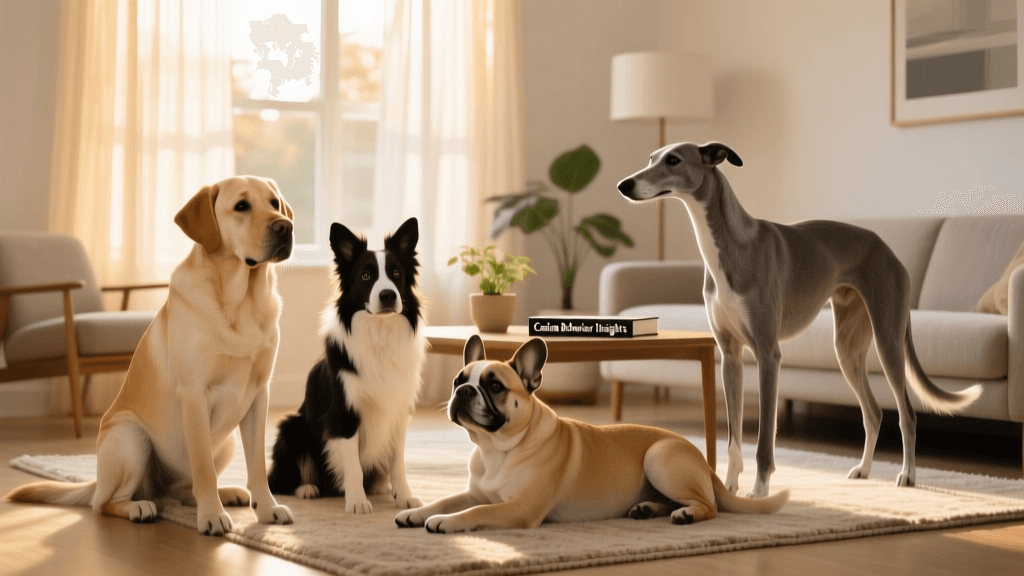
When choosing a dog for an apartment, size is only one piece of the puzzle. A massive Greyhound is often a better apartment dweller than a tiny, hyperactive Jack Russell Terrier. The most critical factors for shared living spaces are energy levels, vocalization (barking tendencies), and adaptability to indoor living. Below is a comparison chart of some of the best breeds for apartment life.
| Breed | Adult Weight | Energy Level | Vocalization | Space Needs |
|---|---|---|---|---|
| Greyhound | 60-70 lbs | Low (Sprinters, not marathoners) | Very Low | Medium |
| Cavalier King Charles Spaniel | 13-18 lbs | Moderate | Low | Low |
| Bichon Frise | 12-18 lbs | Moderate | Moderate | Low |
| Basenji | 22-24 lbs | High | Very Low (Yodels instead of barks) | Low |
| Pug | 14-18 lbs | Low | Moderate | Low |
Remember that mixed breeds from local shelters can also make excellent apartment dogs. When adopting, ask the rescue organization about the dog's history with noise sensitivity and their behavior when left alone in confined spaces.
Puppy-Proofing a Small Apartment
Small spaces mean your dog will be in close proximity to your belongings, electronics, and potentially toxic household items. Following the Humane Society's puppy-proofing checklist is vital to keeping your new pet safe and saving your security deposit. Here are specific, actionable steps to secure your apartment:
- Cord Management: Puppies love to chew on dangling wires. Use products like the JOTO Cable Sleeves (approx. $15 for 10 feet) or rigid PVC cord covers to hide TV and lamp cables. Never leave phone chargers dangling off the edge of a bed or couch.
- Vertical Space Protection: In small apartments, we often use high shelves for storage. Ensure that heavy items, toxic plants (like pothos or snake plants), and cleaning supplies are pushed all the way back or secured with museum wax. Dogs can jump higher than you think, especially when startled.
- Strategic Gating: If you need to block off a small kitchen or bathroom, the Regalo Easy Step Walk Thru Baby Gate (approx. $40) is a pressure-mounted favorite that fits standard apartment doorways (29 to 39 inches wide) without requiring you to drill into rental walls.
- Balcony and Patio Safety: If your apartment has a balcony, never leave a dog unattended. Small dogs can slip through railings. Install heavy-duty, outdoor-rated pet mesh or plexiglass barriers along the bottom three feet of the railing to prevent falls or escapes.
Indoor Potty Solutions for High-Rise Living
The "3 AM potty panic" is a well-known rite of passage for high-rise puppy owners. Waiting for an elevator while your puppy does a frantic dance is incredibly stressful. Setting up a reliable indoor potty area is a game-changer for urban dwellers.
Real Grass Delivery Services
Services like Fresh Patch or DoggieLawn deliver hydroponically grown grass in a cardboard tray directly to your door. The grass naturally absorbs odors and liquids. A standard size for a small-to-medium dog costs around $30 to $35 every two weeks. Place the tray on a waterproof mat in a designated corner of your bathroom or balcony.
Dog Litter Boxes
For smaller breeds, dog-specific litter boxes like the Purina SecondNature Dog Litter system use paper-based pellets that are non-toxic and highly absorbent. Initial setup costs around $25, with monthly refill costs around $15. This is an excellent, cost-effective alternative to grass patches.
The Elevator Schedule
If you rely on outdoor walks, map out your building's peak elevator times. Avoid taking your puppy out during the 8:00 AM to 9:00 AM and 5:00 PM to 6:00 PM commuter rushes. A delayed elevator ride can lead to an accident in the hallway, which is a nightmare to clean and a quick way to upset your neighbors.
Managing Noise and Neighbor Relations
In an apartment, your dog's noise is your neighbor's noise. Separation anxiety and boredom barking are the leading causes of noise complaints in multi-family housing.
To mitigate this, invest in a high-quality white noise machine. The LectroFan High Fidelity White Noise Machine (approx. $45) produces non-repeating audio that masks the sounds of hallway footsteps, neighboring doors slamming, and street traffic, which are common triggers for alert barking. Place it near your front door or the shared bedroom wall.
Additionally, keep your dog mentally stimulated while you are at work. Physical exercise is not enough for many breeds; they need cognitive fatigue. Use puzzle toys like the Outward Hound Nina Ottosson Dog Brick or freeze a Kong Classic stuffed with peanut butter and plain yogurt. A dog working on a frozen puzzle toy for 45 minutes is a quiet dog.
Essential Space-Saving Gear
When square footage is at a premium, every item your dog owns must earn its keep. Avoid bulky, single-use items and opt for space-saving alternatives:
- Wall-Mounted Feeders: Free up floor space by installing elevated, wall-mounted food and water bowls. This also promotes better digestion and posture for medium-to-large dogs.
- Collapsible Silicone Bowls: Keep a Kurgo Collapsible Dog Bowl (approx. $12) attached to your leash or keychain. This eliminates the need to carry bulky gear when navigating crowded city sidewalks or taking the subway.
- Under-Bed Storage Bins: Store bulk bags of kibble, extra pee pads, and seasonal dog sweaters in rolling plastic bins that slide neatly under your bed frame. Transfer daily kibble into a sleek, airtight countertop container to maintain aesthetics.
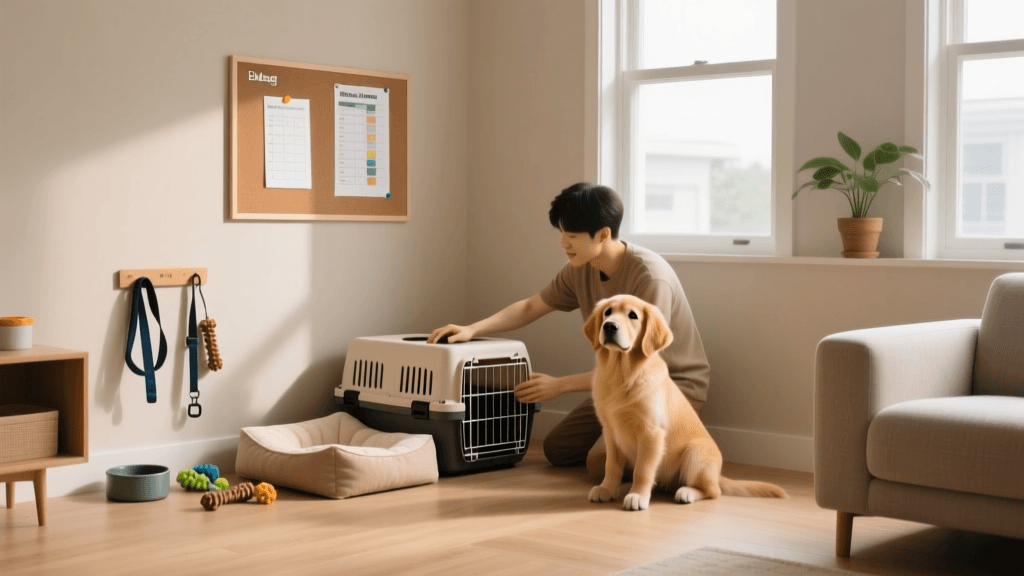
- Furniture-Style Crates: Wire crates take up massive visual and physical space. Opt for a wooden crate that doubles as a bedside table or an end table. Brands like Casual Home offer crate-end tables that seamlessly blend into a studio apartment's decor.
Budgeting for Apartment Dog Life
Urban dog ownership comes with a distinct financial premium compared to suburban living. Before adopting, ensure your monthly budget can accommodate the following city-specific expenses:
- Pet Rent and Deposits: Many apartment complexes charge a non-refundable pet fee ($200 to $500) and a monthly "pet rent" ranging from $25 to $75. Some luxury buildings may also require pet DNA testing registrations to enforce waste cleanup rules.
- Dog Walkers and Daycare: If you work long hours in an office or have a demanding commute, you will likely need a midday dog walker. In major cities like New York, Chicago, or San Francisco, a 30-minute midday walk can cost between $20 and $35 per day. Doggy daycare can run $35 to $60 per day.
- Urban Vet Care: Veterinary care in dense urban centers is often 20% to 30% more expensive than in rural areas due to higher commercial real estate costs. As noted by the American Veterinary Medical Association, city dogs also face unique health hazards like hot asphalt in the summer, salted sidewalks in the winter, and higher exposure to contagious illnesses in crowded dog parks. Factor in a robust pet insurance policy (approx. $40 to $70 a month) to protect against unexpected urban injuries.
Conclusion
Getting a dog while living in an apartment requires careful breed selection, strategic space management, and a realistic budget. By choosing a low-vocalization breed, utilizing space-saving gear, and implementing smart indoor potty and noise-control solutions, you can create a thriving, happy environment for your new best friend. City living with a dog is incredibly rewarding, offering endless opportunities for socialization and urban exploration, provided you set up your home for success from day one.
jonas-cole
All our authors care for dogs every day — read more of their work on the authors page.