Adopting Anxious Rescue Dogs: 2026 Decompression Guide
Learn how to set up a decompression room and manage the first week with an anxious or reactive rescue dog using our 2026 expert guide and gear list.
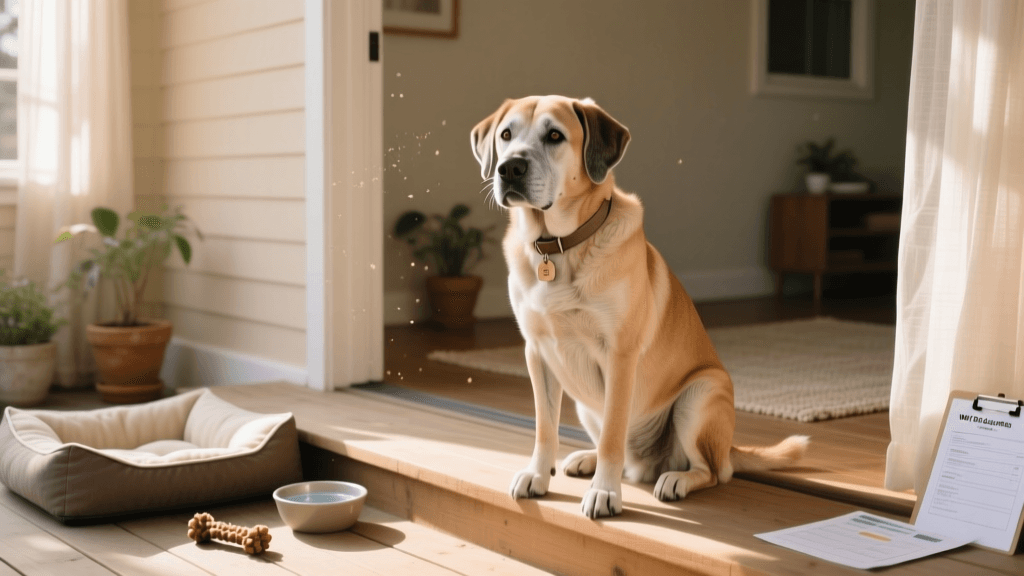
Adopting a dog is a profoundly rewarding experience, but bringing home a reactive, fearful, or highly anxious rescue requires a specialized approach. As we navigate the evolving landscape of animal welfare in 2026, shelters and rescue organizations are increasingly transparent about the behavioral challenges of their dogs. Many of these animals have experienced trauma, neglect, or the overwhelming sensory overload of a high-kill shelter environment. If you have decided to open your home to an anxious rescue, standard adoption advice will not suffice. You need a structured, science-backed decompression plan.
According to The Humane Society of the United States, the transition from a stressful shelter environment to a quiet home can trigger severe behavioral fallout if not managed correctly. Dogs that appear shut-down or overly reactive in their first few days are often exhibiting survival behaviors rather than their true temperament. This comprehensive 2026 guide will walk you through setting up a sanctuary space, understanding the critical decompression timeline, and utilizing the latest behavioral tools to help your new companion feel safe.
The Reality of Rescuing a Reactive Dog in 2026
In recent years, the animal rescue community has seen a shift in the types of dogs entering the shelter system. We are seeing more under-socialized dogs, pandemic-era puppies that missed critical socialization windows, and dogs surrendered due to post-pandemic lifestyle changes. Consequently, the prevalence of leash reactivity, separation anxiety, and resource guarding in the rescue population is higher than ever.
When you adopt an anxious dog, you are not just adopting a pet; you are taking on a rehabilitation project. The goal of the first month is not obedience training or socialization. The sole objective is decompression—allowing the dog's nervous system to down-regulate from a state of chronic hyperarousal. Pushing an anxious dog into busy dog parks, crowded pet stores, or forced interactions with visitors during this period is a recipe for behavioral disaster and potential bite incidents.
Understanding the 3-3-3 Decompression Rule
Before setting up your home, you must internalize the 3-3-3 rule of dog rescue. This framework outlines the psychological timeline a rescue dog experiences when transitioning to a new environment.
- 3 Days of Overwhelm: Your dog may refuse to eat, hide in corners, pace, or sleep excessively. They are in survival mode, processing a massive environmental shift.
- 3 Weeks of Settling: The dog begins to learn your routine, figure out where the resources are, and show glimpses of their true personality. However, this is also when behavioral issues like reactivity or separation anxiety often surface as the dog feels safe enough to express discomfort.
- 3 Months of Attachment: By this mark, a strong bond is forming. The dog understands that this is their permanent home, and their true baseline temperament becomes apparent.
For highly anxious or reactive dogs, this timeline is often extended. It is not uncommon for a severely traumatized dog to require 6 to 12 months of careful management before they truly decompress. Patience is your most valuable tool.
Designing the Ultimate Sanctuary Room
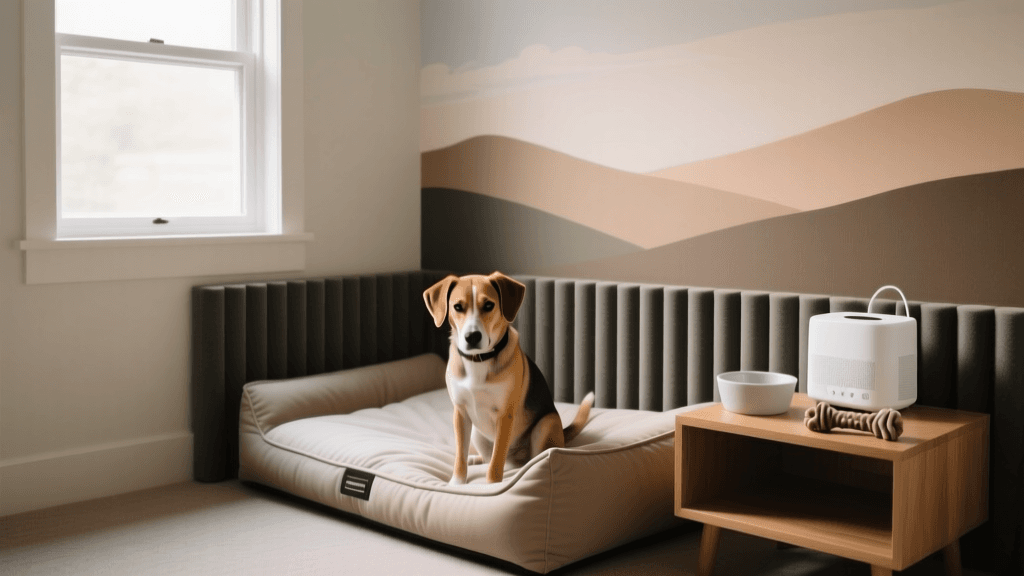
The cornerstone of managing a fearful rescue is the 'Sanctuary Room' or decompression zone. This is a low-stimulus environment where the dog can retreat and feel entirely secure. Do not give a fearful rescue free roam of your entire house on day one; the vast space will be terrifying and can trigger pacing or destructive anxiety.
Sanctuary Room Checklist
- Size and Location: Choose a quiet room (e.g., 10x10 feet) away from the front door and high-traffic areas. A spare bedroom or a large, gated section of a quiet living room works well.
- Visual Barriers: Use blackout curtains or frosted window film to block outdoor triggers like passing cars, pedestrians, or neighborhood dogs.
- Auditory Masking: A white noise machine or a fan running continuously helps mask sudden household sounds (doorbells, dropping items) that can trigger a startle response.
- Scent Soothing: Plug in an Adaptil Calm Diffuser at least 24 hours before the dog arrives. This synthetic dog-appeasing pheromone mimics the scent a mother dog produces while nursing, signaling safety to the canine brain.
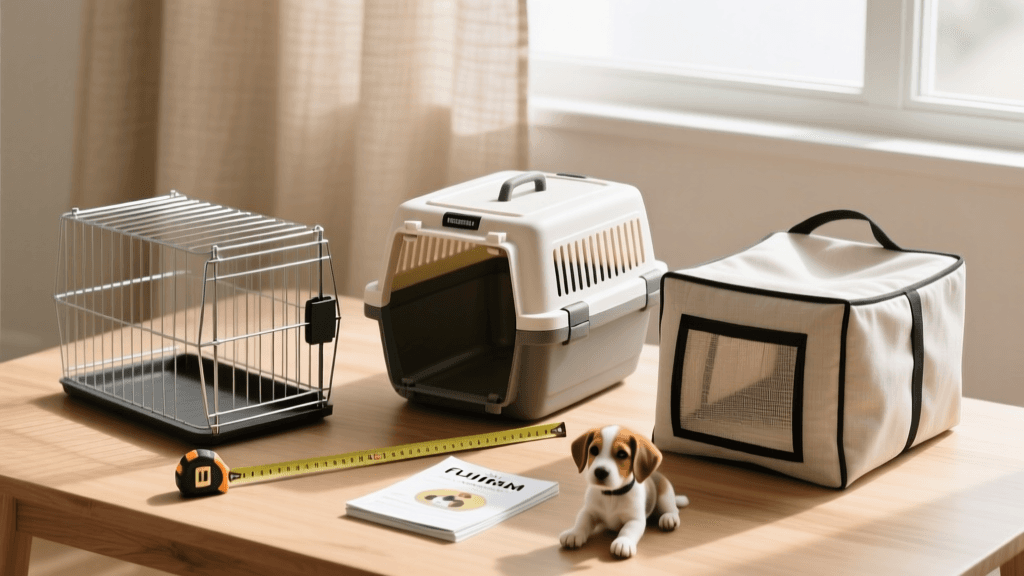
- Safe Hiding Spots: Provide an enclosed, cave-style bed or a wire crate covered with a breathable blanket. Never force the dog out of their hiding spot.
Essential Gear for Anxious Dogs (2026 Comparison)
Equipping your home with the right tools can drastically reduce your dog's cortisol levels. Below is a comparison of the top recommended behavioral aids for anxious rescues in 2026.
| Product Name | Primary Purpose | Estimated 2026 Cost | Best For |
|---|---|---|---|
| Snuggle Puppy Behavioral Aid | Provides a simulated heartbeat and heat pack to mimic littermates. | $45.00 | Dogs with severe nighttime whining and crate panic. |
| Adaptil Calm Smart Diffuser | Releases synthetic appeasing pheromones into the sanctuary room. | $28.00 | General environmental anxiety and shelter decompression. |
| KONG Classic (Red/Black) | Mental enrichment through licking and chewing, which releases endorphins. | $16.00 | Building positive associations with the crate or safe space. |
| ThunderShirt Sport | Applies gentle, constant pressure to the torso to reduce panic. | $50.00 | Dogs with noise phobias (thunder, fireworks) or travel anxiety. |
| PetSafe Easy Walk Harness | Front-clip design prevents pulling and reduces leash frustration. | $32.00 | Leash-reactive dogs during early, controlled decompression walks. |
The First 7 Days: A Step-by-Step Decompression Schedule
The Fear Free Pets initiative emphasizes that forcing interactions with an anxious dog can permanently damage the trust-building process. Follow this low-pressure schedule for the first week.
Day 1: The Silent Arrival
Bring your dog directly into the pre-prepared sanctuary room. Keep your voice low and movements slow. Do not invite friends or family over to 'meet' the dog. Offer a bowl of water and a bland, easily digestible meal (like boiled chicken and white rice). Ignore the dog if they hide; let them observe you from a safe distance. Your primary job today is to be a calm, non-threatening presence.
Day 2: Scent and Sound
Spend time in the room reading a book aloud or working on your laptop, completely ignoring the dog. This allows them to acclimate to your scent and the sound of your voice without the pressure of direct eye contact or physical touch. Toss high-value treats (like freeze-dried liver) near their hiding spot without looking at them.
Day 3: The Potty Routine
Establish a strict, quiet potty routine. Leash the dog (even if you are just going to a fenced yard) and take them out at the same times daily. Keep outings to 5 minutes. Do not use this time for neighborhood exploration. Potty, praise quietly, and return to the sanctuary room. Predictability lowers anxiety.
Day 4: Hand Feeding and Trust
If the dog is showing signs of relaxation (soft eyes, relaxed body posture, approaching you voluntarily), begin offering a portion of their meals via hand-feeding or scatter-feeding on the floor. This builds a positive association with your hands and your presence, which is crucial for dogs with a history of resource guarding or human-directed fear.
Day 5: Introduction to the Home
Open the sanctuary room door and allow the dog to explore the immediate adjacent areas at their own pace. Do not coax them out. Ensure all exterior doors and gates are securely double-latched. Let them sniff and retreat to their safe room whenever they feel overwhelmed.
Day 6: Controlled Enrichment
Introduce a frozen KONG stuffed with dog-safe yogurt and pumpkin puree. Licking and chewing are naturally soothing behaviors that stimulate the parasympathetic nervous system. Provide this enrichment inside their crate or safe bed to reinforce that their sanctuary is a place where wonderful things happen.
Day 7: The First Mini-Walk
If the dog is comfortable on a leash and the environment is quiet, take a 10-minute 'sniffari' walk during low-traffic hours (early morning or late evening). Allow the dog to dictate the pace and direction. Sniffing lowers a dog's heart rate and provides vital mental stimulation without the physical exhaustion that can lead to over-arousal.
Nutrition and the Gut-Brain Axis
Modern veterinary science in 2026 heavily emphasizes the gut-brain axis in canine behavior. Chronic stress alters the microbiome, which in turn exacerbates anxiety and reactivity. Consider consulting your veterinarian about adding a clinically proven calming probiotic, such as Purina Pro Plan Calming Care, to your dog's daily routine. These targeted supplements contain specific strains of bacteria shown to reduce cortisol levels and improve sociability in anxious dogs over a 6-week period.
When to Call a Veterinary Behaviorist
While many anxious dogs improve significantly with a solid decompression plan and time, some require medical intervention. If your dog exhibits severe panic attacks, self-mutilation, inability to eat for more than 48 hours, or aggressive lunging and biting, it is time to seek professional help. Do not rely on internet advice or traditional 'dominance-based' trainers, as these methods will worsen fear-based reactivity. Instead, seek out a professional certified by the American College of Veterinary Behaviorists. These veterinary specialists can prescribe anti-anxiety medications (such as fluoxetine or trazodone) that lower the dog's panic threshold enough for behavioral modification to actually work.
Remember: You are not failing if your rescue dog is still fearful after a month. Healing from trauma is not linear. Celebrate the micro-victories—a tail wag when you enter the room, a deep sigh in their bed, or a willingness to take a treat from your hand. With patience, a structured environment, and compassionate management, your anxious rescue will eventually bloom into the loyal companion you knew they could be.
hannah-wickes
All our authors care for dogs every day — read more of their work on the authors page.