Master AKC Fast CAT in 2026: Top Gear & Training Tips
Discover the ultimate 2026 AKC Fast CAT guide. Learn essential training tips, top-rated harnesses, and conditioning routines for lure coursing success.
Introduction to AKC Fast CAT in 2026
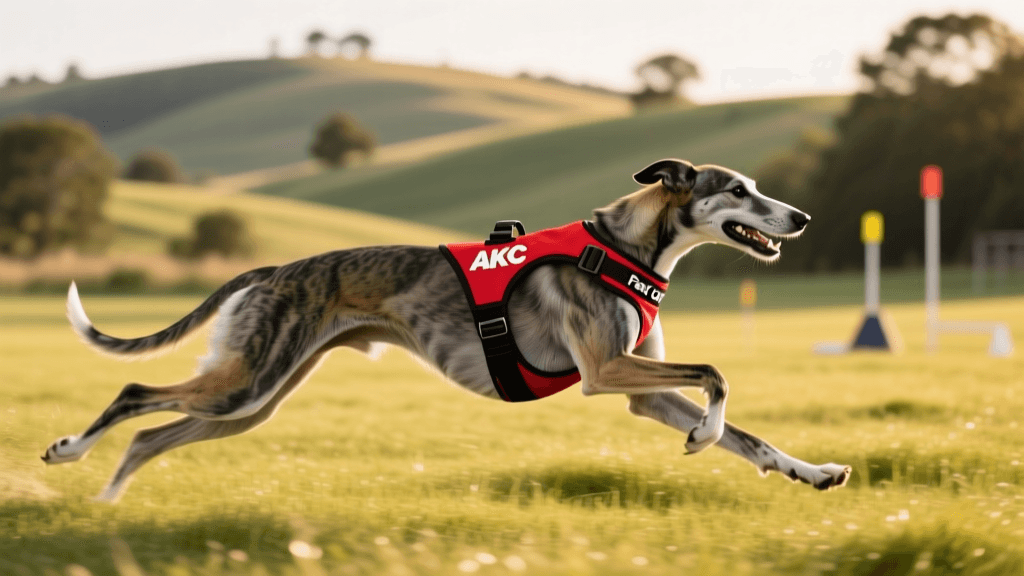
Dog sports have exploded in popularity over the last few years, and as we navigate the highly competitive 2026 season, AKC Fast CAT (Coursing Ability Test) remains one of the most accessible, thrilling, and rewarding events for dogs of all breeds and sizes. Unlike traditional lure coursing, which has historically been reserved primarily for sighthounds, Fast CAT is open to all AKC-registered purebreds and mixed breeds alike through the Canine Partners program. The premise is beautifully simple: it is a straight 100-yard dash where your dog chases a mechanical lure, and their time is electronically converted into miles per hour (MPH).
Whether you have a Border Collie built for agility, a Dachshund with surprising bursts of speed, or a rescue mutt who just loves to run, Fast CAT taps into your dog's natural prey drive. In 2026, the sport has seen a massive surge in participation, meaning competition is fiercer than ever, but the community is also more welcoming and knowledgeable. To succeed and keep your dog safe, you need the right strategy, the best gear, and a solid conditioning plan.
Understanding the 2026 AKC Fast CAT Rules and Handicapping
Before you step up to the starting line, it is crucial to understand how the American Kennel Club's official Fast CAT guidelines structure the competition. The core rules remain focused on safety and pure speed. The course is exactly 100 yards long, laid out on a flat, safe surface (usually grass or well-packed dirt).
To ensure fair title accumulation across different breeds, the AKC utilizes a height-based handicapping system. This is how your dog's raw time is converted into a final MPH score for titles like BCAT (Bronze), DCAT (Silver), and FCAT (Gold):
- Dogs under 12 inches at the withers: Raw MPH is multiplied by 2.0.
- Dogs 12 to 18 inches at the withers: Raw MPH is multiplied by 1.5.
- Dogs over 18 inches at the withers: Raw MPH is multiplied by 1.0 (no handicap).
Entry fees for local club trials in 2026 average between $20 and $35 per run, making it an incredibly budget-friendly sport compared to the high equipment costs associated with agility or the extensive travel required for conformation shows.
Essential Gear: Choosing the Right Harness for 2026
You absolutely cannot use a standard flat collar or a head halter for Fast CAT. The sheer kinetic force of a dog launching into a 25+ MPH sprint can cause severe tracheal damage or cervical spine injury if they are restrained by the neck. A well-fitted, pull-specific harness is mandatory. In 2026, the market is dominated by ergonomic designs that distribute force across the sternum and shoulders without restricting the scapula (shoulder blade) movement, which is vital for a full stride.
Below is a comparison of the top-rated harnesses favored by Fast CAT competitors this year:
| Brand & Model | Best For | 2026 Est. Price | Weight |
|---|---|---|---|
| Non-stop Dogwear Freemotion 2.0 | Maximum pulling power & full shoulder extension | $149.95 | 280g |
| Ruffwear Web Master | Security, escape-proofing, and rugged durability | $99.95 | 410g |
| Hurtta Trail Master | Deep-chested breeds (Greyhounds, Dobermans) | $89.00 | 320g |
| K9 Top Coat Sprinter | Lightweight, aerodynamic sprinting without bulk | $75.00 | 190g |
For the purest Fast CAT experience, the Non-stop Dogwear Freemotion 2.0 is widely considered the gold standard in 2026 because its patented design leaves the shoulder joints completely unrestricted, allowing for maximum stride length.
The 8-Week Fast CAT Training Blueprint
The secret to a high MPH score isn't just physical speed; it's the recall at the finish line. The dog runs toward the lure, but the lure stops behind a barrier at the 100-yard mark. The owner (or a designated caller) stands at the finish line to catch the dog. If your dog stops to sniff the grass at 80 yards, or veers off course, your time is ruined.
Phase 1: Lure Imprinting and Recall (Weeks 1-3)
Start at a very short distance (10 to 20 yards). Have a helper drag a white plastic bag or a specialized squawker lure across the grass while you hold your dog. Release the dog and encourage them to chase it. The moment they grab the lure, praise heavily and reward with high-value treats (like freeze-dried liver or chicken). Gradually increase the distance to 50 yards. The goal is to teach the dog that the white bag equals the best reward in the world.
Phase 2: Distance Building and Caller Focus (Weeks 4-6)
Move to 75 yards. At this stage, the person at the finish line becomes critical. You must teach your dog to run to you, not just to the lure. Use a unique, high-pitched recall word that you only use for Fast CAT. Wave your arms, run backward slightly, and use an enthusiastic tone. When the dog crosses the finish line, immediately grab their harness (to prevent them from running past you into the parking lot) and deliver a jackpot reward.
Phase 3: Full Distance and Timing (Weeks 7-8)
Run the full 100 yards at a local practice field or during a fun match. Do not do full-speed sprints more than twice a week to prevent soft tissue fatigue. Focus entirely on the dog's straight-line trajectory. If they curve, adjust your position at the finish line to draw them into a straighter path.
Biomechanics, Warm-Ups, and Recovery
Sprinting is an intense anaerobic activity that places immense stress on the canine kinetic chain. According to experts at Cornell University's Canine Sports Medicine program, proper conditioning and warm-ups are non-negotiable for preventing hamstring tears and iliopsoas strains.
Never take your dog directly from the car to the starting line. A proper 2026 Fast CAT warm-up routine should include:
- 5-10 minutes of brisk walking: To increase core body temperature and synovial fluid production in the joints.
- Dynamic stretching: Encourage your dog to do 'play bows' to stretch the front assembly, and use a treat to lure their nose to their toes to stretch the hindquarters and spine.
- Short trot-outs: A quick 20-yard trot to engage the muscles before the full sprint.
Post-run, do not just put the dog in a crate. Walk them for at least 5 to 10 minutes to allow their heart rate to descend gradually and to flush lactic acid from the muscles. Canine massage and passive range-of-motion (PROM) exercises later in the evening can significantly reduce next-day stiffness.
Nutrition and Hydration for Sprinting Dogs
While Fast CAT doesn't require the endurance fueling of a 30-mile sled dog race, the explosive nature of the sprint demands specific nutritional support. In 2026, canine sports nutrition has advanced significantly. Focus on a high-quality, performance-tier kibble (typically 30% protein and 20% fat) fed at least three hours before running to prevent bloat and ensure the stomach is empty during the sprint.
Hydration is equally critical. Many competitors now use canine-specific electrolyte gels or broths (such as K9 Power or similar veterinary-approved hydration supplements) the night before and the morning of the trial to ensure cellular hydration. Additionally, daily supplementation with hydrolyzed collagen peptides and Omega-3 fatty acids (EPA/DHA) is highly recommended to support joint cartilage and reduce systemic inflammation caused by high-impact sprinting.
Common Mistakes to Avoid at 2026 Trials
Even seasoned handlers make errors that cost them valuable MPH points. Avoid these common pitfalls:
- Using a Restrictive Harness: Harnesses with a horizontal chest strap that sits too high will limit your dog's front leg extension, shaving precious milliseconds off their time.
- Poor Finish Line Containment: Failing to securely grab the dog's harness at the finish line can result in the dog spinning around and running back down the track, which is a disqualification and a major safety hazard.
- Running on Unsafe Surfaces: Always inspect the track before your run. Hidden gopher holes, patches of mud, or loose gravel can lead to catastrophic toe or ligament injuries at top speeds.
- Overrunning the Dog: Limit your dog to 3 or 4 runs maximum per trial day. Fast CAT is about explosive power, and running a fatigued dog increases the risk of injury exponentially.
By combining the right ergonomic gear, a methodical recall-based training plan, and a deep respect for canine biomechanics, you and your dog are fully equipped to dominate the 2026 AKC Fast CAT season. Get out there, hit the grass, and watch your dog fly!
priya-sutaria
All our authors care for dogs every day — read more of their work on the authors page.