Preparing Your Senior Dog for a Newborn Baby in 2026
Learn how to smoothly transition your aging dog to life with a newborn baby in 2026. Discover expert tips, safe zones, and top-rated gear for peace of mind.
Navigating Family Expansions with an Aging Canine
Expanding your family is a joyous milestone, but when your household includes a senior dog, the transition requires careful, proactive planning. As we move through 2026, veterinary behaviorists emphasize that aging canines experience environmental changes much differently than their younger counterparts. While a puppy might bounce back from a disrupted schedule in a day, a senior dog with established routines and potential age-related ailments can find the sudden chaos of a newborn deeply stressful. Preparing your aging dog for a newborn baby is not just about preventing jealousy; it is about preserving their cognitive health, managing their physical comfort, and ensuring a harmonious multi-generational household. This comprehensive guide will walk you through the exact steps, environmental modifications, and 2026-recommended products needed to make this life transition as seamless as possible.
Understanding the Senior Dog Mindset and Physical Limits
Before bringing home any baby gear, it is crucial to understand how aging affects your dog's perception of the world. According to the ASPCA, senior dogs often experience a natural decline in sensory perception, including hearing and vision, alongside potential cognitive changes. A sudden influx of high-pitched noises, unfamiliar scents, and erratic movements from a newborn can trigger anxiety or confusion in an older dog. Furthermore, conditions like canine cognitive dysfunction (CCD) or osteoarthritis mean that your dog may have a lower threshold for stress and a decreased ability to physically escape overwhelming situations. Recognizing these limitations is the first step in designing a transition plan that prioritizes your dog's physical comfort and mental well-being over the course of their golden years.
Establishing a 'Dog-Only' Sanctuary
Your senior dog needs a designated retreat where they can escape the noise and activity of the nursery. This sanctuary should be located in a low-traffic area of your home, completely separate from the baby's sleeping and playing zones. To make this space truly appealing, you must invest in high-quality orthopedic support. In 2026, the gold standard for large or arthritic senior dogs remains the Big Barker 7-inch Orthopedic Dog Bed. Priced around $280, its therapeutic foam is clinically shown to reduce joint pain and improve mobility, which is essential when your dog is dealing with the stress of a new household dynamic. For smaller breeds, the FurHaven Therapeutic Orthopedic Bed (approximately $65) offers excellent egg-crate foam support. Place this bed in the sanctuary along with their favorite long-lasting chews and a piece of your worn clothing to provide comfort and familiar scents while you are busy attending to the baby.
Auditory and Olfactory Desensitization
Newborns are incredibly loud, and the sudden cries can startle an older dog, especially one with age-related hearing loss that makes them sensitive to sharp, high-frequency sounds. Begin auditory desensitization at least two months before your due date. Play recordings of baby crying, cooing, and the mechanical sounds of nursery equipment at a very low volume while feeding your dog high-value treats. Gradually increase the volume over several weeks. To help mask sudden, jarring noises once the baby arrives, utilize a smart sound machine. The Hatch Rest+ 2nd Gen Smart Sound Machine (retailing for $70 in 2026) is an excellent choice. It allows you to control white noise and ambient sounds directly from your smartphone, ensuring you can instantly soothe the environment in your dog's sanctuary or the nursery without getting up.
Olfactory preparation is equally important. Bring home a blanket or hat the baby wore in the hospital before the actual homecoming. Allow your senior dog to sniff the item from a distance, rewarding them with calm praise and treats. This scent-swapping technique familiarizes your dog with the baby's unique smell, reducing the shock of the initial introduction.
Setting Physical Boundaries Without Isolation
While you want your dog to feel included, the nursery must eventually become a restricted zone for safety and hygiene. However, simply shutting a door can cause separation anxiety in an aging dog who is used to following you from room to room. Instead, install a pet gate that allows your dog to see and hear you without crossing the threshold. The Regalo Easy Step Walk-Thru Baby Gate (around $45) is highly recommended for 2026. Its wide walk-through door is easy for sleep-deprived parents to navigate while carrying a car seat, and the sturdy steel frame prevents older dogs from accidentally pushing it open. By using a gate rather than a closed door, your senior dog remains visually connected to the family unit, significantly reducing feelings of isolation and abandonment.
Managing Joint Pain During Floor Time
As your baby grows and begins spending time on the floor for tummy time and crawling, your senior dog's physical comfort becomes a shared-space issue. Hard floors can exacerbate arthritis, making it painful for your dog to lie down near the baby. To encourage safe, comfortable co-existence in shared living areas, invest in interlocking foam floor tiles or a large, washable orthopedic mat like the K&H Pet Products Thermo-Pet Mat. This mat provides gentle, self-warming support that soothes aching joints, encouraging your dog to rest calmly nearby rather than pacing or standing anxiously. Always supervise these shared floor sessions, and provide your dog with a clear, unobstructed path to exit the room if they feel overwhelmed by the baby's movements.
Restructuring the Daily Routine
Dogs thrive on predictability. If your senior dog is used to a 6:00 AM walk and immediate breakfast, maintaining that exact schedule will be nearly impossible once the baby arrives. You must adjust their routine weeks in advance so they do not associate the baby's arrival with a sudden loss of attention and structure. Below is a strategic timeline for adjusting your dog's daily schedule.
| Time of Day | 3 Months Before Baby (Current Routine) | 1 Month Before Baby (Transition Routine) | First Month with Baby (New Normal) |
|---|---|---|---|
| Morning Walk | 6:00 AM - 45 min leash walk | 6:30 AM - 30 min leash walk + 15 min sniffari | 6:30 AM - 30 min walk (or hired dog walker) |
| Breakfast | 7:00 AM - Bowl feeding | 7:15 AM - Puzzle feeder for mental stimulation | 7:15 AM - Puzzle feeder in sanctuary |
| Midday Attention | 12:00 PM - 20 min cuddle/play session | 12:30 PM - 15 min calm training/brushing | 1:00 PM - 10 min quiet brushing while baby naps |
| Evening Wind Down | 8:00 PM - Free roaming in living room | 8:00 PM - Settling on orthopedic bed with chew | 8:00 PM - Sanctuary time with white noise |
The First Face-to-Face Introduction
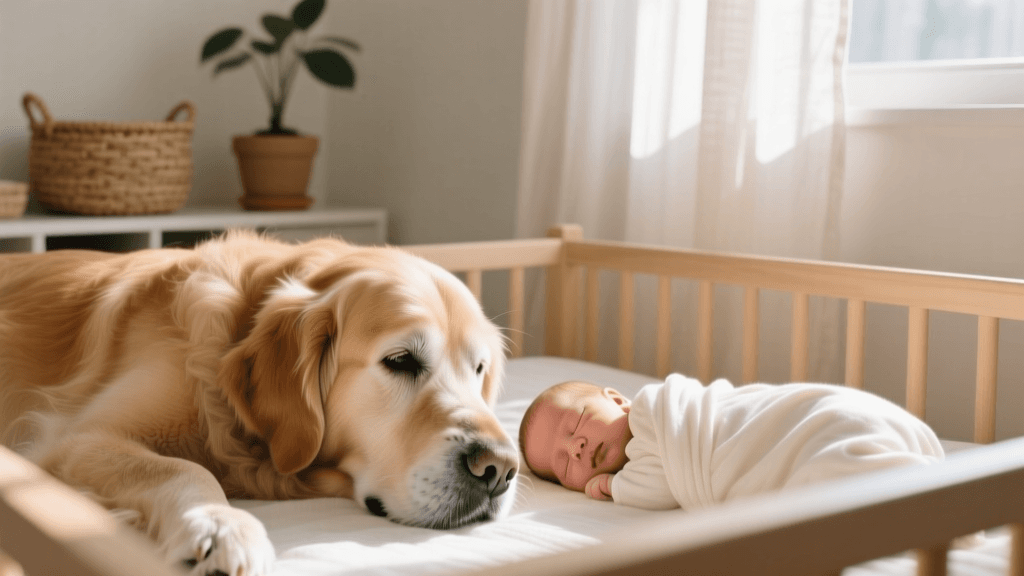
When the day finally comes to introduce your senior dog to the newborn, keep the environment incredibly calm. The American Kennel Club strongly recommends keeping the dog on a loose leash during the first few interactions, even if they have perfect recall. This provides a safety net without transmitting tension down the leash. Enter the home without the baby first, allowing your dog to greet you and burn off initial excitement. Once the dog is calm, bring the baby into the room. Allow your dog to approach slowly and sniff the baby's feet or blanket, rewarding them with soft praise and high-value treats like freeze-dried liver. Keep the initial interaction under two minutes, then cheerfully lead your dog away to their sanctuary. This teaches them that the baby's presence is a positive, low-pressure event.
Recognizing Subtle Stress Signals in Aging Dogs
Senior dogs often do not have the energy to exhibit overt signs of stress like barking or pacing. Instead, they display subtle, easily missed calming signals. It is vital for all caregivers in the home to recognize these signs and intervene by giving the dog space before they become overwhelmed. Watch closely for the following indicators:
- Excessive Lip Licking or Yawning: When not related to food or waking up, these are primary indicators of canine anxiety.
- Whale Eye: Showing the whites of their eyes while looking away from the baby or the commotion.
- Sudden Panting: Heavy breathing in a cool room when the dog has not been exercising.
- Retreating or Hiding: Attempting to wedge themselves under furniture or refusing to leave their sanctuary.
- Stiff Body Posture: Freezing in place when the baby makes a sudden noise or movement.
If you notice any of these behaviors, calmly guide your dog to their safe zone and provide a long-lasting chew or a stuffed Kong to help them decompress. Never force an interaction or reprimand a senior dog for showing signs of stress, as this will only deepen their negative association with the baby.
Enlisting Professional Support in 2026
Finally, do not hesitate to outsource your dog's care during the first few chaotic weeks. The gig economy for pet care has matured significantly, and hiring a professional dog walker or a specialized senior-dog sitter through verified 2026 platforms like Rover or Wag! can be a lifesaver. Ensuring your aging dog gets their required physical exercise and mental enrichment without relying on your depleted energy reserves is crucial for maintaining their health and happiness. By planning ahead, respecting your senior dog's physical limitations, and utilizing the right environmental tools, you can foster a beautiful, safe, and lifelong bond between your aging companion and your newest family member.
anouk-beaumont
All our authors care for dogs every day — read more of their work on the authors page.