2x2 vs Channel Weave Pole Training for Dog Agility 2026
Master dog agility weave poles in 2026. Compare the 2x2 and channel training methods, discover top gear, and get a step-by-step conditioning guide.
Introduction to Agility Weave Poles in 2026
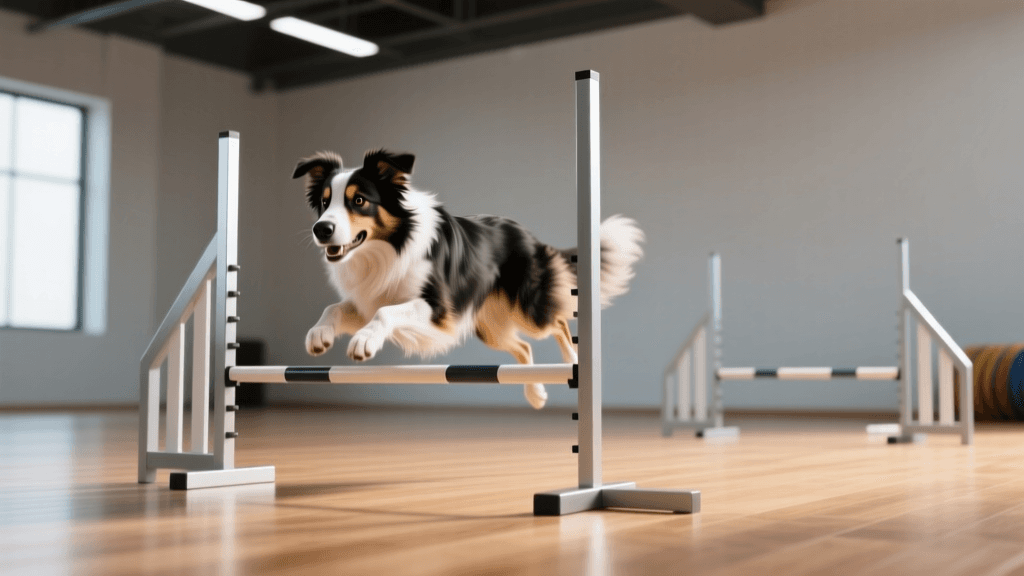
Dog agility in 2026 is faster and more technically demanding than ever before. As course designers push the boundaries of speed and handling, the weave poles remain one of the most challenging and heavily penalized obstacles in the ring. Whether you are competing in AKC, USDAA, or UKI events, a dog's ability to independently and rapidly navigate 12 weave poles with perfect entries is non-negotiable. According to the American Kennel Club's agility guidelines, weave poles require a dog to enter with the first pole on their left shoulder, maintaining a continuous, fluid motion through all twelve poles. This guide breaks down the two most dominant training methodologies in the modern agility world: the 2x2 method and the Channel method.
The Biomechanics of Weaving
Before diving into training methodologies, it is crucial to understand the physical toll weaving takes on a canine athlete. Weaving requires extreme lateral flexion of the spine, immense core strength, and precise shoulder stabilization. In 2026, canine sports medicine has advanced significantly, highlighting that improper weave training can lead to early-onset spinal fatigue or shoulder strain. Dogs must be physically mature—typically over 14 to 18 months of age, depending on the breed—before beginning intense, repetitive weave training. Puppies and young dogs should focus on flatwork, core conditioning, and obstacle familiarity. When your dog is ready, choosing the right training method will dictate not only their speed but also their long-term physical health and confidence in the ring.
The 2x2 Weave Pole Training Method
Pioneered by renowned agility expert Susan Garrett, the 2x2 method has become a staple for handlers seeking independent, lightning-fast weave pole performance. The core philosophy of the 2x2 method is to teach the dog to view every set of poles as a series of individual entry and exit points, rather than one long, intimidating tunnel of poles.
You begin with just two poles. The dog is rewarded for driving through the gap, ensuring the first pole is on their left shoulder. Once the dog masters the straight-on entry, you gradually introduce angles. The handler throws the reward (usually a high-value toy or a remote treat dispenser like the 2026 model of the Dog-Trotter) ahead of the poles to encourage forward drive.
Once the dog is proficient at various angles with two poles, you add two more poles, creating a set of four. The dog learns to link the first two poles to the second two poles. This process continues, adding two poles at a time, until the full set of twelve is assembled.
Pros of the 2x2 Method:
- Builds incredible independent entry skills.
- Encourages forward drive and speed.
- Excellent for dogs that tend to pop out of poles when they see the end in sight.
Cons of the 2x2 Method:
- Can be time-consuming for novice handlers to set up and manage.
- Requires precise reward placement to prevent the dog from anticipating the treat and skipping poles.
The Channel Weave Pole Training Method
The Channel method takes a completely different approach. Instead of breaking the poles into small sets, you start with all twelve poles, but they are arranged in a V or channel shape. The poles are offset, creating a wide, straight runway down the middle. The dog simply runs straight through the channel without having to bend their spine.
Over the course of several weeks, you gradually narrow the channel. The poles are moved incrementally closer to the center line until they form a straight line of twelve. This method relies on muscle memory and the gradual introduction of lateral flexion. Top instructors at the Fenzi Dog Sports Academy often recommend the channel method for dogs that are highly sensitive to frustration or for handlers who struggle with the precise reward timing required in the 2x2 method.
Pros of the Channel Method:
- Allows the dog to experience the full length of the poles immediately.
- Less frustrating for dogs that struggle with shaping and incremental criteria.
- Easier for handlers to manage reward placement, as the dog is just running forward.
Cons of the Channel Method:
- Dogs may struggle with independent entries once the channel is fully closed.
- If narrowed too quickly, dogs may develop a stutter step or pop out due to confusion.
- Requires specialized channel weave pole equipment, which can be bulky to store.
Comparison Table: 2x2 vs. Channel Method
To help you decide which method is best for your 2026 agility season, here is a direct comparison of the 2x2 and Channel methods.
| Feature | 2x2 Method | Channel Method |
|---|---|---|
| Equipment Needed | Standard bases or 2x2 specific bases | Specialized channel/offset bases |
| Entry Independence | Extremely High | Moderate (requires extra proofing) |
| Dog Frustration Level | Can be high if criteria is unclear | Generally low |
| Handler Skill Required | High (precise reward placement) | Low to Moderate |
| Speed Development | Fast forward drive | Fast forward drive, lateral flexion added late |
2026 Gear Guide: Top Weave Poles for Home Training
Investing in the right equipment is critical for home training. In 2026, the market is dominated by lightweight, competition-accurate gear.
1. Clean Run Competition-Grade Weave Poles
Clean Run remains the gold standard for agility equipment. Their latest competition-grade poles feature flexible, shatter-proof composite plastics that mimic the exact tension and resistance of United States Dog Agility Association (USDAA) trial equipment. The bases are heavy enough to prevent tipping during high-speed entries but feature a low profile to avoid tripping hazards.
2. Affordable Agility Channel Weave Poles
If you opt for the channel method, Affordable Agility offers an excellent, budget-friendly channel set. The offset mechanism uses a simple slide-and-lock system, allowing you to narrow the channel in half-inch increments. This precision is vital; narrowing the poles too quickly is the number one cause of weave pole regression.
3. Remote Reward Systems
Both the 2x2 and Channel methods benefit immensely from remote reward systems. Placing a treat-dispensing device at the end of the weave poles allows the dog to drive forward independently, removing the handler from the reward equation and building phenomenal obstacle focus.
Physical Conditioning and Injury Prevention
No discussion of weave pole training is complete without addressing canine conditioning. Weaving is an asymmetrical, high-impact movement. To prepare your dog for the 2026 competition season, incorporate the following conditioning exercises into their weekly routine:
- Cavaletti Poles: Walking and trotting over ground poles improves proprioception, stride length, and hind-end awareness.
- Peanut Ball Work: Having your dog perform sit-to-stand and plank exercises on an inflatable peanut ball builds the deep core stabilizers required to protect the spine during lateral flexion.
- Figure-Eight Leg Weaves: While this is a trick, walking backward while your dog weaves through your legs gently warms up the spinal muscles before a heavy agility session.
Always ensure your dog undergoes a thorough 10-to-15-minute dynamic warm-up before attempting full-speed weave pole entries. Cold muscles and stiff joints are a recipe for catastrophic injury on the agility course.
Transitioning to Competition Rings
Once your dog is confidently weaving 12 poles in your backyard, the next hurdle is proofing for the trial environment. Competition rings in 2026 are louder, more visually stimulating, and feature closer proximity to crating areas than ever before.
To proof your weave poles, you must introduce environmental distractions. Practice with people walking by, other dogs barking, and toys scattered near the exit of the poles. Furthermore, you must practice hard entries. A hard entry occurs when the dog is running at full speed from a jump or tunnel that is positioned at a severe angle to the first weave pole. Set up jump-to-weave sequences where the dog must collect their stride, drop their shoulder, and find the left-side entry while moving at top speed.
If your dog pops out of the poles during a trial, do not reward. Calmly reset them to the exact point of failure, or ask them to re-enter the poles from the beginning, depending on the rules of your specific venue and your personal training philosophy. Consistency in the ring is just as important as consistency in the backyard.
Conclusion
Mastering the weave poles is a journey that tests the communication, patience, and athleticism of both dog and handler. Whether you choose the meticulous, entry-focused 2x2 method or the fluid, muscle-memory-based Channel method, the key to success in 2026 is a foundation built on physical conditioning, high-value reinforcement, and unwavering consistency. Equip yourself with the right gear, respect your dog's physical limits, and enjoy the thrill of watching your canine partner fly through the poles with speed and precision.
robin-maitland
All our authors care for dogs every day — read more of their work on the authors page.