Choosing an Agility Puppy in 2026: Top Breeds & Traits
Discover how to select the perfect agility puppy in 2026. Learn about top breeds, structural traits, drive testing, and essential health clearances.
The Biomechanics of an Elite Agility Athlete
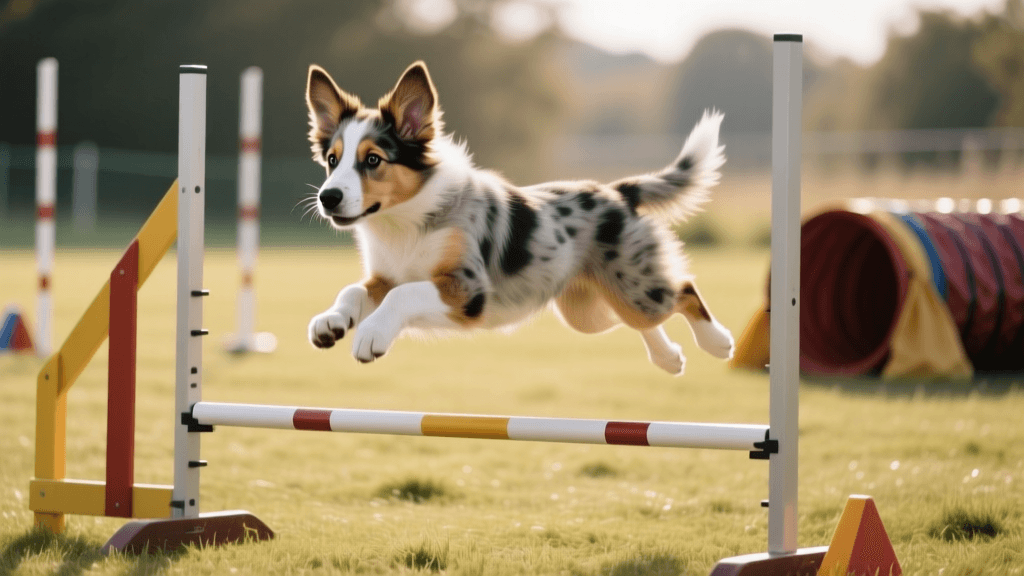
Getting a dog is a monumental decision, but when your goal is to compete in the high-octane world of dog agility, the selection process becomes a meticulous science. In 2026, the sport of agility is faster, more technical, and more physically demanding than ever before. Courses designed by international judges require dogs to possess not only explosive speed and tight turning abilities but also the mental fortitude to handle complex handling sequences and loud, distracting trial environments. If you are embarking on the journey of getting a dog specifically for agility, you must look far beyond a cute face and a wagging tail. You are seeking an elite canine athlete.
When evaluating a puppy or an adult prospect for agility, structural soundness is your primary defense against career-ending injuries. Agility dogs endure immense physical stress, particularly on their shoulders, spine, and hindquarters. A proper shoulder assembly—characterized by a well-laid-back scapula and a matching return of the humerus—acts as the dog’s primary shock absorber when landing from jumps or navigating the A-frame. In 2026, canine sports medicine specialists heavily emphasize the importance of a level topline and moderate rear angulation. Dogs with over-angulated rears may have flashy side gaits but frequently lack the functional power and stability needed for explosive jumping and rapid deceleration. Furthermore, pay close attention to the dog’s hocks. Short, perpendicular hocks provide the driving force necessary for propulsion, while long, sickle hocks are highly susceptible to strain and soft tissue injuries when pushing off the contact obstacles.
Top Breeds Dominating the 2026 Agility Circuit
While mixed breeds and All-Americans are incredibly popular and successful in modern agility, certain purebreds continue to dominate the podiums due to their inherent physical traits and working drives. According to the American Kennel Club’s agility guidelines, the sport is open to all breeds, but understanding the inherent tendencies of specific breeds can help you match a dog to your handling style and lifestyle. Border Collies remain the undisputed kings and queens of the large jump heights, prized for their acceleration, turning radius, and relentless work ethic. However, their intense arousal levels require an experienced handler capable of managing their mental stimulation. For those preferring smaller dogs, the Shetland Sheepdog offers a brilliant combination of trainability, speed, and a more manageable temperament for home life. The Belgian Tervuren and Malinois bring unparalleled drive and obstacle focus, though they demand rigorous socialization and nerve-building exercises during their critical developmental windows.
| Breed | Height Class | Drive Level | Common Joint Risks | Ideal Handler Experience |
|---|---|---|---|---|
| Border Collie | 20-22 Inches | Extreme | OCD, Hip Dysplasia | Advanced / Professional |
| Shetland Sheepdog | 13-16 Inches | High | Dermatomyositis, Eyes | Novice to Pro |
| Belgian Tervuren | 22-26 Inches | Very High | Epilepsy, Hips | Advanced |
| Papillon | 8-11 Inches | Moderate-High | Patellar Luxation | Novice to Pro |
| All-American (Mix) | Varies | Varies | Varies by Lineage | All Levels |
Health Testing: The 2026 Gold Standard
You cannot train away a genetic flaw or a poorly formed joint. In 2026, the gold standard for breeding sports dogs goes far beyond basic veterinary check-ups. Reputable sports breeders will provide comprehensive health clearances for both the sire and the dam. The Orthopedic Foundation for Animals (OFA) maintains strict databases for these evaluations. For medium and large breeds, you must verify OFA or PennHIP certifications for hips, and OFA clearances for elbows. Shoulders are also increasingly being evaluated due to the high impact of agility. Additionally, annual CERF (Canine Eye Registration Foundation) exams are mandatory to rule out progressive retinal atrophy and other hereditary vision issues that could cause a dog to misjudge a jump bar.
Genetic panel testing has also evolved; ensure the breeder has tested for breed-specific mutations, such as the MDR1 gene mutation in herding breeds, which affects drug sensitivity, or Trapped Neutrophil Syndrome (TNS) in Border Collies. Never accept "vet checked" as a substitute for these rigorous, documented health clearances. A true sports breeder will gladly share their OFA certificates and genetic testing results with you before you even place a deposit on a litter.
Evaluating the Litter: Drive, Nerve, and Recovery
Once you have verified the structure and health of the lineage, the next step in getting a dog for agility is evaluating the individual puppies. Puppy aptitude testing should be conducted around 7 to 8 weeks of age. For an agility prospect, you are specifically looking for three core traits: prey drive, environmental confidence, and recovery rate.
- Prey Drive: This is the engine of an agility dog. A puppy that eagerly chases a dragged toy, bites it, and engages in a game of tug is demonstrating the foundational drive needed to navigate a course for a reward. Look for a puppy that prefers interactive play over solitary chewing.
- Environmental Confidence: Test this by introducing novel surfaces and sounds. Place the puppy on a wobbly board, a piece of tarped plastic, or a metal grate. An ideal prospect might startle but will quickly use its nose to investigate and confidently walk across the surface.
- Recovery Rate: This is perhaps the most critical metric. If a loud noise occurs or the puppy experiences a minor stumble, how long does it take to bounce back and re-engage with you? Puppies that shut down or exhibit prolonged fear responses are generally not suited for the high-stress environment of a trial venue.
Sourcing Your Partner: Sports Breeders vs. Rescue
Finding the right agility prospect often means connecting with a dedicated sports breeder rather than a traditional show or pet breeder. Sports breeders actively compete, understand the biomechanical demands of the sport, and selectively breed for structural longevity and working drive. When interviewing a breeder, ask specific questions about the handling challenges of their previous litters and how they socialize their puppies for loud, chaotic environments. They will ask you as many questions as you ask them, ensuring their puppies are placed in homes that will nurture their athletic potential.
Alternatively, the rescue route has become increasingly viable in 2026. Many All-Americans and purebred rescues possess the exact physical and mental traits required for agility. When evaluating a rescue, rely on foster feedback regarding the dog’s toy drive, reaction to novel environments, and social dynamics with other dogs. Many regional agility clubs now host "rescue evaluation days" where experienced competitors help assess shelter dogs for sports potential, looking for that hidden diamond in the rough who possesses the heart of a champion.
Preparing for the Journey Ahead
Getting a dog with the intention of competing in agility is a deeply rewarding endeavor that requires patience, research, and a willingness to wait for the right prospect. Do not rush the process or settle for a puppy that lacks the necessary structural or temperamental foundations simply because it is available immediately. By prioritizing functional structure, rigorous 2026 health testing standards, and a resilient, driven temperament, you are not just getting a dog; you are acquiring a true partner. The time and diligence you invest in the selection process will pay dividends on the start line for years to come, setting the stage for a lifetime of teamwork, speed, and joy.
priya-sutaria
All our authors care for dogs every day — read more of their work on the authors page.