Agility Dog Joint Health And Conditioning Guide 2026
Discover the 2026 guide to agility dog joint health. Learn expert conditioning protocols, top supplements, and injury prevention for competitive canines.
The Physical Demands of Canine Agility in 2026
Canine agility has evolved dramatically over the last decade, and the 2026 competitive season is no exception. Modern courses are faster, more technical, and demand an unprecedented level of athletic prowess from our canine partners. According to the latest guidelines from the American Kennel Club (AKC) Agility programs, the emphasis on speed and tight turning radiuses places immense biomechanical stress on a dog's joints, particularly the carpus (wrist), shoulder, and stifle (knee). For handlers and trainers, understanding the intersection of sports medicine and daily conditioning is no longer optional; it is a fundamental requirement for keeping your dog healthy, happy, and competitive.
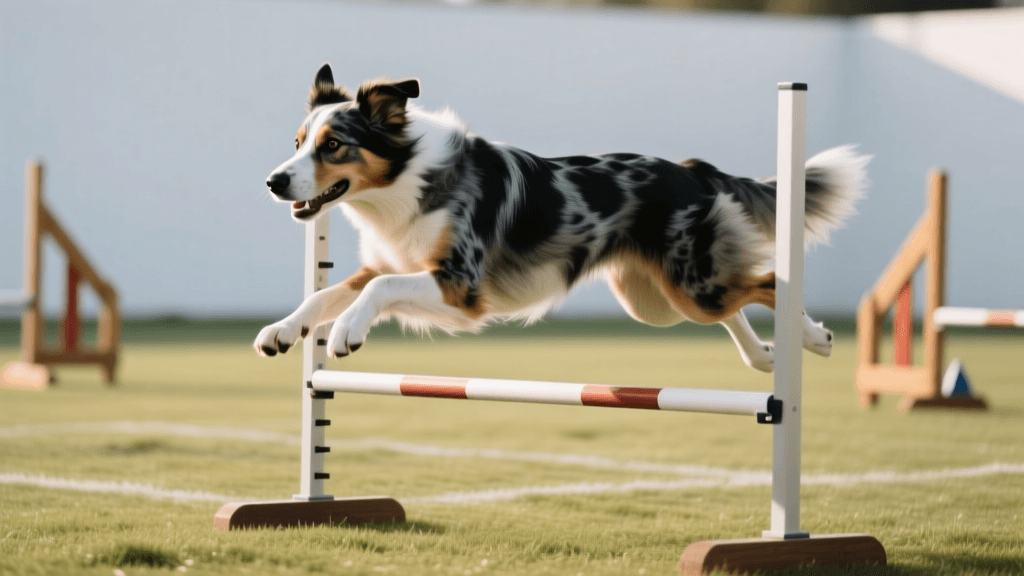
When a 50-pound Border Collie launches off a takeoff board to clear a 24-inch jump, the landing forces can exceed three times their body weight. Over the course of a weekend trial, these repetitive micro-traumas can lead to cartilage degradation, synovial inflammation, and early-onset osteoarthritis if not properly managed. This comprehensive 2026 guide explores the most effective, science-backed conditioning protocols, nutritional supplements, and recovery strategies to safeguard your agility dog's joint health.
Core Conditioning and Proprioception Training
A common misconception among novice handlers is that running agility courses is sufficient exercise for an agility dog. In reality, course running builds cardiovascular endurance and sport-specific skills, but it does not adequately build the deep stabilizing muscles required to protect the joints. In 2026, canine rehabilitation specialists universally recommend dedicated core and proprioception training as the foundation of joint health.
Cavaletti Pole Routines
Cavaletti poles are essential for teaching a dog to articulate their joints through a full range of motion while engaging the abdominal and epaxial muscles. For a medium-sized dog, set the poles at carpus height, spaced approximately one stride length apart. Have your dog walk through the poles on a loose leash for 10 to 15 minutes, three times a week. This low-impact exercise encourages spinal flexion and extension, improving overall body awareness and reducing the likelihood of clumsy, joint-jarring landings on the course.
Balance Discs and Inflatable Equipment
Using tools like inflatable balance discs or peanut-shaped fitness balls forces the dog to engage their deep core stabilizers. Having your dog perform a 'sit-to-stand' while their front paws are planted on an unstable surface recruits the small stabilizing muscles around the shoulder and elbow joints. Aim for three sets of 10 repetitions, twice a week. Always ensure the equipment is properly inflated to the manufacturer's 2026 safety specifications to prevent sudden deflation and injury.
Top Joint Supplements for Agility Dogs (2026 Market Review)
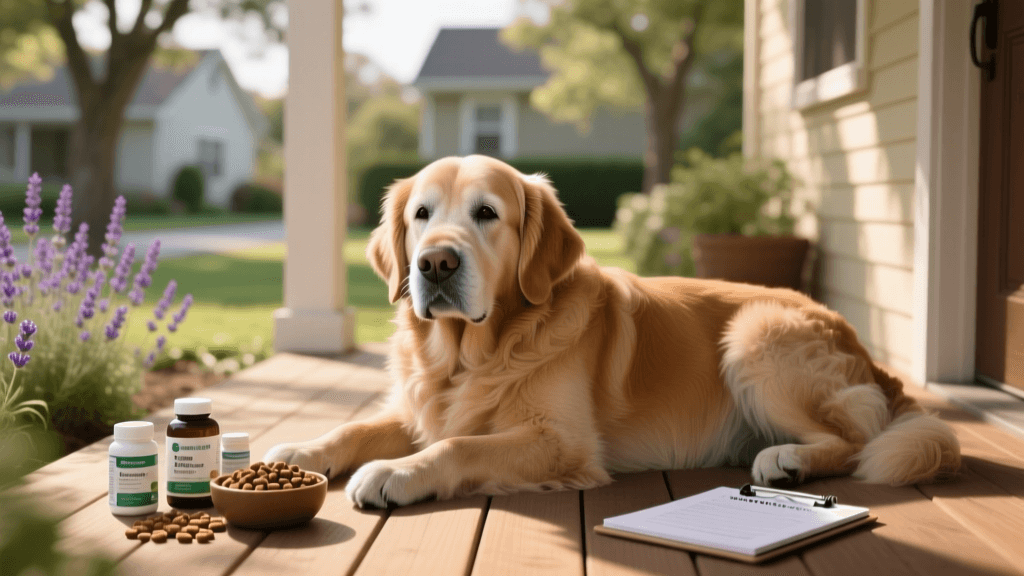
The nutraceutical market for canine joint health has expanded significantly, moving beyond basic glucosamine into highly bioavailable, targeted therapies. When selecting a supplement for an active agility dog, it is crucial to look for products that have undergone independent third-party testing for purity and potency. Below is a comparison of the leading joint support ingredients recommended by veterinary sports medicine specialists this year.
| Supplement Type | Primary Benefit | 2026 Average Monthly Cost | Best For |
|---|---|---|---|
| Undenatured Type II Collagen (UC-II) | Modulates immune response to prevent cartilage breakdown | $35 - $45 | Preventative care in young, active agility dogs |
| Liposomal Curcumin | Potent anti-inflammatory that crosses the cellular membrane | $40 - $60 | Managing acute inflammation post-trial |
| Green Lipped Mussel (GLM) | Provides a natural matrix of ETA, EPA, DHA, and glycosaminoglycans | $25 - $35 | Long-term joint lubrication and cartilage support |
| Eggshell Membrane | Rich in elastin, collagen, and amino acids for tissue repair | $30 - $50 | Senior dogs or those recovering from soft tissue injuries |
While supplements are highly beneficial, they should be viewed as part of a holistic approach. The ASPCA's exercise and care guidelines remind us that no supplement can outwork a poor conditioning program or an improper warm-up routine. Always consult with your veterinarian or a board-certified veterinary nutritionist before introducing new nutraceuticals, especially if your dog is on prescription medications.
Warm-Up and Cool-Down Protocols
Skipping a warm-up is one of the most common causes of acute soft tissue injuries in dog sports. In 2026, the standard for elite agility teams involves a minimum 15-minute dynamic warm-up before the dog ever approaches the start line.
The Dynamic Warm-Up
Dynamic stretching involves moving the joints through their full range of motion without holding the stretch. Begin with five minutes of brisk trotting on a flat, even surface to increase core body temperature and blood flow to the muscles. Follow this with 'figure-eight' weaving through your legs, which warms up the spine and hip joints. Incorporate a few 'play bows' and 'begs' (sitting up on hind legs) to engage the core and shoulder girdle. Avoid static stretching (holding a muscle in an extended position) before running, as this temporarily decreases muscle power and stability.
The Cool-Down and Recovery
After the run, the cool-down is critical for flushing lactic acid from the muscles and returning the heart rate to baseline. Walk your dog for at least 10 minutes. Once the dog is completely dry and their breathing has normalized, you can perform gentle static stretching and massage. Many top competitors in 2026 also utilize portable photobiomodulation (laser therapy) devices or canine-specific compression coats to accelerate cellular repair and reduce delayed onset muscle soreness (DOMS).
Biometric Monitoring and Early Fatigue Detection
One of the most exciting advancements in canine sports medicine is the integration of biometric tracking. The latest 2026 models of smart GPS and biometric collars allow handlers to monitor their dog's resting heart rate, heart rate variability (HRV), and sleep architecture. A sudden drop in HRV or an increase in resting heart rate can be an early indicator of systemic inflammation, overtraining, or hidden joint pain, often days before the dog shows any visible lameness.
By tracking these metrics, handlers can make data-driven decisions about when to push their dog in training and when to implement a 'micro-dosing' recovery day. Furthermore, international bodies like the Fédération Cynologique Internationale (FCI) continue to update their agility regulations to prioritize canine welfare, making it the handler's responsibility to ensure their dog is physically and mentally fit to compete on any given day.
Recognizing the Subtle Signs of Joint Pain
Dogs are stoic creatures, and an agility dog will often run through pain because their drive and love for the game override their physical discomfort. It is vital to look for subtle behavioral changes rather than waiting for an obvious limp. Signs of underlying joint fatigue or pain include:
- Reluctance to jump into the car or onto the bed after a trial weekend.
- Decreased accuracy on the dog walk or A-frame contact zones.
- Widening of the stance when standing still.
- Changes in posture, such as a roached back or tucked pelvis.
- Decreased enthusiasm for the start line or avoiding the tunnel entrance.
If you notice any of these signs, cease agility training immediately and consult a veterinary sports medicine specialist. Early intervention through targeted rehabilitation, acupuncture, or prescription joint medications can often reverse the damage and extend your dog's competitive career by several years.
Conclusion
Competing in canine agility in 2026 requires a partnership built on trust, communication, and a deep commitment to your dog's physical wellbeing. By implementing structured core conditioning routines, utilizing advanced joint supplements, adhering to strict warm-up protocols, and leveraging modern biometric data, you can significantly reduce the risk of joint injuries. Remember that your dog's health and happiness must always take precedence over a qualifying score or a championship title. A well-conditioned, pain-free dog is not only a safer athlete but a joyful companion for life.
beth-carrasco
All our authors care for dogs every day — read more of their work on the authors page.