Agility Dog Conditioning 2026: Core & Joint Health Guide
Discover the ultimate 2026 guide to agility dog conditioning. Learn core exercises, joint supplements, and injury prevention for canine athletes.
The Evolution of Canine Sports Medicine in 2026
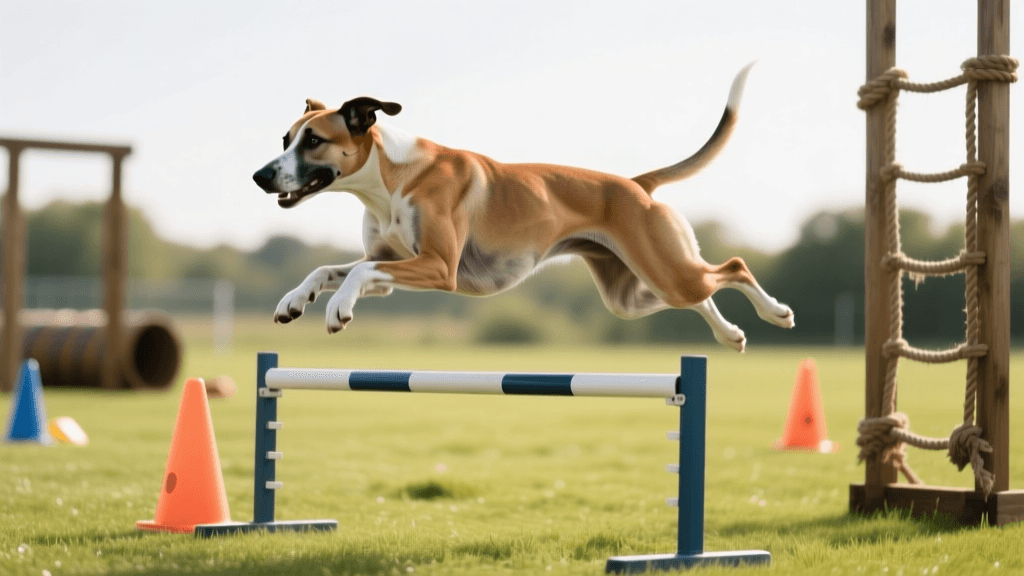
As we navigate the competitive landscape of 2026, dog agility has evolved from a simple recreational hobby into a highly demanding canine sport that requires elite athletic conditioning. Today's agility courses feature tighter turns, higher jump heights relative to dog size, and more complex obstacle sequences than ever before. Consequently, the margin for injury has narrowed, making proactive health and wellbeing management essential for every handler. According to the American College of Veterinary Sports Medicine and Rehabilitation, structured conditioning programs can reduce the incidence of soft tissue injuries in canine athletes by up to 40%. This comprehensive guide will walk you through the most effective core strengthening routines, joint preservation strategies, and recovery protocols to keep your agility dog performing at their peak in 2026.
Biomechanics of the Agility Dog: Why Core Strength Matters
When a dog launches off an A-frame or decelerates to weave through poles, their spine and extremities endure forces equivalent to several times their body weight. A weak core forces the dog to compensate using their peripheral muscles and joints, leading to premature fatigue and a higher risk of iliopsoas strains, cruciate ligament tears, and spinal issues. Core conditioning is not just about building abdominal muscles; it involves strengthening the multifidus muscles along the spine, the pelvic floor, and the diaphragm. By stabilizing the torso, your dog can transfer power more efficiently from their hindquarters to their front end, resulting in faster course times and cleaner jump bars.
Essential Core Conditioning Equipment for 2026
To build a resilient canine athlete, you need equipment that challenges their proprioception and forces micro-adjustments in their musculature. The gold standard for canine fitness remains inflatable, unstable surfaces. Here are the top tools recommended by veterinary rehabilitation specialists this year:
- FitPaws Peanut: The elongated shape of the Peanut is ideal for beginners and advanced dogs alike. It allows the dog to stand with all four paws on the unstable surface while the handler lures them through weight-shifting exercises. The 2026 models feature enhanced anti-burst PVC and improved traction ridges to prevent paw slippage during intense core holds.
- K9 Fitness Zone Donut and Pods: These smaller, highly unstable air-filled discs are perfect for isolating individual limbs. By asking your dog to place one or two paws on a Donut while keeping the others on the floor, you engage the deep stabilizing muscles of the shoulder and hip joints.
- Balance Discs (Wobble Boards): Excellent for advanced proprioceptive training. Modern wobble boards with adjustable fulcrums allow you to increase the instability as your dog's core strength improves.
The 2026 Weekly Conditioning Schedule
Consistency is the cornerstone of injury prevention. Below is a structured, balanced weekly conditioning template designed for an active agility dog competing at the Masters or Elite level. Always tailor the duration to your dog's current fitness baseline.
| Day | Focus Area | Equipment Needed | Duration |
|---|---|---|---|
| Monday | Core Stability & Balance | FitPaws Peanut, Treat Lure | 15 Minutes |
| Tuesday | Active Recovery / Stretching | Yoga Mat, Massage Roller | 10 Minutes |
| Wednesday | Hind End Awareness | K9 Fitness Pods, Cavalettis | 15 Minutes |
| Thursday | Rest Day | None (Light leash walk only) | 20 Minutes |
| Friday | Dynamic Warm-up & Sprint | Agility Jumps, Tug Toys | 20 Minutes |
| Saturday | Competition / Course Run | Full Agility Course | Event Dependent |
| Sunday | Cool-Down & Hydrotherapy | Swimming or Underwater Treadmill | 15 Minutes |
Joint Health: Supplements and Recovery Modalities
Even with perfect conditioning, the repetitive impact of agility takes a toll on canine cartilage and synovial fluid. In 2026, veterinary sports medicine heavily emphasizes a multi-modal approach to joint preservation, combining oral nutraceuticals with advanced physical therapies.
Top-Tier Joint Supplements
When selecting a joint supplement, look for products backed by clinical trials rather than marketing hype. Dasuquin Advanced remains a top recommendation among veterinary orthopedic surgeons. It combines glucosamine, chondroitin, and ASU (avocado/soybean unsaponifiables) to inhibit cartilage degradation. Another excellent option is GlycoFlex Max, which utilizes Perna canaliculus (green-lipped mussel) to provide a natural source of omega-3 fatty acids and glycosaminoglycans, reducing joint inflammation post-competition.
Photobiomodulation (Cold Laser Therapy)
Class IV therapeutic lasers have become a staple in the 2026 canine athlete's recovery toolkit. Photobiomodulation uses specific wavelengths of light to interact with tissue at the cellular level, accelerating the production of ATP (cellular energy) and reducing oxidative stress. Applying a cold laser to the shoulders, carpal joints, and hocks for 10 minutes after a grueling trial day can significantly decrease delayed onset muscle soreness (DOMS).
Dynamic Warm-Up and Cool-Down Protocols
Skipping the warm-up is one of the most common mistakes amateur handlers make. A proper warm-up increases core body temperature, enhances synovial fluid viscosity, and primes the nervous system for explosive movements. According to guidelines published by the Cornell University College of Veterinary Medicine, dynamic stretching is vastly superior to static stretching prior to exercise.
The 10-Minute Pre-Run Warm-Up
- Brisk Trot (3 mins): Start with a loose-leash trot to elevate the heart rate.
- Figure-Eight Weaving (2 mins): Walk your dog in tight figure-eight patterns through your legs to mobilize the spine and hips.
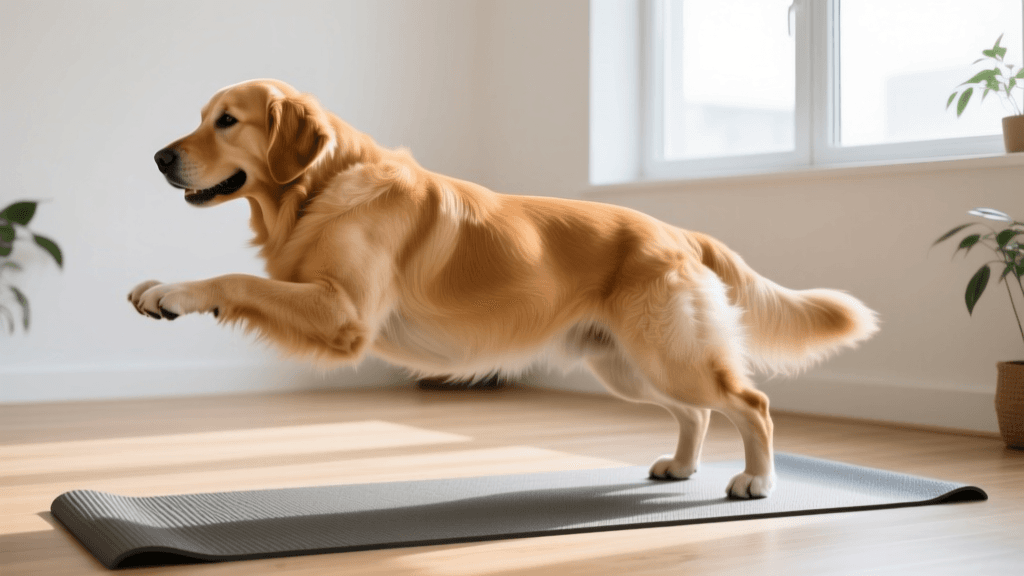
- Play Bow Stretches (2 mins): Lure your dog into a play bow position to stretch the hamstrings and lower back, then lure them up onto their hind legs to engage the core and stretch the hip flexors.
- Explosive Tug (3 mins): Engage in a controlled game of tug, encouraging your dog to drive from their hind end and change directions rapidly to fire up the fast-twitch muscle fibers.
The Post-Run Cool-Down
Immediately after leaving the ring, keep your dog moving at a slow walk for at least 5 to 10 minutes to prevent blood pooling in the extremities and to help flush lactic acid from the muscles. Follow this with gentle, static stretches for the front assembly (triceps and chest) and rear assembly (quadriceps and hamstrings), holding each stretch for 15 to 20 seconds.
Fueling the Canine Athlete: Performance Nutrition
An agility dog is a sprinter, but the all-day nature of trials requires immense endurance. The nutritional strategy for 2026 canine athletes focuses on high-fat, moderate-protein diets. Unlike humans, who rely heavily on glycogen (carbohydrates) for energy, dogs primarily utilize fat and protein for sustained muscle fuel. Feeding a performance diet like Purina Pro Plan SPORT 30/20 or Farmina N&D Quinoa Sport ensures your dog has the dense caloric intake required without the bulk of excessive carbohydrates. Furthermore, adding a pump of wild-caught salmon oil to their morning meal provides essential EPA and DHA omega-3s, which are critical for managing systemic inflammation caused by high-impact landings.
Recognizing Early Signs of Fatigue and Overtraining
Pushing a fatigued dog is a direct pathway to catastrophic injury. As a handler, you must become an expert at reading your dog's subtle body language. Signs that your dog's core is failing and they are compensating include: a dropped topline (sagging back) during jumps, knocking bars that they usually clear with ease, a wider stance in the weave poles, or reluctance to lie down and get back up. If you notice any of these micro-changes in biomechanics, end the training session immediately. The American Kennel Club continually emphasizes that the welfare of the dog must always supersede the desire for a qualifying run.
Conclusion
Competing in dog agility in 2026 requires a partnership built on trust, precision, and an unwavering commitment to your dog's physical wellbeing. By integrating unstable surface core training, utilizing advanced joint supplements, adhering to strict warm-up protocols, and fueling your dog with scientifically backed performance nutrition, you are not just chasing ribbons—you are investing in your dog's long-term health and mobility. A well-conditioned dog is a confident dog, and a confident dog will fly across the agility course with joy and power for years to come.
hannah-wickes
All our authors care for dogs every day — read more of their work on the authors page.