The Best Dog Breeds For Agility Competitions In 2026
Discover the best dog breeds for agility competitions in 2026. Learn how to select, evaluate, and train the perfect puppy prospect for canine sports.
Introduction to Canine Agility in 2026
Getting a dog is a monumental decision that shapes your daily life for the next decade or more. However, when your goal is to compete in dog sports, specifically agility, the stakes are significantly higher. You are not just looking for a loving couch companion; you are seeking a dedicated teammate, an elite athlete, and a competitive partner. In 2026, the world of canine agility is more competitive, scientifically informed, and accessible than ever before. Modern handling techniques and advanced canine sports psychology have leveled the playing field, but the foundation of success still begins with selecting the right puppy prospect.
Whether you are aiming for local weekend trials or national championships, choosing a breed and a specific puppy that aligns with your handling style, physical capabilities, and lifestyle is crucial. This comprehensive guide will walk you through the top breeds dominating the agility rings in 2026, how to evaluate a litter for sports potential, and the essential first steps to take when bringing your future champion home.
The Anatomy of an Agility Prospect
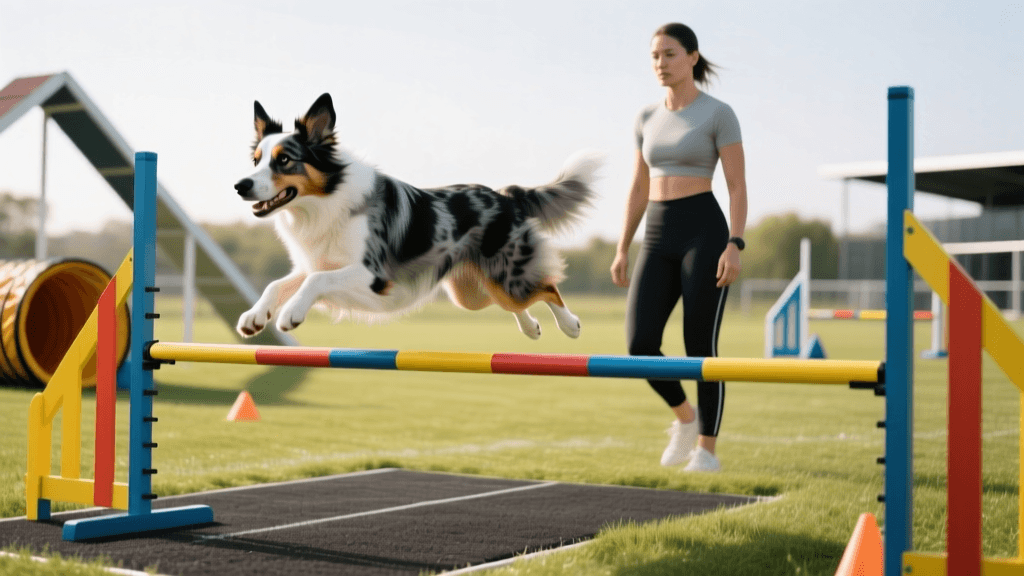
Before diving into specific breeds, it is essential to understand the physical and mental traits that make a successful agility dog. According to the American Kennel Club (AKC), agility requires a dog to navigate a complex obstacle course against the clock, demanding a unique blend of speed, flexibility, and handler focus. When evaluating a prospect, look for the following core traits:
- Structure and Angulation: A well-angled shoulder and a strong, level topline allow for efficient movement and jumping, reducing the risk of long-term joint injuries.
- Biddability: The dog must possess a natural desire to work with and please their handler, even in highly distracting environments.
- Prey Drive and Toy Motivation: High drive is the engine of an agility dog. A prospect that obsesses over a tug toy or tennis ball will be much easier to motivate through repetitive training drills.
- Resilience and Confidence: Agility courses feature loud noises, flapping tarps, and unstable surfaces like the teeter-totter. A puppy must be environmentally stable and quick to recover from sudden startles.
Top Breeds Dominating the Agility Ring in 2026
1. Border Collie
The Border Collie remains the undisputed gold standard in dog agility. Renowned for their explosive speed, tight turning radius, and unparalleled work ethic, they consistently top the podium in the highest jump height classes. In 2026, responsible breeders are heavily prioritizing mental stability and "off-switches" alongside physical speed, addressing historical concerns about over-arousal. A well-bred Border Collie is a dream for experienced handlers who can provide the intense mental and physical stimulation they require.
2. Shetland Sheepdog (Sheltie)
Often described as a "Border Collie in a smaller package," the Sheltie is incredibly agile, vocal, and deeply bonded to their handler. They excel in the 12-inch and 16-inch jump height categories, making them ideal for handlers who prefer a smaller dog or have physical limitations that make running with a large dog difficult. Shelties are highly sensitive, meaning they respond beautifully to the modern, positive-reinforcement-based handling methods that dominate the 2026 competition scene.
3. Belgian Malinois
While traditionally known for bite sports and police work, the Belgian Malinois has surged in agility popularity due to their raw power and endurance. They are not for the faint of heart or the novice handler. A Malinois requires clear, consistent boundaries and an outlet for their immense drive. When trained properly, their ability to power through challenging course sequences and recover from handling errors is unmatched.
4. Parson Russell Terrier
Do not let their small stature fool you. The Parson Russell Terrier is a fearless, high-octane athlete that excels in the lower jump height classes. Bred to hunt foxes, they possess incredible problem-solving skills and a relentless attitude. They are an excellent choice for handlers looking for a compact, sturdy dog with the heart of a lion, though their independent terrier streak requires a handler with a great sense of humor and impeccable timing.
5. The All-American Mixed Breed
Mixed breeds, often competing in the "All-American" or "Performance" classes, are making massive waves in the agility community. With the rise of canine genetic testing and specialized rescue organizations in 2026, finding a mixed-breed puppy with the physical structure and drive for sports is easier than ever. Many top competitors now proudly run rescues, proving that drive and structure matter far more than a pedigree.
2026 Agility Breed Comparison Chart
The following table provides a quick reference to help you match a breed's characteristics with your handling experience and lifestyle.
| Breed | Average Height | Primary Jump Category | Drive Level | Handler Experience Needed |
|---|---|---|---|---|
| Border Collie | 19 - 22 inches | 20" / 24" (Elite) | Extremely High | Intermediate to Advanced |
| Shetland Sheepdog | 13 - 16 inches | 12" / 16" (Medium) | High | Novice to Advanced |
| Belgian Malinois | 22 - 26 inches | 20" / 24" (Elite) | Extremely High | Advanced Only |
| Parson Russell Terrier | 12 - 14 inches | 12" / 16" (Medium) | High | Intermediate |
| Mixed Breed (Athletic) | Varies | Varies | Moderate to High | Novice to Advanced |
Evaluating Health, Structure, and Lineage
Once you have selected a breed, the next critical step in getting a dog for sports is evaluating the specific litter. In 2026, ethical sports breeders perform extensive health testing to ensure longevity in the ring. You must verify that both parents have been cleared for hip and elbow dysplasia. The Orthopedic Foundation for Animals (OFA) maintains a public database where you can verify the health clearances of the sire and dam. Never purchase a sports prospect from a breeder who cannot provide OFA or PennHIP certifications for the parents.
Beyond physical health, temperament testing is vital. Many sports breeders utilize specialized puppy aptitude tests around 7 to 8 weeks of age. These tests evaluate a puppy's reaction to novel surfaces, sudden loud noises (like a dropped metal pan), and prey drive stimulation. For agility, you want a puppy that investigates novel objects confidently rather than retreating, and one that shows an immediate, intense interest in a dragged toy.
Understanding 2026 Competition Rules and Classes
When getting a dog with the intent to compete, you must understand the landscape of the sport. The United States Dog Agility Association (USDAA) and other major sanctioning bodies have updated their class structures to accommodate dogs of all sizes and ages. In 2026, there is a heavy emphasis on "Starters" and "Novice" classes designed to build confidence without the pressure of complex international course designs. Furthermore, many organizations now offer "Veterans" or "Senior" classes with lowered jump heights and extended course times, ensuring your dog can safely enjoy the sport well into their golden years. Understanding these pathways will help you set realistic, long-term training goals from the moment your puppy comes home.
First Steps Home: Building the Sports Bond
Bringing your agility prospect home is thrilling, but the first few weeks should focus entirely on foundation skills and relationship building, not obstacle training. Introducing jumps or weave poles too early can cause severe physical damage to developing growth plates and create bad habits that are difficult to fix later.
1. Crate Games and Confinement Training
Agility trials are chaotic, loud, and highly stimulating. Your dog must learn to relax in a crate while you walk courses or wait for your turn. Start playing "crate games" on day one, teaching your puppy that the crate is a rewarding, safe space where they can decompress away from the noise of the trial grounds.
2. Engagement and Toy Play
Developing a robust system of toy reward is critical. Spend time teaching your puppy how to play tug properly, including a reliable "out" or "drop" command. A dog that will happily tug in any environment is a dog that can be rewarded instantly on the agility field, keeping their drive and focus laser-sharp.
3. Body Awareness and Paw Targeting
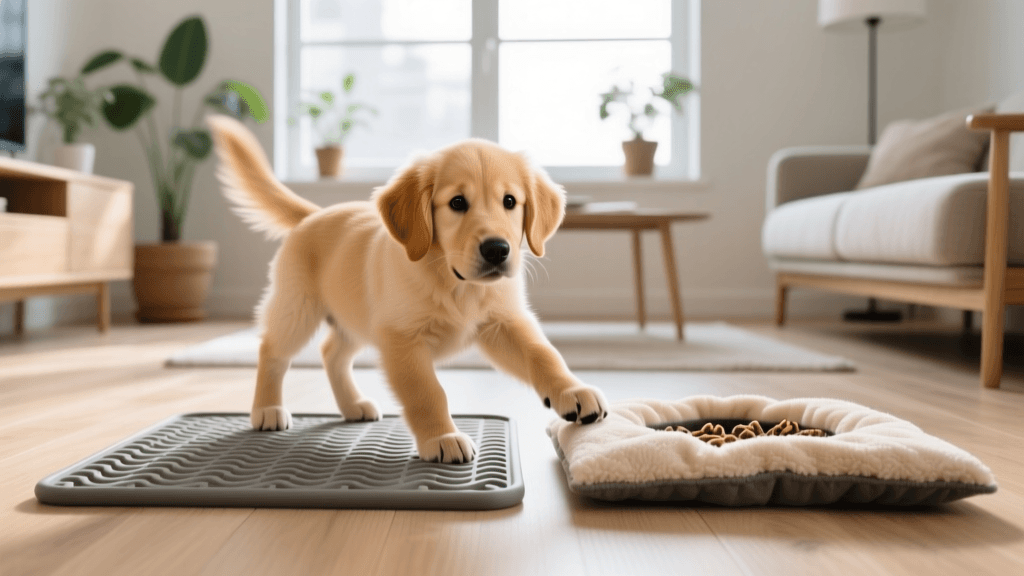
Agility requires incredible rear-end awareness. Use a low, stable target (like a flat rubber mat or a low paw pod) to teach your puppy to place their front or rear paws on an object. This foundational skill translates directly to safe, accurate contacts on the A-frame and dogwalk later in their career.
4. The Recall and Emergency Stop
While agility is mostly off-leash, safety is paramount. Build a rock-solid recall and teach a "stop" or "down at a distance" command. This not only keeps your dog safe in unfenced areas but also translates to the "stop on the table" obstacle required in many standard agility courses.
Conclusion
Getting a dog for agility competitions is a deeply rewarding journey that requires careful planning, research, and dedication. By selecting a breed that matches your lifestyle, rigorously evaluating health and temperament, and focusing on foundational relationship-building from day one, you are setting the stage for a successful partnership. The agility ring in 2026 celebrates the incredible bond between human and canine, and with the right prospect by your side, you are ready to cross that start line with confidence.
priya-sutaria
All our authors care for dogs every day — read more of their work on the authors page.