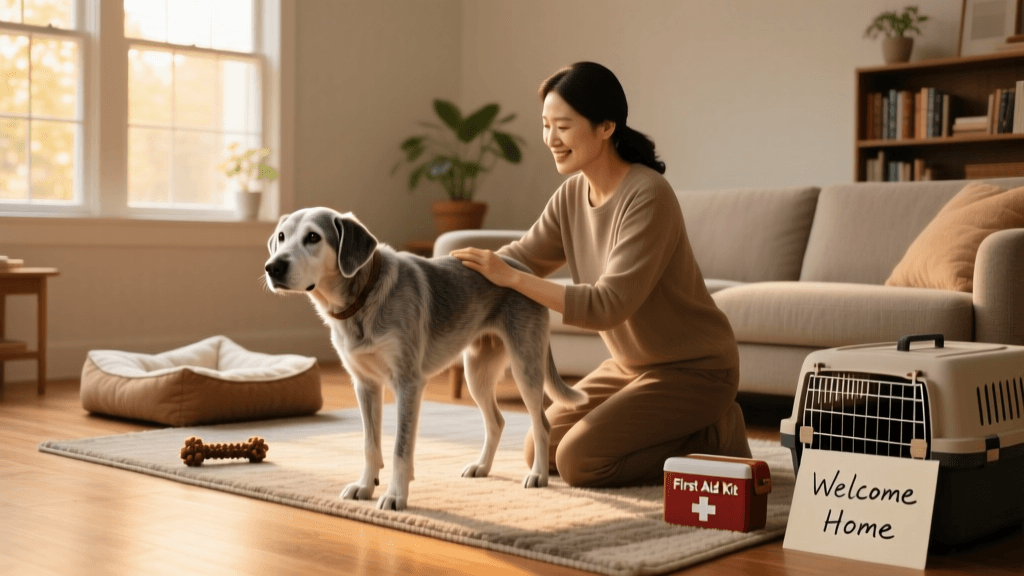
Getting a Senior Dog: Essential Prep and Care Guide
Discover what to expect when adopting a senior dog. Learn essential prep steps, home modifications, and life stage care tips for older canine companions.
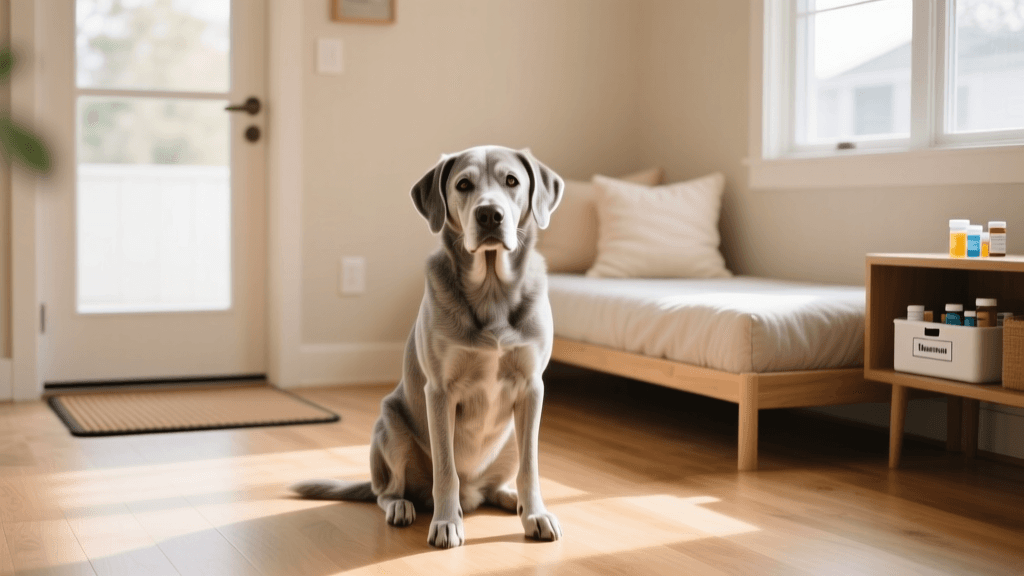
Why Choose a Senior Dog?
When most people begin the journey of getting a dog, their minds immediately drift toward the chaotic, adorable world of puppies. However, adopting a senior dog is one of the most profoundly rewarding decisions a prospective pet parent can make. Older dogs offer a unique set of advantages: they are often already house-trained, possess established personalities, and generally require less strenuous physical exercise than their younger counterparts. By choosing to bring an older canine into your home, you are not only skipping the destructive chewing and potty-training phases, but you are also providing a loving sanctuary for a dog in their golden years.
That said, transitioning a senior dog into a new environment requires a distinct approach to life stage care. Aging bodies and minds need specific accommodations, tailored nutrition, and a gentle decompression period. This comprehensive guide will walk you through the essential preparations, home modifications, and veterinary baselines necessary to ensure your senior dog thrives in their new forever home.
Defining the Senior Life Stage
Before you can properly prepare your home, it is crucial to understand what constitutes a "senior" dog. The American Animal Hospital Association (AAHA) notes that a dog enters their senior years when they reach the last 25% of their expected lifespan. Because life expectancy varies drastically by breed and size, the onset of seniority is not a one-size-fits-all metric.
- Small Breeds (under 20 lbs): Typically considered senior around 10 to 12 years of age.
- Medium Breeds (20-50 lbs): Generally enter their senior stage around 8 to 10 years.
- Large and Giant Breeds (50+ lbs): May be classified as seniors as early as 5 to 7 years old.
According to the 2023 AAHA Senior Care Guidelines, proactive screening and environmental adjustments are vital during this life stage to maintain a high quality of life and catch underlying metabolic or orthopedic issues before they become severe.
Essential Home Modifications for Aging Joints and Senses
Preparing your home for a senior dog goes far beyond buying a leash and a food bowl. You must view your living space through the lens of an animal that may be experiencing osteoarthritis, diminished vision, or early-stage cognitive decline.
Orthopedic Support and Bedding
Standard, flat dog beds offer virtually no support for aging joints. Investing in a high-quality orthopedic bed is non-negotiable. The Big Barker 7-inch Orthopedic Dog Bed is widely considered the gold standard for large breed seniors, utilizing therapeutic foam that prevents the bed from pancaking over time. For smaller breeds, memory foam beds with bolstered edges provide both joint relief and a sense of security. Expect to invest between $150 and $300 in a bed that will genuinely protect your dog's hips and elbows.
Mobility Aids and Traction
Hardwood and tile floors are the enemy of the senior dog. As muscle mass decreases (a condition known as sarcopenia), older dogs lose the hind-end strength required to navigate slippery surfaces.
- Runway Rugs and Yoga Mats: Create designated "runways" through high-traffic areas of your home using non-slip rugs or interlocking foam yoga mats.
- Pet Ramps and Stairs: If your senior dog is accustomed to sleeping on the bed or couch, forcing them to jump down can result in catastrophic spinal or ligament injuries. The PetSafe Happy Ride Folding Pet Ramp or foam-based pet stairs allow them to maintain their favorite routines safely.
Lighting and Cognitive Support
Canine Cognitive Dysfunction (CCD) is akin to dementia in humans. Dogs with CCD often become disoriented in the dark. Install motion-sensor LED nightlights in hallways, near the dog's bed, and along the path to the backyard door to help guide them during nighttime potty breaks.
The First Veterinary Visit: Establishing a Baseline
Within the first week of bringing your senior dog home, schedule a comprehensive veterinary exam. Do not rely solely on the shelter's initial health screening. The American Kennel Club (AKC) recommends that senior dogs receive veterinary check-ups at least twice a year, as their health status can change rapidly.
Request a Senior Wellness Blood Panel that includes:
- Complete Blood Count (CBC) and Chemistry Panel: To evaluate kidney and liver function.
- Thyroid Testing: Hypothyroidism is incredibly common in older dogs and can cause lethargy, weight gain, and skin issues.
- Urinalysis: Crucial for detecting early signs of kidney disease, diabetes, or urinary tract infections.
- Comprehensive Dental Exam: Dental disease is a silent killer in senior dogs, often leading to systemic heart and kidney infections. Be prepared for the likelihood of a professional dental cleaning under anesthesia.
Cost Comparison: Puppy vs. Senior Dog First-Year Expenses
Many adopters assume that getting a senior dog is significantly cheaper than getting a puppy. While you avoid the initial spay/neuter and puppy vaccination series, senior dogs often require specialized gear and ongoing medical management. Below is a comparative breakdown of estimated first-year costs.
| Expense Category | Puppy (0-1 Year) | Senior Dog (7+ Years) |
|---|---|---|
| Adoption / Purchase Fee | $150 - $2,500+ | $50 - $300 (Often discounted) |
| Spay/Neuter & Initial Vaccines | $300 - $600 | $0 (Usually already completed) |
| Orthopedic Bed & Mobility Aids | $40 - $80 | $200 - $450 |
| Senior Bloodwork & Dental Baseline | $100 (Basic Puppy Exam) | $400 - $800 |
| Joint Supplements & Specialized Diet | $50 | $250 - $500 |
| Preventatives (Flea/Tick/Heartworm) | $150 - $250 | $150 - $250 |
Note: While the upfront costs for a senior dog's specialized gear and diagnostics can be higher, you save significantly on behavioral training, crate training, and emergency surgeries related to puppy destructiveness.
Nutrition and Cognitive Enrichment
A senior dog's metabolism slows down, meaning they require fewer calories to prevent obesity, which exacerbates joint pain. However, their need for high-quality, easily digestible protein remains high to prevent muscle wasting.
Consider transitioning to a senior-specific formula, such as Purina Pro Plan Bright Mind, which utilizes medium-chain triglycerides (MCTs) to support cognitive function and mental alertness. Additionally, incorporating a veterinary-recommended joint supplement like Dasuquin Advanced or Cosequin can provide glucosamine, chondroitin, and ASU to protect remaining cartilage.
Physical exercise must be adjusted to low-impact activities like leisurely sniffaris or swimming, but mental exercise should remain robust. Use snuffle mats, lick mats, and puzzle feeders to keep their brain engaged. Organizations like The Grey Muzzle Organization, which funds programs for senior dogs, emphasize that mental enrichment is just as critical as physical comfort in staving off cognitive decline.
Applying the 3-3-3 Rule to Older Dogs
The 3-3-3 rule of dog adoption is a well-known framework for understanding the decompression process. While often applied to puppies or traumatized rescues, it is equally vital for senior dogs, who may be deeply grieving the loss of their previous home or owner.
"Older dogs have a lifetime of habits and attachments. When you adopt a senior, you are asking them to rewrite the final chapters of their life story in a completely new language. Patience is your most valuable tool."
- The First 3 Days (Decompression): Your dog may sleep excessively, refuse to eat, or hide. This is normal. Provide a quiet, low-stimulation space and let them approach you on their own terms.
- The First 3 Weeks (Adjustment): Your dog will begin to learn your routine, figure out where the potty breaks happen, and start showing their true personality. Mild behavioral quirks may appear as they test boundaries.
- The First 3 Months (Integration): Trust and a deep bond are formed. The dog realizes this is their permanent home, and their anxiety levels should significantly decrease.
Final Thoughts
Getting a senior dog is a profound commitment to empathy and compassionate life stage care. You are acutely aware that your time together will be shorter than it would be with a puppy, but the depth of gratitude and quiet companionship an older dog offers is unparalleled. By preparing your home with mobility aids, establishing a rigorous veterinary baseline, and adjusting your expectations to match their physical capabilities, you ensure that your senior dog's final years are truly their best years.
jonas-cole
All our authors care for dogs every day — read more of their work on the authors page.