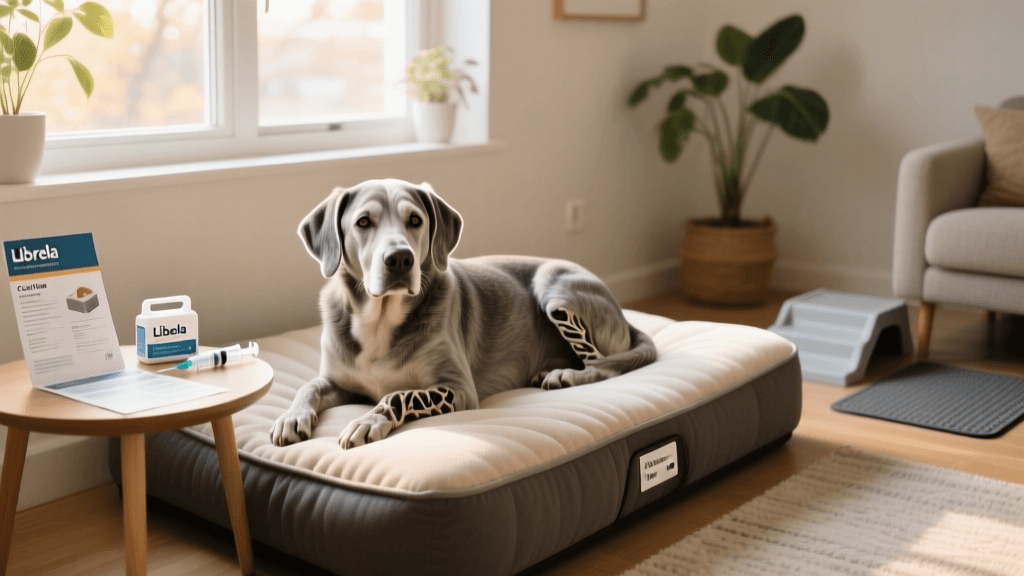
Adopting a Senior Dog in 2026: Osteoarthritis Home Prep
Adopting a senior dog in 2026? Learn day-one home prep, orthopedic bed picks, and early osteoarthritis treatment strategies for your new furry friend.
The Reality of Adopting a Senior Dog with Joint Issues
Choosing to adopt a senior dog is one of the most rewarding decisions a prospective pet owner can make. However, when you are getting a dog over the age of seven—especially large breeds like German Shepherds, Labrador Retrievers, or Golden Retrievers—you must be prepared to manage canine osteoarthritis (OA). According to the American College of Veterinary Surgeons, osteoarthritis is a degenerative joint disease that affects a vast majority of senior dogs, leading to chronic pain, stiffness, and reduced mobility.
If you are bringing a senior rescue home in 2026, treating osteoarthritis shouldn't begin after you notice your dog limping; it should begin the moment you decide to adopt. Preparing your home, establishing a veterinary baseline, and understanding the latest 2026 treatment protocols are essential steps in the 'Getting a Dog' process for senior animals. This guide will walk you through exactly how to set up your home and your care routine for a senior dog with osteoarthritis.
Understanding Canine Osteoarthritis in Senior Rescues
Osteoarthritis occurs when the protective cartilage in a dog's joints wears down over time, causing bone-on-bone friction, inflammation, and chronic pain. Unlike acute injuries, OA is a progressive condition. Many shelter dogs arrive with undocumented histories of hip dysplasia, cranial cruciate ligament (CCL) tears, or general wear-and-tear that has accelerated joint degradation.
The American Kennel Club notes that early signs of OA in newly adopted dogs are often mistaken for 'normal aging' or 'slowing down.' You might notice your new dog hesitating before jumping into the car, lagging behind on walks, or exhibiting stiffness after resting. Recognizing these subtle signs during the first week of adoption is critical for implementing a proactive treatment plan.
Pre-Adoption Vet Consult: Setting Up an OA Treatment Plan
Before you even bring your new dog home, schedule a 'getting acquainted' veterinary exam. In 2026, veterinary medicine has advanced significantly in managing chronic pain, moving away from relying solely on daily oral medications that can tax the liver and kidneys over time.
Essential Baseline Diagnostics
- Orthopedic X-Rays: Request full-hip and stifle (knee) radiographs to assess the severity of joint degeneration and rule out other issues like bone tumors.
- Comprehensive Blood Panel: Before prescribing Non-Steroidal Anti-Inflammatory Drugs (NSAIDs), your vet must check liver and kidney function to ensure your dog can safely metabolize the medication.
- Pain Assessment Scale: Work with your vet to establish a baseline using the Canine Brief Pain Inventory (CBPI) to track treatment efficacy over the first 30 days.
Day-One Home Modifications for Joint Health
When getting a dog with mobility issues, your home environment must be optimized to prevent slips, falls, and unnecessary joint strain. Do not wait until your dog struggles to navigate your house; make these modifications before their first day.
1. Traction and Flooring
Hardwood, tile, and laminate floors are notoriously dangerous for arthritic dogs. A single slip can cause a micro-tear in a compromised joint or a full cruciate rupture. Cover all primary walkways and resting areas with low-pile, non-slip area rugs. In 2026, interlocking foam puzzle mats (often used in home gyms) covered with washable, grip-backed runners are a highly recommended, cost-effective solution for large living spaces.
2. Ramps and Stairs
Never allow an arthritic senior dog to jump on or off furniture, or navigate steep staircases. Invest in a high-quality, adjustable ramp. The PetSafe CozyUp Folding Pet Ramp remains a top choice due to its high-traction surface and lightweight frame. Ensure the ramp's incline does not exceed 18 to 20 degrees; a steeper incline will put excessive downward force on the dog's front shoulders and wrists.
3. Orthopedic Sleeping Arrangements
Standard dog beds do not provide the structural support needed for osteoarthritic joints. You need a bed with high-density, therapeutic foam that prevents the dog's heavy joints (hips and elbows) from pressing through to the hard floor. The Big Barker 7-Inch Orthopedic Dog Bed (2026 model) is widely considered the gold standard. While it is a premium investment (typically ranging from $250 to $350 depending on size), its 10-year warranty and clinically proven ability to reduce joint pain make it a non-negotiable essential for senior large-breed adoptions.
2026 Osteoarthritis Treatment Landscape: What to Expect
The treatment of canine OA has evolved dramatically. Below is a comparison of the most common, vet-approved treatments available in 2026 to help you discuss options with your veterinarian.
| Treatment Type | Example (2026) | Administration | Best For | Estimated Monthly Cost |
|---|---|---|---|---|
| Monoclonal Antibodies (Biologics) | Librela (bedinvetmab) | Monthly subcutaneous injection at the vet | Dogs who cannot tolerate daily NSAIDs; long-term chronic pain | $80 - $150 (weight-dependent) |
| NSAIDs | Carprofen / Meloxicam | Daily oral chew or liquid | Acute flare-ups or dogs with healthy liver/kidney panels | $30 - $70 |
| Polysulfated Glycosaminoglycans | Adequan Canine | Series of intramuscular injections | Slowing cartilage degradation and improving joint lubrication | $50 - $90 (during loading phase) |
| Nutraceuticals / Supplements | Dasuquin Advanced with ESM | Daily oral soft chew | Mild OA or as an adjunct therapy alongside biologics | $40 - $60 |
Note: Always consult your veterinarian before starting any supplement or medication, as combinations can interact.
The First 30 Days: Diet, Exercise, and Monitoring
Bringing your senior dog home is just the beginning. The first 30 days are about establishing a sustainable routine that prioritizes joint health without sacrificing mental enrichment.
Strict Weight Management
Excess weight is the single greatest enemy of an arthritic dog. Every extra pound places exponential stress on compromised joints. Work with your vet to calculate your dog's ideal resting energy requirement (RER). In many cases, transitioning to a prescription joint-support diet, such as Hill's Prescription Diet j/d or Purina Pro Plan Veterinary Joint Mobility, provides targeted Omega-3 fatty acids (EPA) that naturally reduce joint inflammation.
Low-Impact Enrichment
Physical therapy doesn't mean forcing your dog on long, exhausting walks. Instead, focus on 'Sniffaris'—slow, mentally stimulating walks where the dog dictates the pace and spends time sniffing. Mental fatigue is just as effective as physical exercise for a senior dog. Additionally, if your budget and location allow, canine hydrotherapy (swimming or underwater treadmills) is an incredible way to build muscle mass around the joints without any impact stress.
Activity Tracking
To ensure you aren't overexerting your new dog, consider using a smart collar. The 2026 iterations of GPS and activity trackers, like the Fi Series 4, allow you to monitor your dog's daily step count and sleep quality. If you notice a sudden drop in activity or an increase in restless sleep, it is an early indicator that their pain management plan needs adjusting.
Conclusion: A Comfortable Life Awaits
Getting a dog with osteoarthritis requires foresight, financial preparation, and a deep well of empathy. By modifying your home with ramps and orthopedic beds, utilizing modern 2026 biologic treatments like Librela, and maintaining a strict weight management protocol, you can give a senior rescue dog a profoundly comfortable and joyful second chapter. Adopting a senior dog is not just about giving them a place to live; it's about giving them the power to move, play, and rest without pain.
aaron-whyte
All our authors care for dogs every day — read more of their work on the authors page.