Adopting a Senior Dog: Preparation and Care Guide
Discover the joys and unique requirements of adopting a senior dog. Learn how to prepare your home, manage health costs, and provide life stage care.
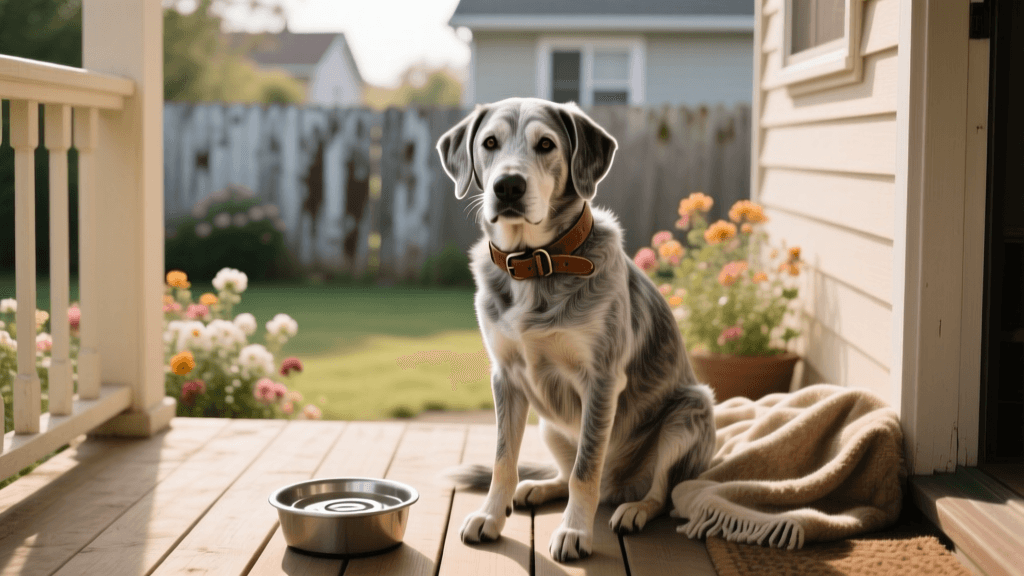
The Rewarding Journey of Adopting an Older Dog
When most people visit a shelter or browse rescue websites, their eyes naturally gravitate toward puppies and young adults. However, adopting a senior dog—typically defined as a canine over the age of seven—is one of the most profoundly rewarding decisions a pet parent can make. Senior dogs offer a unique set of advantages: they are often already house-trained, possess established personalities, and generally require less strenuous exercise than their younger counterparts. By choosing an older dog, you are not only gaining a deeply grateful and loyal companion but also saving a life, as senior dogs are historically the most overlooked demographic in animal shelters.
According to the ASPCA, dogs are generally considered senior when they reach the last 25% of their expected lifespan, which means large breeds may enter their senior years as early as age five or six, while small breeds might not show signs of aging until they are eight or older. Transitioning into the role of a senior dog guardian requires a shift in perspective. You are no longer preparing for a decade of high-energy growth; instead, you are preparing to provide comfort, dignity, and targeted life stage care for a dog's golden years. This guide will walk you through the essential steps to prepare your home, manage their evolving health needs, and ensure your new older companion thrives.
Preparing Your Home for a Senior Canine
Before bringing your senior dog home, it is crucial to audit your living space through the lens of mobility and comfort. Aging dogs frequently suffer from osteoarthritis, muscle atrophy, and decreased joint flexibility. Making proactive environmental modifications will prevent injuries and drastically improve their quality of life.
Mobility and Accessibility Modifications
Slippery hardwood or tile floors are a major hazard for older dogs. Invest in interlocking foam mats or secure non-slip area rugs to create designated "traction pathways" throughout your home, especially leading to their water bowls, bed, and the door. If your dog sleeps on your bed or rides in an SUV, do not rely on them jumping up or down. Purchase a pet ramp with a gentle 3:1 slope ratio (for every 3 inches of length, the ramp rises 1 inch) and a high-traction surface. For stairs, consider installing adhesive stair treads designed specifically for paws.
Additionally, elevate their feeding and watering stations. Raised ceramic or stainless steel bowls positioned at chest height reduce the strain on their neck and shoulder joints. For dogs with severe arthritis or spinal issues, consider a low-lip orthopedic bed featuring at least 4 inches of high-density memory foam to prevent pressure sores and support aching joints.
Lighting and Temperature Control
Sensory decline is a natural part of the aging process. As your dog's vision fades, navigating a dimly lit house can cause anxiety and lead to bumps or falls. Install motion-sensor nightlights in hallways, near their bed, and along the route to the backyard. Furthermore, senior dogs have a harder time regulating their body temperature. Ensure their resting areas are free from drafts in the winter and provide a cooling mat during the summer months to prevent overheating.
Understanding Senior Dog Health and Nutrition
Nutritional requirements shift dramatically as a dog ages. Their metabolism slows down, meaning they require fewer calories to maintain a healthy weight, yet they still need high-quality, easily digestible proteins to prevent muscle wasting. The American Kennel Club (AKC) recommends transitioning to a senior-specific diet that includes targeted supplements to support joint health and cognitive function.
Look for diets enriched with Omega-3 fatty acids (EPA and DHA), glucosamine, and chondroitin. If your dog has underlying kidney issues—a common ailment in older canines—your veterinarian may prescribe a diet restricted in phosphorus and sodium. Always transition foods gradually over 7 to 10 days to avoid gastrointestinal upset.
Adult vs. Senior Dog Care Comparison
| Care Category | Adult Dog (1-6 Years) | Senior Dog (7+ Years) |
|---|---|---|
| Veterinary Exams | Annual wellness check | Bi-annual exams with senior blood panels |
| Dietary Focus | Maintenance, high protein, active calories | Joint support, weight management, digestibility |
| Exercise Needs | 45-90 minutes of vigorous activity | Short, frequent, low-impact leash walks |
| Dental Care | Routine brushing, annual cleanings | Frequent monitoring for extractions, soft food options |
| Bedding | Standard plush or cot beds | Orthopedic memory foam, heated options |
Managing Sensory Loss and Cognitive Changes
As your new companion settles in, you may notice signs of sensory loss. Hearing loss often manifests as a lack of response to commands or sleeping more deeply. Transition to hand signals for basic commands like "sit," "stay," and "come." If your dog is losing their sight, avoid rearranging furniture, as they rely heavily on spatial memory to navigate their environment safely.
Cognitive Dysfunction Syndrome (CDS), akin to dementia in humans, affects a significant portion of senior dogs. Symptoms include disorientation, staring at walls, altered sleep-wake cycles, and forgetting house training. Organizations like The Grey Muzzle Organization emphasize that while CDS cannot be cured, it can be managed. Consult your vet about medications like Selegiline, or supplements containing medium-chain triglycerides (MCT oil) and antioxidants, which have been shown to support aging brain health. Maintaining a strict daily routine also provides immense psychological comfort to a dog experiencing cognitive decline.
Financial Planning for Senior Dog Care
It is vital to approach senior dog adoption with a realistic financial plan. While you save on the initial costs of puppyhood (like spay/neuter, initial vaccinations, and crate training), senior dogs require more frequent and specialized veterinary care. Expect to pay between $200 and $400 for comprehensive senior blood panels, which include a Complete Blood Count (CBC), chemistry panel, urinalysis, and thyroid testing. These bi-annual tests are crucial for catching diseases like diabetes, kidney failure, and hypothyroidism in their early, manageable stages.
"Adopting a senior dog is a beautiful commitment to compassion. While their time with you may be shorter, the depth of the bond you form is immeasurable, and the comfort you provide in their final years is the ultimate act of love."
Regarding pet insurance, be aware that many providers have age limits for new enrollments or will not cover pre-existing conditions. If insurance is not an option, set up a dedicated high-yield savings account specifically for your dog's medical emergencies, aiming to keep a buffer of $1,500 to $3,000 for unexpected treatments, dental extractions, or specialized diagnostics like ultrasounds.
The First 30 Days: Easing the Transition
The first month with a senior dog requires immense patience. Older dogs may have experienced the trauma of losing a previous owner, spending time in a loud shelter environment, or dealing with undiagnosed pain. During the first two weeks, limit visitors and keep the environment exceptionally quiet. Allow them to decompress at their own pace.
Schedule a baseline veterinary appointment within the first week. Bring any medical records provided by the rescue, and ask your vet to perform a thorough pain assessment. Many senior dogs suffer in silence, masking their arthritis or dental pain. Treating underlying pain is often the key to unlocking a senior dog's true, vibrant personality. By understanding their unique life stage needs and preparing your home and heart accordingly, you will provide a sanctuary where your senior dog can live out their golden years in peace, comfort, and profound love.
tom-renshaw
All our authors care for dogs every day — read more of their work on the authors page.