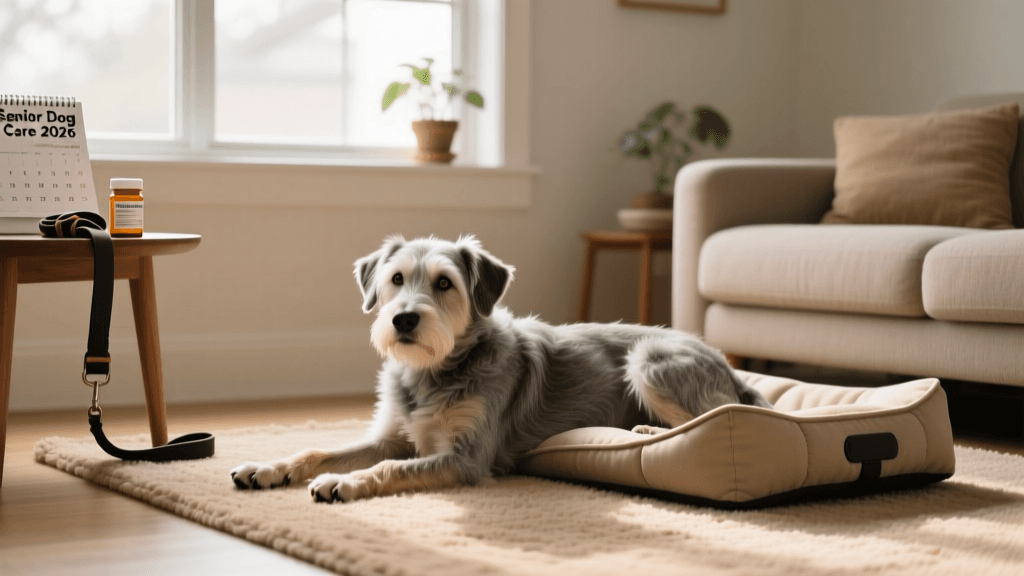
Adopting a Senior Dog With Canine OA in 2026: Guide
Learn how to prepare your home and manage treatment when adopting a senior dog with canine osteoarthritis in 2026. Essential tips for a smooth transition.
The Reward and Reality of Adopting a Dog with Canine OA
Choosing to bring a dog into your home is a life-changing decision, and opting to adopt a senior dog with pre-existing canine osteoarthritis (OA) is one of the most compassionate choices you can make. As of 2026, senior dogs make up a significant portion of the shelter population, and many are surrendered simply because their previous owners were unprepared for the mobility and pain management challenges that come with aging joints. By adopting a dog with OA, you are providing a dignified, comfortable, and loving environment for their golden years.
However, getting a dog with canine OA requires more than just love; it requires strategic home preparation, a solid understanding of modern veterinary pain management, and a commitment to ongoing multimodal therapy. In 2026, veterinary medicine has advanced tremendously, offering a wider array of treatments than ever before to keep arthritic dogs comfortable and active. This guide will walk you through the essential steps for preparing your home, managing first-day essentials, and navigating the current landscape of canine OA treatment.
Preparing Your Home: Flooring, Traction, and Accessibility
Before your new dog arrives, you must evaluate your home through the lens of a dog with compromised joint stability. Slipping and sliding on hard surfaces can cause micro-traumas to already inflamed joints, accelerating the progression of osteoarthritis and causing acute pain flare-ups.
Upgrading Your Flooring for Traction
If your home features hardwood, laminate, or tile flooring, you will need to create secure pathways. In 2026, the most effective and aesthetically pleasing solution is the use of interlocking foam floor tiles or high-traction, low-pile area rugs. Avoid thick, plush rugs that can bunch up and trip a dog with weak hind legs. Instead, look for rugs with a high-density rubber backing that grips the floor firmly. Place these rugs in high-traffic areas, leading to the dog's bed, food bowls, and the door to the yard.
Strategic Ramp and Stair Placement
Dogs with OA should not be jumping on or off furniture, nor should they be navigating steep staircases. Invest in high-quality, adjustable pet ramps. When selecting a ramp, pay close attention to the incline angle; a slope greater than 18 degrees can be too steep for an arthritic dog to descend safely. Look for ramps with a minimum width of 16 inches and a high-traction, ribbed rubber surface. Place ramps next to your bed, the sofa, and the backseat of your vehicle to ensure your dog can maintain their favorite routines without the jarring impact of jumping.
First-Day Essentials: Bedding and Comfort
On the first day your dog arrives, their primary need will be a safe, supportive place to rest. Standard pet beds are entirely insufficient for a dog with canine OA. You must invest in a true orthopedic bed designed to relieve pressure points on the hips, elbows, and shoulders.
- High-Density Memory Foam: Look for beds featuring at least 4 to 6 inches of high-density, therapeutic memory foam. Egg-crate foam is not sufficient for severe OA as it compresses too easily under the weight of a senior dog.
- Waterproof Liners: Senior dogs may experience age-related incontinence. A removable, machine-washable cover with a waterproof inner liner is an absolute necessity to maintain hygiene without destroying the foam core.
- Bolstered Edges: Beds with low-profile, firm bolsters provide a sense of security and offer a physical barrier that prevents the dog from rolling onto cold, hard floors while sleeping.
Navigating the 2026 Canine OA Treatment Landscape
Once your home is prepared, the next critical step is establishing a veterinary care plan. According to the American Kennel Club, osteoarthritis is a degenerative joint disease that requires lifelong, multimodal management. In 2026, the standard of care has shifted away from relying solely on daily oral NSAIDs (Non-Steroidal Anti-Inflammatory Drugs) due to the long-term risks to the liver and kidneys in senior dogs. Instead, veterinarians now prioritize a combination of targeted biologics, physical therapy, and joint-supportive nutrition.
Comparison of Modern OA Treatments
The following table outlines the primary treatment options available in 2026 for managing canine osteoarthritis:
| Treatment Type | Mechanism of Action | Pros | Cons | Est. Monthly Cost (2026) |
|---|---|---|---|---|
| Anti-NGF Monoclonal Antibodies (e.g., Librela) | Neutralizes Nerve Growth Factor, blocking pain signals at the nerve level. | Highly effective; minimal liver/kidney processing; monthly injection. | Requires veterinary visits for administration; occasional injection site swelling. | $80 - $150 |
| Oral NSAIDs (e.g., Carprofen, Meloxicam) | Reduces inflammation and pain by inhibiting COX enzymes. | Fast-acting; effective for acute flare-ups; inexpensive. | Long-term use requires strict blood monitoring; risk of GI and renal issues. | $20 - $60 |
| Therapeutic Laser (Photobiomodulation) | Uses specific light wavelengths to reduce cellular inflammation and promote healing. | Non-invasive; zero side effects; excellent for localized joint pain. | Requires frequent clinic visits or expensive at-home device purchase. | $50 - $100 per session |
| Omega-3 Joint Supplements (EPA/DHA) | Provides high-dose eicosapentaenoic acid to naturally inhibit joint inflammation. | Supports overall health; safe to combine with all other medications. | Takes 4-6 weeks to see clinical improvement; not a standalone painkiller. | $30 - $70 |
The Rise of Anti-NGF Therapy
As highlighted by the American College of Veterinary Surgeons, managing the pain of OA is paramount to preserving a dog's quality of life. The most significant breakthrough in recent years, which remains the cornerstone of senior dog pain management in 2026, is the use of anti-Nerve Growth Factor (anti-NGF) monoclonal antibodies. Administered as a monthly subcutaneous injection by your veterinarian, this biologic therapy specifically targets the pain associated with OA without passing through the gastrointestinal tract or taxing the liver and kidneys. For a newly adopted senior dog, starting this therapy can result in a dramatic improvement in mobility and happiness within the first two weeks.
Diet, Weight Management, and Nutrition
No amount of medication or home modification will be fully effective if your dog is carrying excess weight. According to the U.S. Food and Drug Administration, maintaining a lean body condition is one of the most critical factors in slowing the progression of osteoarthritis. Every extra pound of body weight places roughly four pounds of additional pressure on a dog's weight-bearing joints.
Upon bringing your dog home, schedule a nutritional assessment with your veterinarian. They will likely recommend a prescription joint-support diet or a carefully measured senior weight-management formula. You will need to invest in a digital kitchen scale to weigh your dog's food precisely, as free-feeding or 'eyeballing' kibble portions will inevitably lead to weight gain. Supplementing their diet with high-quality, veterinary-approved Omega-3 fatty acids (specifically targeting high EPA and DHA levels) will also help lubricate the joints and reduce systemic inflammation from the inside out.
Creating a Long-Term Care Plan
Getting a dog with canine OA is a commitment to a specific lifestyle. It means committing to short, frequent, leashed walks rather than long weekend hikes. It means incorporating gentle, daily range-of-motion exercises and canine massage to keep muscles from atrophying around the weakened joints. It also means being highly observant of your dog's subtle behavioral changes—such as reluctance to eat from a low bowl, panting at night, or lagging behind on walks—which are often the first indicators that their pain management protocol needs adjusting.
By preparing your home with proper traction and orthopedic support, utilizing the advanced multimodal treatments available in 2026, and maintaining a strict focus on weight management, you can give a senior dog with osteoarthritis a profoundly comfortable and joyful second chapter. The effort you put into their environment and medical care will be repaid a thousand times over by the quiet, grateful companionship of a senior dog who finally feels safe and pain-free.
marcus-aldridge
All our authors care for dogs every day — read more of their work on the authors page.