Adopting a Retired Racing Greyhound: The Ultimate Guide
Discover everything about adopting a retired racing Greyhound. Learn about costs, essential gear like martingale collars, and transitioning to home life.
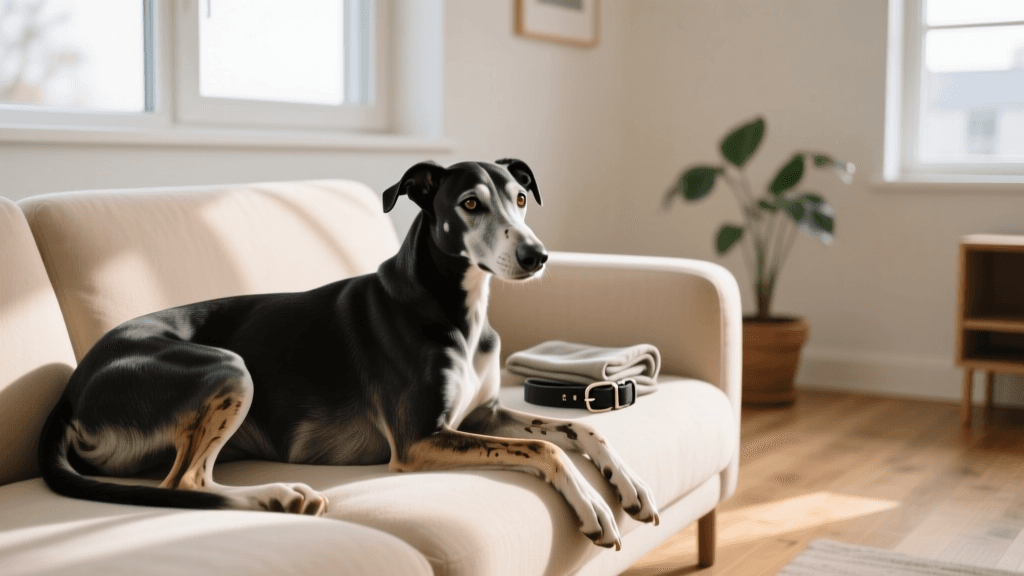
Deciding to welcome a dog into your life is a monumental choice, and choosing a retired racing Greyhound is one of the most unique and rewarding paths you can take. These gentle, aerodynamic athletes have spent the first few years of their lives in highly structured kennel environments, focused entirely on the sport of racing. When their track careers end, they face a massive transition from athletic competitors to household pets. This comprehensive guide will walk you through the essential preparations, specialized gear, and behavioral insights required to successfully adopt and integrate a retired Greyhound into your home.
The Reality of the '45-MPH Couch Potato'
When most people think of Greyhounds, they picture the explosive speed of the racetrack. However, retired racing Greyhounds are famously known in the rescue community as '45-MPH couch potatoes.' While they possess incredible bursts of speed, their baseline energy level is surprisingly low. According to the American Kennel Club (AKC), Greyhounds are gentle, independent, and affectionate dogs that require far less daily exercise than many high-energy working breeds. A brisk 20-to-30-minute walk twice a day, combined with a secure sprint in a fenced area, is usually more than enough to keep them physically and mentally satisfied.
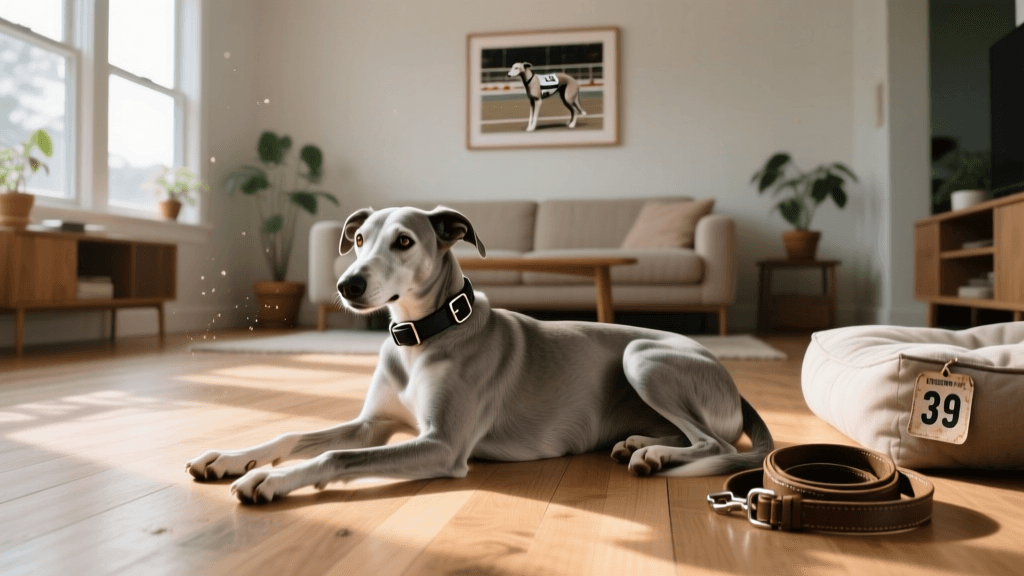
However, their racing background does leave them with specific behavioral quirks. The most prominent is a high prey drive. Because they were bred to chase a mechanical lure, small, fast-moving animals like squirrels, rabbits, and sometimes even small dogs or cats can trigger their chase instinct. This means off-leash time must be strictly confined to fully enclosed, secure areas. Furthermore, many retired racers have never lived in a house before. Concepts like stairs, slippery tile floors, glass doors, and even plush dog beds are entirely alien to them. Understanding these quirks is the first step toward a successful adoption.
Essential Gear for Your New Sighthound
Greyhounds have unique physical proportions—deep chests, narrow waists, and long, slender snouts. Standard dog gear often fails to accommodate their sighthound anatomy, meaning you will need to invest in specialized equipment before bringing your new dog home. Below is a breakdown of the essential gear you will need, along with estimated costs and recommendations.
| Equipment | Purpose | Estimated Cost | Recommended Type/Brand |
|---|---|---|---|
| Martingale Collar | Prevents slipping out of the collar due to narrow heads | $15 - $25 | Houndstooth or Greyhound-specific wide collar |
| Sighthound Muzzle | Safe introductions to cats/small dogs; prevents scavenging | $15 - $35 | Baskerville Ultra or custom basket muzzle |
| Fleece Winter Coat | Insulation against cold (they lack body fat and undercoat) | $30 - $60 | Hurtta Winter Dog Coat or Greyhound-specific fleece |
| Raised Food Bowls | Reduces neck strain and aids in bloat prevention | $20 - $45 | Adjustable stainless steel elevated feeder |
| Non-Slip Rugs | Provides traction on slippery hardwood or tile floors | $30 - $80 | Runner rugs with rubber backing |
The martingale collar is non-negotiable. A Greyhound's head is often narrower than its neck, meaning a standard buckle collar can easily slip off if the dog pulls backward in fear. A martingale collar tightens slightly when pulled, ensuring the dog remains secure without choking them. Additionally, a properly fitted basket muzzle is an essential training tool, not a punishment. It allows you to safely manage their prey drive during initial introductions to neighborhood cats or small dogs, and prevents them from eating dangerous debris while on walks.
Preparing Your Home and Yard
Before your Greyhound arrives, you must 'Greyhound-proof' your environment. Fencing is the most critical safety factor. The Adopt-A-Greyhound network strictly requires adopters to have a secure, physical fence of at least four to six feet in height. Underground or 'invisible' electric fences are universally rejected by reputable Greyhound rescues. A Greyhound's prey drive and pain tolerance mean they will easily run right through an electric shock barrier to chase a squirrel, and once out, they lack the homing instinct to find their way back.
Inside the home, flooring is a major hazard. Greyhounds have very little body fat and long legs, making them highly susceptible to splaying and joint injuries on slippery surfaces. Cover hardwood, laminate, and tile floors with non-slip runner rugs or yoga mats, especially in high-traffic areas and near their sleeping spots. Furthermore, many retired racers have never encountered stairs. You will need to teach them how to navigate steps using positive reinforcement and high-value treats, or invest in pet ramps for getting onto couches and beds. Speaking of beds, Greyhounds have prominent bony prominences and thin skin. They require thick, orthopedic bedding to prevent painful pressure sores on their elbows and hips.
Because of their impressive height and long snouts, Greyhounds can easily clear kitchen counters. You must secure all trash cans with locking lids and keep toxic foods like grapes, onions, and xylitol-sweetened products completely out of reach to prevent accidental poisoning.
The 3-3-3 Decompression Rule
Transitioning from a racing kennel to a private home is a massive culture shock. To manage your expectations and give your dog the grace they need, apply the '3-3-3 Rule' of dog adoption:
- The First 3 Days (Overwhelm): Your Greyhound may sleep excessively, refuse to eat, or seem fearful and withdrawn. This is normal decompression. Keep the environment quiet, limit visitors, and stick to a predictable bathroom schedule. Do not force interaction; let them come to you.
- The First 3 Weeks (Settling In): Your dog will begin to learn your routine and show more of their true personality. You may see testing of boundaries or the emergence of separation anxiety. This is the time to establish firm, gentle house rules and begin basic obedience training.
- The First 3 Months (Bonding): By this stage, your Greyhound should feel secure and attached to your family. Their true, goofy, and affectionate nature will fully emerge. You can slowly begin introducing them to new environments, hiking trails, and dog-friendly patios.
Unique Veterinary and Health Needs
Greyhounds have distinct physiological differences from other dog breeds that your veterinarian must be aware of. The most critical is their sensitivity to anesthesia. Because of their low body fat and unique liver enzyme metabolism, Greyhounds process certain anesthetic drugs much slower than other breeds, which can lead to dangerous, prolonged recovery times. Always ensure your vet is 'Greyhound-savvy' and uses modern, sighthound-safe protocols like Propofol.
Additionally, Greyhounds naturally have higher red blood cell counts (hematocrit) and lower white blood cell counts than standard dog reference ranges. A vet unfamiliar with the breed might misdiagnose these normal baseline values as an infection or illness, so it is vital to establish a baseline blood panel early on.
Another major concern is Gastric Dilatation-Volvulus (GDV), commonly known as bloat. Deep-chested breeds like Greyhounds are at a significantly higher risk for this life-threatening condition. The American Veterinary Medical Association (AVMA) recommends feeding multiple small meals a day rather than one large meal, using raised bowls, and strictly avoiding vigorous exercise for at least an hour before and after eating. Furthermore, retired racers are notorious for poor dental health due to the soft, high-carbohydrate diets often fed at the track. Be prepared to invest in professional veterinary dental cleanings and establish a daily tooth-brushing routine immediately upon adoption.
'Adopting a retired Greyhound is not just about giving a dog a home; it is about translating a canine athlete into a beloved family companion. Patience, specialized gear, and an understanding of their unique physiology are the keys to a lifelong bond.'
Bringing a retired racing Greyhound into your life is a profoundly rewarding experience. By preparing your home with the right gear, respecting their decompression timeline, and partnering with a knowledgeable veterinarian, you will provide a soft landing for a dog who has spent their life running. In return, you will gain a gentle, deeply affectionate companion who is more than ready to retire to the couch beside you.
beth-carrasco
All our authors care for dogs every day — read more of their work on the authors page.