Adopting a Dog With Osteoarthritis in 2026: First Steps
Adopting a dog with osteoarthritis? Discover 2026 home prep essentials, first-day tips, and foundational OA treatments to ensure a comfortable transition.
The Rewarding Journey of Adopting a Dog with Osteoarthritis
Choosing to adopt a dog is a life-changing decision, but opting to bring home a senior dog or a special-needs rescue diagnosed with canine osteoarthritis (OA) is an exceptionally profound act of compassion. As we navigate the pet adoption landscape in 2026, shelters and breed-specific rescues are increasingly transparent about pre-existing medical conditions. Osteoarthritis, a progressive degenerative joint disease, affects a significant portion of the senior dog population. However, with modern veterinary advancements and strategic home preparation, an OA diagnosis is no longer a barrier to a high-quality, joyful life.
According to the American College of Veterinary Surgeons (ACVS), osteoarthritis is the most common cause of chronic pain in dogs, impacting their mobility, mood, and overall vitality. When you are in the 'getting a dog' phase, understanding the immediate treatment protocols and environmental modifications required for an OA dog is critical. This guide will walk you through the essential home preparations, first-day necessities, and the 2026 gold-standard treatments you need to discuss with your veterinarian the moment your new companion arrives.
Pre-Arrival Home Prep: Creating a Joint-Friendly Sanctuary
Before your new dog crosses the threshold, your home must be adapted to minimize joint strain and prevent slip-and-fall accidents. Dogs with OA lack the stabilizing muscle mass and joint fluid viscosity to recover from sudden slips on hard surfaces.
1. Strategic Flooring and Traction
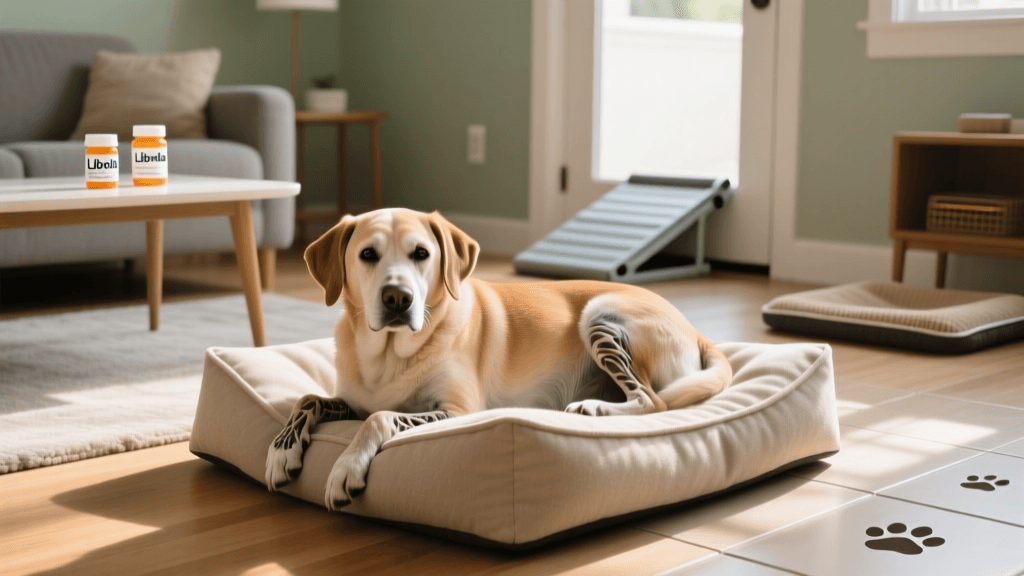
Hardwood, tile, and laminate floors are the enemies of arthritic joints. In 2026, the most effective solution is not wall-to-wall carpeting, but rather strategic placement of high-traction, low-profile area rugs. Look for rugs with natural rubber backings that grip the floor without the need for toxic adhesives. For high-traffic corridors and the areas immediately surrounding the dog's bed and water bowls, interlocking EVA foam floor tiles provide excellent shock absorption and grip.
2. The Right Orthopedic Bed
A standard plush dog bed will bottom out under the weight of a resting dog, offering zero joint relief. You must invest in a high-density, human-grade orthopedic bed. The Big Barker 7-Inch Orthopedic Dog Bed remains a top-tier recommendation in 2026. Its proprietary open-cell foam prevents the bed from flattening over time, ensuring that your dog's elbows, hips, and shoulders do not press against the hard floor. Position the bed in a draft-free, easily accessible corner where the dog does not have to navigate around furniture to lie down.
3. Ramps and Stairs
If your dog is allowed on the couch or bed, jumping is strictly prohibited. The impact of landing can cause micro-fractures and severe OA flare-ups. Invest in a sturdy, high-traction ramp. The PetSafe Happy Ride Folding Pet Ramp is an excellent choice; it spans 62 inches, providing a gentle incline, and features a sandpaper-like traction surface that gives arthritic paws the confidence to climb without slipping.
First-Day Essentials for Your OA Dog
The first 48 hours of adoption are highly stressful for a rescue dog, and stress exacerbates pain perception. Having the right equipment ready on day one will help your new dog settle in comfortably.
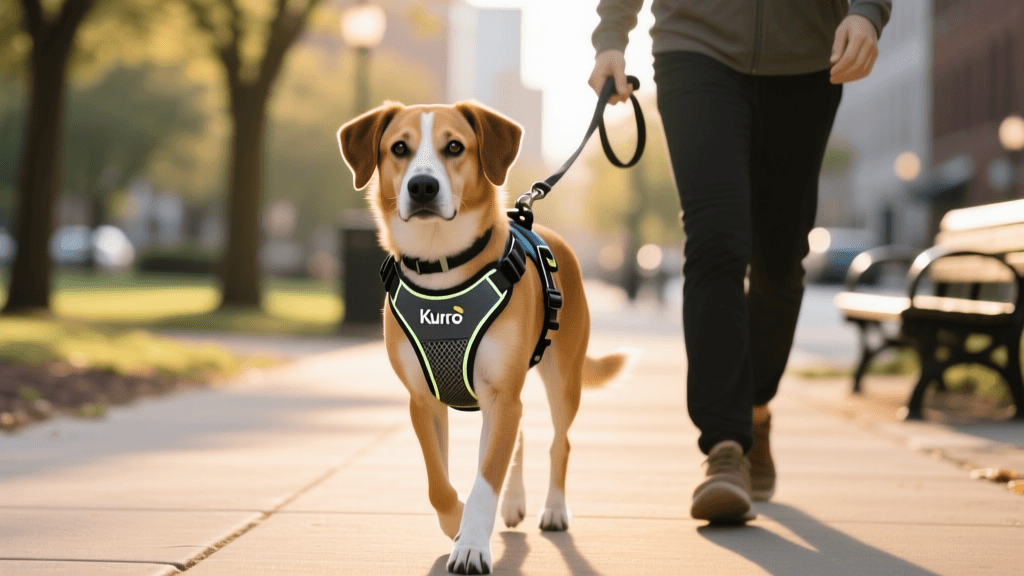
- Support Harness: A standard collar and leash can strain the cervical spine and front shoulders. The Ruffwear Web Master Harness features a padded, reinforced handle on the back. This allows you to gently support your dog's hindquarters or chest when navigating stairs, stepping into the car, or simply rising from a lying position.
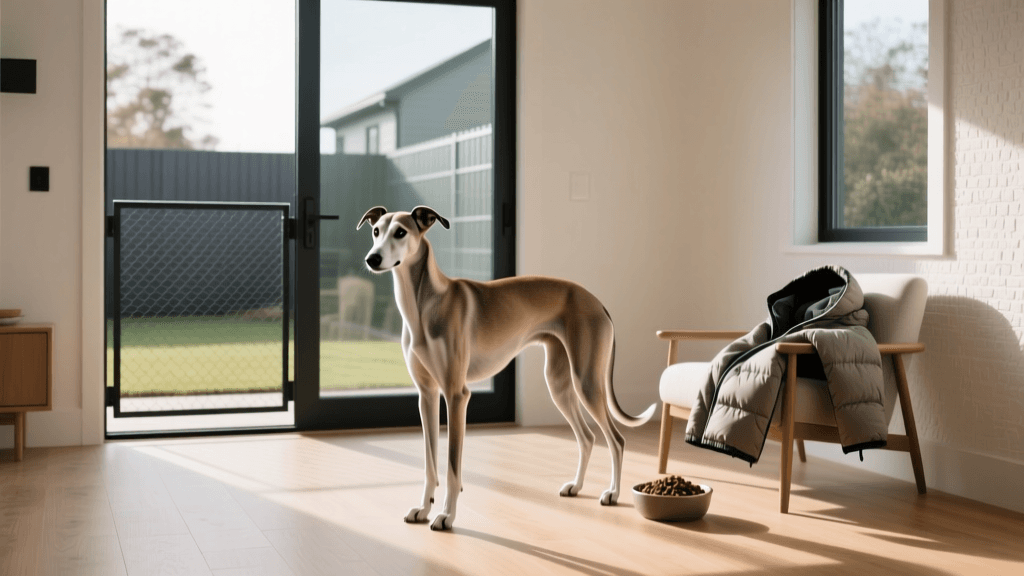
- Elevated Feeding Stations: Bending down to the floor to eat or drink places immense mechanical stress on the neck, shoulders, and front carpal joints. An elevated bowl stand positioned at your dog's lower chest height allows them to eat in a neutral, pain-free posture.
- Non-Slip Paw Grips: If your dog resists wearing dog boots, reusable silicone paw grips (like Dr. Buzby's ToeGrips) can be applied to the toenails to provide immediate traction on hard surfaces without the sensory discomfort of fabric booties.
Foundational OA Treatments to Establish on Day One
When adopting a dog with OA, your first veterinary appointment should occur within 48 hours of homecoming. The American Kennel Club (AKC) emphasizes that a multi-modal approach to pain management is the most effective way to maintain mobility and quality of life. In 2026, veterinary medicine has moved far beyond relying solely on traditional painkillers.
Anti-NGF Monoclonal Antibodies (The 2026 Gold Standard)
The most significant breakthrough in recent years for canine OA is the use of anti-Nerve Growth Factor (anti-NGF) monoclonal antibodies, specifically bedinvetmab (Librela). Administered as a monthly subcutaneous injection by your veterinarian, Librela targets the NGF protein that drives pain signaling in damaged joints. Unlike traditional NSAIDs, which are metabolized by the liver and kidneys, monoclonal antibodies are broken down into natural amino acids, making them exceptionally safe for senior dogs with compromised organ function. Discussing Librela should be the top priority at your initial vet visit.
NSAIDs and Adjunctive Pain Medications
Non-Steroidal Anti-Inflammatory Drugs (NSAIDs) like Carprofen or Meloxicam are still utilized to reduce acute joint inflammation. However, for chronic, multi-joint OA, veterinarians in 2026 often combine lower-dose NSAIDs with Gabapentin or Amantadine to target different pain pathways in the central nervous system, preventing the brain from becoming 'sensitized' to chronic pain.
Nutraceuticals and Joint Injections
Oral joint supplements containing high levels of EPA/DHA (Omega-3 fatty acids), glucosamine hydrochloride, and chondroitin sulfate—such as Dasuquin Advanced—help protect remaining cartilage. Additionally, Adequan (polysulfated glycosaminoglycan) intramuscular injections are frequently prescribed to inhibit the enzymes that break down joint cartilage, providing a structural defense against further degeneration.
Canine Rehabilitation Therapy
Treatment extends beyond pharmaceuticals. According to the Colorado State University Veterinary Teaching Hospital, targeted canine rehabilitation is vital for OA management. Underwater treadmill therapy and therapeutic laser treatments (Class IV Cold Laser) reduce inflammation and build the stabilizing muscle mass necessary to take the load off deteriorating joints. Ask your adoption rescue if they have partnerships with local canine rehab facilities, as some offer subsidized rates for recent adopters.
2026 Cost Breakdown: First-Month OA Setup and Treatment
Adopting a dog with special medical needs requires a dedicated budget. Below is a realistic estimate of the initial costs associated with preparing your home and initiating a comprehensive OA treatment plan in 2026.
| Category | Item / Treatment | Estimated Cost (2026) | Purpose & Frequency |
|---|---|---|---|
| Home Prep | Big Barker 7-Inch Orthopedic Bed | $250 - $350 | Joint support; One-time purchase |
| Home Prep | PetSafe Happy Ride Folding Ramp | $80 - $120 | Safe elevation access; One-time purchase |
| First-Day Gear | Ruffwear Web Master Support Harness | $90 - $110 | Mobility assistance; One-time purchase |
| Veterinary | Initial OA Exam & Radiographs (X-Rays) | $250 - $450 | Baseline joint assessment; One-time |
| Treatment | Librela (Bedinvetmab) Injection | $90 - $160 | NGF pain inhibition; Monthly |
| Supplements | Dasuquin Advanced (Large Dog, 60ct) | $75 - $95 | Cartilage support; Daily (Lasts 2 months) |
| Rehabilitation | Therapeutic Laser / Hydrotherapy Session | $60 - $120 | Muscle building & inflammation; Weekly |
Questions to Ask the Rescue Before Finalizing Adoption
Before signing the adoption papers, ensure you have a complete medical history. Ask the rescue coordinator the following critical questions:
- What specific joints are affected by the OA, and what is the radiographic severity (mild, moderate, severe)?
- Has the dog been on any NSAIDs, Gabapentin, or joint injections in the foster home, and what were the observed side effects or efficacy levels?
- Are there any known comorbidities, such as kidney disease or liver enzyme elevations, that would contraindicate the use of traditional NSAIDs?
- What is the dog's current weight, and has a target weight been established by the shelter veterinarian to reduce joint load?
Conclusion: A Commitment to Comfort
Getting a dog with osteoarthritis is not about 'fixing' a broken animal; it is about providing a soft landing for a dog that has endured physical hardship. By proactively modifying your home with high-traction surfaces and orthopedic support, equipping yourself with the right mobility harnesses, and partnering with your veterinarian to utilize advanced 2026 treatments like Librela and targeted rehabilitation, you can dramatically alter the trajectory of your dog's golden years. The transition period requires patience, financial preparation, and a keen eye for your dog's subtle pain signals, but the bond forged through this dedicated caregiving is unmatched. Welcome to the deeply rewarding world of senior and special-needs dog adoption.
priya-sutaria
All our authors care for dogs every day — read more of their work on the authors page.