Azawakh Dog Breed Guide 2026: Costs, Care, and Adoption
Discover everything about getting an Azawakh in 2026. Learn about rare sighthound costs, specialized winter care, fencing needs, and temperament.
Introduction to the Azawakh
If you are considering bringing an exotic and international breed into your home in 2026, few dogs are as striking, elegant, and historically rich as the Azawakh. Originating from the harsh, arid regions of West Africa, this rare sighthound is a masterpiece of natural selection. With their incredibly lean physique, long legs, and aloof demeanor, Azawakhs are not your typical family pets. They require a highly specific lifestyle, specialized veterinary knowledge, and a dedicated owner who understands the nuances of primitive sighthound breeds. As of 2026, the Azawakh remains one of the rarest dog breeds in North America and Europe, making the process of acquiring and preparing for one a unique journey. This comprehensive guide will walk you through the costs, care requirements, and essential home preparations needed to successfully welcome an Azawakh into your life.
The Ancient Heritage of the Sahel
To understand the Azawakh, you must understand their origins. According to the Fédération Cynologique Internationale (FCI), the Azawakh hails from the Sahel region of West Africa, specifically the borders of Mali, Niger, and Burkina Faso. For centuries, the nomadic Tuareg people bred these dogs for multiple purposes: guarding the camp, hunting gazelle and hare across unforgiving desert terrain, and serving as loyal companions. Unlike many modern breeds that were shaped by Victorian show rings, the Azawakh was shaped by survival. Their incredibly thin skin, visible bone structure, and high heat tolerance are direct adaptations to a desert environment where every ounce of body fat was a liability. This ancient heritage means that even in 2026, the Azawakh retains strong primitive instincts, a high prey drive, and a deep-seated need for a structured, understanding pack leader.
Temperament: Aloof, Loyal, and Independent
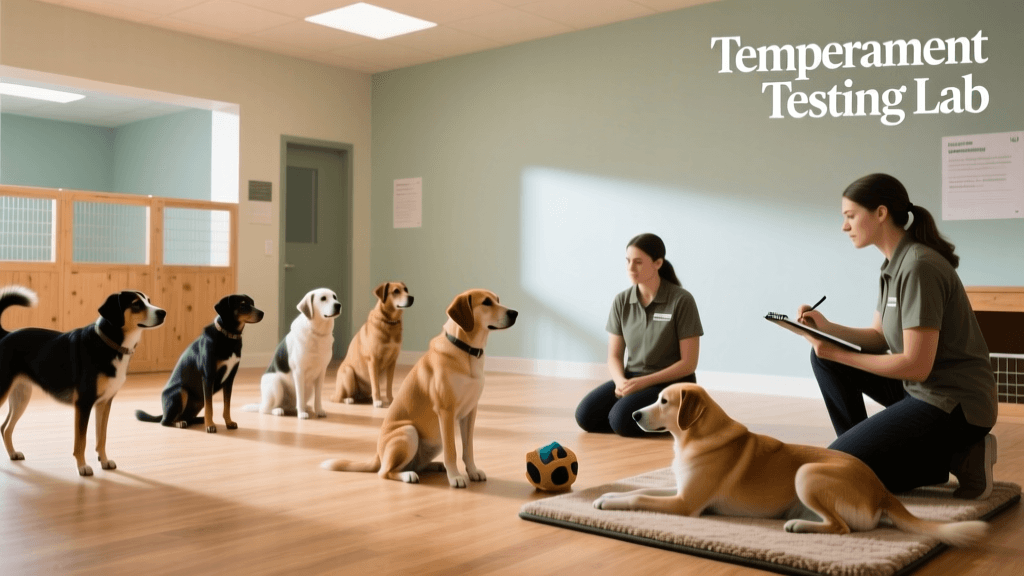
Prospective owners must adjust their expectations regarding temperament. The American Kennel Club (AKC) describes the Azawakh as affectionate with family but notably aloof with strangers. They are not the type of dog that will eagerly greet every guest at your door. Instead, they form intense, almost cat-like bonds with their immediate family members while remaining indifferent or suspicious of outsiders. They are highly observant and act as excellent watchdogs, alerting you to any unusual activity with a deep, resonant bark. However, they are not aggressive guard dogs; their primary defense mechanism is flight and evasion. Because of their independent nature, they do not suffer from severe separation anxiety in the same way velcro breeds do, but they do require a quiet, predictable household environment. They are generally gentle with children they are raised with but can be easily overwhelmed by loud, chaotic, or unpredictable toddler behavior.
2026 Cost Breakdown: Budgeting for a Rare Sighthound
Getting an Azawakh is a significant financial commitment. Because litters in the United States are exceedingly rare, many buyers in 2026 must look to European breeders or wait on multi-year domestic waitlists. Below is a detailed breakdown of the first-year costs associated with acquiring and setting up a home for an Azawakh.
| Expense Category | Estimated 2026 Cost (USD) | Notes |
|---|---|---|
| Puppy Purchase / Import | $4,500 - $8,500 | Includes European import fees, health testing, and transport |
| Specialized Fencing (6ft+) | $2,500 - $6,000 | Privacy vinyl with coyote rollers; no chain-link |
| Winter Gear & Coats | $350 - $700 | Hurtta Extreme Warmer, heated orthopedic beds |
| High-Quality Diet (Annual) | $1,000 - $1,400 | Lean protein, low-carb kibble or balanced raw diet |
| GPS Tracking Collar | $150 + $12/mo | Fi Series 4 or equivalent subscription for safety |
| Initial Vet & Sighthound Panel | $600 - $900 | Baseline bloodwork, autoimmune screening, vaccines |
As the table illustrates, the initial setup for an Azawakh can easily exceed $10,000. Importing a dog internationally in 2026 requires navigating strict USDA regulations, including up-to-date rabies titers and ISO-compliant microchipping, which adds to the logistical and financial burden.
Preparing Your Home: Fencing and Winterization
Non-Negotiable Fencing Requirements
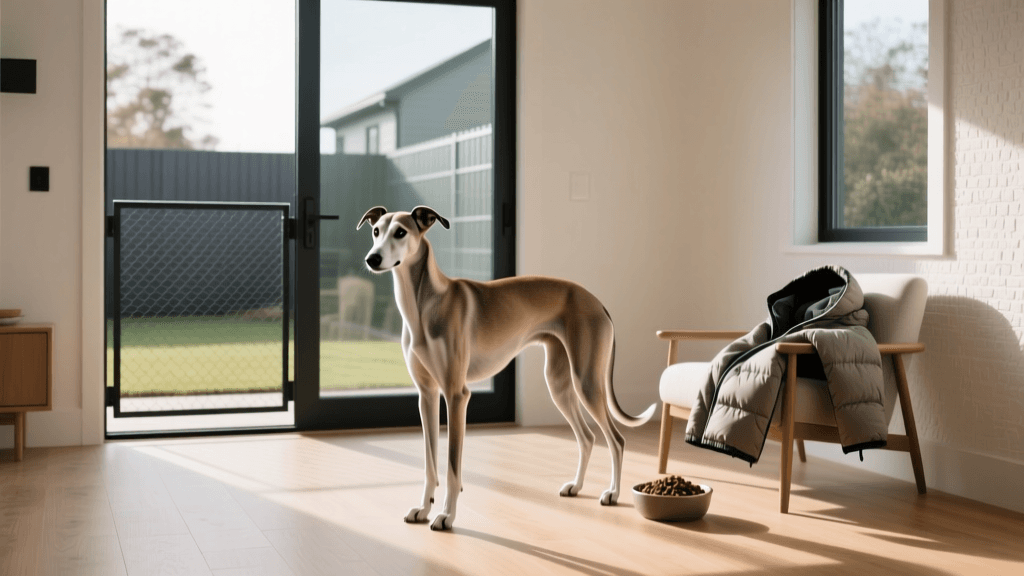
You cannot keep an Azawakh in a home without a secure, physical fence. Invisible or underground electric fences are entirely useless and dangerous for this breed. Sighthounds are visual hunters; if they spot a squirrel, rabbit, or deer, their prey drive will override any pain stimulus from an invisible collar. In 2026, the standard recommendation for Azawakh enclosures is a minimum 6-foot solid privacy fence (vinyl or wood). Chain-link is highly discouraged, as Azawakhs are agile climbers and can easily scale or injure their delicate legs on the wire. Additionally, installing coyote rollers at the top of the fence line is a highly recommended upgrade to prevent any athletic escape attempts.
Winterization and Climate Control
The Azawakh's most obvious physical trait is its lack of body fat and extremely short, fine coat. Bred for the scorching heat of the Sahara, they have virtually zero tolerance for cold weather. If you live in a climate where temperatures drop below 50°F (10°C), you must invest in specialized canine outerwear. Brands like Hurtta and Chilly Dog offer sighthound-specific coats that accommodate their deep chests and long legs. Inside the home, Azawakhs will seek out the warmest spots available. Providing heated orthopedic beds and ensuring they have access to sunny windows or heated floor mats during the winter months is essential for their joint health and overall comfort.
Health, Anesthesia, and Veterinary Care
While the Azawakh is generally a robust and healthy breed due to its diverse genetic pool and history of natural selection, there are specific veterinary considerations you must discuss with your vet before bringing one home. The most critical issue is sighthound anesthesia sensitivity. Like Greyhounds and Whippets, Azawakhs have a unique metabolism and very low body fat. This means they cannot process certain standard anesthetic drugs (like thiopental) effectively, which can lead to prolonged recovery times or fatal complications. You must ensure your veterinarian is highly experienced with sighthound-specific anesthesia protocols, typically utilizing propofol or inhalant gases like sevoflurane. Additionally, prospective owners should be aware of potential autoimmune conditions, such as Azawakh Idiopathic Myopathy, and ensure their breeder conducts thorough genetic and orthopedic screenings.
Nutrition and Metabolic Needs
Feeding an Azawakh requires an understanding of their unique metabolism. In the wild and in their native Sahel environment, these dogs survived on a diet of milk, millet, and the occasional scrap of meat. Today, veterinary nutritionists recommend a diet that is high in high-quality, lean animal protein and relatively low in carbohydrates. Because they naturally carry very little body fat, obesity is a severe risk if they are fed standard, carb-heavy commercial kibbles. Excess weight puts devastating stress on their long, delicate joints. Many Azawakh owners in 2026 opt for gently cooked fresh food diets or carefully balanced raw diets that mimic a whole-prey macronutrient profile. Always consult with a board-certified veterinary nutritionist to tailor a meal plan that supports their lean muscle mass without adding unnecessary adipose tissue.
Training, Recall, and Socialization
Training an Azawakh is an exercise in patience and mutual respect. They are highly intelligent but lack the biddable, eager-to-please nature of herding or retrieving breeds. They ask, 'What is in it for me?' Positive reinforcement, utilizing high-value treats and play, is the only effective method. Harsh corrections will cause an Azawakh to shut down and destroy the trust you have built. Recall training is notoriously difficult due to their high prey drive and incredible speed (they can reach speeds of up to 40 mph in just a few strides). Therefore, an Azawakh should never be trusted off-leash in an unenclosed area. When exercising in open spaces, owners must use a 15-to-30-foot biothane long line to allow the dog to run safely while maintaining physical control. Early and ongoing socialization is also critical. Because they are naturally suspicious of strangers and new environments, exposing them to various surfaces, sounds, and passive strangers during their critical developmental windows will help prevent fear-based reactivity in adulthood.
Finding an Azawakh: Importing and Breeders
Because the Azawakh is so rare, finding a reputable breeder requires diligence and time. The AKC and FCI maintain directories of recognized breed clubs. A reputable breeder will prioritize health testing, temperament, and the preservation of the breed's ancient working ability over extreme physical exaggerations. Be prepared to answer extensive questionnaires and potentially travel internationally. If you are importing a puppy to the United States in 2026, you must work with a licensed pet transport service that understands the latest CDC and USDA import regulations, including the strict requirements for rabies vaccination documentation and titer testing from high-risk countries. Alternatively, while rare, Azawakhs do occasionally end up in sighthound-specific rescues. Adopting an adult Azawakh can be a rewarding experience, as their personalities are already established, though it requires an adopter willing to manage potential behavioral quirks or trauma from their past.
Final Thoughts
Getting an Azawakh in 2026 is not a decision to be taken lightly. They are a lifestyle choice as much as they are a pet. They demand secure fencing, specialized winter gear, sighthound-savvy veterinary care, and an owner who appreciates a quiet, independent, and deeply loyal companion. For the right person, the Azawakh is an unparalleled breed—a living piece of ancient history that will bring a unique, elegant, and profound energy to your home.
robin-maitland
All our authors care for dogs every day — read more of their work on the authors page.