Getting a Dog With Osteoarthritis: 2026 Prep & Care
Adopting a dog with osteoarthritis? Discover 2026 home prep essentials, first-day treatments, and mobility aids to welcome your new senior rescue.
Why Adopt a Dog With Osteoarthritis?
When browsing shelter profiles or rescue websites, it is easy to scroll past the senior dogs or those labeled with "special needs." However, adopting a dog with osteoarthritis (OA) is one of the most rewarding decisions a prospective pet parent can make. These gentle, often house-trained, and deeply affectionate dogs are frequently overlooked simply because adopters fear the unknowns of medical management. In 2026, veterinary medicine has advanced remarkably, transforming canine OA from a debilitating sentence into a highly manageable condition. If you are in the "getting a dog" phase and are considering a senior rescue or a large-breed dog prone to joint issues, understanding the baseline treatments and home preparations required from day one is crucial for a successful transition.
Osteoarthritis is a progressive, degenerative joint disease that affects the cartilage, causing pain, stiffness, and reduced mobility. According to the American College of Veterinary Surgeons, OA is the most common joint disease in dogs, affecting a significant percentage of the senior canine population. By preparing your home and your budget before you even bring your new companion home, you can ensure their golden years are comfortable, pain-free, and full of joy.
First-Day Essentials: Preparing Your Home for an OA Dog
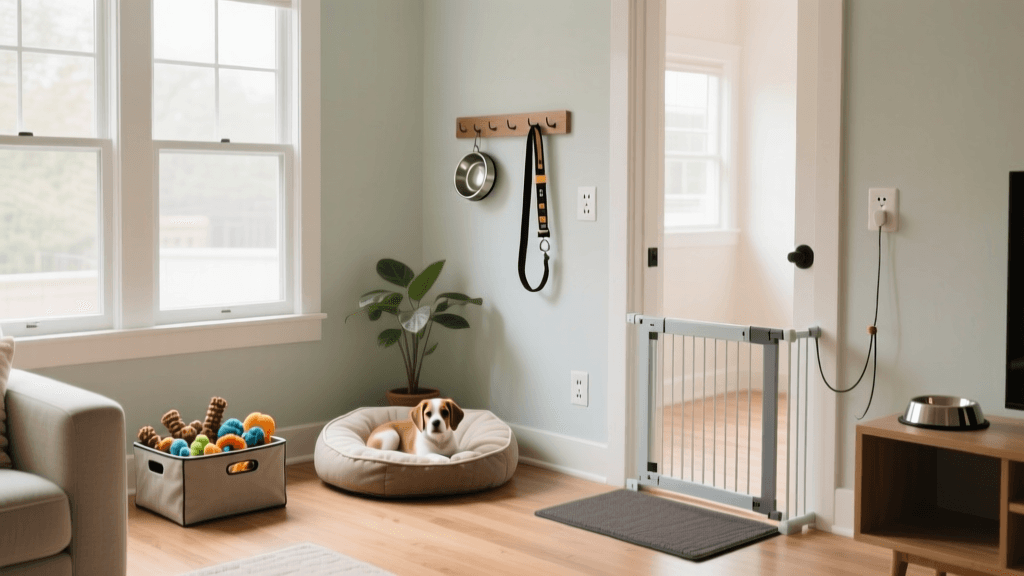
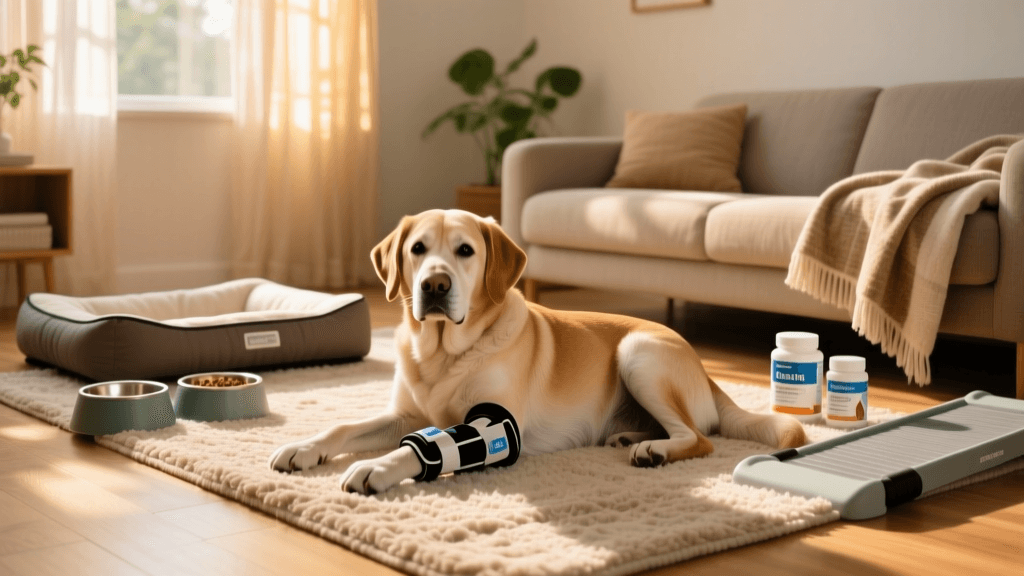
Bringing a dog with joint pain into a new environment requires strategic home modifications. A dog with OA will struggle with slick floors, steep stairs, and low-profile bedding. Before your adoption day, invest in these essential mobility aids and home adjustments to prevent acute flare-ups during the stressful first week.
- High-Density Orthopedic Bedding: Standard polyester-filled beds will flatten out, offering zero joint support. Look for a bed made with high-density memory foam (at least 4 inches thick) with a waterproof liner. Bolstered edges are highly recommended, as they allow the dog to rest their head and neck, taking pressure off the spine and shoulders.
- Non-Slip Flooring Solutions: Hardwood, tile, and laminate floors are a major hazard for dogs with compromised joints. A single slip can exacerbate hip dysplasia or spinal issues. Lay down interlocking foam puzzle tiles or secure low-pile, rubber-backed area rugs in high-traffic areas, hallways, and near the dog's bed and water bowls.
- Pet Ramps and Stairs: If your new dog will be allowed on the sofa or bed, jumping is no longer an option. Purchase a pet ramp with a gentle incline (ideally 18 degrees or less) and a high-traction surface like ribbed carpet or rubberized grip. For vehicle loading, a telescoping aluminum ramp rated for your dog's weight is an absolute first-day essential.
- Elevated Feeding Stations: Bending down to the floor places immense strain on the cervical spine and front shoulders. An elevated bowl stand that aligns with your dog's lower chest will make mealtimes significantly more comfortable.
The 2026 Canine OA Treatment Landscape
When you adopt a dog with known OA, your first veterinary visit should focus on establishing a multimodal pain management plan. The days of relying solely on traditional painkillers are behind us. As of 2026, the veterinary community embraces a combination of biologic therapies, pharmaceuticals, and nutraceuticals to target OA from multiple angles.
Anti-NGF Monoclonal Antibodies
The most significant breakthrough in recent years has been the widespread adoption of anti-Nerve Growth Factor (anti-NGF) monoclonal antibodies, such as bedinvetmab (Librela). Unlike traditional drugs that are metabolized by the liver or kidneys, these monthly injections work by neutralizing the NGF protein that signals joint pain to the brain. Because they are broken down like natural proteins, they are incredibly safe for senior dogs with concurrent kidney or liver disease, making them the gold standard for newly adopted senior rescues.
NSAIDs and Adjunctive Medications
Non-Steroidal Anti-Inflammatory Drugs (NSAIDs) remain a cornerstone of acute flare-up management. However, the U.S. Food and Drug Administration (FDA) emphasizes the importance of baseline bloodwork before starting any NSAID regimen to ensure proper liver and kidney function. In 2026, veterinarians often pair NSAIDs with adjunctive medications like gabapentin or amantadine to target neuropathic pain pathways, reducing the need for higher, potentially harmful NSAID doses.
Nutraceuticals and Joint Injections
To support cartilage health and reduce systemic inflammation, your vet will likely recommend a high-quality joint supplement containing EPA/DHA (Omega-3 fatty acids), green-lipped mussel extract, and UC-II undenatured type II collagen. Additionally, polysulfated glycosaminoglycan (PSGAG) injections, such as Adequan, are frequently prescribed to inhibit cartilage-degrading enzymes and stimulate the production of healthy joint fluid.
Monthly OA Budgeting for New Owners
When deciding to adopt a dog with OA, financial preparedness is just as important as emotional readiness. Below is an estimated breakdown of monthly OA management costs in 2026 to help you budget for your new companion's first year.
| Treatment / Essential | Frequency | Estimated 2026 Cost (USD) | Primary Benefit |
|---|---|---|---|
| Anti-NGF Injection (Librela) | Monthly | $75 - $130 (weight-dependent) | Targets nerve-level pain signaling safely |
| Prescription NSAID | Daily (as needed) | $40 - $90 | Reduces acute joint inflammation |
| Veterinary Joint Supplement | Daily | $35 - $60 | Supports cartilage and synovial fluid |
| Canine Physical Therapy | Bi-weekly | $80 - $120 per session | Maintains muscle mass and joint mobility |
| Orthopedic Bed Replacement | Annually | $120 - $250 | Ensures consistent pressure-point relief |
Note: Costs vary by geographic location and veterinary clinic pricing structures. Pet insurance that covers pre-existing conditions or specialized senior wellness plans can help offset these expenses.
Questions to Ask the Shelter or Rescue
Before finalizing the adoption of a dog with suspected or confirmed OA, it is vital to gather as much medical history as possible. The American Kennel Club notes that early signs of OA, such as reluctance to jump, lagging on walks, or stiffness after resting, are often documented by foster volunteers. Ask the rescue coordinator the following specific questions:
- What is the dog's current pain management protocol? Determine if they are currently receiving NSAIDs, supplements, or injections, and ask for the exact dosages and administration times.
- Have they had recent orthopedic X-rays? Request copies of any radiographs to show your personal veterinarian. This establishes a baseline to track the progression of the disease.
- What are their specific mobility triggers? Foster homes can provide invaluable insights. Does the dog struggle more in cold, damp weather? Do they have difficulty with stairs specifically, or is rising from a lying position their main challenge?
- Is there a known history of trauma or orthopedic surgery? Previous injuries, such as a torn CCL (cranial cruciate ligament) or hip dysplasia, often lead to secondary OA in the affected joints.
Settling In: The First 48 Hours
The transition to a new home is stressful for any dog, but for a dog with osteoarthritis, stress can manifest as physical stiffness and heightened pain sensitivity. During the first 48 hours, practice strict "decompression." Limit exploratory walks to short, 10-minute leash strolls on flat, grassy surfaces. Allow the dog to spend the majority of their time on their new orthopedic bed, bringing food and water to them if they seem hesitant to navigate the new space.
Monitor their resting respiratory rate and watch for signs of pain, such as panting while resting, lip licking, or a tucked tail. By combining a deeply prepared, non-slip home environment with a modern, 2026-aligned veterinary treatment plan, you are setting the stage for a beautiful, comfortable life together. Adopting a dog with OA is not a burden; it is a profound act of compassion that gives a deserving senior dog the pain-free twilight years they truly deserve.
marcus-aldridge
All our authors care for dogs every day — read more of their work on the authors page.