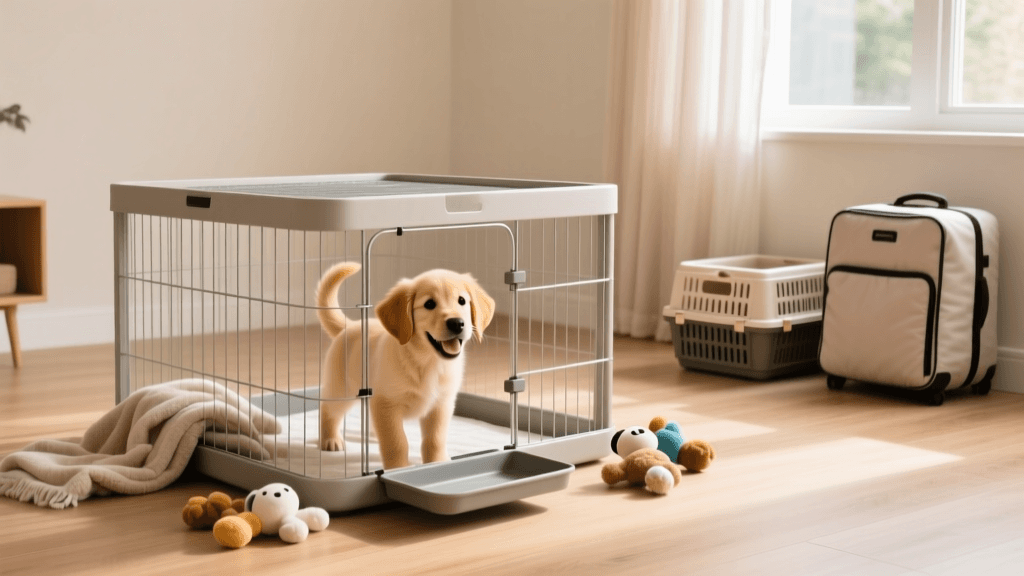
Case Study: Adopting A Fearful Shelter Dog Successfully
Discover how to adopt and decompress a fearful shelter dog through a real-life behavior case study, complete with setup costs, gear, and the 3-3-3 rule.

The Reality of Shelter Dog Behavior
Adopting a rescue dog is a profoundly rewarding experience, but it is rarely the instant, cinematic montage many first-time owners expect. When you bring a shelter dog home, you are often stepping into a complex behavioral case study. The shelter environment is inherently stressful; the cacophony of barking, the scent of unfamiliar animals, and the confinement of concrete kennels create a perfect storm for canine anxiety. According to the ASPCA, fear and shyness are among the most common behavioral hurdles new adopters face, often stemming from a lack of socialization or the overwhelming stress of the shelter itself.
In this article, we will examine a real-world behavior case study of adopting a fearful, shut-down shelter dog. We will break down the assessment process, the precise environmental setup required for decompression, the financial costs of essential gear, and the behavioral timeline known as the 3-3-3 rule. Whether you are considering adopting a fearful rescue or are currently struggling with a newly adopted dog, this case study provides actionable, science-based strategies for success.
Case Study Introduction: Meeting Bella
Bella was a two-year-old, 45-pound terrier mix found as a stray. When evaluated at the municipal shelter, her kennel behavior was alarming to the average adopter. While other dogs bounced off the kennel doors, Bella pressed herself into the back corner of her run. Her body language screamed distress: pinned ears, a tucked tail, wide 'whale eye' (showing the whites of her eyes), and frequent lip-licking. To an untrained eye, Bella looked 'broken' or unapproachable. However, to a canine behaviorist, Bella was simply exhibiting classic signs of fear-based shutdown and sensory overload.
The shelter staff noted that Bella would freeze when leashed and panic if cornered. Rather than passing her by, the adopter recognized that Bella was not aggressive; she was terrified. The decision was made to adopt Bella, but with a strict, methodical behavior modification and decompression plan in place.
Preparing the Decompression Zone
Before Bella even arrived home, the environment was prepared. The concept of a 'decompression zone' is critical for fearful dogs. When a dog experiences high stress, their cortisol levels spike. It can take up to 72 hours for a dog's cortisol levels to return to baseline after a single stressful event. Moving from a loud shelter to a new home is a massive stressor, meaning the dog is essentially operating with a compromised nervous system for the first few days.
The adopter set up a dedicated safe room—a quiet, low-traffic spare bedroom measuring 10 feet by 12 feet. The goal was to restrict Bella's access to the overwhelming expanse of the entire house, which can cause a fearful dog to feel exposed and vulnerable.
Essential Gear and Setup Costs
Creating an effective decompression zone requires specific tools designed to lower a dog's heart rate and provide a sense of security. Below is the exact gear used for Bella, including measurements and estimated costs.
| Item | Specification / Brand | Purpose | Estimated Cost |
|---|---|---|---|
| Exercise Pen | MidWest 4x6 Foot Metal Pen | Creates a defined, secure boundary within the safe room. | $65.00 |
| Calming Diffuser | Adaptil DAP Plug-in Diffuser | Releases synthetic dog-appeasing pheromones to reduce anxiety. | $25.00 |
| Heartbeat Toy | SmartPetLove Snuggle Puppy | Simulates the heartbeat and warmth of littermates to soothe fear. | $40.00 |
| Long Line | 6-Foot Biothane Leash | Prevents dragging fabric through waste; allows safe indoor trailing. | $30.00 |
| White Noise Machine | Hatch Restore Sound Machine | Drowns out startling household or neighborhood noises. | $50.00 |
| High-Value Treats | Zuke's Mini Naturals & Boiled Chicken | Used for counter-conditioning and building positive associations. | $20.00 |
Total Initial Setup Cost: Approximately $230.00. This investment is crucial for preventing early behavioral setbacks and ensuring the dog feels safe enough to begin learning.
The 3-3-3 Rule in Practice
The 3-3-3 rule is a widely recognized guideline among rescue organizations and behaviorists, including The Humane Society of the United States, to help adopters manage their expectations regarding a rescue dog's adjustment period. Here is how the 3-3-3 rule played out in Bella's case study.
| Timeline | Expected Behavioral State | Adopter Action Plan |
|---|---|---|
| First 3 Days | Overwhelmed, fearful, shut-down. May refuse food, hide, or test boundaries. High cortisol. | Strict decompression. No visitors, no walks outside the yard, no demands. Potty on leash in a quiet yard. Hand-feed meals to build trust. |
| First 3 Weeks | Settling in. True personality begins to emerge. May start testing rules or exhibit resource guarding as they realize they are staying. | Establish a predictable daily routine. Begin basic positive reinforcement training. Introduce short, quiet sniffari walks in low-traffic areas. |
| First 3 Months | Building attachment. The dog begins to feel secure, forming a bond with the adopter. Trust is established. | Gradually expand environmental exposure. Introduce controlled socialization. Address any lingering behavioral quirks with a certified trainer. |
Days 1 to 3: The Shutdown Phase
For the first 72 hours, Bella rarely left her exercise pen. She slept heavily—a common response to the exhaustion of chronic shelter stress. The adopter did not force interaction. Instead, they practiced 'passive presence,' sitting on the floor outside the pen, reading a book aloud softly so Bella could get used to their voice without the pressure of direct eye contact. Meals were scattered on a snuffle mat to encourage natural foraging behaviors, which are inherently calming for canines.
Weeks 1 to 3: The Emergence of Personality
By week two, Bella's cortisol levels had stabilized. She began to approach the adopter for pets, displaying a soft, wagging tail. However, this phase also brought the first behavioral hurdle: leash reactivity. When Bella saw other dogs from the window, she would bark and lunge. This was not aggression, but fear-based reactivity. The adopter implemented desensitization and counter-conditioning (DSCC). Every time Bella looked at a distant dog, she was immediately rewarded with high-value boiled chicken before she had the chance to react. This changed her emotional response from 'dogs equal danger' to 'dogs equal chicken.'
Months 1 to 3: Building Confidence
By month three, Bella was thriving. The structured environment had given her the framework she needed to understand that she was safe. The adopter began taking her on 'decompression walks'—long hikes in nature reserves using a 15-foot long line, allowing her to sniff and explore at her own pace. Sniffing lowers a dog's pulse rate and engages their brain in a calming, mentally stimulating way.
Navigating Trigger Stacking
One of the most critical lessons from this case study was learning to identify and manage 'trigger stacking.' Trigger stacking occurs when a dog experiences multiple mild stressors in a short period, causing their reactivity threshold to drop dramatically. For Bella, a stressful morning might look like this: the garbage truck drove by loudly (Stressor 1), the adopter accidentally dropped a pan in the kitchen (Stressor 2), and then it was time for a vet visit (Stressor 3). By the time the vet tried to examine her, Bella snapped—a completely out-of-character reaction caused by a flooded nervous system.
The solution was proactive management. The adopter learned to read Bella's subtle calming signals (yawning, scratching, shaking off) and immediately removed her from stressful situations before the stack became too high. On days with known stressors, the adopter proactively increased Bella's enrichment, providing frozen Kongs filled with plain yogurt and peanut butter to encourage licking, which releases endorphins in the canine brain.
Final Thoughts for Prospective Adopters
Adopting a fearful shelter dog requires patience, empathy, and a willingness to prioritize the dog's emotional needs over human desires for immediate obedience or socialization. Bella's transformation from a shut-down shelter dog to a confident, affectionate companion did not happen overnight. It was the result of meticulous environmental management, respect for the canine decompression process, and a commitment to positive reinforcement.
If you are preparing to bring a rescue dog home, remember that behavior is a form of communication. When a dog acts out of fear, they are not giving you a hard time; they are having a hard time. By investing in the right gear, respecting the 3-3-3 timeline, and seeking guidance from certified fear-free professionals, you can help a fearful rescue dog write a beautiful new chapter in their life.
anouk-beaumont
All our authors care for dogs every day — read more of their work on the authors page.