Adolescent Dog Training: Navigating the Teenage Phase
Discover effective adolescent dog training strategies to manage rebellious teenage behavior, reinforce obedience, and maintain a strong bond.
Understanding the Canine Adolescent Phase
Welcome to one of the most challenging yet rewarding stages of your dog's life: the adolescent phase. If you feel like your once-obedient puppy has suddenly been replaced by a rebellious, easily distracted, and defiant teenager, you are not alone. As part of our Life Stage Care Guides, this comprehensive article dives deep into adolescent dog training, providing you with actionable strategies, specific gear recommendations, and behavioral insights to help you and your canine companion survive and thrive during this turbulent time.
The Biological Reality of the Teenage Dog
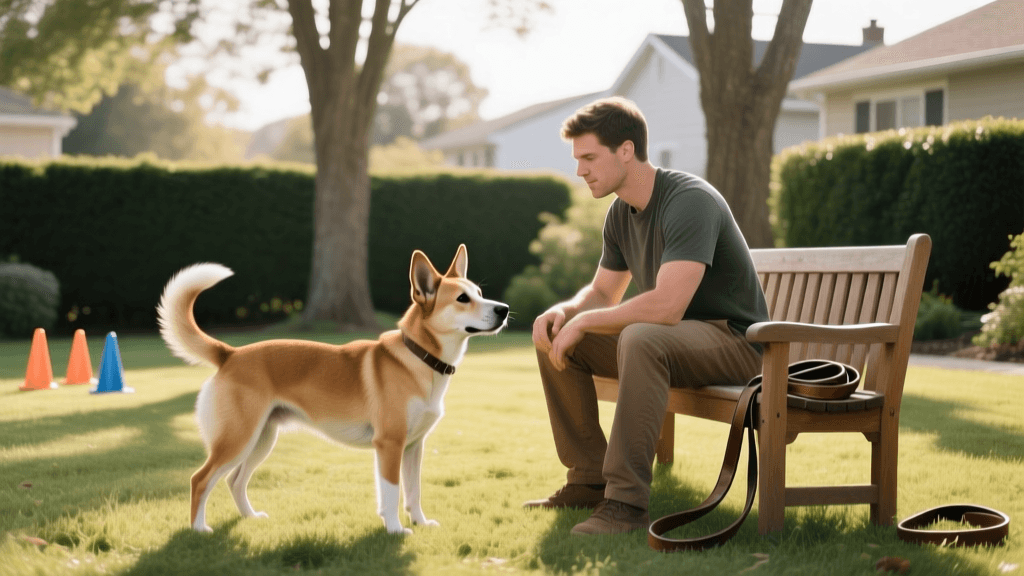
The adolescent phase in dogs typically begins around six months of age and can last until they are eighteen to twenty-four months old, depending on the breed and individual development. During this window, your dog is experiencing massive physiological and psychological changes. Much like human teenagers, adolescent dogs are driven by a surge of hormones and a developing brain that prioritizes environmental exploration and social interaction over compliance. Understanding that this behavior is a normal developmental milestone, rather than a personal slight against your authority, is the first step toward effective adolescent dog training.
Why Your Teenage Dog is Forgetting Their Training
Many owners panic when their previously star pupil puppy suddenly seems to have forgotten every command they ever learned. This phenomenon, often referred to as training regression, is a hallmark of the canine teenage phase. According to veterinary behaviorists and resources from the American Kennel Club (AKC), the adolescent canine brain undergoes significant synaptic pruning and remodeling. The limbic system, which processes emotions and rewards, matures much faster than the prefrontal cortex, which is responsible for impulse control and decision-making. Consequently, your dog literally lacks the neurological hardware to consistently resist distractions. Furthermore, fear periods often resurface during this time, causing dogs to become suddenly reactive or fearful of familiar stimuli. Patience and a return to foundational training are essential.
Essential Training Strategies for Adolescent Dogs
To successfully navigate this period, you must adapt your training methodology to match your dog's changing needs. Here are the core pillars of managing an adolescent canine.
1. Revisit Basic Obedience with High-Value Rewards
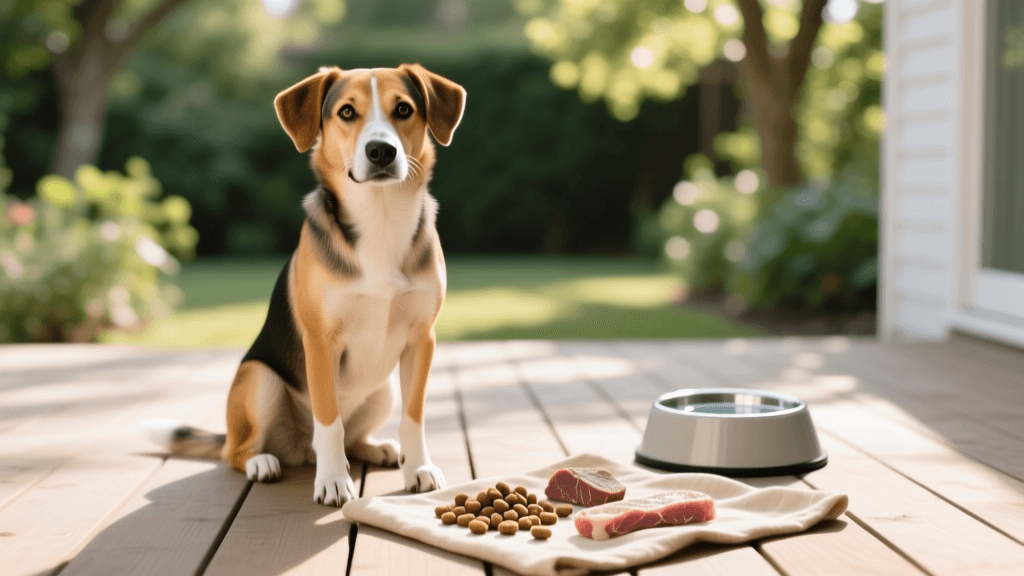
Revisiting basic obedience is non-negotiable, but you must upgrade your reward system. The kibble that worked when your dog was eight weeks old will no longer suffice in a distracting outdoor environment. Transition to high-value, aromatic rewards such as freeze-dried beef liver, boiled chicken breast, or string cheese. Expect to spend an additional fifteen to twenty-five dollars per month on premium training treats. Keep training sessions short—no more than ten to fifteen minutes—to prevent frustration and cognitive fatigue.
2. Manage the Environment and Use Long Lines
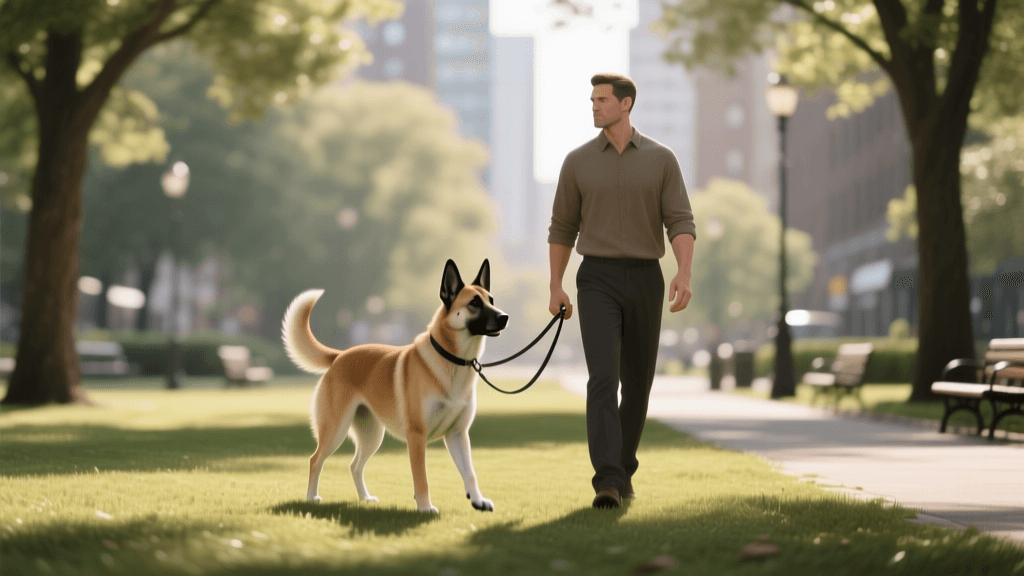
Freedom must be earned, and during the teenage phase, your dog's impulse control is severely compromised. If your dog's recall is not one hundred percent reliable, it is unsafe to allow off-leash privileges in unfenced areas. Instead, invest in a thirty-foot Biothane long line, which typically costs between thirty and forty-five dollars. Biothane is waterproof, durable, and easy to clean, making it superior to nylon or cotton lines that drag through mud and water. The long line allows your dog to explore and satisfy their environmental curiosity while ensuring you maintain a physical safety net to enforce recalls and prevent dangerous encounters.
3. Mental Enrichment to Burn Cognitive Energy
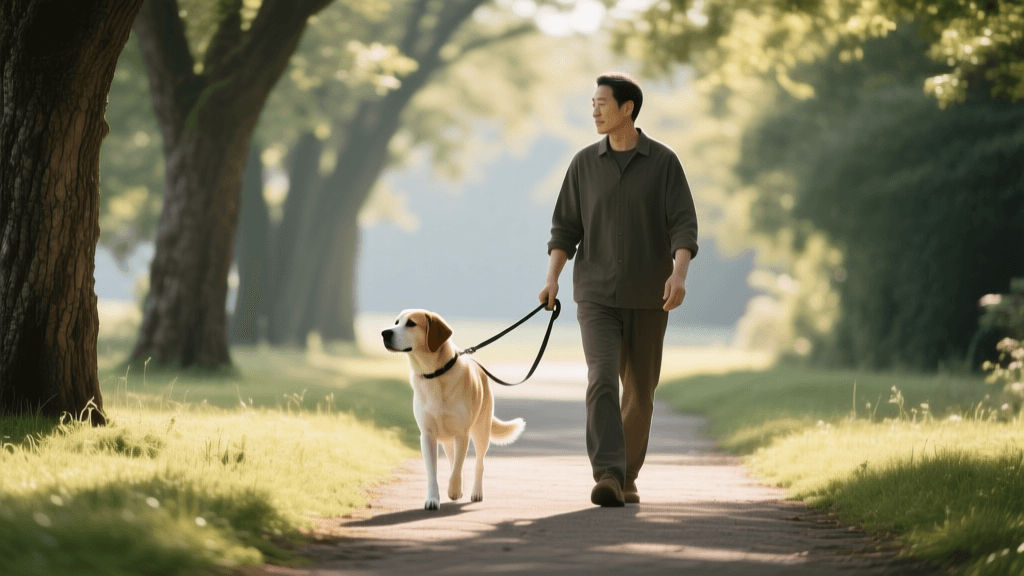
Physical exercise alone will not tire out an adolescent dog; you must engage their brain to prevent destructive behaviors born from boredom. Incorporate daily mental enrichment into your routine. Replace standard bowl feeding with puzzle toys like the Kong Classic (approximately fifteen dollars) or a Snuffle Mat (around twenty-five dollars). Dedicate twenty minutes a day to Sniffari walks, where you allow your dog to dictate the pace and direction of the walk, focusing entirely on olfactory stimulation. Sniffing lowers a dog's heart rate and releases dopamine, providing a profound sense of mental exhaustion that physical exercise cannot replicate.
Adolescent Dog Training Gear and Schedule Guide
Having the right tools and a structured schedule can drastically reduce the friction of training a teenage dog. Use the table below to plan your gear investments and daily routines.
| Gear or Activity | Primary Purpose | Estimated Cost | Recommended Specifications |
|---|---|---|---|
| Biothane Long Line | Safe recall practice and exploration | $30 - $45 | 30-foot length, 3/4-inch width, waterproof |
| High-Value Treats | Motivation in high-distraction areas | $15 - $25 / month | Freeze-dried liver, boiled chicken, cheese |
| Kong Classic Toy | Mental enrichment and chew satisfaction | $15 - $20 | Red or Black rubber, sized for dog breed |
| Sniffari Walks | Olfactory stimulation and stress relief | Free | 15-20 minutes daily, harness and long line |
| Front-Clip Harness | Leash pulling management | $25 - $40 | Y-shaped chest, padded, no-pull front ring |
Dealing with Specific Teenage Dog Behaviors
Selective Hearing and Recall Regression
Recall regression is the most common complaint among owners of adolescent dogs. When your dog ignores your recall cue, avoid repeating the command, as this only teaches them to ignore the word. Instead, utilize the Premack Principle, which involves using a high-probability behavior (like sniffing a bush) as a reward for a low-probability behavior (like coming when called). Call your dog, reward them with a high-value treat, and then immediately release them to go back and investigate the distraction. This teaches the dog that returning to you does not mean the end of their fun.
Leash Pulling and Reactivity
As your dog grows stronger and more confident, leash pulling and environmental reactivity can become major issues. To combat this, implement the Engage-Disengage game. When your dog notices a trigger (such as another dog or a skateboard), mark the moment they look at it with a clicker or a verbal yes, and then feed a treat before they have a chance to react or pull. Over time, this rewires their emotional response to triggers from excitement or fear to a calm expectation of a reward from you. The ASPCA Dog Training Resources highly recommend positive reinforcement techniques for managing reactivity without causing fear or pain.
Crate Training and Separation Anxiety Regression
Crate training and separation anxiety regression frequently occur during the teenage months. A dog that previously slept peacefully in their crate may suddenly begin whining, pacing, or destroying bedding. Do not punish this behavior. Instead, temporarily reduce the time your dog spends alone in the crate and rebuild their positive association by feeding all meals inside the crate with the door open. If you suspect true separation anxiety rather than simple teenage boundary-testing, consult a professional. Providing a durable chew, such as a stuffed Toppl toy, can help soothe their nerves while you rebuild their crate confidence.
Socialization Maintenance: Preventing Fear Periods
Socialization does not end when puppyhood concludes. Adolescent dogs require ongoing socialization maintenance to prevent the onset of secondary fear periods. Continue exposing your dog to novel surfaces, strange noises, and diverse groups of people and dogs, but do so at their own pace. If your dog shows hesitation, increase the distance from the stimulus and use high-value treats to create a positive emotional response. Never force an adolescent dog into a frightening situation, as this can cement lifelong phobias.
When to Seek Professional Help
Sometimes, love and patience are not enough to manage severe adolescent behavioral issues. If your dog displays aggression, severe resource guarding, or debilitating anxiety, it is time to seek professional help. Look for a certified professional dog trainer (CPDT-KA) or a veterinary behaviorist. Expect to invest between one hundred and fifty to two hundred and fifty dollars per session for specialized behavioral modification. Organizations like The Humane Society of the United States emphasize that early intervention by a qualified professional can prevent the development of dangerous behaviors and keep dogs safely in their forever homes.
Conclusion
The adolescent phase is undeniably testing, but it is also a temporary developmental stage. By adjusting your expectations, upgrading your training gear, and consistently applying positive reinforcement techniques, you will guide your teenage dog into a well-adjusted, obedient adult. Remember to celebrate the small victories, prioritize mental enrichment, and maintain a strong, empathetic bond with your canine companion. The effort you invest today will lay the unbreakable foundation for a lifetime of mutual trust and companionship.
robin-maitland
All our authors care for dogs every day — read more of their work on the authors page.