Senior Dog Training: Adapting Obedience for Aging Canines
Discover how to adapt obedience training for your senior dog. Learn age-appropriate commands, joint-safe exercises, and cognitive enrichment tips for aging canines.
The Myth of the Untrainable Senior Dog
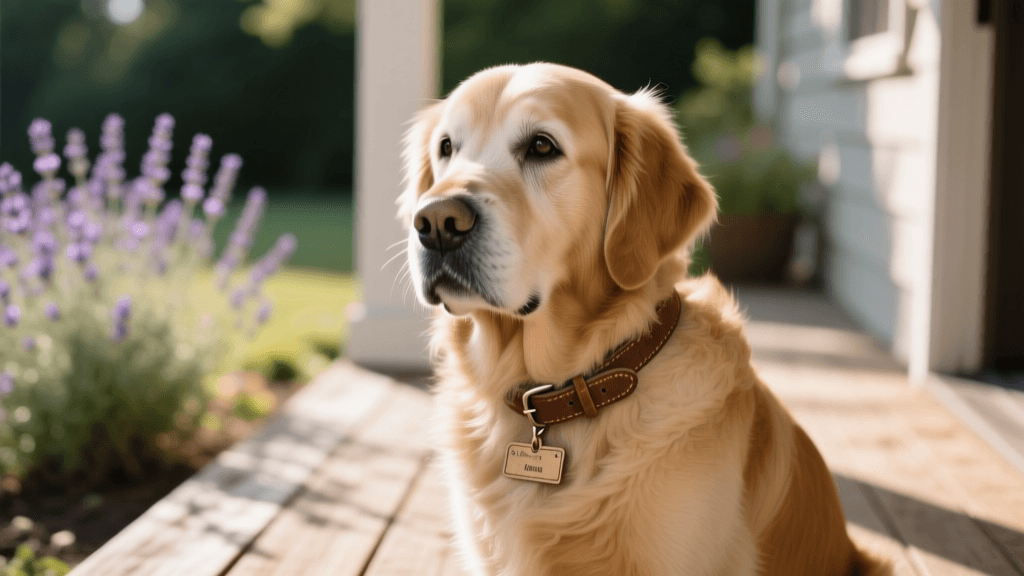
There is an old adage that claims you cannot teach an old dog new tricks. As a senior dog owner, it is time to discard this myth entirely. In fact, training and cognitive enrichment are not just possible for aging canines; they are absolutely vital. The senior life stage brings unique physical and mental challenges, but with the right adjustments, obedience training and brain games can significantly improve your dog's quality of life, delay cognitive decline, and strengthen your bond.
At Paws-Tales, we believe that life stage care guides must evolve alongside your pet. This comprehensive guide will walk you through adapting your training methods, selecting the right senior-friendly gear, and implementing a safe, rewarding enrichment routine for your aging companion.
Defining the Senior Life Stage
Before adjusting your training regimen, it is important to understand when your dog officially enters their senior years. The timeline varies drastically based on breed size and genetics. According to the American Veterinary Medical Association (AVMA), small breeds may not show signs of aging until they are 10 to 12 years old, whereas giant breeds like Great Danes or Mastiffs can be considered seniors as early as 5 or 6 years of age. Large breeds typically cross the senior threshold around 7 to 8 years.
As dogs age, they experience a natural decline in joint cartilage, muscle mass, and sensory acuity. Furthermore, the American Kennel Club (AKC) notes that many senior dogs develop Canine Cognitive Dysfunction (CCD), a condition similar to Alzheimer's disease in humans. Recognizing these shifts is the first step toward compassionate, effective training.
Adapting Core Obedience Commands
The foundational commands you taught your dog in their youth may need a physical overhaul. High-impact movements and repetitive stress on aging joints can lead to pain and reluctance to work.
Modifying 'Sit' and 'Down'
If your dog suffers from hip dysplasia or severe osteoarthritis, the act of sitting or lying down on hard surfaces can be agonizing. Instead of forcing a traditional 'down', transition to a 'settle' command on an elevated, orthopedic bed. Products like the Kuranda Chewproof Cot or a Big Barker Orthopedic Mattress (ranging from $130 to $250) provide joint relief. Train your dog to target the mat using a clicker and high-value, soft treats like Zuke's Mini Naturals, rewarding them simply for resting comfortably.
Recall and Sensory Loss
Hearing and vision loss are common in the senior life stage. If your dog can no longer hear a verbal recall command, you must pivot to visual or tactile cues. For visually impaired dogs, a vibration collar (such as the Dogtra 280C, approximately $220) can serve as a gentle, non-shocking recall signal. Pair the vibration with a highly smelly reward, like freeze-dried beef liver, so your dog learns that the tactile sensation means 'return to the source of the scent'.
For deaf dogs, utilize exaggerated hand signals and physical touch. A gentle tap on the shoulder paired with a thumbs-up sign can replace their name and the 'come' command. Consistency and patience are paramount when re-mapping communication channels.
Cognitive Enrichment and Brain Games
Physical exercise must often be curtailed in senior dogs to prevent injury, but mental exercise should be increased. Nosework and puzzle toys are excellent, low-impact ways to burn energy and stimulate neuroplasticity.
Introduction to Scent Work
Scent work relies on a dog's most powerful sense, which remains largely intact even in old age. You can purchase a basic scent work kit containing birch or anise essential oils, q-tips, and tin containers for about $25 to $35. Begin by hiding a scented q-tin in an obvious location in your living room and encouraging your dog to 'find it'. As they improve, elevate the tins or hide them behind furniture. This provides immense mental fatigue without requiring your dog to run or jump.
Food Puzzles and Lick Mats
Ditch the standard food bowl. Utilize puzzle toys like the Outward Hound Dog Brick ($15 to $20) or the Kong Senior (the blue version, specifically designed with softer rubber for aging teeth, around $15). Lick mats, such as the Hyper Pet IQ Treat Mat ($10), are also fantastic. Spreading a thin layer of plain pumpkin puree or low-sodium chicken broth on the mat and freezing it provides a soothing, joint-safe activity that can occupy a senior dog for 20 to 30 minutes.
Adult vs. Senior Dog Training Parameters
Adjusting your expectations and training metrics is crucial for success. The table below outlines the key differences between training an adult dog and a senior dog.
| Parameter | Adult Dog (1-7 Years) | Senior Dog (8+ Years) |
|---|---|---|
| Session Length | 10 to 15 minutes | 3 to 5 minutes |
| Treat Size | Pea-sized | Micro-bites (half a pea) |
| Primary Reward | Food, Toys, Praise | High-value food, gentle massage |
| Physical Demands | High (jumping, running, agility) | Low (mat work, nosework, scent trails) |
| Daily Mental Work | 30+ minutes | 10 to 15 minutes |
| Surface Requirements | Grass, dirt, standard floors | Non-slip rugs, orthopedic mats |
According to research published by the Cornell University College of Veterinary Medicine, keeping a senior dog's brain active through structured enrichment and novel training exercises can help build cognitive reserve, potentially slowing the progression of neurodegenerative diseases like CCD.
Managing Canine Cognitive Dysfunction (CCD) Through Training
If your senior dog exhibits signs of CCD—such as staring blankly at walls, getting stuck behind furniture, or experiencing a reversed sleep-wake cycle—training can serve as a therapeutic tool. While you should always consult your veterinarian about medical interventions and supplements like Selegiline or prescription diets rich in medium-chain triglycerides (MCTs), gentle training provides necessary grounding.
Keep your environment predictable. Practice basic hand signals in the same quiet room every day to build confidence. If your dog forgets a previously known command, do not show frustration. Simply lower your criteria, reward them for any attempt, and keep the session under three minutes. The goal is not perfect obedience; the goal is engagement and emotional security.
A Sample Weekly Senior Enrichment Schedule
To help you integrate these concepts, here is a practical, low-cost weekly schedule designed for a medium-sized senior dog with mild arthritis:
- Monday & Wednesday: 5 minutes of mat-settle training followed by 10 minutes of indoor scent work using a birch-scented tin.
- Tuesday & Thursday: Frozen lick mat session (15 minutes) while you work from home, followed by gentle, guided stretching and massage.
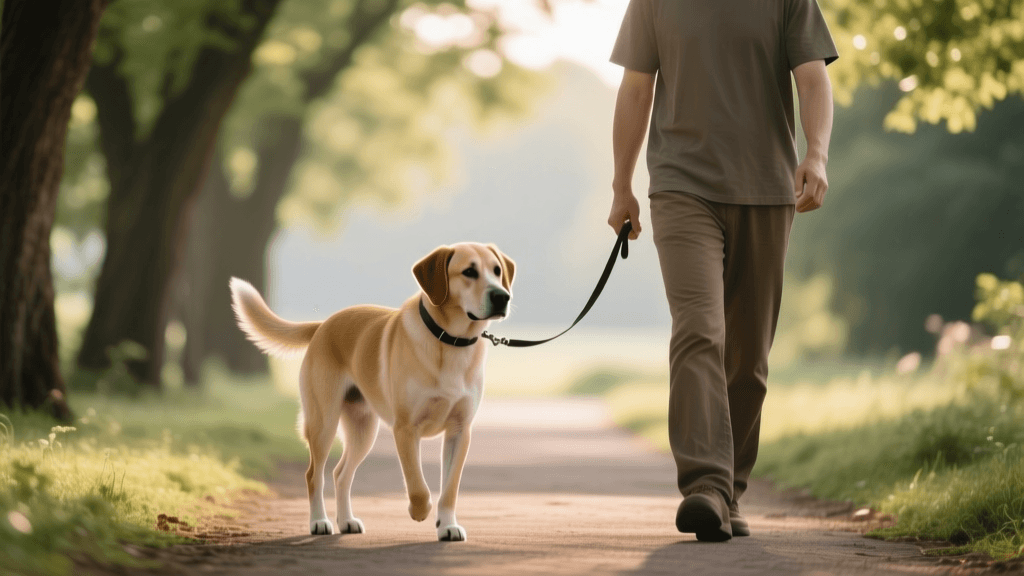
- Friday: Short, 15-minute 'sniffari' walk in a familiar, flat park. Allow the dog to dictate the pace and spend as much time as they want investigating smells.
- Saturday: Interactive puzzle toy (e.g., Dog Brick) for breakfast to encourage problem-solving.
- Sunday: Rest day. Focus on passive bonding, gentle brushing, and orthopedic bed lounging.
Conclusion: Patience and Adaptation
Training a senior dog is an exercise in empathy and adaptation. By modifying your physical demands, embracing sensory-friendly communication, and prioritizing cognitive enrichment, you ensure that your dog's golden years are truly golden. Remember that the bond you share is far more important than a flawless 'sit-stay'. Celebrate the gray muzzle, accommodate their changing needs, and enjoy the quiet, profound wisdom that only a senior dog can offer.
beth-carrasco
All our authors care for dogs every day — read more of their work on the authors page.