Active Dog Hydration: Hiking, Electrolytes, and Care
Discover how to keep your active dog hydrated on the trail. Learn about water intake, safe electrolytes, and practical hiking tips for canine health.
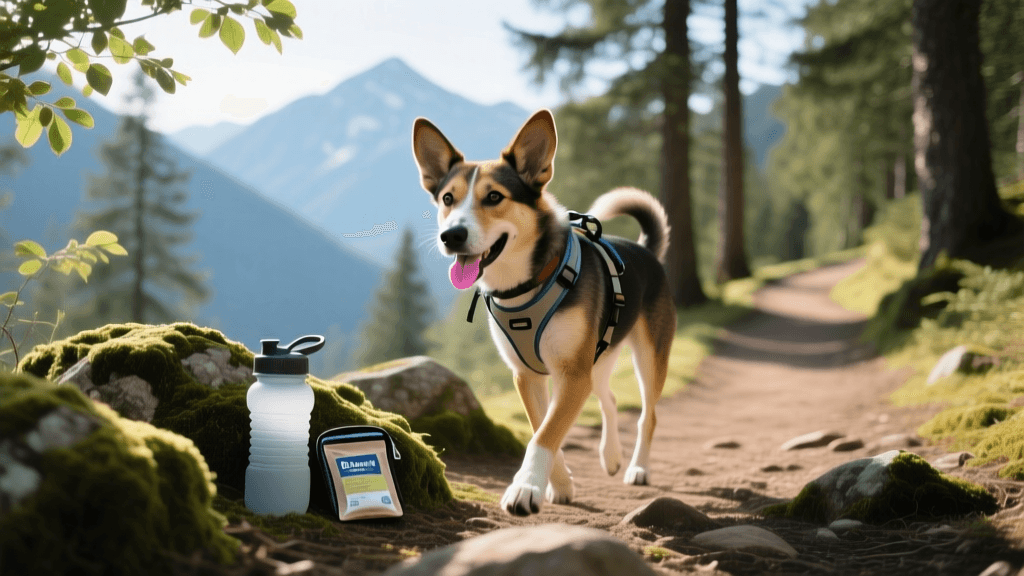
The Hidden Dangers of Canine Dehydration on the Trail
Sharing your life with an active, adventurous dog is one of the greatest joys of pet ownership. Whether you are tackling rugged mountain trails, running alongside your bike, or embarking on a multi-day backcountry camping trip, your canine companion is always eager to join the adventure. However, the physiological demands of outdoor exercise pose a significant, often underestimated risk to your dog's health: dehydration. Unlike humans, who can easily grab a water bottle and take a sip while on the move, dogs rely entirely on their owners to manage their fluid intake, electrolyte balance, and core body temperature. Failing to understand the deep nutritional and physiological needs of an active working or hiking dog can quickly turn a fun day outdoors into a veterinary emergency.
Canine Thermoregulation: Why Dogs Lose Water So Fast
To properly manage your dog's hydration, you must first understand how they cool down. Humans are equipped with millions of eccrine sweat glands distributed across their skin, allowing us to release heat through sweat evaporation continuously. Dogs, however, possess eccrine glands only on their paw pads, which contribute negligibly to overall cooling. Instead, canines rely almost exclusively on panting. Panting involves rapid, shallow breathing that facilitates evaporative cooling from the moist surfaces of the tongue, mouth, and upper respiratory tract. While this mechanism is remarkably effective at lowering core body temperature, it comes at a severe metabolic cost: rapid and massive fluid loss. An active dog hiking in moderate heat can lose water through their respiratory tract at a rate that far exceeds human sweat loss, making frequent, scheduled hydration breaks absolutely critical.
The Math: Calculating Trail Water Requirements
So, how much water should you actually pack for your dog? A general veterinary baseline dictates that a resting dog requires roughly 0.5 to 1 ounce of water per pound of body weight daily. For a 60-pound Labrador Retriever, this equates to 30 to 60 ounces (about 1 to 1.8 liters) of water on a lazy Sunday at home. However, when that same dog is tackling an 8-mile trail with a 1,500-foot elevation gain, their water requirements can easily double or even triple depending on the ambient temperature, humidity, and the dog's individual fitness level. As a strict rule of thumb for active outings, you must plan to carry or reliably source at least 1.5 to 2 liters of water specifically for your medium-to-large dog on a full-day excursion. Never assume that natural water sources will be available or safe to drink along your route.
The Truth About Canine Electrolytes
When human athletes engage in endurance sports, they routinely consume electrolyte-rich sports drinks to replace sodium, potassium, and chloride lost through sweat. Many well-meaning dog owners attempt to apply this same logic to their pets, reaching for human sports drinks or adding salt to their dog's water. This is a critical and potentially dangerous mistake. Because dogs do not sweat through their skin, their electrolyte depletion profile is entirely different from ours. A dog's primary electrolyte loss during exercise occurs through urine and gastrointestinal pathways, not through the respiratory tract.
Furthermore, human sports drinks are formulated with high levels of sugar and artificial flavorings. The excessive sugar can cause severe gastrointestinal upset, leading to osmotic diarrhea, which will only accelerate dehydration. More alarmingly, some sugar-free human hydration products contain xylitol (often listed as birch sugar), an artificial sweetener that is highly toxic to dogs, causing rapid hypoglycemia and acute liver failure. If your dog is working hard for more than two hours in the heat, look for veterinary-formulated canine electrolyte powders, such as those made by K9 Power or Bully Max. These supplements are specifically balanced for a dog's renal and metabolic needs, providing amino acids and targeted minerals without the dangerous sugars found in human products. In an absolute emergency, unflavored children's Pedialyte can be used to gently restore balance, but only under the direct guidance of a veterinarian.
Essential Hydration Gear for the Trail
Carrying the water is only half the battle; delivering it to your dog efficiently on a narrow, rocky trail is the other. Investing in the right gear ensures your dog can drink comfortably without wasting a single drop. Below is a comparison of the most effective hydration methods for active dogs.
| Gear Type | Best Use Case | Pros & Cons | Estimated Cost |
|---|---|---|---|
| Silicone Collapsible Bowl | Day hikes, lightweight backpacking | Pros: Ultralight, cheap, easy to clean. Cons: Requires you to hold it or place it on flat ground. |
$8 - $15 |
| Dog Hydration Pack (e.g., Ruffwear) | Long-distance treks, multi-day camping | Pros: Dog carries their own water, hands-free. Cons: Adds weight to the dog, requires conditioning. |
$80 - $130 |
| Squeeze Bottle with Attached Trough | Trail running, quick breaks | Pros: One-handed operation, minimal water waste. Cons: Limited capacity, trough can be too small for large breeds. |
$15 - $25 |
Sourcing Water in the Backcountry: Filtration is Mandatory
If you are hiking in remote areas where carrying all the necessary water is physically impossible, you will need to source water from streams, lakes, or rivers. However, allowing your dog to drink directly from standing or slow-moving natural water sources is a massive health risk. Natural waterways are frequently contaminated with Giardia, a microscopic parasite that causes severe intestinal distress, and Leptospira, the bacteria responsible for Leptospirosis, a potentially fatal disease that attacks the liver and kidneys. To protect your dog's health, you must treat their water just as you would your own. Carrying a lightweight backcountry water filter, such as the Sawyer Squeeze or the Katadyn BeFree (costing roughly $40 to $50), allows you to safely filter water from natural sources into your dog's collapsible bowl. These filters effectively remove 99.9999% of bacteria and protozoa, ensuring your dog stays hydrated without risking a severe waterborne illness.
A Practical Trail Hydration Schedule
Relying on your dog to tell you when they are thirsty is a flawed strategy; by the time a dog actively seeks out water or shows signs of extreme thirst, they are already mildly dehydrated. Implement a strict, proactive hydration schedule:
- Pre-Hike (30 minutes before departure): Offer your dog 8 to 16 ounces of water at home or the trailhead. This allows them to hydrate and eliminate waste before hitting the trail, ensuring they start the hike in a euhydrated state.
- Mid-Hike (Every 2 miles or 30 minutes): Mandate a 2-minute water break in the shade. Offer 4 to 8 ounces of water. If your dog is panting heavily, allow them to rest and cool down before offering water to prevent gulping, which can lead to bloating or regurgitation.
- Post-Hike (Recovery phase): Once back at the car or camp, provide unlimited access to fresh, cool water. Consider adding a vet-approved canine electrolyte powder to their post-hike meal to help replenish cellular fluids and aid in muscle recovery.
Recognizing the Warning Signs of Dehydration and Heatstroke
Even with meticulous planning, environmental factors like sudden heat spikes or high humidity can overwhelm a dog's cooling system. It is vital to know how to assess your dog's hydration status on the fly. The most common field test is the "skin tent" test: gently pinch the skin between your dog's shoulder blades, lift it slightly, and release. In a well-hydrated dog, the skin will snap back into place instantly. If the skin remains elevated or returns slowly, your dog is dehydrated. Additionally, check their gums; they should be slick and wet. Tacky, dry, or pale gums are a major red flag. Press your finger against their gums until the spot turns white, then release. The color should return to pink within 1.5 seconds (capillary refill time). A delayed refill indicates poor circulation due to fluid loss.
According to the American Kennel Club (AKC), if you notice excessive panting that does not resolve with rest, sunken eyes, or a lethargic gait, you must stop the activity immediately, move the dog to a shaded area, and offer small amounts of cool (not ice-cold) water. Furthermore, the American Veterinary Medical Association (AVMA) warns that dogs can suffer from heatstroke much faster than humans, as they cannot adapt to rapid temperature changes. If your dog exhibits vomiting, confusion, or collapses, this is a dire medical emergency requiring immediate transport to a veterinary clinic for intravenous fluid therapy. Never wait to see if they "bounce back" on their own.
Conclusion
Living an active life with your dog requires a shift in perspective. You are no longer just a pet owner; you are your dog's expedition leader, nutritionist, and medic. By understanding the unique physiology of canine thermoregulation, accurately calculating their fluid needs, avoiding the dangers of human electrolyte products, and utilizing proper backcountry filtration, you can ensure your furry companion remains safe, healthy, and happy on every adventure. Proper hydration is the foundation of canine athletic performance and longevity, allowing you both to enjoy the great outdoors for years to come.
anouk-beaumont
All our authors care for dogs every day — read more of their work on the authors page.