Dog Separation Anxiety Medication: A Complete Guide for 2026
Comprehensive guide to dog separation anxiety medication, including vet-prescribed options, dosing, behavior modification protocols, and when medication

What Qualifies as Separation Anxiety in Dogs?
Separation anxiety is a panic-based behavioral condition where a dog exhibits extreme distress when left alone or separated from their primary attachment figure. It is not simply "missing you" — it is a genuine anxiety disorder rooted in the dog's neurobiology.
Clinical thresholds that distinguish true separation anxiety from normal adjustment:
- Destructive behavior directed at exit points (doors, windows, door frames) within 15-30 minutes of departure
- Excessive vocalization (howling, barking, whining) that begins within minutes of your departure and continues intermittently or constantly
- Inappropriate elimination (urination/defecation) only when alone, despite being house-trained when you're home
- Self-injury: broken teeth, damaged nails, or raw paws from attempting to escape crates or rooms
- Pacing, drooling, trembling, or refusal to eat treats/food when alone
- Shadowing/following behavior that escalates as departure cues are recognized by the dog
According to the Merck Veterinary Manual, approximately 20-40% of dogs seen in veterinary behavior practices are diagnosed with separation-related problems, making it one of the most common canine behavioral disorders.
Root Cause Analysis: Why Does My Dog Have Separation Anxiety?
Separation anxiety rarely has a single cause. Most cases involve a combination of predisposing, triggering, and maintaining factors. Understanding these helps determine whether dog separation anxiety medication is appropriate alongside behavioral modification.
Five Common Underlying Causes
- Hyperattachment and insecure attachment style: Dogs that were weaned too early, experienced multiple rehoming events, or spent extended time in shelters may develop insecure attachment patterns. These dogs lack the internal confidence to self-soothe when their person is absent. Research published in the Journal of Veterinary Behavior indicates that shelter-adopted dogs show separation anxiety at higher rates than dogs raised from puppyhood in a single home.
- Traumatic abandonment or isolation events: A single prolonged period of isolation (being left in a crate for 10+ hours, lost and separated from owner for days) can trigger separation anxiety even in previously confident dogs. The trauma creates a learned association between being alone and extreme distress.
- Genetic predisposition and breed factors: Breeds selected for close human partnership — including German Shepherds, Labrador Retrievers, Vizslas, Australian Shepherds, and Bichon Frises — show higher prevalence. This suggests a heritable component to anxiety sensitivity, though no single gene has been identified.
- Life changes and environmental disruption: Moving to a new home, a family member leaving (divorce, college, death), changes in work schedule (returning to office after remote work), or addition of a new pet can destabilize a dog's routine enough to trigger anxiety. The 2023-2025 wave of return-to-office transitions created a documented spike in separation anxiety cases across veterinary practices.
- Medical comorbidities amplifying anxiety: Chronic pain (arthritis, dental disease), cognitive dysfunction in senior dogs, and hypothyroidism can lower a dog's stress threshold, making them more vulnerable to separation distress. This is why medical rule-out must precede any treatment plan.
Medical Rule-Out: See Your Vet Before Starting Any Plan
Before pursuing dog separation anxiety medication or behavioral modification, your veterinarian must rule out medical conditions that mimic or exacerbate separation anxiety. Treating a behavioral problem that is actually rooted in a physical condition wastes time, money, and can worsen your dog's distress.
Conditions Your Vet Should Evaluate
| Condition | How It Mimics Separation Anxiety | Diagnostic Test | Typical Cost |
|---|---|---|---|
| Urinary tract infection / incontinence | Inappropriate elimination when alone | Urinalysis, urine culture | $50–$150 |
| Cognitive dysfunction syndrome (senior dogs) | Pacing, vocalization, disorientation when alone | Neurological exam, DISHAA questionnaire | $100–$250 |
| Hypothyroidism | Increased anxiety, behavioral changes | Full thyroid panel (T4, free T4, TSH) | $80–$200 |
| Chronic pain (osteoarthritis, dental) | Restlessness, inability to settle, vocalization | Orthopedic exam, dental exam, radiographs | $150–$500 |
| Gastrointestinal disease | Inappropriate defecation, pacing, drooling | Fecal panel, abdominal ultrasound | $100–$400 |
| Noise phobia (thunderstorms, construction) | Destruction, elimination only when specific sounds occur | Behavioral history, sound exposure log | Consultation fee only |
A full wellness exam with bloodwork typically costs $150–$350 depending on your region. This is a necessary investment before starting any dog separation anxiety medication protocol.
Immediate Management: Stop the Rehearsal Cycle
Every time your dog experiences a full panic episode alone, the neural pathways associated with separation distress are reinforced. Management prevents rehearsal of the problem behavior while you implement long-term treatment. Think of management as a bandage — not a cure, but essential to stop the wound from getting worse.
Five Immediate Strategies
- Eliminate alone time temporarily: Use doggy daycare ($25–$55/day), a pet sitter ($15–$25/visit), or bring your dog to work if possible. For some owners, this means rearranging schedules so the dog is never truly alone for 2–4 weeks while treatment begins.
- Departure cue desensitization: Pick up your keys, put on your shoes, grab your bag — then sit back down on the couch. Repeat 10–20 times daily until these cues no longer trigger your dog's pre-departure anxiety. This breaks the predictive chain.
- Create a safe confinement area: If crating causes injury (broken teeth, damaged nails), switch to a puppy-proofed room with baby gates. Remove anything the dog could destroy or ingest. For dogs that injure themselves on crate bars, a reinforced plastic crate (e.g., Impact Dog Crate, $450–$700) may be necessary as a temporary safety measure.
- Use white noise or calming audio: Research from the University of Glasgow found that soft rock and reggae reduced stress indicators in kennelled dogs. Products like Through a Dog's Ear (bioacoustic music, $15–$20 for digital albums) or simply playing a talk radio station at moderate volume can mask triggering outdoor sounds.
- Install a camera for monitoring: A Wyze Cam ($25–$35) or Furbo Dog Camera ($150–$180, includes treat-tossing) lets you observe your dog's behavior in real-time. This is critical for determining the exact onset time of distress and measuring treatment progress objectively.
Dog Separation Anxiety Medication: Options, Dosing, and Expectations
Medication for separation anxiety is not a shortcut — it is a tool that lowers your dog's baseline anxiety enough for behavioral modification to work. According to board-certified veterinary behaviorists, the combination of medication and structured desensitization produces significantly better outcomes than either approach alone.
Important: All medications listed below require a veterinary prescription. Your veterinarian will determine the correct dose based on your dog's weight, health status, and concurrent medications. Never adjust dosages without veterinary guidance.
Prescription Medications Commonly Used for Canine Separation Anxiety
| Medication | Drug Class | Typical Dose Range | Onset to Effect | Monthly Cost (50 lb / 23 kg dog) | Key Considerations |
|---|---|---|---|---|---|
| Fluoxetine (Prozac/Reconcile) | SSRI | 1–2 mg/kg once daily | 4–8 weeks for full effect | $15–$40 (generic) | FDA-approved for separation anxiety in dogs (as Reconcile). Most commonly prescribed first-line option. May cause temporary appetite reduction, lethargy in first 1–2 weeks. |
| Clomipramine (Clomicalm) | Tricyclic antidepressant (TCA) | 1–2 mg/kg twice daily | 4–6 weeks for full effect | $20–$50 | FDA-approved for separation anxiety in dogs. Should not be combined with SSRIs or MAOIs. May cause sedation, dry mouth. Requires gradual tapering when discontinuing. |
| Sertraline (Zoloft) | SSRI | 1–3 mg/kg once daily | 4–8 weeks for full effect | $15–$35 (generic) | Used off-label. Similar efficacy to fluoxetine. Some dogs tolerate sertraline better. Compounded flavored versions available for picky eaters ($30–$60/month). |
| Trazodone | Serotonin antagonist/reuptake inhibitor (SARI) | 2–5 mg/kg, given 1–2 hours before departure | 1–2 hours (event-based) | $15–$30 (as-needed use) | Fast-acting situational medication. Often used alongside a daily SSRI/TCA. Good for predictable absences. May cause sedation, ataxia at higher doses. Not ideal for unpredictable schedules. |
| Gabapentin | Anticonvulsant/anxiolytic | 5–10 mg/kg, given 2 hours before departure | 1–2 hours (event-based) | $10–$25 (as-needed use) | Used off-label for situational anxiety. Often combined with trazodone. Can cause sedation and ataxia. Compounded liquid forms available for small dogs. |
| Dexmedetomidine gel (Sileo) | Alpha-2 adrenergic agonist | Applied to oral mucosa per weight-based dosing | 30–60 minutes | $50–$80 per tube (4 doses) | FDA-approved for noise aversion; sometimes used off-label for situational separation anxiety. Applied between cheek and gum. Avoid in dogs with cardiac conditions. |
Costs are approximate 2026 U.S. retail prices via 1800PetMeds, Chewy Pharmacy, and independent compounding pharmacies. Prices vary by region and pharmacy. Always consult your veterinarian before starting, adjusting, or discontinuing any medication.
Over-the-Counter Supplements and Adjuncts
While not replacements for prescription medication in moderate-to-severe cases, these supplements may provide mild support and are generally safe to use alongside prescribed drugs (confirm with your vet):
- L-theanine (Anxitane, Solliquin): 5–10 mg/kg twice daily. Promotes calm without sedation. Studies in the Journal of Veterinary Behavior show modest reduction in anxiety-related behaviors.
- Zylkene (casein-derived supplement): Dosed by weight (75 mg for dogs under 22 lb, 225 mg for 22–66 lb, 450 mg for 66+ lb). Once daily. Derived from milk protein; avoid in dogs with dairy allergies.
- Adaptil (dog-appeasing pheromone): Diffuser ($25–$35, lasts 30 days) or collar ($20–$30, lasts 30 days). Mimics the pheromone produced by nursing mothers. Evidence is mixed — some dogs show measurable calming, others show no response.
- CBD oil: The FDA has not approved CBD for veterinary use, and product quality varies enormously. If your veterinarian recommends a trial, choose products with third-party COAs (Certificates of Analysis). Typical research doses range from 1–2 mg/kg twice daily. Watch for sedation and GI upset.
Step-by-Step Training Protocol: Desensitization and Counter-Conditioning
This protocol is the gold standard for treating separation anxiety. It works by gradually teaching your dog that being alone is safe and even rewarding. Medication makes this protocol more effective by keeping your dog below their anxiety threshold during training.
Phase 1: Pre-Departure Cue Desensitization (Weeks 1–2)
- Identify your dog's departure triggers: Common cues include picking up keys, putting on shoes, opening the front door, grabbing a purse/briefcase, saying "be a good boy/girl." Record your dog's reaction to each cue on a scale of 0 (no reaction) to 5 (full panic).
- Perform each cue in isolation, then do NOT leave: Pick up your keys. Sit down. Watch TV. Put on your shoes. Take them off. Repeat each cue 10–15 times per day, 3–5 days, until your dog shows a 0–1 reaction to every cue.
- Randomize the order: Dogs are pattern-detecting experts. If you always put on shoes before grabbing keys, they learn the sequence. Mix the order unpredictably.
Phase 2: Systematic Desensitization to Alone Time (Weeks 3–8+)
- Start with absences your dog can tolerate: For many dogs with separation anxiety, this is literally 1 second. Step out the door and immediately step back in. No fanfare, no greeting.
- Use the "half-second rule" for progression: Increase absence duration by no more than 50% of the previous successful duration. If your dog handled 2 seconds, try 3 seconds. If they handled 30 seconds, try 45 seconds. If they handled 5 minutes, try 7–8 minutes.
- Watch your camera feed for stress signals: Lip-licking, yawning, pacing, panting, whining, and door-scratching are early stress indicators. If you see ANY of these, your absence was too long. Return calmly, wait for your dog to settle, and try a shorter duration.
- Build to 30 minutes before increasing difficulty: Once your dog can stay calm for 30 minutes of true alone time (you out of the house, not just in another room), begin adding mild challenges: leaving during a different time of day, leaving from a different door, having a visitor arrive while you're gone.
- Provide a high-value departure food toy: A frozen Kong stuffed with peanut butter, canned food, or plain yogurt ($8–$15 for a Classic Kong) creates a positive association with your departure. The dog should only receive this toy when you leave. If your dog won't eat when alone (a common anxiety indicator), this signals you need to go back to shorter durations or discuss medication adjustment with your vet.
Phase 3: Generalization and Maintenance (Weeks 8–16+)
- Practice absences in different contexts: Your dog may be fine when you leave for a "short trip" (you're wearing casual clothes) but panic when you leave "for real" (you're dressed for work). Practice departures in work attire, evening attire, etc.
- Vary your return behavior: Some dogs become anxious about WHEN you'll return. Keep arrivals low-key — no excited greetings, no "I missed you!" baby talk. Walk in, put down your things, wait for calm, then greet quietly.
- Schedule 2–3 practice absences per week indefinitely: Even after your dog has improved, maintenance practice prevents relapse. These don't need to be long — a 10-minute absence to grab mail is sufficient.
Tools That Help and Tools to Avoid
Recommended Tools vs. Tools That Can Worsen Anxiety
| Category | Recommended Tools | Why They Help | Tools to Avoid | Why They're Harmful |
|---|---|---|---|---|
| Confinement | Baby gates, exercise pens (MidWest, $35–$60), puppy-proofed rooms | Provide safe space without triggering crate claustrophobia | Wire crates (for dogs that self-injure), tethering, chaining | Can cause broken teeth, torn nails, and worsen panic in anxious dogs |
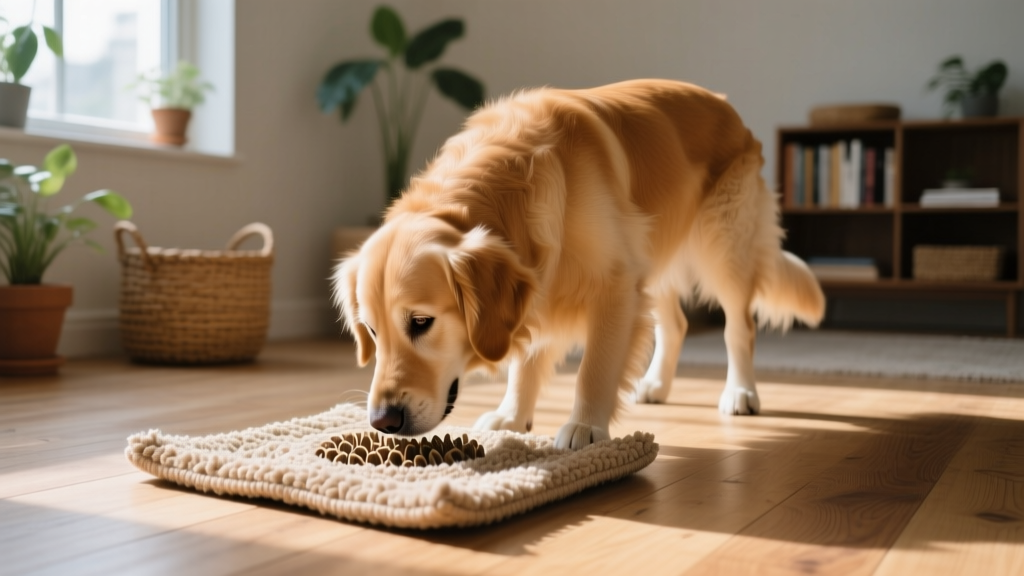
| Mental enrichment | Kong Classic/Wobbler ($8–$18), West Paw Toppl ($15–$22), snuffle mats ($15–$30) | Create positive departure associations, provide calming chewing/licking activity | Food bowls left out with no engagement required | Anxious dogs often won't eat from bowls when alone; no therapeutic benefit |
| Calming aids | Adaptil diffuser ($25–$35), Thundershirt ($40–$50), white noise machines ($20–$35) | Mild anxiety reduction through pheromones, gentle pressure, sound masking | Essential oils applied directly to dog (tea tree, eucalyptus) | Many essential oils are toxic to dogs; call ASPCA Poison Control at (888) 426-4435 if ingested |
| Training tools | Treat pouch ($10–$20), clicker ($3–$5), long-line for decompression walks ($15–$30) | Support positive reinforcement training and confidence-building | Shock collars (e-collars), prong collars, bark-activated spray collars, ultrasonic bark deterrents | Punishing anxiety-driven behavior increases fear and worsens separation anxiety. A 2020 study in Frontiers in Veterinary Science confirmed that aversive training methods increase cortisol and stress behaviors in dogs. |
| Monitoring | Wyze Cam ($25–$35), Furbo ($150–$180), Ring Indoor Cam ($60) | Objective data on distress onset, duration, and improvement over time | Ignoring the problem, relying on neighbor reports alone | You cannot measure progress without data; neighbors often underreport or only notice extreme episodes |
Timeline Expectations: How Long Will It Take to Fix Separation Anxiety?
There is no shortcut. Separation anxiety treatment is measured in months, not days. Setting realistic expectations prevents frustration, premature protocol abandonment, and the temptation to try punitive methods.
Realistic Progress Milestones
| Timeframe | Expected Progress | What You Should See |
|---|---|---|
| Weeks 1–2 | Baseline established; management in place | Departure cues desensitized. Dog no longer panics at sound of keys. Camera installed. No rehearsal of full panic episodes. |
| Weeks 3–4 | Early desensitization gains | Dog tolerates 1–5 minute absences without distress signals on camera. If on medication, initial side effects subsiding. Dog begins eating departure food toy (may not finish). |
| Weeks 5–8 | Building duration tolerance | Dog handles 10–30 minute absences. Medication (if prescribed) at therapeutic dose. Noticeable reduction in shadowing/following behavior at home. |
| Weeks 9–16 | Functional independence developing | Dog tolerates 1–2 hour absences. Can eat food toy fully. Stress signals on camera are minimal or absent. May begin testing longer absences. |
| Months 4–6 | Functional for typical work-day absences (for many dogs) | Dog handles 4–6 hours alone. Some dogs reach this milestone; others may plateau at 2–3 hours. This is where medication dose adjustments may be discussed with your vet. |
| Months 6–12+ | Maintenance and gradual medication weaning (if applicable) | With consistent practice, some dogs can begin slow medication taper under veterinary supervision. Never discontinue abruptly — SSRIs and TCAs require gradual reduction over 4–8 weeks. |
Individual variation is significant. Dogs with severe self-injuring separation anxiety may never tolerate full work-day absences and require permanent management (daycare, pet sitter). This is not failure — it is responsible ownership.
When to Hire a Professional: Behaviorist vs. Trainer
Not all separation anxiety cases can be managed with owner-led protocols. Knowing when to bring in professional help saves time and prevents worsening of the condition.
Seek Professional Help If:
- Your dog has injured themselves (broken teeth, torn nails, bleeding paws) attempting to escape
- You've followed a structured protocol for 4+ weeks with zero measurable progress on camera
- Your dog won't eat any food or treats when alone, even at very short absences (1–5 seconds)
- The anxiety is causing significant household stress, sleep deprivation, or neighbor/landlord complaints
- You're unsure whether what you're seeing is separation anxiety or a different condition (noise phobia, barrier frustration, incomplete house-training)
- You need help coordinating medication with behavioral modification
Who to Hire
| Professional Type | Credentials to Look For | What They Do | Typical Cost (2026) |
|---|---|---|---|
| Veterinary Behaviorist | DACVB (Diplomate, American College of Veterinary Behaviorists) | Can prescribe medication, diagnose medical vs. behavioral causes, design comprehensive treatment plans. There are fewer than 100 DACVB diplomates in the U.S., so telemedicine consultations are common. | $300–$600 initial consultation; $150–$300 follow-ups |
| Certified Applied Animal Behaviorist | CAAB or ACAAB (Animal Behavior Society certification) | PhD or Master's-level behaviorists who design and oversee behavior modification plans. Cannot prescribe medication but can coordinate with your veterinarian. | $200–$400 initial consultation; $100–$200 follow-ups |
| Certified Professional Dog Trainer (Separation Anxiety Specialist) | CPDT-KA or CPDT-KSA, plus specific separation anxiety certification (e.g., CSAT — Certified Separation Anxiety Trainer) | Implements the training protocol with you, provides coaching, camera review, and accountability. Cannot prescribe medication. | $100–$200/session; packages of 6–10 sessions for $600–$1,500 |
| Fear Free Certified Professional | FFCP (Fear Free certification through Dr. Marty Becker's program) | Trainers and veterinary staff trained in low-stress handling and anxiety-aware techniques. Good for general anxiety support. | $75–$150/session |
Always verify credentials. The dog training industry is unregulated — anyone can call themselves a "behaviorist." Look for the specific certifications above, and ask about their approach to separation anxiety specifically.
Prevention: Protecting Puppies and Newly Adopted Dogs
Prevention is dramatically easier and less expensive than treatment. If you have a puppy or have recently adopted a dog, these practices build independence from the start:
- Practice short absences from day one: Even a 10-second step outside the front door, repeated daily, teaches a puppy that departures are normal and temporary. Gradually build to 5, 10, then 30 minutes over the first month.
- Build a "settling" routine: Teach your dog to relax on a designated mat or bed (Karen Overall's "Protocol for Relaxation" is a well-documented 15-day program available through veterinary behaviorists). This gives them a practiced coping skill for alone time.
- Avoid creating constant-contact habits: It's tempting to let a new puppy sleep in your bed and follow you everywhere 24/7. While bonding is important, build in structured alone time daily — even 15 minutes in a pen with a chew toy while you're in the next room.
- Make departures boring: Don't create elaborate goodbye rituals. Leave quietly, return quietly. Your departure should be a non-event in your dog's emotional landscape.
- Socialize broadly: Dogs confident in multiple environments, with multiple people, and in novel situations are generally more resilient when their primary person is absent. Follow the AKC's socialization guidelines during the critical 3–14 week window for puppies.
Frequently Asked Questions
Why does my dog destroy things only when I leave?
Destruction directed at doors, windows, and door frames is a hallmark of separation anxiety — your dog is trying to escape to find you, not "getting revenge" on your belongings. Dogs with separation anxiety do not understand that destroying a couch won't bring you back. The behavior is driven by panic, not spite. If destruction happens at random items (not exit points), consider whether the dog is simply under-exercised or bored — a different behavioral issue with a different solution.
How do I stop my dog from having separation anxiety?
There is no single "stop" button. Effective treatment combines three elements: (1) management to prevent rehearsal of panic, (2) systematic desensitization and counter-conditioning to build tolerance for alone time, and (3) medication (when appropriate) to lower baseline anxiety enough for training to work. Work with your veterinarian to determine whether dog separation anxiety medication is right for your dog, and pair it with a structured behavioral protocol as outlined above.
Is separation anxiety normal in dogs?
Mild distress when left alone — a few minutes of whining that resolves quickly — is within the normal range, especially in puppies and newly adopted dogs. True separation anxiety, characterized by sustained panic, self-injury, and inability to settle, is a clinical behavioral disorder that requires treatment. It is common (affecting an estimated 14–20% of the general dog population per the AVMA), but "common" does not mean "normal" or something to simply live with.
How long will it take to fix my dog's separation anxiety?
Realistically, expect 3–6 months of consistent daily work for moderate cases, and 6–12+ months for severe cases involving self-injury or complete food refusal when alone. Some dogs with severe anxiety may never tolerate long absences and will always need management (daycare, sitter). Progress is not linear — expect plateaus and occasional setbacks, especially during life disruptions (moving, schedule changes, illness).
Should I use punishment to correct separation anxiety behaviors?
Absolutely not. Punishing a dog for anxiety-driven behavior (destruction, elimination, vocalization) is counterproductive and harmful. Your dog is not being disobedient — they are experiencing a panic response. Adding punishment (shock collars, yelling, rubbing their nose in accidents, alpha rolls) increases their overall stress level and makes the anxiety worse. The American Veterinary Society of Animal Behavior explicitly recommends against aversive methods, citing evidence that punishment increases fear, anxiety, and aggression. Use positive reinforcement, desensitization, and medication instead.
When do I need a professional behaviorist?
Consult a DACVB veterinary behaviorist or CAAB certified applied animal behaviorist if your dog self-injures, if you've followed a structured protocol for 4+ weeks without measurable progress, if your dog refuses all food when alone, or if the situation is causing significant household disruption. A professional can provide an accurate diagnosis (separating true separation anxiety from noise phobia, barrier frustration, or incomplete house-training), prescribe or adjust medication, and design a customized protocol. Early professional intervention typically leads to faster progress and prevents the problem from worsening.
Can dog separation anxiety medication cure the problem permanently?
Medication manages the neurochemical component of anxiety but does not "cure" it in isolation. The goal of medication is to lower your dog's arousal threshold enough for behavioral modification to succeed. Some dogs, after 6–12 months of successful training on medication, can be gradually tapered off under veterinary supervision and maintain their progress. Others may need long-term or lifelong medication — similar to how humans with anxiety disorders may need ongoing treatment. This is not failure; it is appropriate medical management of a chronic condition.
This article is for educational purposes and does not replace professional veterinary advice. Always consult your veterinarian before starting, changing, or discontinuing any medication or behavioral treatment plan for your dog. If your dog has ingested a potentially toxic substance, contact the ASPCA Animal Poison Control Center at (888) 426-4435 (24/7, consultation fee applies).
Aaron Whyte
All our authors care for dogs every day — read more of their work on the authors page.