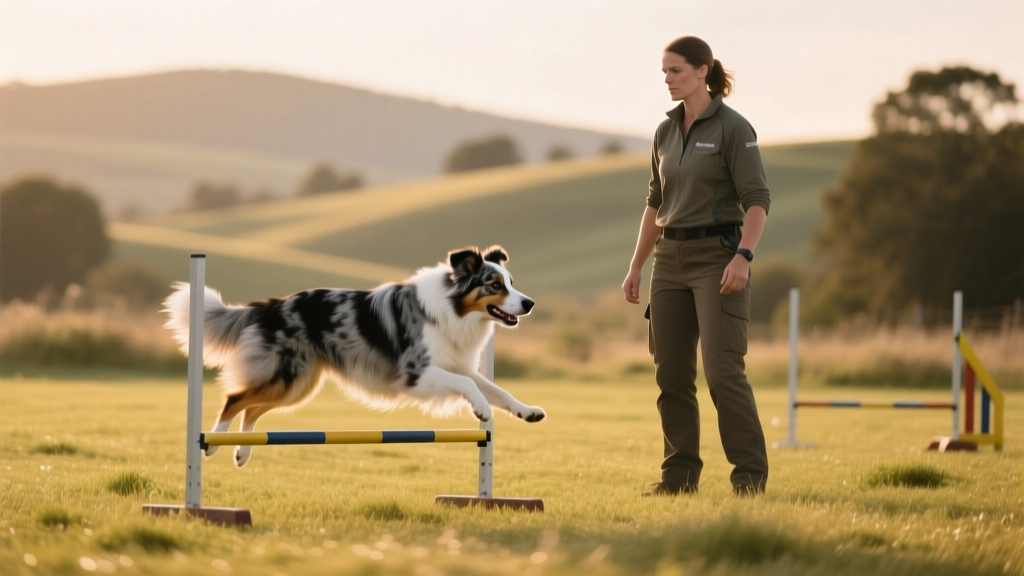
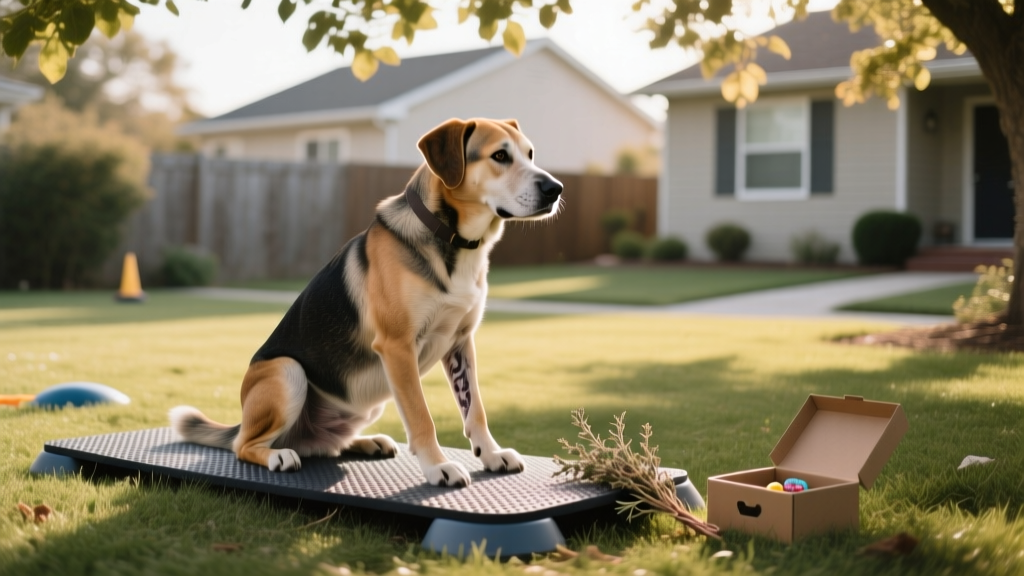
Effective Dog Training Techniques for Puppies: A Complete Guide
Discover the most effective dog training techniques for puppies. Learn step-by-step positive reinforcement methods, socialization tips, and common mistakes to avoid.
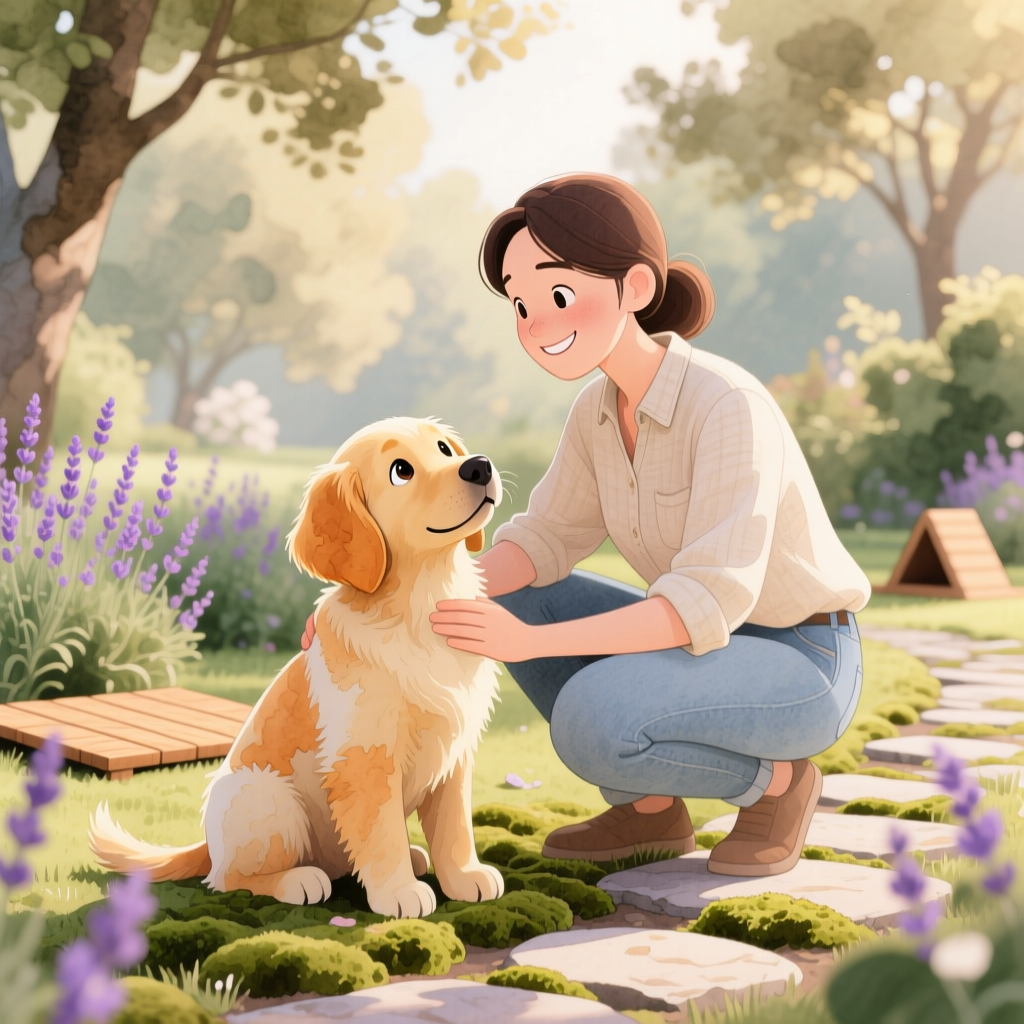
Bringing a new puppy into your home is one of the most exciting experiences a pet parent can have. With their floppy ears, clumsy paws, and endless curiosity, puppies bring immense joy to our lives. However, alongside the cuddles and playtime comes the significant responsibility of shaping your young dog into a well-mannered, confident, and obedient adult. Without proper guidance, those adorable puppy antics can quickly develop into frustrating behavioral issues. This is why understanding and implementing effective dog training techniques for puppies is absolutely essential from the very first day.
Training is not just about teaching your dog to perform tricks; it is about establishing a clear line of communication, building mutual trust, and ensuring your puppy's safety in a complex world. The methods you choose during these formative months will set the foundation for your relationship for years to come. In this comprehensive guide, we will explore the most effective, science-backed puppy training techniques, provide step-by-step instructions for essential commands, and highlight common mistakes to avoid. Whether you are a first-time dog owner or a seasoned handler, these strategies will help you raise a happy and well-adjusted companion.
The Foundation of Puppy Training: Positive Reinforcement
At the core of all modern, effective dog training techniques for puppies is positive reinforcement. This methodology is rooted in behavioral science and operates on a simple premise: behaviors that are rewarded are more likely to be repeated, while behaviors that are ignored or unrewarded will eventually fade away. Unlike outdated dominance-based methods that rely on fear or intimidation, positive reinforcement builds a bond of trust and enthusiasm between you and your puppy.
Understanding the Mark and Reward System
To successfully use positive reinforcement, you must master the timing of your rewards. Puppies live in the moment, and you only have a one-to-two-second window to mark a desired behavior so they understand exactly what they are being rewarded for. This is where a 'marker' comes in. A marker can be a verbal word like 'Yes!' or the sharp click of a mechanical clicker.
- Identify the Behavior: Wait for your puppy to perform the desired action, such as their bottom touching the floor for a 'sit'.
- Mark the Behavior: The exact millisecond the behavior occurs, say 'Yes!' or click the clicker.
- Deliver the Reward: Immediately follow the marker with a high-value treat, a favorite toy, or enthusiastic praise.
- Repeat: Consistency is key. Repeating this cycle helps the puppy associate the action with the positive outcome.
Using treats & toys effectively requires understanding your puppy's motivation. Some dogs are highly food-driven, while others prefer a quick game of tug. Find what your puppy loves most and reserve those high-value rewards for the most challenging training sessions. Over time, you can begin to fade the food lure, replacing it with life rewards like going outside for a walk or getting a belly rub.
Essential Puppy Commands Every Dog Should Know
Teaching basic obedience cues is crucial for your puppy's safety and your peace of mind. These foundational commands give your dog a clear understanding of what is expected of them in various situations. Here is a step-by-step breakdown of the most vital commands.
1. The 'Sit' Command
Sit is often the easiest command to teach and serves as the default polite behavior for dogs. It is the canine equivalent of saying 'please'.
- Hold a small, smelly treat close to your puppy's nose.
- Slowly move the treat upward and slightly backward over their head.
- As their nose follows the treat up, their bottom will naturally lower to the ground.
- The moment they sit, mark the behavior with 'Yes!' and give them the treat.
- Once they consistently follow the lure, add the verbal cue 'Sit' just before you move your hand.
2. The 'Stay' Command and the 3 Ds
Stay requires impulse control, which is naturally difficult for young puppies. To build a reliable stay, you must gradually introduce the 3 Ds: Duration, Distance, and Distraction. Never increase more than one 'D' at a time.
- Duration: Ask your puppy to sit. Say 'Stay' and hold your hand out like a stop sign. Wait one second, mark 'Yes!', and reward. Gradually increase the time to three seconds, five seconds, and so on.
- Distance: Once they can hold a stay for ten seconds, take one small step back. Return immediately, mark, and reward. Slowly increase the number of steps you take away.
- Distraction: Practice in different environments. Start in a quiet room, then move to the living room with the TV on, and eventually practice in the yard.
3. The 'Come' Command (Recall)
A reliable recall can literally save your dog's life. The golden rule of recall training is to never call your puppy to you for something they perceive as negative, such as a bath, nail trimming, or punishment.
- Start in a low-distraction environment on a long leash.
- Say your puppy's name followed by 'Come!' in a bright, enthusiastic tone.
- Gently guide them toward you with the leash if necessary, but avoid pulling.
- When they reach you, throw a 'reward party' with high-value treats and praise.
- Practice this daily, gradually increasing the distance and distractions. For more advanced leash work, check out our comprehensive leash training guide.
4. The 'Leave It' Command
This command prevents your puppy from eating dangerous items off the ground or harassing other animals. It teaches vital impulse control.
- Place a low-value treat in your closed fist and present it to your puppy.
- They will likely sniff, lick, and paw at your hand. Say nothing and wait.
- The moment they pull their nose away or stop trying, mark 'Yes!' and reward them with a different, higher-value treat from your other hand.
- Once they understand the closed fist, practice with an open palm, and eventually with items on the floor.
Potty Training and Crate Training Techniques
Housebreaking is often the most stressful part of raising a puppy, but it becomes highly manageable when you combine crate training with a strict schedule. Puppies naturally avoid soiling their sleeping area, making the crate an invaluable tool for potty training.
Creating a Positive Crate Association
The crate should be your puppy's safe haven, a cozy den where they can relax and feel secure. Never use the crate as a place of punishment. To build a positive association, feed all their meals inside the crate, provide long-lasting chew toys like stuffed Kongs, and leave the door open when you are home so they can enter and exit freely. For a deeper dive into this process, read our detailed crate training guide.
Establishing a Potty Routine
Puppies have tiny bladders and need frequent opportunities to eliminate. A successful potty routine relies on anticipation rather than reaction. You must take your puppy outside:
- Immediately after they wake up from a nap or overnight sleep.
- Within 15 to 20 minutes after eating or drinking.
- After a vigorous play session.
- Every one to two hours during the day, depending on their age in months (a two-month-old puppy can typically hold it for about two hours).
When you take them outside, go to the exact same spot. Use a specific cue word like 'Go potty.' When they eliminate, praise them lavishly and offer a treat immediately. If accidents happen inside, clean the area thoroughly with an enzymatic cleaner to remove the scent. For more troubleshooting tips, review our article on potty training basics.
Socialization: Building a Confident and Well-Adjusted Dog
Socialization is arguably the most critical developmental task for a young puppy. The primary socialization window occurs between 3 and 14 weeks of age. During this time, a puppy's brain is highly receptive to new experiences, and they are less likely to react with fear. Proper socialization prevents future behavioral issues like aggression, anxiety, and fear-based reactivity.
Beyond Meeting Other Dogs
Many owners mistakenly believe socialization only means letting their puppy play with other dogs. In reality, socialization is about exposing your puppy to the vast array of sights, sounds, surfaces, and smells they will encounter in the human world. This includes walking on grates, hearing traffic, seeing people wearing hats or carrying umbrellas, and experiencing household appliances like vacuums.
Breed-specific traits also play a massive role in how you should approach socialization. For example, a German Shepherd is naturally protective and aloof with strangers; they require early, positive exposure to diverse people to ensure they develop into confident guardians rather than fearful or aggressive dogs. Conversely, a Golden Retriever is typically overly enthusiastic and may need socialization that focuses on impulse control and learning to greet people politely without jumping.
Safe Socialization Practices
Until your puppy has completed their full vaccination series, you must be cautious about exposing them to unknown dogs or high-traffic dog areas like dog parks to prevent the spread of diseases like parvovirus. Instead, carry your puppy in a sling or backpack to observe the world, invite fully vaccinated, friendly dogs to your home, and host puppy playdates in controlled, sanitized environments. Always let your puppy approach new things at their own pace; never force them into a scary situation, as this can create lasting phobias.
Pro Tips and Common Puppy Training Mistakes to Avoid
Even with the best intentions, new dog owners often fall into traps that hinder their puppy's progress. Recognizing these common mistakes and implementing pro tips will save you time & frustration.
Common Mistakes to Avoid
- Inconsistency: If you do not allow your puppy on the couch, but your partner does, the puppy will become confused. Everyone in the household must enforce the same rules using the same verbal cues.
- Repeating Commands: Saying 'Sit, sit, sit, sit!' teaches your puppy that they do not need to listen the first time. Say the cue once, wait a few seconds, and if they do not respond, reset them and try again with a better lure.
- Punishing After the Fact: If you find a chewed-up shoe an hour after the deed is done, rubbing your puppy's nose in it or yelling will only teach them to fear you. Dogs do not connect past actions with present punishment. Manage the environment instead by puppy-proofing your home.
- Training When Frustrated: Puppies are highly attuned to human emotions. If you feel your patience slipping, end the session on a positive note with an easy trick, and take a break.
Pro Tips for Success
- Keep Sessions Short: A puppy's attention span is incredibly brief. Aim for three to five training sessions a day, lasting only 5 to 10 minutes each.
- Capture Good Behavior: Don't just train during formal sessions. If your puppy chooses to lie quietly on their bed instead of begging at the table, quietly drop a treat on their bed to reinforce that calm behavior.
- Manage the Environment: Set your puppy up for success. If they are prone to counter-surfing, use baby gates to keep them out of the kitchen when you cannot actively supervise them.
Frequently Asked Questions (FAQ)
When should I start training my puppy?
You should start training your puppy the exact day you bring them home, which is typically around 8 weeks of age. While they may not master complex obedience routines immediately, they are constantly learning about their environment, house rules, and boundaries. Early intervention prevents bad habits from taking root. Focus on basic manners, name recognition, potty training, and gentle handling during the first few weeks.
How long should puppy training sessions last?
Puppies have the attention span of a toddler, meaning long, drawn-out sessions will only lead to frustration and burnout. Keep your formal training sessions brief, ideally between 5 and 10 minutes. You can conduct multiple short sessions throughout the day. Always end the session while the puppy is still engaged and having fun, finishing on a successful note so they remain eager for the next training opportunity.
What should I do if my puppy bites during training?
Puppy biting and mouthing are completely normal developmental behaviors as they explore the world and go through teething. However, you must teach them bite inhibition. When their teeth touch your skin, let out a high-pitched 'Ouch!' and immediately withdraw your attention by standing up and turning away for 10 to 15 seconds. Once they calm down, redirect their chewing energy onto an appropriate toy. For a comprehensive strategy on managing this behavior, read our guide on how to stop puppy biting.
Can I use clicker training for my puppy?
Absolutely. Clicker training is one of the most effective marker-based positive reinforcement techniques available. The distinct, consistent 'click' sound cuts through environmental distractions and tells the puppy exactly which behavior earned the reward. To start, you must 'charge' the clicker by clicking it and immediately giving a treat 20 to 30 times in a row. Once the puppy understands that 'click equals treat,' you can use it to shape complex behaviors with incredible precision.
How do I know if I need to hire a professional dog trainer?
While most basic obedience and puppy manners can be taught at home with patience & consistency, certain red flags warrant professional intervention. If your puppy displays signs of severe fear, resource guarding (growling or snapping over food or toys), unrelenting aggression, or extreme separation anxiety, it is time to seek help. A certified professional dog trainer or a veterinary behaviorist can provide tailored behavior modification plans to ensure the safety and well-being of both your dog and your family.
Conclusion
Raising a well-behaved puppy is a marathon, not a sprint. The effective dog training techniques for puppies outlined in this guide require time, patience, and a deep well of consistency. By relying on positive reinforcement, maintaining a structured routine for potty and crate training, prioritizing early socialization, and avoiding common pitfalls, you are setting your puppy up for a lifetime of success. Remember that every interaction is a training opportunity. Celebrate the small victories, forgive the inevitable mistakes, and enjoy the incredible journey of watching your clumsy puppy grow into a loyal, confident, and obedient companion.
Beth Carrasco
All our authors care for dogs every day — read more of their work on the authors page.