Effective Training Tips for Possessive Dogs: Stop Resource Guarding
Learn proven training tips for possessive dogs. Discover step-by-step methods to stop resource guarding and build trust with your furry friend today.
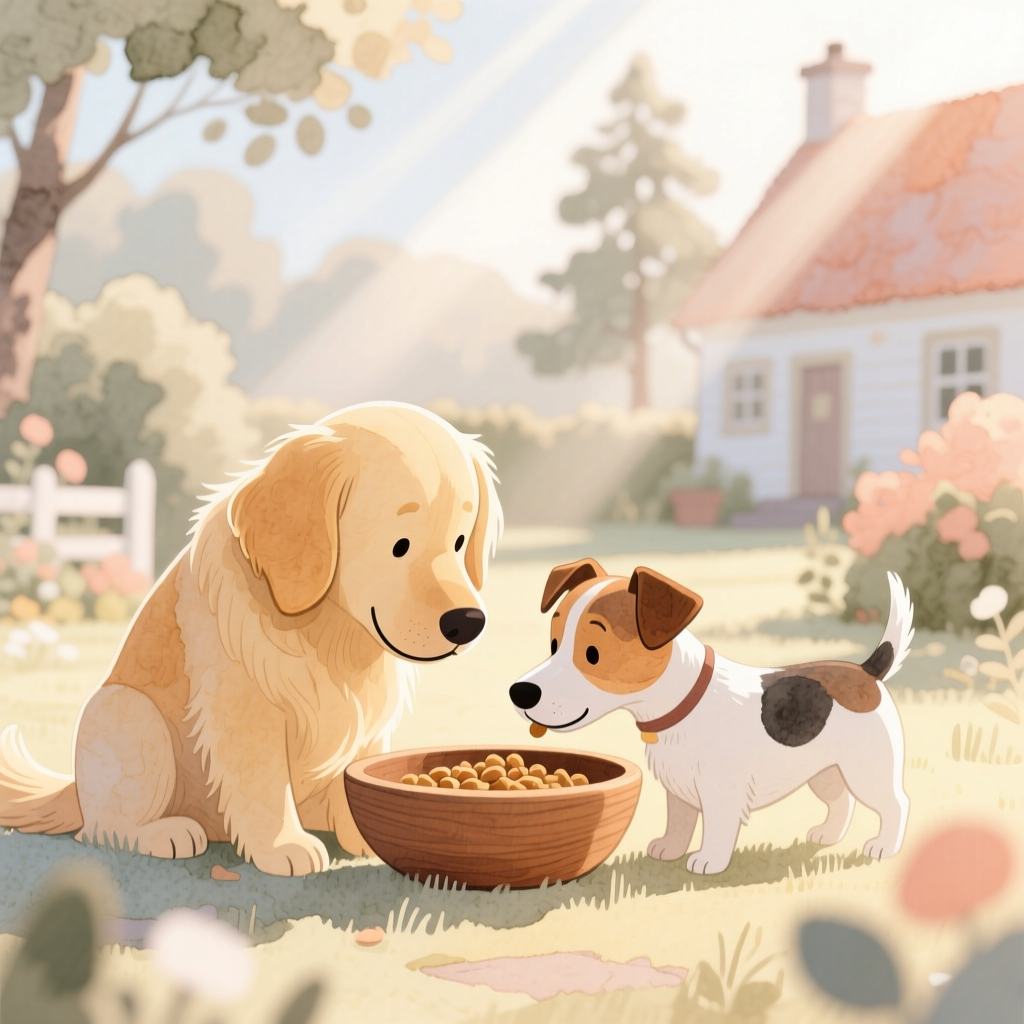
Watching your beloved pet transform from a cuddly companion into a defensive guard over a simple toy or food bowl can be both alarming and confusing. If your dog stiffens, growls, or snaps when you approach their prized possessions, you are dealing with resource guarding. This behavior, commonly referred to as possessiveness, is a natural survival instinct rooted in canine ancestry. In the wild, protecting food, shelter, and valuable items was essential for survival. However, in a modern domestic environment, this instinct can become dangerous and strain the bond between you and your pet.
Whether you share your home with a highly food-motivated Labrador Retriever, a naturally protective German Shepherd, or a surprisingly stubborn Dachshund, possessiveness can manifest in any breed. The good news is that with patience, consistency, and the right behavioral modification techniques, you can help your dog feel secure enough to share. This comprehensive guide will walk you through proven training tips for possessive dogs, helping you replace anxiety and aggression with trust and cooperation.
Understanding Resource Guarding in Dogs
Before diving into training techniques, it is crucial to understand what resource guarding actually is and why it happens. Possessiveness is not a sign that your dog is trying to dominate you or assert themselves as the "alpha." Instead, it is an emotional response driven by fear, anxiety, and the perceived threat of losing something highly valuable. Dogs can guard a wide variety of resources, including their food bowls, high-value chew treats, favorite toys, sleeping areas, and even specific people.
Recognizing the early warning signs of resource guarding is the first step toward effective intervention. Many owners miss the subtle cues that precede a growl or a snap. By the time a dog vocalizes their discomfort, they have likely already exhausted their calmer methods of communication. Common subtle signs of possessiveness include:
- Whale Eye: The dog turns their head away but keeps their eyes fixed on you, showing the whites of their eyes.
- Body Stiffening: A sudden freeze or rigid posture when you enter their space or reach toward their item.
- Accelerated Eating: Gulping down food or treats much faster than usual as you approach.
- Lip Licking & Yawning: Repetitive lip licking or yawning out of context, which are classic canine calming signals indicating stress.
- Hovering: Standing over or physically blocking access to the guarded item.
If these subtle signals are ignored or punished, the dog will escalate to overt warnings like low growling, baring teeth, air snapping, and eventually, biting. Understanding this ladder of aggression allows you to intervene early and change your dog's emotional response before they feel the need to defend their resources aggressively.
Step-by-Step Training to Reduce Possessiveness
Modifying resource guarding requires a shift in your dog's underlying emotional state. The goal is to teach your dog that your approach or the presence of your hands near their valuables is not a threat, but rather a predictor of wonderful things. Here is a step-by-step protocol to help you achieve this. For foundational skills, you may also want to review our guide on basic obedience commands to ensure your dog has a solid baseline of focus.
Step 1: Master the "Drop It" and "Leave It" Commands
Teaching a reliable "drop it" and "leave it" is essential for managing a possessive dog safely. These commands give you a way to control what your dog interacts with without needing to physically pry items from their mouth, which can trigger a bite.
Teaching "Drop It": Start with a low-value toy that your dog likes but isn't obsessed with. Engage in a brief game of tug, then stop moving and present a high-value treat (like a piece of boiled chicken or cheese) right in front of their nose. The moment they release the toy to take the treat, say "Yes!" and give them the reward. Repeat this until the dog drops the toy the moment they hear the verbal cue "Drop it." Gradually phase out the lure and practice with higher-value items.
Teaching "Leave It": Place a low-value treat on the floor and cover it with your hand. When your dog stops sniffing and pawing at your hand and pulls back, mark the behavior with a "Yes!" and reward them with a different, higher-value treat from your other hand. This teaches the dog that ignoring the forbidden item results in a better reward. Once mastered on the floor, practice with toys and household objects.
Step 2: The Trading Game (Upgrading)
The Trading Game is one of the most effective training tips for possessive dogs because it completely changes the dynamic of the interaction. Instead of you being the "thief" who takes things away, you become the "merchant" who offers incredible upgrades.
- Identify High-Value Rewards: Find a treat that your dog values more than the item they are guarding. For most dogs, this is real meat, cheese, or a specialized training paste.
- Initiate the Trade: When your dog has a medium-value toy or chew, approach calmly from the side (never head-on, which can be perceived as confrontational).
- Present the Upgrade: Show the high-value treat near their nose. When they drop the guarded item to eat the treat, praise them enthusiastically.
- The Crucial Final Step: Once they finish the treat, give the original item back. This is the secret to the Trading Game. If you only trade to take the item away permanently, the dog will quickly wise up and refuse to trade. By returning the item, you build immense trust, proving that giving things up is safe and temporary.
Step 3: Desensitization to Your Approach
If your dog guards their food bowl, you need to desensitize them to your presence while they eat. This process, known as counter-conditioning, changes their emotional response from "They are here to steal my food" to "They are here to add to my feast."
Stage 1: The Walk-By. While your dog is eating from their bowl, walk past them at a safe distance where they do not show any signs of stiffness or growling. As you pass, toss a high-value treat directly into their bowl. Do not stop, do not look at them, and do not reach for the bowl. Repeat this over several days until your dog starts looking up happily when you walk by, anticipating the bonus treat.
Stage 2: Closing the Distance. Gradually decrease the distance of your walk-by. Continue tossing high-value treats into the bowl. If your dog shows any signs of stress or guarding, you have moved too close too quickly. Take a step back and increase the distance.
Stage 3: Standing Near. Once your dog is completely relaxed with you walking closely, practice standing a few feet away while they eat, occasionally tossing a treat. Over weeks of consistent practice, you can move closer until you can stand right next to the bowl, and eventually, hold the bowl while they eat.
Step 4: Hand-Feeding and Bowl Exercises
For severely possessive dogs, temporarily removing the food bowl and switching to hand-feeding can be a powerful reset. Hand-feeding teaches the dog that you are the source of all good things, rather than the competitor for them. It also builds focus and reinforces basic obedience commands as the dog must "work" for their daily kibble by performing sits, downs, and eye contact.
When you reintroduce the bowl, practice the "Empty Bowl" exercise. Place an empty bowl on the floor. Walk up to the bowl, drop a handful of kibble in it, and walk away. This teaches the dog that your hands approaching the bowl means food is arriving, not disappearing.
Managing the Environment for Success
Training is only half the battle; environmental management is the other. If you allow your dog to practice resource guarding daily, the behavior will become more entrenched. Management prevents rehearsal of the unwanted behavior while you work on the underlying training.
Remove Temptations: If your dog guards specific toys, bones, or rawhides, pick them up and put them away when you are not actively supervising or training. Only give these high-value items when the dog is in a secure, isolated area, such as a crate or a separate room.
Establish Safe Zones: Every dog needs a place where they can eat and chew in absolute peace. Utilizing a crate training guide can help you establish a positive, secure den for your dog. When your dog is in their crate or on their designated mat with a high-value chew, enforce a strict "no approaching" rule for all family members, children, and other pets.
Multi-Dog Household Protocols: If you have multiple dogs, resource guarding can quickly escalate into dangerous fights. Always feed dogs in separate rooms or crates. Never leave high-value chews unattended in shared spaces. If one dog is a known guarder, they must be separated from the others before any valuable resources are introduced. Managing the environment ensures safety and reduces the overall stress levels in the home.
Essential Tips & Common Mistakes to Avoid
When dealing with canine aggression and anxiety, the line between progress and regression is thin. Keeping the following tips and avoiding common pitfalls will ensure your training sessions are productive and safe.
Pro Tips for Success
- Use Exceptional Rewards: Dry kibble will not cut it when asking a dog to give up a prized bone. Use real chicken, beef liver, or hot dogs. The reward must outweigh the value of the guarded item.
- Keep Sessions Short & Positive: Resource guarding training is mentally exhausting for your dog. Keep sessions to 3-5 minutes to prevent frustration and fatigue.
- Advocate for Your Dog: If you have children or guests, it is your responsibility to manage the environment. Never allow a child to approach a dog while they are eating or chewing, regardless of how "tolerant" the dog usually is.
- Celebrate Small Wins: If your dog merely looks at you without stiffening when you walk by their bowl, reward that relaxed behavior heavily.
Common Mistakes That Worsen Guarding
- Punishing the Growl: This is the most dangerous mistake an owner can make. Growling is a warning system. If you yell at or physically punish a dog for growling, they will learn to suppress the warning and go straight to biting next time. Always address the underlying emotion, not the vocalization.
- Forcing Confrontation (Alpha Rolls): Outdated dominance theories suggest that you should forcibly take items away or pin the dog down to "show them who is boss." This is entirely counterproductive. It validates the dog's fear that you are a dangerous thief, making them guard their items more fiercely in the future.
- Playing Tug-of-War with Guarded Items: While tug is a great game for building drive and focus, playing tug with an item your dog already guards can blur the lines of possession and increase their arousal and defensiveness over that specific object.
- Inconsistency: If you allow your dog to guard a toy on Tuesday but scold them for it on Wednesday, you create confusion and anxiety. Consistency in rules and training is vital for building a secure, confident dog.
Frequently Asked Questions
Resource guarding is a complex behavioral issue, and it is natural to have questions as you navigate the training process. Here are answers to the most common questions regarding possessive dogs.
Can an older dog be trained to stop resource guarding?
Absolutely. While it is true that puppies learn new boundaries quickly, older dogs possess neuroplasticity and can learn new emotional associations at any age. Training an older dog may require more time and patience, especially if they have been practicing the guarding behavior for years. The key is to start with high-value rewards and strict environmental management to prevent them from rehearsing the behavior while you implement the desensitization protocols. Consistency and positive reinforcement will yield results, regardless of the dog's age.
Is possessiveness a sign of aggression or dominance?
Possessiveness is rarely about dominance; it is almost always rooted in fear, anxiety, and a lack of confidence. The dog is not trying to conquer the household hierarchy; they are simply terrified of losing a resource they deem vital to their survival or happiness. Viewing resource guarding through the lens of fear rather than defiance will completely change how you approach the training. By addressing the underlying anxiety and building trust, you will see a much faster and more permanent resolution to the aggressive displays. If your dog exhibits other behavioral issues, such as leash reactivity, it may indicate a broader underlying anxiety that needs addressing.
Should I take my dog's food bowl away to show dominance?
No, you should never arbitrarily take your dog's food bowl away to "prove" you are in charge. This is an outdated and harmful practice that only serves to confirm your dog's worst fears: that you are an unpredictable thief who steals their meals. If you constantly steal their food, they will naturally begin to guard it more aggressively. Instead of taking things away, focus on adding value. Walk by and drop a piece of chicken into their bowl. Teach them that human hands near their food are the best thing in the world, not a threat to their livelihood.
How long does it take to see improvements?
The timeline for resolving resource guarding varies wildly depending on the dog's history, the severity of the guarding, and the consistency of the owner's training. Some dogs show significant improvement within a few weeks of daily counter-conditioning exercises. For others, particularly those with a history of trauma or severe anxiety, it may take several months of dedicated work. It is important to view this as a long-term lifestyle change rather than a quick fix. Even after your dog has "graduated" from training, occasional maintenance sessions (like random bowl bonuses) are recommended to keep their positive associations strong.
When should I seek help from a professional dog trainer?
While mild to moderate resource guarding can often be managed at home with the steps outlined above, certain situations require the immediate intervention of a certified professional dog behaviorist. You should seek professional help if your dog has already bitten someone, if there are young children or vulnerable individuals in the home, or if the guarding behavior seems unpredictable and severe. A professional can assess your specific environment, read your dog's subtle body language, and create a customized, safe behavior modification plan to protect both your family and your pet.
Anouk Beaumont
All our authors care for dogs every day — read more of their work on the authors page.