Training Tips for Dogs with Anxiety: A Compassionate Guide
Discover effective, compassionate training tips for dogs with anxiety. Learn step-by-step techniques to help your fearful pup build confidence and trust.
Living with an anxious dog can be emotionally taxing for both the pet and the owner. Whether your furry friend trembles during thunderstorms, panics when left alone, or reacts fearfully to strangers, anxiety profoundly impacts their quality of life. As pet parents, our natural instinct is to protect them, but without the right approach, we might inadvertently reinforce their fears or fail to provide the support they truly need. Fortunately, modern canine science and behavioral psychology offer a wealth of compassionate, effective methods to help fearful dogs overcome their phobias and build lasting confidence.
At Paws & Tales, we believe that every dog deserves to feel safe & secure in their environment. Training a dog with anxiety is not about forcing them to confront their fears; it is about rewiring their emotional response through patience, empathy, and structured exercises. In this comprehensive guide, we will explore the root causes of canine anxiety, break down proven step-by-step training techniques, and highlight common mistakes to avoid. If you are looking for foundational methods, be sure to review our guide on positive reinforcement basics before diving into these advanced behavioral strategies.
Understanding the Root Causes of Canine Anxiety
Before implementing any training protocol, it is crucial to understand why your dog is anxious. Anxiety in dogs is not a deliberate act of defiance or disobedience; it is an involuntary emotional and physiological response to perceived threats. Identifying the specific type of anxiety your dog experiences is the first step toward creating a tailored training plan.
Common Types of Dog Anxiety
- Separation Anxiety: This occurs when a dog becomes极度 distressed when left alone or separated from their primary attachment figure. Symptoms include destructive behavior, excessive vocalization, and inappropriate elimination.
- Noise Phobias: Loud, unpredictable sounds like thunderstorms, fireworks, or construction work can trigger intense panic. Dogs with noise phobias often seek hiding spots, pace relentlessly, or attempt to escape.
- Social Anxiety: Some dogs are fearful of unfamiliar people or other animals. This is often rooted in a lack of early socialization, past trauma, or genetic predisposition. If your dog struggles specifically on walks, our article on leash reactivity solutions offers targeted advice.
- Generalized Anxiety: A chronic state of stress where the dog appears constantly on edge, even in seemingly calm environments. This is often seen in rescue dogs with unknown histories or breeds genetically predisposed to high alertness, such as the German Shepherd or Border Collie.
Understanding that fear is an emotional state—not a behavioral choice—shifts the training paradigm. You cannot punish a dog out of an emotional response. Instead, the goal is to change the underlying emotion from fear to calm, or from panic to neutrality, using proven behavioral modification techniques.
Step-by-Step Desensitization & Counter-Conditioning
The gold standard for treating canine anxiety is a combination of desensitization and counter-conditioning (DS/CC). Desensitization involves exposing the dog to their trigger at a level so low that it does not provoke a fear response. Counter-conditioning pairs that low-level trigger with something the dog loves, effectively changing their emotional association. Here is how to implement this powerful technique step-by-step.
Step 1: Identify the Trigger & Find the Threshold
Your dog’s threshold is the distance or intensity at which they notice the trigger but remain under their fear response. If your dog is afraid of the vacuum cleaner, their threshold might be the vacuum sitting silently in the corner of a large room. If they are afraid of strangers, their threshold might be a person standing fifty feet away. Watch your dog’s body language closely. Signs of stress include lip licking, yawning, pinned ears, whale eye, and a tucked tail. If you see these signs, you are over the threshold and need to increase the distance or decrease the intensity.
Step 2: Introduce the Trigger at a Sub-Threshold Level
Present the trigger at a sub-threshold level. For noise phobias, this means playing a recording of the scary sound (like thunder) at a volume so low that your dog barely notices it. For visual triggers, it means maintaining a safe distance. The key is that your dog must remain relaxed and capable of taking treats and responding to basic cues.
Step 3: Pair with High-Value Rewards
The moment the trigger appears, start feeding your dog incredibly high-value treats—think boiled chicken, freeze-dried liver, or string cheese. The trigger must predict the arrival of the amazing food. When the trigger disappears (the recording stops, or the stranger walks away), the treats stop immediately. This teaches the dog’s brain that the presence of the scary thing predicts wonderful outcomes.
Step 4: Gradually Increase Intensity
Over multiple sessions spanning weeks or months, very gradually increase the intensity of the trigger. Turn the volume up by one notch, or move one foot closer to the stranger. If your dog shows any signs of stress, you have moved too fast. Simply retreat to the previous, successful step. Progress in anxiety training is rarely linear; it requires immense patience & consistency.
Step 5: Know When to Retreat
If an unexpected trigger appears and pushes your dog over threshold (e.g., a loud truck backfires while you are on a walk), do not try to train through it. Your dog’s brain is in fight-or-flight mode and cannot process new information. Calmly and quickly lead your dog away from the trigger to a safe distance, allowing their nervous system to regulate before trying again.
Environmental Management & Creating a Safe Haven
Training cannot happen in a vacuum. If your dog is constantly exposed to unmanaged triggers in their daily life, their baseline stress levels will remain too high for learning to occur. Environmental management is about setting your dog up for success by controlling their surroundings and providing a predictable, secure routine.
Designating a Safe Zone
Every anxious dog needs a sanctuary—a designated area where they can retreat when they feel overwhelmed. This could be a specific room, a cozy corner, or a crate. If you choose to use a crate, it is vital that the dog views it as a positive den rather than a place of isolation. Our comprehensive crate training guide details how to build a positive association with a crate using games and treats. Make the safe zone incredibly comfortable with soft bedding, dim lighting, and perhaps an article of your worn clothing so your scent can provide comfort.
The Power of Predictable Routines
Anxiety thrives on unpredictability. Dogs with generalized anxiety benefit immensely from a strict daily routine. Feed them at the exact same times, walk them on the same routes, and initiate training sessions at predictable intervals. When a dog knows exactly what to expect from their day, their cognitive load decreases, allowing their nervous system to relax. Incorporate mental enrichment into this routine to drain their mental energy, which is often more effective at promoting calmness than physical exercise alone.
Calming Aids & Sensory Support
While not a replacement for training, sensory support can help lower a dog’s baseline arousal level. Adaptil (dog-appeasing pheromone) diffusers mimic the calming pheromones produced by nursing mothers. White noise machines or specially designed classical music for dogs can mask scary outdoor noises. Additionally, pressure wraps like the ThunderShirt provide gentle, constant pressure that can soothe the nervous system during acute stress events like fireworks or travel.
Confidence-Building Exercises & Games
While desensitization addresses specific triggers, confidence-building exercises improve your dog’s overall resilience and emotional stability. A confident dog is better equipped to handle unexpected stressors and recover more quickly from startling events. Incorporate these engaging games into your weekly routine.
Nose Work & Scent Games
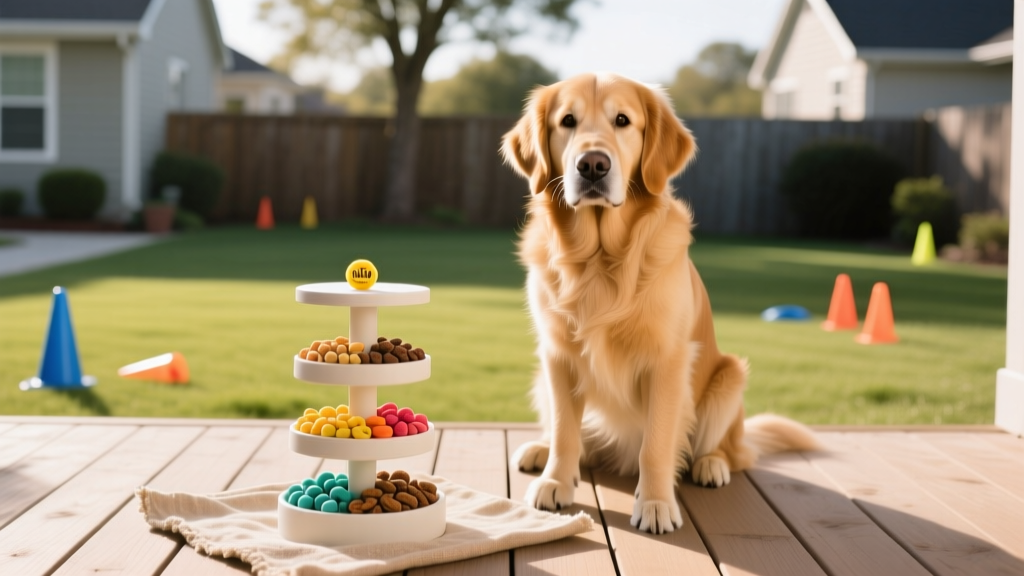
Scent work is one of the most powerful confidence builders for anxious dogs. Sniffing is a naturally calming behavior that lowers a dog’s heart rate and engages the problem-solving part of their brain. Start simple by scattering high-value treats in the grass or on a snuffle mat and encouraging your dog to "find it." As they improve, hide treats inside cardboard boxes or around the house. Nose work teaches the dog that they have agency and can solve problems to earn rewards, which translates to greater confidence in other areas of life.
Shaping & Trick Training
Shaping involves rewarding successive approximations of a desired behavior. Instead of luring your dog with a treat, you wait for them to offer a behavior and click or mark it. For example, if you want your dog to step onto a wobble board or a novel surface, you first reward them for looking at it, then for taking one step toward it, then for touching it with a paw. This process, often called "free shaping," turns the dog into an active participant in their training. When an anxious dog realizes that their own choices can make good things happen, their self-assurance blossoms.
Canine Fitness & Body Awareness
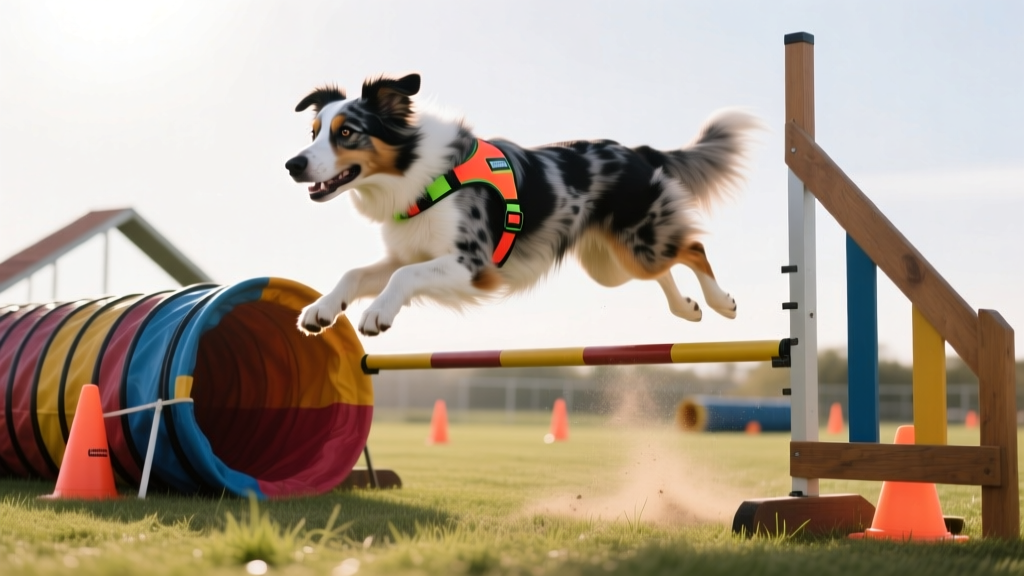
Teaching your dog to navigate obstacles and become aware of their body in space is incredibly empowering. You do not need professional equipment to do this; household items work perfectly. Teach your dog to put their front paws on a sturdy book, walk slowly over a broomstick placed on the ground, or back up through a narrow hallway. For those interested in taking this further, our guide on agility training for beginners shows how to adapt these concepts into a fun, low-pressure sport. Body awareness exercises build physical coordination and mental focus, both of which combat anxiety.
Pro Tips & Common Mistakes to Avoid
Even with the best intentions, pet parents can easily fall into traps that hinder progress or worsen their dog's anxiety. Keeping the following tips and pitfalls in mind will ensure your training journey remains productive and compassionate.
Pro Tips for Success
- Use Exceptional Rewards: Dry kibble will not cut it when a dog is nervous. Use real meat, cheese, or specialized training treats. The reward must be valuable enough to compete with the dog's fear response.
- Keep Sessions Short: Anxious dogs fatigue quickly. Limit formal DS/CC sessions to three to five minutes. It is better to do three short, successful sessions a day than one long, overwhelming one.
- Advocate for Your Dog: Do not allow strangers to approach your fearful dog to "say hi." Politely but firmly tell people to ignore your dog or give them space. Protecting your dog from forced interactions prevents setbacks.
- Record Your Sessions: Set up your phone to record your training. Watching the footage later allows you to spot subtle signs of stress (like a quick lip lick or a tense brow) that you might have missed in the moment.
Common Mistakes to Avoid
- Flooding: Flooding is the practice of forcing a dog to confront their fear at full intensity until they stop reacting (e.g., tying a dog to a fence while a vacuum runs next to them). This is incredibly traumatic and often leads to "learned helplessness," where the dog shuts down but remains internally terrified. Never flood an anxious dog.
- Punishing Fear: Scolding, yanking a leash, or using shock collars to stop a dog from barking or hiding out of fear only confirms their belief that the trigger is dangerous. It suppresses the warning signs without changing the underlying emotion, which can lead to a dog that bites without warning.
- Inconsistent Rules: If a dog is not allowed on the couch, but is allowed up when they are scared of thunder, they become confused. While comfort is important, maintaining consistent boundaries provides a sense of security. Instead of breaking rules, go to their safe zone to comfort them.
- Moving Too Fast: Human impatience is the enemy of anxiety training. Just because your dog tolerated the vacuum in the living room today does not mean they are ready for it in the narrow hallway tomorrow. Let the dog’s body language dictate the pace of progress.
Frequently Asked Questions
Can anxiety in dogs be cured completely?
In most cases, anxiety is managed rather than completely "cured." Dogs that are genetically predisposed to high arousal or have experienced severe early-life trauma may always have a tendency toward nervousness. However, with consistent desensitization, counter-conditioning, and environmental management, the vast majority of dogs can learn to cope with their triggers and live happy, largely stress-free lives. The goal is to improve their emotional resilience, not to erase their personality.
Should I comfort my dog when they are scared?
Yes, you should absolutely comfort your dog. A common myth in the dog training world suggests that petting a scared dog "reinforces" the fear. This fundamentally misunderstands how emotions work. Fear is an involuntary emotional state, not a trained behavior. You cannot reinforce an emotion with affection. Providing a calm, soothing presence, gentle petting, and a safe space helps lower your dog's cortisol levels and teaches them that you are a reliable source of safety. Just ensure your own energy remains calm & collected, as dogs easily absorb our stress.
How long does it take to see results from anxiety training?
Behavioral modification is a marathon, not a sprint. The timeline varies wildly depending on the severity of the anxiety, the dog's history, and the consistency of the training. Some dogs show noticeable improvement in a few weeks, while severe phobias or deep-seated separation anxiety may take months or even years of dedicated work. Celebrate the micro-victories—a dog that pants less, recovers faster from a startle, or takes a treat more readily is making immense progress.
When should I consult a veterinary behaviorist?
If your dog's anxiety is severely impacting their quality of life, causing them to injure themselves, or resulting in aggression, it is time to seek professional help. A certified veterinary behaviorist can assess your dog for underlying medical conditions (such as pain or thyroid issues) that mimic or exacerbate anxiety. Furthermore, they can discuss whether anti-anxiety medications or supplements are appropriate. Medication is not a failure; it is often the crucial tool that lowers a dog's arousal threshold enough for behavioral training to actually work.
Are certain breeds more prone to anxiety?
Yes, genetics play a significant role in canine anxiety. Herding breeds like the Border Collie and German Shepherd are bred to be highly alert and reactive to their environment, which can easily tip into anxiety if not properly managed. Small companion breeds, such as the Chihuahua, often experience heightened social and noise anxieties. Conversely, some sighthounds like the Greyhound can be highly sensitive to environmental tension and loud noises. Understanding your dog's breed-specific traits helps you anticipate potential triggers and tailor your training approach accordingly.
Helping an anxious dog navigate the world requires a profound level of empathy, patience, and dedication. By utilizing desensitization, creating a secure environment, and actively building their confidence, you can transform your dog's relationship with their fears. Remember that every small step forward is a victory. Stay consistent, rely on positive reinforcement, and cherish the bond of trust you are building with your resilient companion. For more expert advice on nurturing a well-adjusted pup, explore the extensive training resources available on the Paws & Tales blog.
Robin Maitland
All our authors care for dogs every day — read more of their work on the authors page.