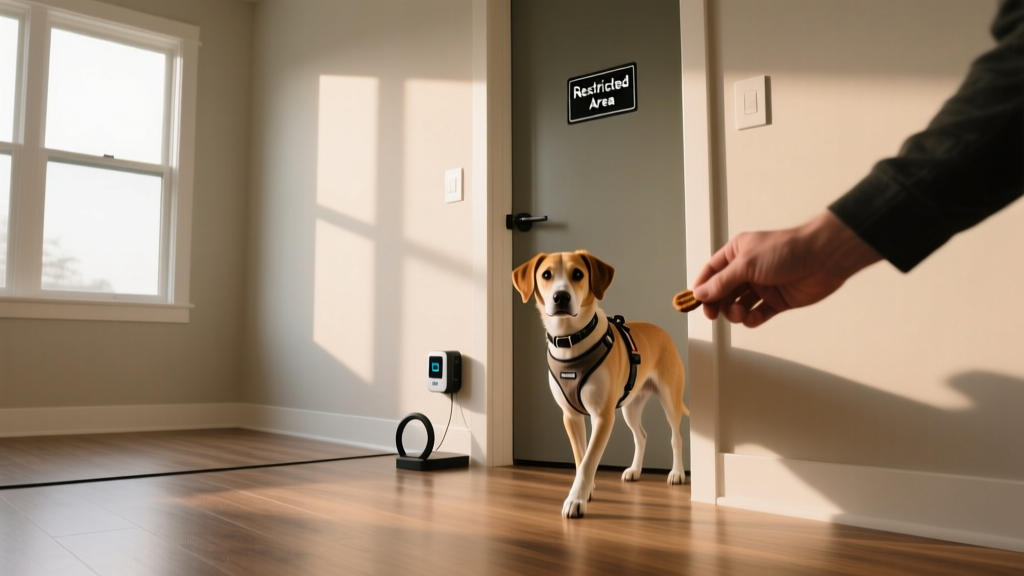
Training Tips for Deaf Dogs: Hand Signals, Bonding &...
Discover proven training tips for deaf dogs including hand signals, attention techniques, safety strategies, and common mistakes to avoid. Start today!

Bringing a deaf dog into your life is one of the most rewarding experiences a pet parent can have. Whether your furry companion was born deaf due to genetics, lost their hearing through age or illness, or is one of the many predominantly white-coated breeds prone to congenital deafness, one thing is certain: they are just as eager to learn, bond, and thrive as any hearing dog. The only difference? You will need to swap verbal commands for visual cues and build a communication system rooted in patience, consistency, and trust.
Many first-time owners of deaf dogs feel overwhelmed at first. How do you call a dog that cannot hear you? How do you teach "sit" without saying the word? These are valid concerns, but the truth is that deaf dogs are remarkably adaptable. In fact, many professional trainers argue that deaf dogs can be easier to train in some respects because they are not distracted by ambient sounds and tend to be intensely focused on their handler's body language.
In this comprehensive guide, we will walk you through everything you need to know about training a deaf dog — from foundational hand signals and attention-building exercises to advanced recall techniques and safety protocols. Whether you are working with a Dalmatian, an Australian Shepherd, a Bull Terrier, or a lovable mixed-breed rescue, these strategies will help you build an unbreakable communication bridge with your dog.
Understanding Deafness in Dogs: What You Need to Know Before Training
Before diving into training techniques, it is essential to understand the nature of your dog's deafness. Not all deafness is the same, and understanding the root cause can influence your training approach and expectations.
Types of Deafness in Dogs
Deafness in dogs generally falls into three categories:
- Congenital deafness: Present from birth, often linked to pigmentation genes. Breeds with predominantly white coats or merle patterns — such as Dalmatians, Australian Shepherds, and Boxers — have higher rates of congenital deafness. Dogs with this type of deafness have typically never heard sound and adapt naturally to a visual world.
- Acquired deafness: Caused by infections, injury, medication toxicity, or prolonged exposure to loud noises. Dogs who lose their hearing later in life may initially seem confused or anxious as they adjust to the silence.
- Age-related hearing loss (presbycusis): A gradual decline in hearing ability that occurs in senior dogs. This progressive loss gives both you and your dog time to transition to visual communication methods.
How Deafness Affects Your Dog's Experience
A deaf dog experiences the world primarily through sight, smell, and vibration. This means your training must leverage these remaining senses. Your dog will become extraordinarily attuned to your facial expressions, hand movements, body posture, and even the vibrations of your footsteps on the floor. This heightened awareness is actually a training advantage — deaf dogs often develop an almost uncanny ability to read their owners.
It is also worth noting that deaf dogs are not inherently more aggressive or unpredictable, despite outdated myths suggesting otherwise. Research has consistently shown that deaf dogs display the same range of temperaments as hearing dogs. Any startle response can be managed with proper desensitization training and positive conditioning.
Essential Hand Signals Every Deaf Dog Should Learn
Hand signals are the cornerstone of deaf dog training. Think of them as your new vocabulary — each gesture replaces a verbal command and must be distinct, consistent, and easy for your dog to see from various distances and angles.
The Core Command Set
Start with these foundational signals. Use clear, deliberate movements and always pair them with positive reinforcement.
- Sit: Hold a treat near your dog's nose, then slowly move your hand upward and slightly back over their head. As their nose follows the treat, their bottom will naturally lower. The moment they sit, give a thumbs-up or flash an open palm (your chosen "yes" marker) and reward.
- Down/Lie Down: From a sitting position, hold a treat at your dog's nose and draw a straight line downward to the floor, then pull the treat along the ground toward you in an L-shape. Reward when their body follows into a lying position.
- Stay: Hold your flat palm facing your dog, like a "stop" gesture. Take one step back. If they remain in place, immediately return and reward. Gradually increase distance and duration over multiple sessions.
- Come/Recall: Open both arms wide and then pat your thighs or crouch down with open arms. This expansive, inviting gesture is easy to spot from a distance. Always reward generously when your dog comes to you.
- Leave It: Hold a closed fist with a treat inside. When your dog stops nosing at your hand and looks away or looks at you, mark with your "yes" signal and reward from your other hand.
- Watch Me/Focus: Point your index finger toward your eyes or hold a treat near your face. When your dog makes eye contact, mark and reward. This is arguably the most important signal in your entire toolkit.
Creating Your Marker Signal
In traditional dog training, a clicker or the word "yes" marks the exact moment a dog performs the desired behavior. For deaf dogs, you need a visual marker. Choose one of these options:
- Thumbs-up: Quick, clear, and visible from a distance.
- Open palm flash: Quickly open and close your hand.
- Small flashlight or pen light: A brief flash works well for distance training or in low-light conditions. Never shine it directly in your dog's eyes.
- Vibration collar (as a marker, not a correction): A gentle buzz can serve as a marker when your dog is not looking at you. This requires careful conditioning first.
Whichever marker you choose, condition it thoroughly before using it in training. Simply present the marker, then immediately give a treat. Repeat this 20 to 30 times across several short sessions until your dog visibly lights up when they see or feel the marker. This is the deaf dog equivalent of clicker training, and it is incredibly powerful.
Tips for Effective Hand Signal Training
- Always use the same hand and the same motion for each command. Consistency is everything.
- Make sure you are in your dog's line of sight before giving a signal. Wave gently or stomp on the floor to create vibrations that alert them.
- Start training in a low-distraction indoor environment before moving to your yard or a park.
- Keep sessions short — five to ten minutes, two to three times per day is ideal.
- Pair each new hand signal with a lure (treat) at first, then gradually fade the lure so the gesture alone elicits the behavior.
- Consider keeping a written chart of your signals posted in your home so all family members use the same gestures.
Building Attention and Focus With Your Deaf Dog
The single biggest challenge in training a deaf dog is not teaching commands — it is getting and maintaining their attention. A hearing dog can respond to their name called from across the room. A deaf dog needs to be looking at you to receive any communication. Building a strong "check-in" habit is the foundation of everything else.
The Name Game (Visual Version)
Since your dog cannot hear their name, you need to teach them that a specific visual cue means "look at your human." Here is a step-by-step approach:
- Stand or sit near your dog when they are relaxed but not fully focused on you.
- Gently wave your hand in their peripheral vision or tap the floor near them to get them to glance your way.
- The instant they look at you, flash your marker signal and give a high-value treat.
- Repeat this many times, gradually waiting for longer eye contact before marking and rewarding.
- Once they are reliably checking in, begin adding a specific attention signal — such as pointing to your eyes — before they look at you.
- Practice in increasingly distracting environments: the living room, the backyard, the front yard, then on walks.
The Check-In Habit
Beyond formal training sessions, you want your deaf dog to develop a natural habit of looking at you frequently throughout the day. This is sometimes called "spontaneous check-ins" and it is one of the most valuable behaviors a deaf dog can develop.
To encourage this, carry treats with you during daily activities. Whenever your dog voluntarily looks at you — whether on a walk, in the yard, or just lounging around — immediately mark and reward. Over time, your dog will learn that checking in with you is always worthwhile. This habit becomes your lifeline for giving commands, recalling your dog, and keeping them safe.
Using a Gentle Shoulder Tap
When your dog is nearby but not looking at you, a gentle, consistent touch on the shoulder or back can serve as an "excuse me, look at me" cue. Condition this by tapping their shoulder, then immediately treating when they turn to look at you. Always use the same amount of pressure and the same spot on their body. Never startle them with a sudden poke or grab.
For more on building focus and engagement, check out our guide on focus and engagement training, which covers techniques that work beautifully for both hearing and deaf dogs.
Safety, Recall, and Real-World Strategies for Deaf Dogs
Safety is the number one concern for deaf dog owners. A hearing dog can be called back from a dangerous situation with a shouted command. A deaf dog who is not paying attention cannot be reached that way. This reality means you must be proactive, strategic, and diligent about safety protocols.
Mastering Recall for Deaf Dogs
Teaching a rock-solid recall is the most important thing you can do for your deaf dog's safety. Here is how to build it:
- Start indoors on a long line. Attach a 15-to-30-foot training leash. Let your dog wander, then give your recall hand signal (open arms, patting thighs). If they don't notice, gently guide them toward you with the leash. Mark and reward lavishly when they arrive.
- Add a vibration collar as a recall cue. Once your dog understands the recall signal visually, introduce a vibration collar. Give a brief vibration, then immediately show your recall signal and reward when they come. The vibration becomes a "tap on the shoulder" that tells them to look at you for further instruction.
- Practice in enclosed areas. Move to a fenced yard or secure area. Practice recall with mild distractions present.
- Never punish a recall. Even if your dog takes a long time to come, always reward them when they arrive. If you punish a slow recall, they will learn that coming to you is risky.
- Use high-value rewards. Reserve special treats — real chicken, cheese, freeze-dried liver — exclusively for recall training. Make coming to you the best thing that happens all day.
The Long Line: Your Best Friend for Outdoor Training
A long training line (15 to 30 feet) is indispensable for deaf dog training. It gives your dog the freedom to explore while keeping them physically connected to you. Use it for every outdoor session until your recall and check-in habits are extremely reliable — which may take many months. For a detailed comparison of training equipment, see our training tools and equipment guide.
Identification and Safety Gear
Every deaf dog should wear the following whenever they leave the house:
- A sturdy collar with a "DEAF DOG" ID tag that includes your phone number.
- A microchip with your current contact information registered and updated.
- A GPS tracker attached to their collar or harness for real-time location tracking.
- A reflective vest or bandana labeled "DEAF" for visibility during walks, especially at dusk or dawn.
- A secure harness as a backup attachment point for your leash, particularly for strong pullers.
Fenced Areas and Leash Policies
Until your deaf dog has a bulletproof recall (and honestly, even after), avoid off-leash time in unfenced areas. Seek out fully enclosed dog parks, private Sniffspot-style rental yards, or securely fenced properties where your dog can run freely. Some deaf dogs eventually earn enough reliability for off-leash hikes in remote areas, but this takes years of dedicated training and is not advisable for all dogs or all environments.
Nighttime and Low-Visibility Communication
Hand signals are invisible in the dark. For nighttime walks or low-light situations, consider these adaptations:
- Use a small flashlight or LED pen light as a signal tool. A quick flash can serve as your marker, and specific light patterns can represent different commands.
- Attach a blinking LED light to your own collar or belt so your dog can easily track your location in the dark.
- Use your vibration collar to get your dog's attention, then use a lighted signal once they look at you.
Common Mistakes to Avoid When Training Deaf Dogs
Even the most dedicated owners can stumble into counterproductive habits. Being aware of these common pitfalls will save you time, frustration, and potential setbacks in your training journey.
Mistake #1: Relying on Shock Collars
Some trainers recommend electronic shock collars for deaf dogs, particularly for recall. This approach is controversial and can backfire spectacularly. A dog who receives a painful shock without understanding why may develop fear, anxiety, or aggression. If they associate the shock with whatever they happened to be looking at — another dog, a child, a bicycle — you have created a dangerous negative association. Vibration collars used as gentle attention-getters (not punishers) are a far superior and humane alternative. Learn more about humane training methods in our positive reinforcement training guide.
Mistake #2: Inconsistent Signals Across Family Members
If one person uses a thumbs-up for "sit" and another uses a flat palm, your dog will become confused. Create a family signal chart and practice together. Everyone who interacts with your dog should use identical gestures.
Mistake #3: Skipping the Foundation Work
Do not rush into teaching tricks before your dog has mastered the basics. The "watch me" signal and the check-in habit must be rock-solid before you move on to advanced training. Think of attention as the operating system — everything else is an app that runs on top of it.
Mistake #4: Failing to Manage the Startle Response
Deaf dogs can be startled if touched while sleeping or deeply focused. To prevent a startle reflex from escalating into fear or a defensive bite, condition your dog to associate unexpected touches with positive outcomes. Gently touch their shoulder while they are relaxed, then immediately offer a treat. Practice this at random times throughout the day. Over time, your dog will learn that unexpected touches predict good things, not danger.
Mistake #5: Not Providing Enough Mental Stimulation
Deaf dogs are just as intelligent and mentally hungry as hearing dogs. Without adequate enrichment, they can develop destructive behaviors, excessive barking (yes, deaf dogs bark), or anxiety. Incorporate puzzle toys, scent work, agility training, and structured play into your daily routine. Our mental enrichment activities guide has dozens of ideas suitable for deaf dogs.
Mistake #6: Underestimating Your Dog
Perhaps the biggest mistake of all is assuming that deafness is a limitation that prevents your dog from living a full, active, accomplished life. Deaf dogs compete in agility, obedience, rally, nose work, therapy work, and even flyball. They hike, swim, play fetch, and cuddle on the couch just like any other dog. Your attitude and expectations will shape your dog's experience more than their hearing ability ever will.
Frequently Asked Questions About Training Deaf Dogs
Can deaf dogs be trained off-leash safely?
Yes, many deaf dogs can eventually be trained to reliable off-leash standards, but it requires significantly more preparation than training a hearing dog. The key prerequisites are a rock-solid visual recall, a conditioned vibration collar as an attention-getter, a strong check-in habit, and extensive proofing in varied environments. Even then, most responsible deaf dog owners limit off-leash time to fully enclosed areas or very controlled settings. Always check local leash laws, and never let your desire for off-leash freedom override your dog's safety.
Are deaf dogs more aggressive than hearing dogs?
No. This is a persistent myth with no scientific basis. Deaf dogs display the same range of temperaments as hearing dogs. What can happen is a startle response if a deaf dog is touched unexpectedly while sleeping, which might result in a reflexive snap. This is not aggression — it is a normal physiological startle reflex that can be managed and minimized through gentle desensitization training. Teach family members and visitors to always approach your deaf dog from the front and to wake them gently by blowing softly on their fur or placing a treat near their nose so they wake to a pleasant smell.
What breeds are most commonly affected by deafness?
Congenital deafness is most commonly associated with dogs carrying extreme piebald or merle coat patterns. Breeds with higher rates of deafness include Dalmatians (approximately 30% are affected in one or both ears), Australian Shepherds, Bull Terriers, English Setters, English Cocker Spaniels, Boxers, and Dogo Argentinos. However, deafness can occur in any breed or mixed breed. If you are considering adopting a dog from one of these breeds, ask the rescue or breeder about BAER (Brainstem Auditory Evoked Response) testing, which can definitively confirm a dog's hearing status.
How do I wake a deaf dog without startling them?
The best approach is to use smell or gentle vibration rather than touch. Place a smelly treat near their nose so the scent wakes them naturally. Alternatively, blow gently on their face or body — most dogs will stir in response to a puff of air. If you must use touch, place your hand gently in front of their nose or on the same spot on their shoulder every time, followed immediately by a treat. Over weeks of consistent practice, your dog will learn that this specific gentle touch always means something pleasant is happening, and their startle response will diminish significantly.
Is it harder to train a deaf dog than a hearing dog?
Not necessarily harder — just different. The initial learning curve involves the owner adapting their communication style, not the dog struggling to understand. Once you establish a clear system of hand signals and visual markers, deaf dogs learn just as quickly as hearing dogs. In some ways, training can be easier because deaf dogs are less distracted by environmental sounds and tend to be more visually attentive to their handlers. The main ongoing challenge is management and safety, particularly ensuring your dog is looking at you before you give a command. With patience, consistency, and the techniques outlined in this guide, you and your deaf dog will develop a communication system that is remarkably effective and deeply rewarding for both of you.
Training a deaf dog is not about overcoming a disability — it is about discovering a different, often more intentional way of connecting with your canine companion. Every hand signal you teach, every check-in you reward, and every moment of eye contact you share strengthens the bond between you. Your deaf dog does not know what they are missing. But with your guidance, they will know exactly what they have: a devoted partner who took the time to learn their language. For more training resources, explore our complete dog training library and discover techniques tailored to every skill level and learning style.
Anouk Beaumont
All our authors care for dogs every day — read more of their work on the authors page.