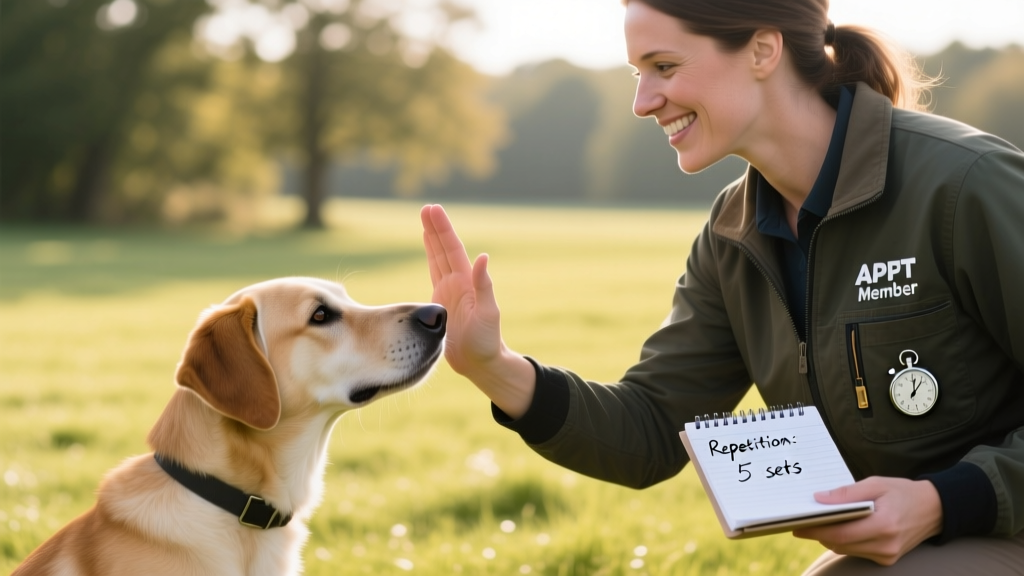
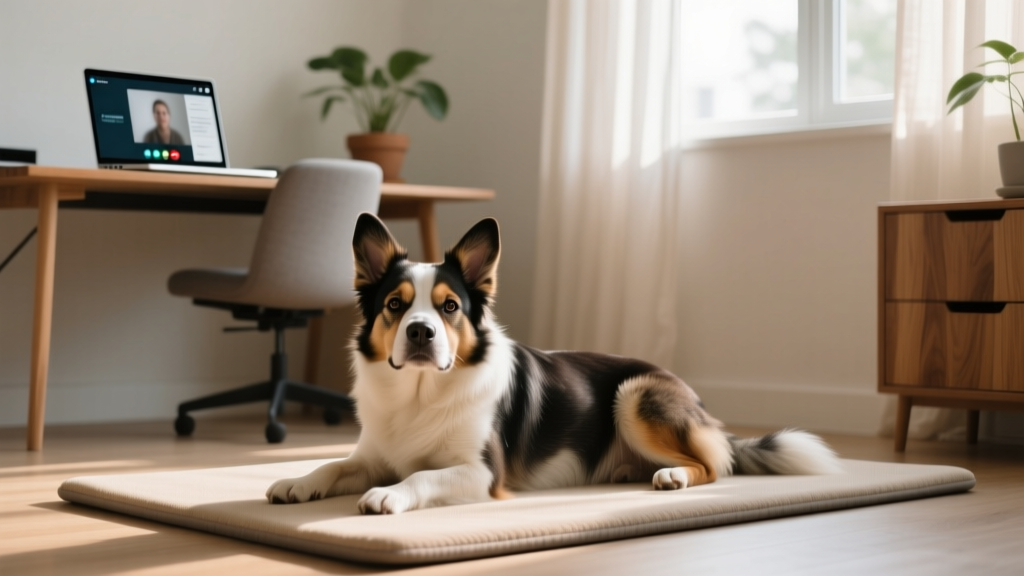
Puppy Training Tips for Barking: How to Stop Excessive Barking Fast
Discover proven puppy training tips for barking. Learn why puppies bark, effective techniques to reduce excessive barking, and common mistakes to avoid.
Puppy Training Tips for Barking: A Complete Guide to a Quieter, Happier Pup
There are few things more frustrating & exhausting for a new puppy parent than dealing with constant barking. Whether your furry friend sounds the alarm at every passing squirrel, erupts when you leave the room, or simply won't stop vocalizing during the night, excessive barking can test even the most patient dog owner. But here's the good news: barking is a completely normal canine behavior, and with the right approach, you can teach your puppy when it's appropriate to bark & when it's time to settle down.
Understanding why your puppy barks is the first step toward addressing the behavior effectively. Puppies use their voices to communicate a wide range of emotions & needs — from excitement & boredom to fear & frustration. Rather than trying to eliminate barking entirely (which would be like asking a human to stop talking), the goal is to help your puppy develop better self-control & learn alternative ways to express themselves.
In this comprehensive guide, we'll walk you through proven, positive-reinforcement-based techniques to manage & reduce excessive puppy barking. Whether you're dealing with alert barking, separation anxiety, or attention-seeking vocalizations, these strategies will set you & your pup up for success. For a broader look at building good habits early, check out our puppy training basics guide to establish a strong foundation.
Understanding Why Your Puppy Barks
Before you can effectively address barking behavior, you need to identify the underlying cause. Puppies bark for many different reasons, & each type of barking requires a slightly different training approach. Think of yourself as a detective — your job is to figure out what your puppy is trying to tell you.
Common Reasons Puppies Bark
- Alert/Warning Barking: Your puppy hears or sees something unfamiliar & feels compelled to notify you. This is often triggered by doorbells, knocking, passing cars, or strangers approaching your home.
- Attention-Seeking Barking: Your puppy has learned that barking gets a response from you — whether that's eye contact, talking, petting, or even being told "no." Any reaction can reinforce this behavior.
- Boredom or Frustration Barking: An under-stimulated puppy with pent-up energy will often bark simply because they have nothing better to do. This is especially common in high-energy breeds — explore our Border Collie breed page or Australian Shepherd breed page to learn about breed-specific exercise needs.
- Separation Distress Barking: Puppies are social animals, & being left alone can trigger anxiety. This barking is often accompanied by whining, pacing, or destructive behavior.
- Play & Excitement Barking: Some puppies simply can't contain their enthusiasm during play sessions, greeting rituals, or when anticipating a walk or meal.
- Fear-Based Barking: Unfamiliar people, loud noises, new environments, or other dogs can trigger fearful barking as your puppy tries to create distance from the perceived threat.
Reading Your Puppy's Body Language
Pay close attention to your puppy's body language when they bark. A puppy barking with a stiff body, raised hackles, & a forward-leaning posture is likely feeling alert or defensive. A puppy barking with a wagging tail, play bows, & bouncy movements is probably just excited. A tucked tail, flattened ears, & crouching posture combined with barking suggests fear or anxiety. Learning to read these signals will help you respond appropriately & choose the right training strategy.
For more on understanding canine communication, our dog body language guide offers detailed insights into what your puppy is really saying.
Proven Techniques to Reduce Excessive Puppy Barking
Now that you understand the "why" behind your puppy's barking, let's dive into the "how." The following techniques are rooted in positive reinforcement & force-free training methods that build trust while teaching your puppy better behaviors.
1. Teach the "Quiet" Command
This is one of the most powerful tools in your training arsenal. Here's a step-by-step approach:
- Wait for your puppy to bark. If they don't bark spontaneously, you can trigger it by having someone knock on the door or ring the doorbell.
- Acknowledge the bark calmly. Say something like "Thank you" in a calm, even tone. This lets your puppy know you've received their message.
- Present a high-value treat near your puppy's nose. The moment they stop barking to sniff the treat, say "Quiet" in a clear, calm voice.
- Give them the treat immediately along with praise. The timing is critical — you're rewarding the silence, not the barking.
- Gradually increase the duration of silence required before the reward. Start with one second, then build to three, five, ten seconds & beyond.
- Practice in different environments with various triggers to generalize the behavior.
Consistency is key. Every family member should use the same command word & reward system. For a complete overview of essential commands every puppy should learn, visit our essential puppy commands guide.
2. Use the Redirect & Reward Method
When your puppy starts barking at something inappropriate, redirect their attention to an incompatible behavior — something they physically cannot do while barking.
- Ask your puppy to sit or go to their mat when they start barking at the window.
- Offer a chew toy or food puzzle to redirect their mouth & mind to a quieter activity.
- Engage them in a quick training session — asking for sits, downs, or tricks shifts their brain from reactive mode to thinking mode.
The key is to redirect before the barking escalates. The earlier you intervene, the easier it is to change your puppy's focus. Over time, your puppy will learn that calm behavior is more rewarding than barking.
3. Desensitization & Counter-Conditioning
For puppies who bark at specific triggers — such as the doorbell, other dogs on walks, or visitors — desensitization is incredibly effective.
- Identify the trigger & determine your puppy's threshold (the distance or intensity at which they begin to react).
- Expose your puppy to the trigger at a low intensity — for example, play a recording of a doorbell at very low volume, or watch other dogs from a great distance.
- Feed high-value treats continuously while the trigger is present at this low level. You're creating a positive association: "Doorbell sound = delicious chicken!"
- Gradually increase the intensity over multiple sessions, always keeping your puppy below their reactivity threshold.
- Be patient. This process can take weeks or even months, but the results are lasting.
This method is particularly important for breeds with strong guarding instincts. If you have a German Shepherd or Rottweiler, early desensitization work is essential for developing a well-adjusted adult dog.
4. Manage the Environment
Sometimes the most effective training strategy is simply managing your puppy's environment to reduce opportunities for excessive barking.
- Close curtains or blinds if your puppy barks at people & animals passing by the window.
- Use white noise machines or calming music to mask outside sounds that trigger alert barking.
- Provide plenty of physical exercise & mental stimulation before situations where barking is likely. A tired puppy is a quiet puppy.
- Create a designated "quiet zone" — a comfortable crate or pen area with soft bedding, chew toys, & a blanket where your puppy can retreat & relax.
Environmental management isn't cheating — it's smart parenting. By reducing unnecessary triggers, you give your puppy's developing brain a break & prevent barking from becoming a deeply ingrained habit.
5. Reward Spontaneous Silence
This is perhaps the most underrated technique in puppy training. Throughout the day, when your puppy is being quiet & calm — especially in situations where they would normally bark — quietly approach & drop a treat near them or offer gentle praise.
This technique, often called "capturing calmness," teaches your puppy that being quiet is inherently rewarding. Over time, your puppy will begin to offer calm behavior more frequently because they've learned it pays off. Keep a treat pouch handy during the early weeks so you never miss an opportunity to reinforce silence.
Tips for Success: Making Your Barking Training Stick
Training a puppy to reduce excessive barking is a marathon, not a sprint. Here are some expert tips to keep you on track:
- Be consistent across all family members. If one person rewards barking with attention while another ignores it, your puppy will be confused & the behavior will persist. Hold a family meeting to agree on rules & responses.
- Keep training sessions short & frequent. Puppies have limited attention spans. Five-minute sessions spread throughout the day are far more effective than one long, frustrating session.
- Use high-value rewards. For barking training, you need treats your puppy truly loves — think small pieces of chicken, cheese, or commercial training treats. Kibble may not be motivating enough to compete with the urge to bark.
- Exercise your puppy adequately. Many barking problems stem from insufficient physical & mental exercise. Ensure your puppy is getting age-appropriate activity every day. Our puppy exercise guidelines can help you determine the right amount.
- Practice in increasingly distracting environments. Once your puppy responds well at home, practice the "Quiet" command in the yard, on walks, & at the park.
- Keep a barking journal. Track when your puppy barks, what triggers it, & how long it lasts. Patterns will emerge that help you anticipate & prevent problem barking.
- Celebrate small victories. If your puppy barked for five minutes yesterday but only three minutes today, that's progress worth acknowledging.
- Pair verbal cues with hand signals. Some puppies respond better to visual cues, especially when they're in a heightened state of arousal. A consistent hand signal for "quiet" can be a powerful backup.
Common Mistakes to Avoid When Training a Barking Puppy
Even well-intentioned puppy parents can accidentally make barking worse. Watch out for these common pitfalls:
Yelling at Your Puppy
When your puppy barks & you yell "No!" or "Quiet!", your puppy may interpret your raised voice as you barking along with them. This can actually escalate the behavior rather than reduce it. Always use a calm, steady voice when giving commands.
Inconsistently Rewarding Barking
If you sometimes give your puppy attention, treats, or play when they bark (because it's cute, or because you're desperate for quiet), you're teaching them that barking sometimes works. This intermittent reinforcement makes the behavior much harder to extinguish. Commit to never rewarding barking with anything your puppy finds desirable.
Using Punishment-Based Methods
Shock collars, citronella spray collars, & other aversive tools may suppress barking temporarily, but they don't address the underlying cause & can create new behavioral problems such as fear, anxiety, & even aggression. Positive reinforcement methods are not only more humane — they produce more reliable, long-lasting results.
Ignoring the Root Cause
Treating the symptom (barking) without addressing the cause (boredom, anxiety, fear) is like putting a bandage on a wound that needs stitches. If your puppy is barking because they're under-exercised, no amount of "Quiet" command training will solve the problem permanently. Always ask yourself: What does my puppy need right now?
Expecting Quick Results
Barking is a natural, self-reinforcing behavior — dogs find it intrinsically satisfying. Changing this behavior takes time, patience, & repetition. Expect weeks of consistent work before you see significant improvement, & understand that occasional setbacks are normal, especially during developmental stages like fear periods or adolescence.
Not Providing Enough Mental Stimulation
Physical exercise alone isn't enough. Puppies need mental challenges to feel satisfied & calm. Puzzle toys, scent games, training sessions, & food-dispensing toys are all excellent ways to tire out your puppy's brain. A mentally stimulated puppy is far less likely to bark out of boredom. Explore our mental stimulation guide for creative ideas.
Frequently Asked Questions About Puppy Barking
At what age should I start training my puppy to stop excessive barking?
You can begin addressing barking behaviors as early as 8 to 10 weeks of age, which is typically when puppies come home. However, it's important to have realistic expectations — very young puppies have limited impulse control & are still learning about the world. Focus on management, positive associations, & rewarding quiet behavior from day one. Formal "Quiet" command training tends to be most effective starting around 12 to 16 weeks, when your puppy has developed a bit more focus & self-regulation. The earlier you start, the easier it is to prevent barking from becoming a deeply ingrained habit.
Is it normal for puppies to bark a lot, or should I be concerned?
Some barking is completely normal & healthy — puppies are learning to communicate, & vocalization is a natural part of canine behavior. However, if your puppy barks excessively (for prolonged periods without stopping), seems unable to settle, or barks in a frantic, panicked manner, it may be a sign of anxiety, fear, or an unmet need. Certain breeds are naturally more vocal than others — Beagles, Yorkshire Terriers, & Miniature Schnauzers are known for being more talkative. If you're concerned about the intensity or frequency of your puppy's barking, consult with a certified professional dog trainer or your veterinarian to rule out medical issues & develop a tailored plan.
My puppy barks every time I leave the room. What should I do?
This is a common sign of separation distress, which is very normal in young puppies who have recently left their littermates. Start by practicing very short absences — step out of the room for just a few seconds, then return before your puppy starts barking. Gradually increase the duration over days & weeks. Always return when your puppy is quiet, never when they're barking (otherwise you teach them that barking brings you back). Provide a long-lasting chew toy or stuffed Kong when you leave to create a positive association with alone time. If your puppy's distress is severe — including non-stop howling, self-injury, or elimination — seek help from a certified behavior professional, as this may indicate separation anxiety that requires specialized intervention. Our separation anxiety guide offers detailed strategies for building your puppy's independence.
Should I ignore my puppy when they bark for attention?
Yes — ignoring attention-seeking barking is one of the most effective strategies, but it must be done correctly & consistently. When your puppy barks at you for attention, completely withdraw your attention: no eye contact, no talking, no touching, no sighing, & no frustrated glances. Turn your body away or even leave the room if necessary. The moment your puppy stops barking & is quiet for at least three to five seconds, immediately give them attention, praise, or a treat. Be prepared for an "extinction burst" — your puppy may initially bark louder & longer when they realize the old strategy isn't working. This is actually a sign that the ignoring is working. Stay the course, & the behavior will diminish. The key is absolute consistency — even one instance of giving in will reset your progress.
Can I use a crate to help with barking, and how do I do it properly?
A crate can be an excellent tool for managing barking, provided it's introduced properly as a safe, positive space — never as punishment. Start by making the crate inviting with soft bedding, favorite toys, & treats. Feed meals in the crate & give special chew toys only available inside. When your puppy is calm & quiet in the crate, offer praise & rewards. If your puppy barks in the crate, wait for a moment of silence before opening the door or giving attention. For nighttime barking, placing the crate near your bed can help your puppy feel secure. Over time, as your puppy matures & gains bladder control & confidence, you can gradually move the crate to a preferred location. Remember, young puppies have limited bladder capacity — a general rule is they can hold it for about one hour per month of age. For a complete introduction to crate training, visit our crate training guide.
Final Thoughts on Puppy Barking Training
Excessive puppy barking can feel overwhelming, especially when you're sleep-deprived & adjusting to life with a new dog. But remember: every training challenge is an opportunity to strengthen the bond between you & your puppy. By understanding the reasons behind the barking, using positive reinforcement techniques consistently, & avoiding common mistakes, you'll help your puppy develop into a well-mannered, confident adult dog who knows when to use their voice & when to enjoy the quiet.
Be patient with your puppy & with yourself. Progress may be slow some days & rapid on others — that's the nature of raising a young dog. Celebrate the small wins, stay consistent with your approach, & don't hesitate to seek professional help if you're struggling. A certified positive-reinforcement dog trainer can provide personalized guidance tailored to your puppy's specific needs.
For more training resources to support your puppy's development, explore our complete dog training library covering everything from house training to leash walking & beyond. Your journey to a well-behaved companion starts with a single, patient step — & a pocket full of treats.
Priya Sutaria
All our authors care for dogs every day — read more of their work on the authors page.