How to Train Your Dog to Be Calm Around Guests
Learn step-by-step methods to train your dog to be calm around guests. Stop jumping, barking, and door-dashing with our expert dog training tips.
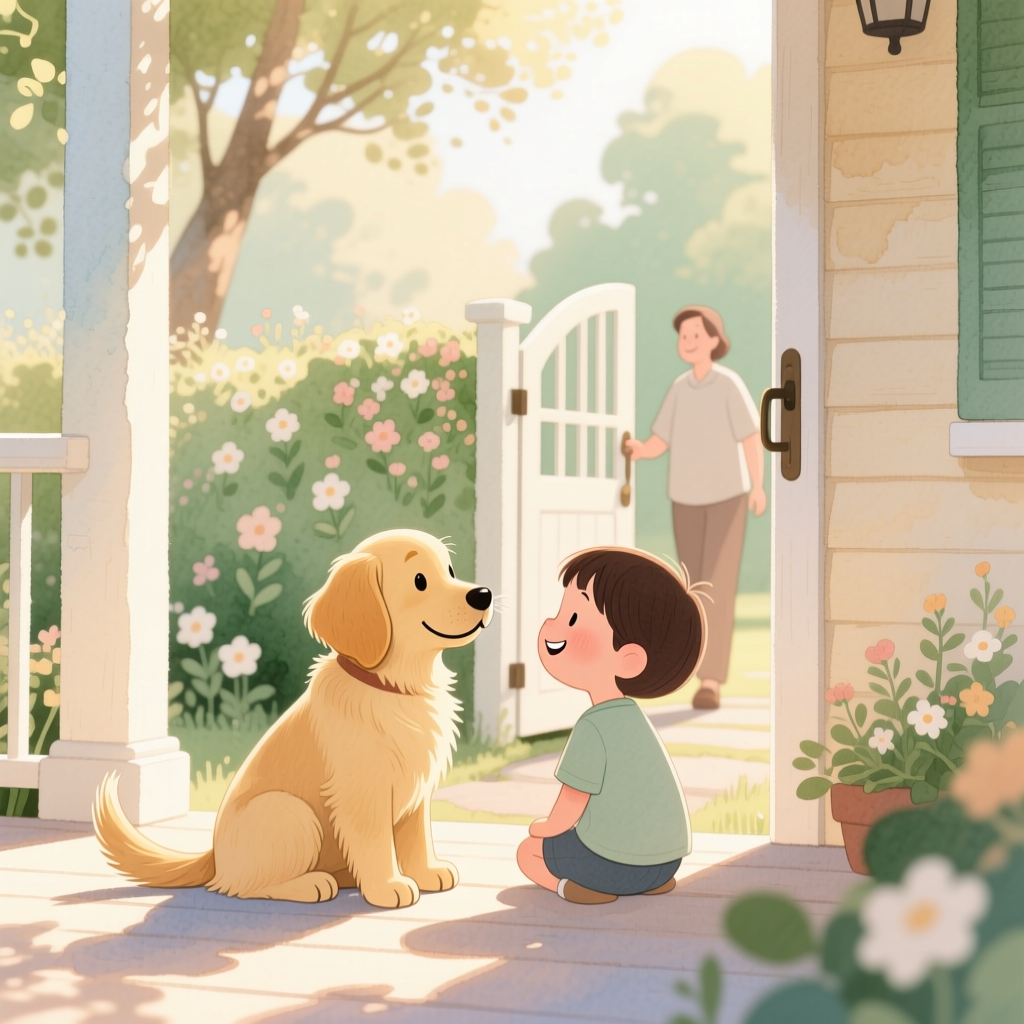
Picture this: the doorbell rings, and your home instantly descends into chaos. Your dog barks frantically, scrambles across the floor, and launches themselves at the door, ready to overwhelm your visitors with chaotic energy. While a dog’s enthusiasm can be endearing in small doses, a lack of impulse control around guests is not only embarrassing but can also be dangerous, especially if you have children, elderly visitors, or delivery personnel at the door.
Teaching your dog to be calm around guests is one of the most valuable life skills you can impart. It transforms stressful arrivals into peaceful & quiet moments, ensuring your home remains a relaxing sanctuary for everyone. Whether you have a boisterous puppy or an adult dog with deeply ingrained habits, achieving polite greetings is entirely possible with time & patience.
In this comprehensive guide, we will explore the psychology behind your dog’s excitement, provide a step-by-step training protocol, and share management strategies to set your canine companion up for success. By the end of this article, you will have all the tools you need to foster polite, calm, and controlled greetings.
Understanding Why Dogs Get Overexcited Around Guests
Before diving into the training steps, it is crucial to understand why dogs react so intensely to visitors. Dogs are inherently social animals, and the arrival of a new person triggers a massive spike in arousal. For highly social breeds, such as the Golden Retriever or the Labrador Retriever, a new guest represents an exciting opportunity for interaction, play, and affection.
On the flip side, some dogs react out of territorial instinct or anxiety. Breeds with strong guarding or herding instincts, like the Border Collie or German Shepherd, may bark or pace because they perceive the arrival of a stranger as a disruption to their environment. In these cases, the excitement is actually a manifestation of stress or a perceived need to “manage” the intruder.
Furthermore, many dogs simply lack impulse control. In their daily lives, they are rarely asked to regulate their emotions when something thrilling happens. When the door opens, the sudden rush of dopamine overrides their training, leading to jumping, spinning, and door-dashing. Recognizing whether your dog is acting out of pure joy, territorial alertness, or a lack of boundaries will help you tailor your training approach effectively.
Preparing Your Dog Before Guests Arrive
Setting the stage for a calm greeting begins long before your guests actually step through the door. A dog with pent-up physical and mental energy will find it nearly impossible to remain composed when the doorbell rings.
Physical Exercise
A tired dog is a calm dog. Ensure your pet has had adequate physical exercise earlier in the day. A long sniffari walk, a vigorous game of fetch, or a jogging session can significantly lower their baseline arousal levels. If you know guests are coming over in the evening, schedule a heavy play session in the afternoon to burn off excess energy.
Mental Stimulation
Mental fatigue is just as effective as physical exercise, if not more so. Engage your dog in brain games like hide & seek with their favorite toys, or use puzzle feeders for their meals. Training sessions that focus on obedience and focus also drain mental energy. A mentally stimulated dog is much more likely to choose rest and relaxation over chaotic jumping when visitors arrive.
Step-by-Step Guide to Training Calm Greetings
Now that your dog is physically and mentally prepared, it is time to implement a structured training protocol. This process requires consistency, high-value treats, and a willingness to break the greeting down into manageable steps.
Step 1: Desensitize the Doorbell and Door Noises
For many dogs, the trigger for excitement isn’t the guest itself, but the sound of the doorbell or the jingling of the doorknob. You must decouple these sounds from the arrival of people. If your dog struggles with noise reactivity, you may also want to review our guide on how to stop dog barking at environmental triggers.
- Record the Sound: Record your doorbell or knocking on your smartphone.
- Play at Low Volume: Play the sound at a very low volume while feeding your dog high-value treats. The goal is to create a positive, calm association.
- Increase Intensity: Gradually increase the volume over several days. If your dog reacts, lower the volume and proceed more slowly.
- Real-Life Application: Once your dog is calm with the recording, go to the actual front door, ring the bell yourself, and immediately toss treats on the floor away from the door. This teaches them that the doorbell means “go to my mat and forage for treats,” rather than “charge the door.”
Step 2: Master the “Place” Command
The Place command is arguably the most powerful tool for managing guests. It gives your dog a specific job and a designated safe zone to retreat to when the environment becomes overwhelming.
- Define the Place: Choose a raised cot, a specific rug, or a bed that is clearly visible from the entryway but not directly in the path of the door.
- Lure and Reward: Lure your dog onto the mat, mark the behavior with a “yes,” and reward them heavily.
- Build Duration and Distance: Gradually increase the time they must stay on the mat and the distance you move away from it. Practice this while you walk toward the front door, open it, and close it.
- Add Distractions: Once the behavior is solid, practice with family members entering the door before introducing actual guests.
Step 3: Implement the Leash Protocol
Until your dog has mastered impulse control, freedom at the front door is a privilege they have not yet earned. Keeping your dog on a leash when guests arrive prevents them from rehearsing bad habits like jumping or door-dashing. Review our guide on leash manners to ensure your dog is comfortable being tethered indoors.
- The Tether: Attach a lightweight house line to your dog’s harness before guests arrive.
- Step on the Leash: When you open the door, step on the leash so your dog has enough room to sit or stand comfortably, but not enough length to jump up on the guest.
- Reward Calmness: Feed treats continuously while the guest enters, provided your dog keeps all four paws on the floor.
Step 4: Coach Your Guests
Your training will fall apart if your guests inadvertently reward your dog for bad behavior. You must act as your dog’s advocate and instruct your visitors on how to interact.
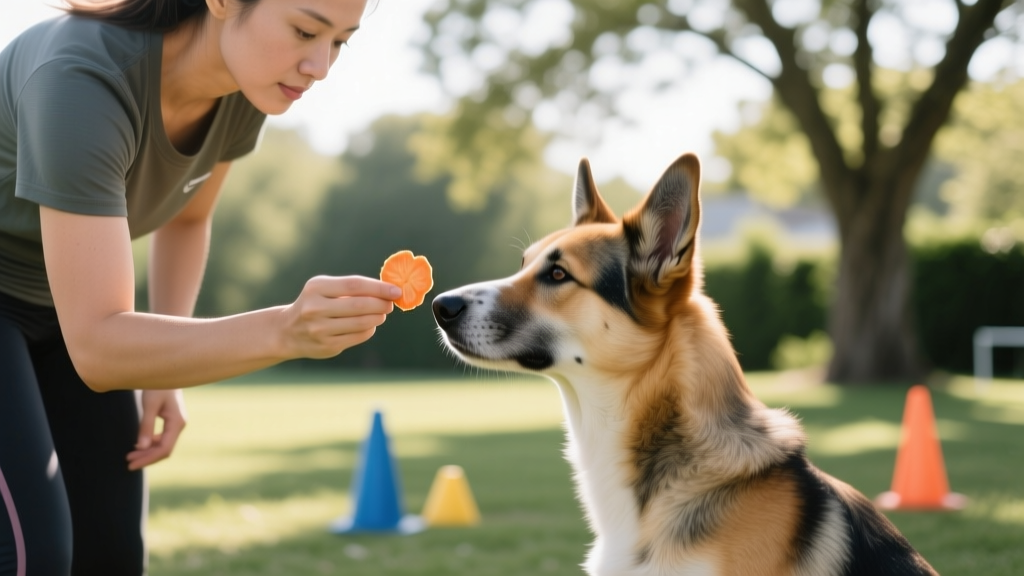
- The “No Touch, No Talk, No Eye Contact” Rule: Instruct guests to completely ignore the dog upon entering. They should not look at, speak to, or pet the dog until the dog is calm and seated.
- Wait for the Sit: Once the dog has settled, the guest can calmly approach and offer a pet under the chin or on the chest. If the dog jumps, the guest must immediately stand up straight, cross their arms, and look away.
Managing the Environment for Success
Training takes time, and in the meantime, you need management strategies to prevent your dog from practicing unwanted behaviors. Every time your dog successfully jumps on a guest, the behavior is reinforced, making it harder to extinguish later.
Utilize Baby Gates and Exercise Pens
Physical barriers are incredibly effective for dogs who are easily overstimulated. Set up a baby gate or an exercise pen in a room adjacent to the entryway. This allows your dog to see and hear the guests arriving without having direct physical access to them. Once the initial excitement of the arrival has passed and the dog has settled, you can release them into the main living area.
Crate Training as a Safe Haven
If your dog is properly conditioned to their crate, it can serve as a fantastic management tool. Utilizing crate training ensures your dog has a secure, den-like space to retreat to. Give them a long-lasting chew or a frozen food toy when guests arrive. This not only keeps them out of the way but also associates the arrival of visitors with a highly rewarding, calming activity.
Scatter Feeding and Sniffing Mats
Sniffing is a naturally soothing behavior for dogs that lowers their heart rate and reduces stress. When the doorbell rings, toss a handful of kibble or small treats onto a snuffle mat or scatter them in the grass outside (if you have a secure yard). This redirects their energy from the door to the ground, engaging their nose and bypassing the visual trigger of the guest.
Teaching Impulse Control & Alternative Behaviors
Nature abhors a vacuum. If you tell your dog to stop jumping, you must give them an alternative behavior to perform instead. Teaching incompatible behaviors is a cornerstone of modern, force-free dog training.
Sit to Say Please
Teach your dog that sitting is the key to unlocking everything they want in life. Whether it is getting their food bowl, going outside, or receiving a pet from a guest, they must sit first. When a guest approaches, ask your dog to sit. The guest only continues their approach if the dog remains seated. If the dog breaks the sit, the guest stops walking. This builds incredible impulse control over time.
The “Fetch a Toy” Greeting
For mouthy dogs or retrievers who feel the need to have something in their mouths when excited, teach them to grab a specific toy when the doorbell rings. Keep a basket of “guest toys” near the entryway. Train your dog to pick up a plush toy and hold it when people enter. A dog with a mouth full of toy cannot bite, nip, or bark excessively, and it gives them a constructive outlet for their excitement.
Threshold Training
Thresholds (doorways, gates, car doors) are major triggers for excitement. Practice threshold training daily. Ask your dog to sit and wait before opening any door. If they break the sit or try to push past you, close the door immediately. Repeat this until the dog learns that a calm demeanor is the only way to get the door to open. This translates directly to remaining calm when the front door opens for guests.
Pro Tips & Common Mistakes to Avoid
Even the best training plans can be derailed by subtle errors in execution. Keep these pro tips and common pitfalls in mind to ensure your success.
Pro Tips for Success
- Practice Without Guests: Do not wait for a real guest to train. Enlist a family member or a neighbor to act as a “fake guest” so you can practice the protocol without the pressure of hosting.
- Use High-Value Rewards: Dry kibble will not cut it when a new person is in the house. Use boiled chicken, cheese, or hot dogs to make staying on their mat more rewarding than jumping on the guest.
- Capture Calmness: Throughout the day, randomly reward your dog when they are doing absolutely nothing. If they are lying quietly on their bed, toss them a treat. This reinforces that being calm is a highly profitable behavior.
Common Mistakes to Avoid
- Yelling or Pushing: When a dog jumps, many owners yell “No!” or push the dog off. To a dog, yelling is just you barking along with them, which increases arousal. Pushing them off feels like a wrestling game, which rewards the jumping. Instead, turn your back and become entirely uninteresting.
- Inconsistent Rules: If you allow your dog to jump on you when you are wearing old clothes but scold them when you are dressed for work, they will be confused. The rule must be “four on the floor” at all times, with everyone, everywhere.
- Letting Guests Sabotage Training: Some guests will say, “Oh, I don’t mind, I love dogs!” and encourage the jumping. You must politely but firmly insist that they follow your rules. Your dog’s long-term behavioral health is more important than a guest’s momentary gratification.
Frequently Asked Questions (FAQ)
How long does it take to train a dog to be calm around guests?
The timeline varies significantly based on the dog’s age, breed, and how long the unwanted behavior has been rehearsed. For a young puppy learning the rules for the first time, you may see significant improvements within a few weeks of consistent practice. For an adult dog that has been jumping on guests for years, it may take several months of dedicated training, management, and desensitization to rewire their automatic responses. Consistency is the most critical factor in determining your success rate.
What if my guest ignores my rules and encourages my dog to jump?
This is a common and frustrating scenario. If a guest refuses to respect your boundaries, you must manage the environment to protect your dog’s training. Keep your dog on a leash, behind a baby gate, or in their crate when this specific guest arrives. You can politely explain to the visitor, “We are working on his training, and getting him excited sets us back weeks of progress. Please help us by ignoring him until he sits.” Ultimately, it is your responsibility to advocate for your dog and prevent them from rehearsing bad habits.
Should I put my dog in another room when guests arrive?
Using another room, a crate, or a baby gate is an excellent management strategy, especially during the initial phases of training or when hosting large, chaotic gatherings. However, the ultimate goal is for your dog to be able to coexist peacefully in the same room as your visitors. Use isolation as a temporary management tool while you actively train the “Place” command and impulse control exercises, gradually giving your dog more freedom as they prove they can handle the excitement.
Why does my dog pee when guests come over?
If your dog urinates when guests arrive or lean over to pet them, they are likely displaying submissive or excitement urination. This is an involuntary physiological response, not a house-training failure or a sign of disobedience. Scolding the dog will only increase their anxiety and make the problem worse. To manage this, instruct guests to ignore the dog upon entry, avoid direct eye contact, and pet the dog under the chin rather than over the head. Taking the dog outside immediately before guests arrive can also help empty their bladder.
Conclusion
Transforming your dog from a chaotic door-dasher into a polite, calm greeter is a journey that requires dedication, clear communication, and a lot of high-value treats. By understanding the root causes of their excitement, managing their environment, and teaching alternative behaviors like the Place command, you can completely change the dynamic of your home when visitors arrive.
Remember that setbacks are a normal part of the training process. If your dog has a bad day and reverts to jumping, simply take a deep breath, reset the environment, and try again. With consistent practice and a united front from all family members and guests, your dog will learn that peace & quiet at the front door is the most rewarding choice they can make.
Priya Sutaria
All our authors care for dogs every day — read more of their work on the authors page.