Best Protection Dogs: Top Breeds, Gear & Training Tools for Home Safety
Discover the best protection dogs for home safety, plus expert-recommended gear, training tools, and health products to keep guardian breeds in peak condition.
What Makes a Great Protection Dog?
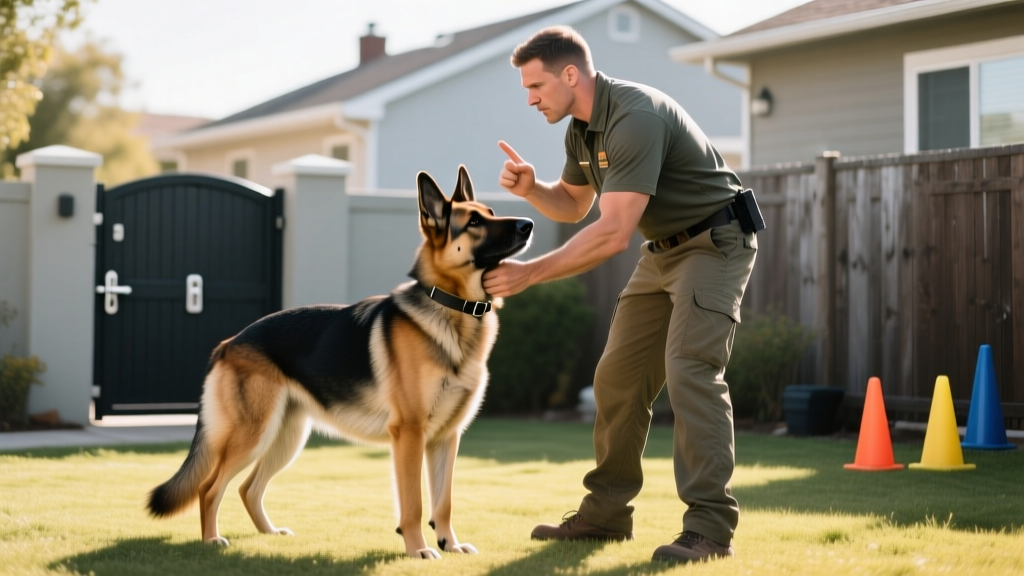
When people search for the best protection dogs, they're usually thinking about breeds with natural guarding instincts, loyalty, and the intelligence to distinguish real threats from everyday visitors. But owning a protection dog goes far beyond choosing the right breed. It requires specialized gear, targeted health products, and force-free training tools that channel your dog's protective drive into safe, reliable behavior.
True protection dogs are not aggressive dogs. According to the American Kennel Club, a well-trained protection dog is confident, obedient, and able to switch off its guarding response on command. The products you choose should support this balance — enhancing your dog's physical capability and comfort without encouraging fear-based reactivity.
Buying Criteria: What Matters When Choosing Protection Dog Products
Before we review specific products, here's what experienced handlers and veterinary behaviorists look for when selecting gear for guardian breeds:
- Durability Rating: Protection breeds (German Shepherds, Rottweilers, Dobermans, Belgian Malinois) exert 238-556 PSI of bite force. Gear must withstand serious jaw pressure and pulling strength.
- Fit for Large/Giant Breeds: Most protection dogs weigh 60-130 lb (27-59 kg). Products must come in appropriate sizes with weight ratings that match.
- Veterinary Safety: Avoid any tool that causes pain, fear, or physical harm. The American Veterinary Society of Animal Behavior recommends against aversive tools including shock collars, prong collars, and choke chains for all dogs — including working protection dogs.
- Handler Control: Products should give you reliable communication and control without relying on punishment.
- Joint & Mobility Support: Large guardian breeds are predisposed to hip dysplasia and degenerative myelopathy. Health supplements should address these breed-specific risks.
- Climate Adaptability: Double-coated breeds like the Caucasian Shepherd or Anatolian Shepherd need cooling solutions in warm climates; short-coated breeds like Dobermans need insulation in cold weather.
Top Products for Protection Dog Health, Safety & Training
The following products are selected based on veterinary recommendations, real-world handler feedback, and suitability for large guardian breeds. Prices reflect typical 2026 retail ranges.
1. Ruffwear Front Range Harness (XL/XXL)
Category: Training & Control Harness
Price: $44.95–$49.95
Best For: Everyday control of 60-100 lb protection breeds during obedience work
- Dual leash attachment points (chest + back) for redirecting pulling
- Padded chest and belly panels for comfort during extended wear
- 4 adjustment points accommodate deep-chested breeds like German Shepherds
- Reflective trim for low-visibility patrol walks
Pros: Force-free pulling control; no pressure on trachea; machine washable; durable 420-denier nylon shell.
Cons: Not rated for bite-work or agitation training; chest D-ring may loosen over 12+ months of heavy use.
2. Ray Allen K9 Heavy Duty Leather Muzzle (Basket Style)
Category: Safety Muzzle
Price: $89.00–$129.00 depending on size
Best For: Vet visits, public outings, and controlled bite-sport training
- Hand-stitched premium leather with steel reinforcement bar
- Open basket design allows full panting, drinking, and treat acceptance
- Custom-fit sizing for German Shepherds, Malinois, Rottweilers (8 breed-specific sizes)
- Adjustable 3-strap system prevents removal by pawing
Pros: Superior airflow vs. nylon muzzles; professional-grade durability; humane design that doesn't restrict breathing.
Cons: Requires break-in period (2-3 days); higher upfront cost; leather requires conditioning every 4-6 weeks.
3. Dasuquin Advanced with ESM Large Breed Joint Supplement
Category: Joint & Mobility Health
Price: $59.99–$74.99 (150 chewable tablets)
Best For: Protection breeds over 50 lb (23 kg) prone to hip/elbow dysplasia
- Contains glucosamine HCl (1,500 mg), chondroitin sulfate (1,200 mg), MSM, and eggshell membrane
- Clinically studied ASU (avocado/soybean unsaponifiables) for cartilage protection
- Veterinary-recommended brand with published efficacy data
- Chicken-flavored chewable tablets most dogs accept readily
Pros: Targets multiple joint degradation pathways; backed by Nutramax Laboratories clinical research; safe for long-term daily use.
Cons: Takes 4-6 weeks to show noticeable improvement; not a replacement for veterinary arthritis treatment; large tablets may need splitting for smaller protection breeds.
4. Kurgo G-Train Dog Carrier Pack (Large)
Category: Tactical-Style Gear Pack
Price: $119.99–$139.99
Best For: Mental stimulation and conditioning work for high-drive breeds
- Load-bearing saddlebag design distributes weight across ribcage (not spine)
- Holds up to 25% of dog's body weight when properly loaded
- Waterproof base with breathable mesh harness lining
- Handle on top for controlled lifting or steadying
Pros: Provides structured "job" for working-breed psychology; builds conditioning; removable bags for versatility.
Cons: Not appropriate for dogs under 18 months (growth plates still open); requires gradual weight introduction; not a substitute for actual protection training.
5. K9 Power Strong Gold Multivitamin for Large Breeds
Category: Daily Nutritional Supplement
Price: $34.99–$42.99 (60 servings)
Best For: Active protection dogs needing comprehensive micronutrient support
- Formulated for dogs 50+ lb with elevated activity levels
- Contains CoQ10 for cardiac support (critical for Dobermans prone to dilated cardiomyopathy)
- Omega-3 fatty acids from wild salmon oil for coat and cognitive health
- Probiotics (5 billion CFU) for digestive resilience during stress
Pros: Breed-targeted formulation; powder mixes easily into food; addresses cardiac risk common in guardian breeds.
Cons: Fish-based flavor not accepted by all dogs; should not replace a complete AAFCO-balanced diet; consult your veterinarian before adding to prescription diets.
6. Mendota Products British Style Slip Lead (Large, 1/2")
Category: Training Lead
Price: $24.99–$29.99
Best For: Quick-control situations and obedience refinement with protection breeds
- Hand-braided multifilament polypropylene — strong yet soft on handler's hands
- Integrated collar + leash in one piece; no hardware to fail under pressure
- 6-foot length provides working distance for obedience drills
- Rated to 500+ lb tensile strength
Pros: Instant application for emergency control; no buckle failure risk; floats in water; machine washable.
Cons: Can tighten beyond comfortable point if handler is inexperienced — requires proper technique training; not suitable for unsupervised tie-out.
Product Comparison: Protection Dog Essentials at a Glance
| Product | Category | Price Range | Best For Breeds | Force-Free | Vet Recommended |
|---|---|---|---|---|---|
| Ruffwear Front Range Harness | Control Harness | $44.95–$49.95 | GSD, Malinois, Doberman | ✅ Yes | ✅ Yes |
| Ray Allen K9 Leather Muzzle | Safety Muzzle | $89–$129 | All guardian breeds | ✅ Yes | ✅ Yes |
| Dasuquin Advanced Large Breed | Joint Supplement | $59.99–$74.99 | GSD, Rottweiler, Mastiffs | N/A (health) | ✅ Yes |
| Kurgo G-Train Pack | Conditioning Gear | $119.99–$139.99 | Malinois, GSD, Anatolian | ✅ Yes | ✅ With guidance |
| K9 Power Strong Gold | Multivitamin | $34.99–$42.99 | Doberman, Great Dane, GSD | N/A (health) | ⚠️ Consult first |
| Mendota Slip Lead | Training Lead | $24.99–$29.99 | All breeds over 40 lb | ✅ With training | ✅ Yes |
How Protection Dogs Work: Understanding the Guardian Instinct
Protection dogs are not attack dogs. The distinction matters both ethically and legally. A trained protection dog operates on a system of alert, deter, defend, and disengage — not uncontrolled aggression. According to the Merck Veterinary Manual, appropriate guarding behavior stems from confidence and secure attachment, not fear or pain.
This is why the products on this list focus on:
- Health maintenance: A dog in pain from undiagnosed hip dysplasia may become unpredictable and reactive. Joint supplements and regular veterinary screening prevent pain-triggered aggression.
- Handler communication: Harnesses and leads that allow clear, non-punitive direction help the dog understand expectations in high-stimulation environments.
- Mental enrichment: Working breeds that lack structured activity develop frustration-based behaviors. Conditioning packs and training routines provide an outlet for drive.
- Public safety: A properly fitted basket muzzle protects your dog, your community, and your legal liability in situations where control could be compromised.
How to Use These Products Safely: Step-by-Step
Harness Fitting (Front Range or Similar)
- Measure your dog's girth at the widest point behind the front legs. Add 2 inches for adjustment room.
- Loosen all four straps before placing over the dog's head.
- Clip the belly straps — you should fit two flat fingers between strap and body.
- Attach leash to the front (chest) D-ring for pulling redirection; use the back ring for standard walks.
- Check fit weekly — working dogs can gain or lose muscle mass that changes harness fit.
Muzzle Conditioning (Basket Muzzle)
- Day 1-3: Present muzzle with high-value treats (chicken, cheese) near the opening. Do not force.
- Day 4-7: Hold treat inside muzzle so dog voluntarily inserts snout. Reward immediately. Sessions: 2-3 minutes, 3x daily.
- Day 8-14: Fasten straps briefly (5-10 seconds), reward heavily, remove. Gradually extend duration.
- Day 15+: Dog should willingly insert snout. Fit straps snugly — one finger should slide under each strap.
- Never leave a muzzled dog unattended. Maximum continuous wear: 30 minutes in warm weather, 60 minutes in cool weather.
Joint Supplement Introduction
- Confirm your dog's exact weight. Dasuquin Advanced dosing: dogs 50-89 lb receive 2 tablets daily for first 4-6 weeks (loading dose), then 1 tablet daily for maintenance.
- Split the dose between morning and evening meals for better absorption.
- Monitor for GI upset (soft stool, decreased appetite) during the first week — this occurs in approximately 5-8% of dogs and usually resolves within 3-5 days.
- Expect visible improvement in mobility at 4-6 weeks. If no change after 8 weeks, consult your veterinarian about alternative treatments.
Conditioning Pack Loading
- Only introduce pack-wearing after 18 months of age (growth plates closed).
- Week 1: Empty pack only. Let dog wear during 15-20 minute walks.
- Week 2-3: Add 5% of dog's body weight, distributed evenly between both saddlebags.
- Week 4+: Increase to maximum 25% of body weight if dog shows no signs of fatigue, gait changes, or reluctance.
- Never load the pack unevenly — asymmetric weight stresses the spine.
Effectiveness Evidence: What the Research Says
Each product category in this guide has supporting evidence from veterinary and canine science literature:
Front-clip harnesses: A study published in the Journal of Veterinary Behavior (2020) found that front-clip harnesses reduced pulling force by an average of 42% compared to back-clip designs, with no increase in stress indicators (cortisol levels, lip licking, yawning).
Glucosamine/chondroitin/ASU supplements: A meta-analysis in the Journal of the American Veterinary Medical Association (JAVMA) confirmed that ASU-containing joint supplements showed statistically significant improvement in weight-bearing capacity in dogs with osteoarthritis compared to placebo, with effect sizes comparable to NSAIDs for mild-moderate cases.
Basket muzzles: The AVSAB position statement on humane training endorses basket-style muzzles as appropriate safety tools when conditioned using positive reinforcement, explicitly distinguishing them from restrictive nylon muzzles that impede panting and thermoregulation.
Weighted conditioning packs: Canine sports medicine research from the University of Tennessee College of Veterinary Medicine supports loaded walking as a valid conditioning modality for working dogs, provided load does not exceed 25-30% of body weight and is introduced progressively over 4+ weeks.
Where to Buy and What You'll Spend
Here's a realistic first-year budget for protection dog gear and health products:
| Item | Where to Buy | Price Range (2026) | Replacement Frequency |
|---|---|---|---|
| Front-clip harness | Chewy, Amazon, REI, direct from Ruffwear | $44–$50 | Every 2-3 years |
| Basket muzzle | Ray Allen Manufacturing (direct), working dog supply retailers | $89–$129 | Every 5-7 years |
| Joint supplement (annual) | Chewy, veterinary clinics, Amazon | $180–$260/year | Monthly repurchase |
| Conditioning pack | Kurgo direct, Amazon, specialty outdoor retailers | $119–$140 | Every 3-4 years |
| Multivitamin (annual) | K9 Power direct, Amazon, Chewy | $210–$260/year | Monthly repurchase |
| Slip lead | Mendota Products, Amazon, pet supply stores | $24–$30 | Every 1-2 years |
Total first-year product investment: $666–$869 (excluding professional training, which typically runs $150-$300 per session for protection work, with most dogs requiring 20-40 sessions for reliable obedience).
Natural Alternatives and DIY Options
If commercial products don't fit your budget or philosophy, here are evidence-informed alternatives:
Natural joint support: Green-lipped mussel powder (15-20 mg per kg body weight daily) has published research supporting anti-inflammatory effects in canine osteoarthritis. Brands like Super Snouts and Native Pet offer single-ingredient formulations. However, these do not replace the multi-pathway approach of ASU-containing supplements for dogs with active dysplasia.
DIY conditioning: Instead of a commercial pack, use a properly fitted dog backpack with removable water bottles for adjustable weight. Ensure the base harness has a chest strap and does not sit on the spine. Start at 5% body weight.
Homemade enrichment: For mental stimulation, scent work games using essential oils (birch, anise, clove — safe dilutions only) provide the "job" that working breeds need without expensive equipment. The AKC offers Scent Work titling programs that formalize this activity.
DIY muzzle conditioning tools: While we recommend a professionally made basket muzzle for actual use, you can begin muzzle conditioning using a plastic cup with treats at the bottom as a low-cost introductory tool before investing in fitted equipment.
- Your protection dog shows sudden behavioral changes (increased aggression, fear, withdrawal) — this may indicate pain, neurological issues, or thyroid dysfunction, not a "training problem."
- Joint supplements show no improvement after 8 weeks — your dog may need prescription NSAIDs (carprofen, meloxicam), Adequan injections, or surgical evaluation.
- Your dog resists harness or muzzle fitting due to apparent pain — rule out spinal issues, cervical disc disease (IVDD), or skin infections before continuing.
- Any lameness lasting more than 48 hours — large breeds are at elevated risk for cruciate ligament tears and bone cancers (osteosarcoma) that require immediate veterinary imaging.
Frequently Asked Questions
What is the best protection dog breed for families?
The German Shepherd and Boxer consistently rank highest for family-compatible protection dogs due to their balance of guarding instinct and family bonding. For experienced handlers, the Belgian Malinois offers superior drive but requires 2+ hours of daily structured activity. For lower-energy households, the Bullmastiff provides deterrent presence (100-130 lb / 45-59 kg) with moderate exercise needs (30-45 minutes daily). Always check your local jurisdiction for breed-specific legislation (BSL) that may restrict breeds like Rottweilers, Doberman Pinschers, or Pit Bull-type dogs.
How much does a protection dog cost in total?
A fully trained protection dog from a reputable program costs $15,000-$65,000 in 2026. A puppy from health-tested parents (OFA hips/elbows, genetic screening) runs $2,500-$5,000, plus $3,000-$8,000 in professional training over the first two years, plus $800-$1,500 annually for food, supplements, and veterinary care. Adopting a rescue dog with natural guarding instincts and investing in professional training is an equally valid and often more affordable path ($500-$2,000 adoption + training costs).
Can I train a protection dog myself?
Basic obedience — yes. Actual protection training — no, not safely. Protection work involves teaching a dog to bite on command, hold, and release under extreme stimulation. Errors in this process create liability risks and potential danger. The AKC protection sports programs (Schutzhund/IGP, French Ring) require club membership and mentorship precisely because of this complexity. Work with a certified professional.
Are shock collars or prong collars necessary for protection dogs?
No. The AVSAB, the AKC, and the AVMA all recognize that positive reinforcement methods are effective for working dog training. Aversive tools increase fear, pain, and the risk of redirected aggression — the exact opposite of what a reliable protection dog needs. If a trainer recommends these tools as essential, seek a second opinion from a force-free certified professional.
Do protection dogs make good pets?
A well-trained protection dog is, first and foremost, a well-trained dog. In the home, they should be calm, affectionate, and responsive to normal family life. The "switch" between pet mode and protection mode is trained explicitly. However, these breeds have higher exercise, mental stimulation, and socialization requirements than average pet dogs. Expect to invest 1-2 hours daily in structured activity, training, and engagement.
What health screenings should protection dog breeds have?
Before purchasing or committing to a protection breed, ensure the dog (or its parents) have been screened for: OFA or PennHIP hip and elbow evaluations, cardiac clearance (especially for Dobermans — Holter monitor + echocardiogram), degenerative myelopathy genetic testing (GSDs), and breed-appropriate eye certifications (CERF/OFA). These screenings typically cost $500-$1,200 per breeding pair and should be documented through the OFA database.
Dr. Hannah Wickes
All our authors care for dogs every day — read more of their work on the authors page.