Senior Dog Training: A Complete Guide to Teaching Older
Discover effective senior dog training techniques tailored for older dogs.
Senior Dog Training: A Complete Guide to Teaching Older Dogs New Tricks
There is a persistent myth that you cannot teach an old dog new tricks. Nothing could be further from the truth. Senior dogs are not only capable of learning, but they often bring a level of focus, patience, and emotional maturity to training sessions that younger dogs simply cannot match. Whether you have adopted an older rescue, noticed your longtime companion developing unwanted habits, or simply want to keep your aging dog mentally sharp, senior dog training is one of the most rewarding investments you can make in your pet's quality of life.
Training a senior dog does require a different approach than training a puppy or young adult dog. Physical limitations, sensory changes, and years of established behaviors all play a role in how your older dog learns and responds. But with the right techniques, realistic expectations, and a compassionate mindset, you can unlock your senior dog's potential and strengthen the bond you share. This comprehensive guide will walk you through everything you need to know about training your older dog, from understanding their unique needs to implementing practical step-by-step strategies that deliver real results.
Understanding Your Senior Dog: Physical & Cognitive Changes
Before diving into training techniques, it is essential to understand what your senior dog is experiencing both physically and mentally. Most dogs are considered seniors between the ages of seven and ten, though this varies significantly by breed. Larger breeds like German Shepherds and Golden Retrievers tend to age faster than smaller breeds like Chihuahuas or Toy Poodles. Understanding these changes helps you set appropriate expectations and tailor your training approach accordingly.
Physical Considerations
Senior dogs commonly experience a range of physical changes that directly impact training. Arthritis and joint stiffness can make sitting, lying down, or climbing stairs uncomfortable. Vision loss, whether from cataracts or general age-related decline, may mean your dog cannot see hand signals as clearly. Hearing loss is equally common and can make verbal commands seem like they are being ignored when in reality your dog simply did not hear you. Reduced stamina means longer training sessions may lead to fatigue and frustration rather than progress.
Before beginning any training program with your senior dog, schedule a thorough veterinary checkup. Your vet can identify underlying conditions like hip dysplasia, dental pain, or thyroid issues that could interfere with learning. Many conditions that look like stubbornness or cognitive decline are actually rooted in treatable medical problems. Addressing pain and health issues first sets the foundation for successful training.
Cognitive Changes
Canine Cognitive Dysfunction (CCD) is a condition similar to dementia in humans that affects a significant percentage of senior dogs. Symptoms include disorientation, changes in sleep-wake cycles, decreased interaction with family members, house soiling in previously trained dogs, and apparent forgetfulness of learned commands. If you notice these signs, consult your veterinarian, as there are management strategies and supplements that can help.
Even without CCD, older dogs may process information more slowly than they once did. This is a normal part of aging and does not mean your dog cannot learn. It simply means you need to be more patient, give clearer cues, and allow extra time for your dog to process and respond. Mental stimulation through training is actually one of the best ways to slow cognitive decline and keep your senior dog's mind sharp and engaged.
Foundational Training Techniques for Senior Dogs
Senior dog training builds on the same core principles as training dogs of any age: positive reinforcement, consistency, and patience. However, the application of these principles needs to be adapted to suit your older dog's capabilities and life experience. Here are the foundational techniques that will make your training sessions productive and enjoyable for both of you.
Step 1: Start With a Health Assessment & Comfort Check
Begin every training journey with a complete health evaluation. Beyond the veterinary checkup, take time to observe your dog's comfort levels during everyday activities. Notice which positions seem difficult, whether your dog hesitates before lying down or getting up, and how your dog responds to different types of touch. This observation period gives you critical information about which training exercises to prioritize and which to modify or avoid.
Create a training environment that supports your senior dog's physical needs. Use non-slip mats or rugs on smooth floors to prevent slipping. Choose a quiet, well-lit area free from distractions. If your dog has trouble standing for long periods, conduct training sessions with your dog in a comfortable lying position or on a supportive bed.
Step 2: Identify What Motivates Your Dog
Motivation is the engine of all successful training, and senior dogs are no exception. However, what motivated your dog in youth may have changed. Some older dogs become less food-driven, while others become more interested in treats as their activity levels decrease. Experiment with different types of rewards to find what truly excites your senior dog.
Consider these motivation options:
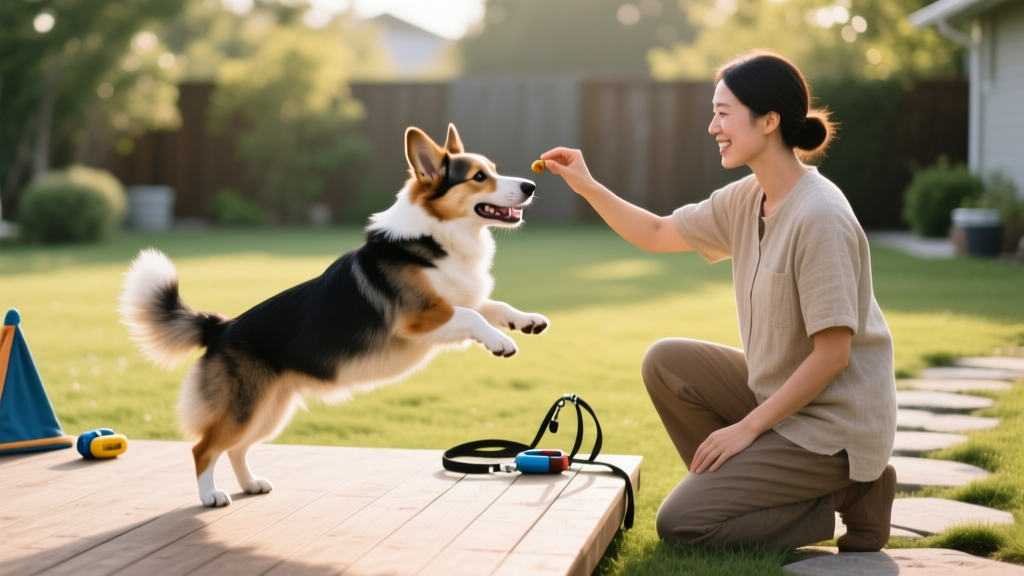
- High-value treats: Soft, aromatic treats like small pieces of chicken, cheese, or commercial senior-formula treats that are easy to chew
- Gentle praise & petting: Many senior dogs become more affection-oriented and respond beautifully to calm verbal praise and gentle stroking
- Favorite toys: A beloved soft toy or gentle tug toy can be a powerful reward for dogs who still enjoy play
- Life rewards: Access to a favorite window, a short walk, or time in the yard can serve as reinforcement for desired behaviors
For more ideas on motivation and reward-based methods, check out our positive reinforcement training guide, which covers techniques applicable to dogs of all ages.
Step 3: Keep Sessions Short & Frequent
One of the most important adjustments for senior dog training is session length. While a young adult dog might handle thirty-minute training sessions, senior dogs benefit far more from brief, focused sessions of five to ten minutes, repeated two or three times throughout the day. This approach prevents physical fatigue, maintains mental engagement, and reduces the frustration that can build when an older dog becomes tired.
End every session on a positive note, even if it means asking for a behavior your dog knows well and rewarding generously. Your senior dog should associate training time with success and enjoyment, not exhaustion and failure. If you notice your dog yawning excessively, licking lips repeatedly, turning away, or lying down during a session, these are signs it is time to wrap up and try again later.
Step 4: Adapt Your Communication Style
Clear communication becomes even more critical when training senior dogs, especially those experiencing sensory decline. If your dog is losing hearing, transition from verbal commands to hand signals. Use broad, distinct gestures that are easy to see. If your dog is losing vision, rely more on verbal cues and scent-based activities. You can also introduce gentle touch cues, such as a light tap on the shoulder to get attention before giving a command.
Consistency in your cues is paramount. Choose one word or one gesture for each behavior and ensure every family member uses the same cue. Senior dogs have years of experience interpreting human behavior, and mixed signals will cause unnecessary confusion. Our basic obedience commands guide provides a solid framework for establishing clear, consistent cues.
Essential Commands & Behaviors to Train With Senior Dogs
Not all training goals are equally important for senior dogs. While teaching elaborate tricks can be fun and mentally stimulating, certain commands and behaviors have outsized importance for your older dog's safety, comfort, and quality of life. Focus your energy on these high-impact areas first, then expand to additional skills as your dog progresses.
Recall (Come When Called)
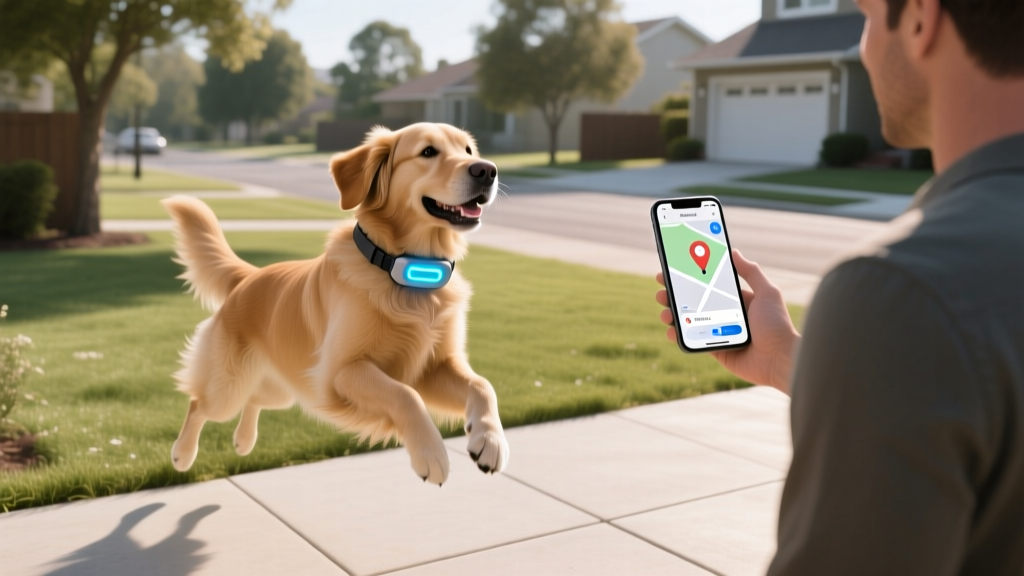
A reliable recall is arguably the most important command for any dog, but it takes on special significance for seniors. Older dogs with diminished hearing or vision may wander off or become disoriented, making a strong recall essential for safety. If your dog's hearing is declining, consider using a vibration collar (not a shock collar) as a recall signal, paired with high-value rewards when your dog returns to you.
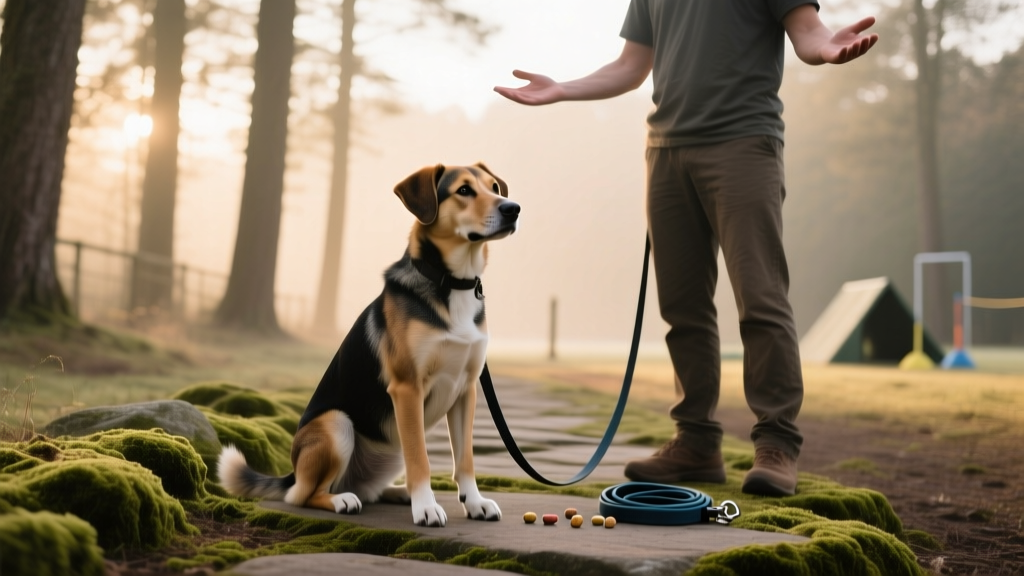
Start training recall in a low-distraction environment. Call your dog's name or use your chosen cue, and reward immediately when they come to you. Gradually increase distance and distractions as your dog's response becomes reliable. Never punish your dog for coming to you, even if it took longer than you would like. The act of returning must always be associated with positive outcomes.
Gentle Leash Walking
Walks remain one of the most important activities for senior dogs, providing physical exercise, mental stimulation, and bonding time. However, leash pulling can be particularly hard on aging joints and muscles. Teaching or re-teaching loose-leash walking protects your dog's body while making walks more enjoyable for both of you.
Use a comfortable harness rather than a collar to distribute pressure evenly across your dog's chest and shoulders. When your dog pulls, stop walking immediately. Wait for your dog to look back at you or create slack in the leash, then reward and resume walking. Keep walks at a pace comfortable for your dog, and do not hesitate to take breaks. For a detailed walkthrough, visit our leash training guide.
Settle & Place Commands
Teaching your senior dog to go to a designated spot and settle is immensely practical. It gives your dog a safe, comfortable place to retreat when the household gets busy, when guests visit, or when they simply need rest. Choose a supportive bed or mat in a quiet area as the designated place.
Guide your dog to the spot using a treat lure, and reward when all four paws are on the mat. Add a verbal cue like "place" or "settle." Gradually increase the duration your dog stays on the mat before receiving a reward. This command is particularly valuable for senior dogs who may feel anxious or overwhelmed, as it gives them a predictable, safe retreat they can rely on.
Handling & Grooming Cooperation
Senior dogs often require more grooming, nail trims, and physical handling for medical care. Training your dog to cooperate calmly with these activities reduces stress for everyone involved and makes routine care much easier. This is especially important as your dog ages and may need more frequent veterinary attention.
Practice gentle handling exercises daily. Touch your dog's paws, ears, mouth, and body, rewarding calm acceptance with treats and praise. If your dog shows sensitivity to being touched in a particular area, work very gradually, starting with brief touches near the sensitive area and slowly working closer over multiple sessions. Our grooming training tips article offers additional strategies for making care routines stress-free.
Tips for Successful Senior Dog Training
Beyond the specific techniques and commands, certain overarching strategies can dramatically improve your success with senior dog training. These tips come from experienced trainers and behaviorists who specialize in working with older dogs.
Tip 1: Leverage Existing Knowledge
Your senior dog has years of experience and likely knows more than you think. Before teaching something new, assess what your dog already knows and build on that foundation. If your dog already sits reliably, use sit as a starting point for teaching "stay" or "wait." If your dog knows "down," you can shape that into a "stay" or a "roll over" if your dog's joints allow it. Building on existing knowledge creates faster progress and builds your dog's confidence.
Tip 2: Use Scent-Based Activities
Even when vision and hearing decline, a dog's sense of smell typically remains strong well into old age. Incorporate scent work into your training routine as both a teaching tool and a form of mental enrichment. Hide treats around a room and encourage your dog to find them. Introduce scent discrimination games where your dog identifies a specific scent among several options. These activities tire the mind beautifully without taxing the body and can be deeply satisfying for your senior dog.
Tip 3: Maintain a Consistent Routine
Senior dogs thrive on predictability. Establish a daily routine that includes training sessions at roughly the same times each day. Consistency in schedule helps your dog anticipate and prepare for training, leading to better engagement and focus. Pair training with existing routines, such as practicing commands before meals or during regular walk times, to make the habit stick naturally.
Tip 4: Celebrate Small Wins
Progress with senior dogs may be slower than with puppies, but every step forward deserves celebration. Did your dog hold a sit for three seconds longer than yesterday? That is a win. Did your dog make eye contact when you gave a cue? That is a win. Recognizing and rewarding incremental progress keeps both you and your dog motivated and makes the training journey genuinely enjoyable.
Tip 5: Prioritize Mental Enrichment Alongside Physical Training
Training is just one form of mental stimulation. Supplement your training sessions with puzzle toys, interactive feeders, novel walking routes, and supervised social interactions. A mentally enriched dog is a happier, more engaged learner. For breeds known for their intelligence, such as Border Collies and Poodles, mental enrichment is especially critical to prevent boredom and the behavioral issues that can arise from it.
Common Mistakes to Avoid in Senior Dog Training
Even well-meaning owners can unintentionally undermine their senior dog's training progress. Being aware of these common pitfalls helps you avoid them and keeps your training on track.
Mistake 1: Pushing Too Hard, Too Fast
Perhaps the most common error is expecting senior dogs to learn at the same pace as younger dogs. Pushing for longer sessions, faster progress, or more complex behaviors than your dog can handle leads to frustration on both sides. Respect your dog's pace. If a behavior takes weeks to learn rather than days, that is perfectly fine. The journey matters more than the timeline.
Mistake 2: Ignoring Pain & Discomfort
Behavioral changes in senior dogs are often misattributed to stubbornness or senility when the real cause is pain. A dog who refuses to sit may have hip pain. A dog who snaps when touched may have arthritis in that area. A dog who seems to ignore commands may not hear them. Always rule out medical causes before assuming a behavioral problem, and adjust your training to accommodate any physical limitations your dog has.
Mistake 3: Using Outdated Punishment-Based Methods
Senior dogs have spent a lifetime building trust with their humans. Punishment-based training methods, including harsh corrections, yelling, or physical force, can damage that trust and cause anxiety, fear, and even aggression. Positive reinforcement methods are not only kinder but also more effective, especially for older dogs who may be more sensitive to stress. If you are transitioning from older training methods, our guide to positive reinforcement can help you make the switch.
Mistake 4: Neglecting to Adapt the Environment
Training a senior dog on a slippery hardwood floor, in a noisy room, or in extreme temperatures sets your dog up for failure. Environmental factors that a younger dog might ignore can be overwhelming or physically challenging for a senior. Always consider the training environment from your dog's perspective and make adjustments to support comfort and focus.
Mistake 5: Giving Up Too Soon
Some owners assume that because their dog is old, training simply will not work. This assumption is almost always wrong. While certain physical limitations may restrict what behaviors you can teach, the vast majority of senior dogs can and do learn new skills when taught with appropriate methods and realistic expectations. Patience and persistence pay off, often in ways that surprise even experienced dog owners.
Frequently Asked Questions About Senior Dog Training
Is it ever too late to start training a senior dog?
No, it is never too late to begin training a senior dog. Dogs retain the ability to learn throughout their entire lives. While you may need to adapt your methods to account for physical limitations or sensory decline, older dogs often excel in training because they are calmer, more focused, and less easily distracted than puppies. Whether your dog is eight, twelve, or even older, you can make meaningful progress with the right approach. The key is setting realistic goals, keeping sessions short and positive, and celebrating every step forward.
How long does it take to see results when training a senior dog?
The timeline for seeing results varies widely depending on the behavior being taught, your dog's previous training history, physical health, and individual temperament. Simple behaviors like "touch" (targeting your hand with their nose) can be learned in just a few short sessions. More complex behaviors or modifying long-established habits may take several weeks or even months of consistent practice. The important thing is to focus on consistency rather than speed. Short, daily sessions will produce better long-term results than occasional marathon training sessions. Most owners notice meaningful improvements within two to four weeks of regular practice.
Can I train a senior dog who has never been trained before?
Absolutely. Many senior dogs, particularly those adopted from shelters or rescues, have had little to no formal training. These dogs can be wonderful students because they are often eager to please and grateful for the attention and structure that training provides. Start with the basics, such as teaching your dog their name, simple sit, and recall. Be extra patient, as your dog is learning not just individual commands but the entire concept of training itself. Use high-value rewards, keep sessions very short at first, and build gradually. Many owners find that previously untrained senior dogs pick up new skills surprisingly quickly once they understand the game.
What should I do if my senior dog seems confused or frustrated during training?
If your dog shows signs of confusion or frustration, such as excessive yawning, lip licking, turning away, whining, or simply shutting down, it is time to take a step back. First, end the current session on a positive note by asking for a behavior your dog knows well and rewarding generously. Then evaluate what went wrong. Was the step too big? Was the environment too distracting? Is your dog in pain or tired? Break the behavior into smaller, easier steps and try again at the next session. If frustration persists, consult a professional positive-reinforcement trainer who has experience with senior dogs. There is no shame in seeking expert guidance, and a good trainer can help you troubleshoot challenges specific to your dog.
Are there any commands or tricks that senior dogs should avoid learning?
Any behavior that puts excessive strain on your senior dog's joints or body should be avoided or modified. This typically includes jumping, standing on hind legs, vigorous spinning, and high-impact tricks like catching frisbees mid-air. However, most low-impact commands and tricks are perfectly safe and beneficial. Sit, down, stay, come, touch, shake, speak, and gentle scent work are all excellent options. Always consider your individual dog's health status. A senior dog with healthy joints might still manage a gentle spin, while a dog with severe arthritis may need to learn behaviors exclusively from a lying-down position. Your veterinarian can help you identify which activities are safe for your specific dog. For breed-specific health considerations, explore our breed information pages to learn about common health concerns that may affect your dog's training plan.
Training your senior dog is about much more than teaching commands. It is about maintaining your dog's mental sharpness, preserving their physical comfort, deepening your bond, and giving them the structure and engagement they need to thrive in their golden years. With patience, compassion, and the right approach, you will find that your older dog has plenty of new tricks left to learn and plenty of joy to share along the way.
Anouk Beaumont
All our authors care for dogs every day — read more of their work on the authors page.