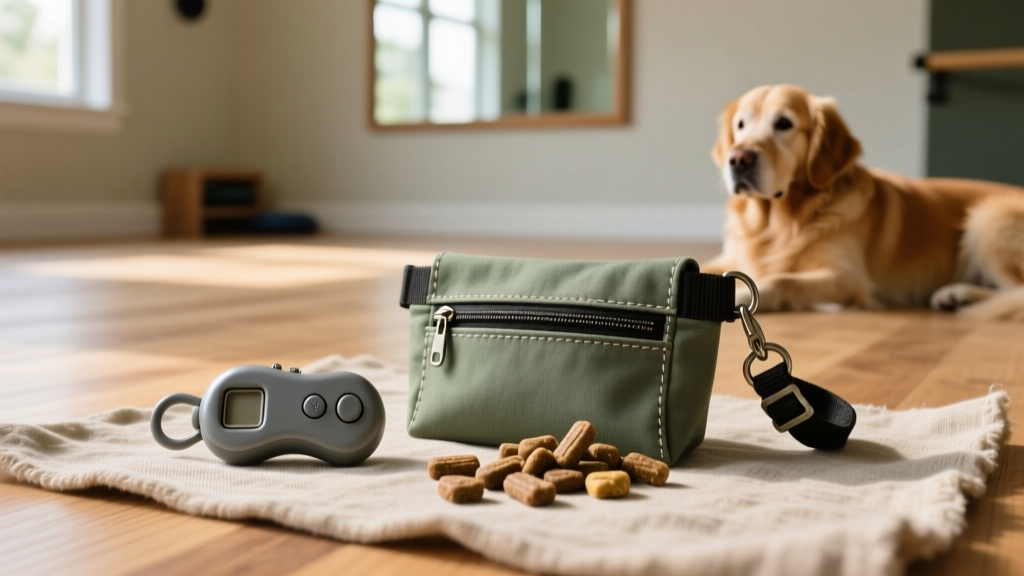
Rescue Dog Training: A Complete Guide to Helping Your
Learn proven rescue dog training techniques to help your adopted dog adjust, build trust, and master essential skills.

Rescue Dog Training: A Complete Guide to Helping Your Adopted Dog Thrive
Bringing a rescue dog into your home is one of the most rewarding decisions you can make. You are giving a second chance to an animal who may have faced neglect, abandonment, or uncertainty. But alongside that incredible act of kindness comes a unique set of challenges. Rescue dogs often arrive with unknown histories, ingrained fears, and behavioral patterns that require patience, understanding, and a thoughtful training approach.
Unlike puppies raised from birth in a stable environment, rescue dogs may need to unlearn old habits before they can build new ones. Some may have never lived indoors. Others may have experienced trauma that makes them fearful of everyday sounds, people, or situations. The good news is that with the right strategies, virtually every rescue dog can learn to feel safe, confident, and well-behaved in their new home.
This comprehensive guide walks you through everything you need to know about rescue dog training — from the critical first days home to advanced obedience work. Whether you have adopted a timid senior dog or an energetic young mixed breed, these proven techniques will help you build a bond rooted in trust and mutual respect.
Understanding Your Rescue Dog Before Training Begins
Before you pick up a clicker or a bag of treats, the most important step is to simply observe and understand your new dog. Every rescue dog carries a unique history, and that history shapes how they respond to the world around them. Taking time to learn your dog's personality, triggers, and comfort level will make every subsequent training session far more effective.
The Decompression Period
Animal behaviorists widely recommend allowing a rescue dog a decompression period of at least two to four weeks after adoption. During this time, your dog is processing an enormous amount of change — new smells, new routines, new people, and possibly new animal housemates. Many rescue dogs display what trainers call the "honeymoon period," where they seem unusually calm and well-behaved for the first week or two, only to begin testing boundaries or revealing anxiety once they start to feel settled.
During the decompression phase, focus on the following:
- Establish a predictable routine for feeding, walks, and bathroom breaks so your dog learns what to expect each day.
- Provide a safe space such as a crate or a quiet corner with a bed where your dog can retreat when overwhelmed.
- Limit introductions to new people, pets, and environments. Resist the urge to throw a welcome-home party or take your dog to busy parks immediately.
- Observe body language carefully. Lip licking, yawning, whale eye (showing the whites of the eyes), tucked tail, and averted gaze are all signs of stress.
- Keep interactions calm and low-key to avoid overstimulation during this sensitive adjustment window.
Assessing Your Dog's Background
While rescue organizations provide whatever information they can about a dog's history, there are often significant gaps. You may not know whether your dog was previously house-trained, whether they lived with children, or whether they experienced abuse. Rather than speculating, watch how your dog responds to various stimuli:
- How do they react when you reach toward their food bowl?
- Do they flinch when you raise your hand quickly?
- Are they comfortable being touched on their paws, ears, and tail?
- How do they respond to other dogs, cats, or strangers?
- Do they show signs of separation distress when you leave the room?
These observations form the foundation of your training plan. If you notice significant fear or aggression, consider consulting a certified professional dog trainer or veterinary behaviorist before proceeding with independent training. Our guide on common dog behavior problems offers additional insight into identifying and addressing these issues early.
Building Trust: The Foundation of All Rescue Dog Training
Trust is the single most important element of training a rescue dog. Without trust, your dog will not feel safe enough to learn. Every interaction you have — from feeding time to leash walks to quiet evenings on the couch — is an opportunity to build or erode that trust. Here is how to make sure you are building it consistently.
Use Positive Reinforcement Exclusively
Positive reinforcement means rewarding behaviors you want to see more of, using things your dog values. For most dogs, high-value treats such as small pieces of chicken, cheese, or commercial training treats are the strongest motivators. But rewards can also include praise, play, petting, or access to something the dog enjoys, like a walk or a favorite toy.
With rescue dogs, positive reinforcement is not just the preferred method — it is essential. Punishment-based techniques such as yelling, leash corrections, alpha rolls, or shock collars can severely damage the trust you are working to build. A dog who has already experienced trauma or instability may interpret punishment as confirmation that the world is unsafe, leading to increased fear, shutdown, or defensive aggression.
Let Your Dog Set the Pace
One of the most common mistakes new rescue dog owners make is pushing too hard, too fast. If your dog is afraid of walking through doorways, do not drag them through a doorway. Instead, place treats near the threshold and let them approach voluntarily. If your dog is nervous about being touched, do not force physical contact. Sit nearby, speak softly, and let them come to you.
This principle applies to every aspect of training. When your dog feels that they have a choice and that you respect their boundaries, they learn that you are a source of safety rather than pressure. That sense of safety is what unlocks their willingness to learn.
Hand-Feeding and Bonding Exercises
Hand-feeding is one of the most powerful trust-building tools available. Instead of placing your dog's meals in a bowl, offer kibble by hand during your first weeks together. This accomplishes several things simultaneously:
- It teaches your dog that your hands bring good things, reducing the likelihood of hand-shyness or fear of reaching hands.
- It establishes you as a provider of resources, which strengthens your relationship without any need for dominance-based tactics.
- It creates natural training opportunities, as you can ask for simple behaviors like "sit" or eye contact before delivering each piece of food.
Another excellent bonding exercise is the "engage-disengage" game. Simply sit with your dog in a calm environment. When they look at you voluntarily, mark the moment with a clicker or a verbal marker like "yes" and give a treat. Over time, your dog learns that checking in with you is rewarding, which becomes invaluable for recall training, loose-leash walking, and general focus. For more foundational exercises, see our basic dog commands guide.
Essential Training Milestones for Your Rescue Dog
Once your dog has had time to decompress and you have begun building trust, you can start introducing structured training sessions. Keep sessions short — five to ten minutes is ideal for most rescue dogs, especially in the beginning. End each session on a positive note, even if progress feels slow. Here are the key milestones to work toward, roughly in the order you should introduce them.
Step 1: Name Recognition
Your rescue dog may have had a different name before adoption, or they may never have learned to respond to any name at all. Start by saying your dog's name in a cheerful tone and immediately giving a treat when they look at you. Repeat this dozens of times across multiple short sessions. Within a few days, most dogs begin to orient toward you when they hear their name.
Avoid using your dog's name in a scolding tone or pairing it with negative experiences. You want the sound of their name to predict good things, so it becomes a reliable attention-getter in distracting environments.
Step 2: House Training
Even if your rescue dog was previously house-trained, the stress of a new environment can cause accidents. Approach house training as if you are starting from scratch:
- Take your dog outside frequently — after meals, after naps, after play sessions, and before bedtime.
- Choose a specific bathroom spot and take them to the same location each time. The familiar scent will encourage elimination.
- Use a consistent cue word such as "go potty" while they are eliminating, and reward generously immediately after they finish.
- Supervise closely indoors. Use baby gates or keep your dog on a leash attached to you so you can watch for signs like sniffing, circling, or heading toward a corner.
- If an accident happens, clean it with an enzymatic cleaner and do not punish your dog. Punishment after the fact is confusing and counterproductive.
For dogs with persistent house-training challenges, our detailed house training guide covers troubleshooting strategies for difficult cases.
Step 3: Crate Training
A crate provides your rescue dog with a den-like safe space and is an invaluable tool for house training, preventing destructive behavior, and helping your dog feel secure. However, many rescue dogs have negative associations with crates, so patience is critical.
Follow these steps for successful crate training:
- Place the crate in a common area with the door open. Scatter treats and favorite toys inside so your dog explores it voluntarily.
- Feed meals near the crate, then inside the crate with the door open, then inside with the door closed briefly.
- Gradually increase the time the door stays closed while you are present and nearby.
- Begin leaving the room for very short periods — seconds at first, then minutes — while your dog is comfortable inside.
- Never use the crate as punishment. It should always be associated with safety and positive experiences.
If your dog shows severe distress in the crate — prolonged howling, self-injury, or panic — consult a professional trainer. For some rescue dogs, alternative confinement such as an exercise pen or a dog-proofed room may be a better option while you work on their anxiety.
Step 4: Leash Training
Many rescue dogs have never walked on a leash or have developed a habit of pulling. Start leash training indoors or in a quiet yard before venturing onto busy sidewalks.
- Let your dog wear the harness or collar around the house first so they get used to the sensation.
- Attach the leash and let them drag it under supervision, rewarding calm behavior.
- Pick up the leash and follow your dog around, rewarding them when the leash is loose.
- Begin walking with purpose. When the leash goes tight, stop walking. When your dog looks back at you or the leash loosens, mark and reward, then resume walking.
- Practice in increasingly distracting environments as your dog improves.
For dogs that pull severely, a front-clip harness can provide additional control without causing discomfort. Our leash training guide covers advanced techniques for dogs who struggle with pulling on walks.
Step 5: Basic Obedience Commands
Once your dog is comfortable in their new home, begin teaching essential commands: sit, down, stay, come, and leave it. These commands are not just party tricks — they are safety tools that give you a way to communicate clearly with your dog and manage their behavior in real-world situations.
Use lure-and-reward methods initially. For example, to teach "sit," hold a treat near your dog's nose and slowly move it upward and backward over their head. Most dogs will naturally sit to follow the treat. Mark the sit with a clicker or "yes," then give the treat. After several repetitions, add the verbal cue "sit" just before the lure.
Practice each command in multiple locations with increasing distractions. A dog who sits reliably in your living room may not sit in the park until you have proofed the behavior in progressively more challenging environments.
Addressing Common Rescue Dog Behavioral Challenges
Rescue dogs may exhibit behaviors rooted in fear, past experiences, or lack of socialization. Understanding these challenges and addressing them with compassion and consistency is a critical part of the training journey.
Fear and Anxiety
Fearful rescue dogs may cower, tremble, hide, or try to escape when confronted with triggers such as loud noises, unfamiliar people, or new environments. Counter-conditioning is the most effective approach: pair the feared stimulus with something your dog loves, at an intensity low enough that your dog notices it but does not panic.
For example, if your dog fears strangers, have a friend stand far enough away that your dog notices them but remains calm. Feed high-value treats continuously while the person is visible. When the person leaves, the treats stop. Over multiple sessions, gradually decrease the distance. This teaches your dog that the presence of strangers predicts wonderful things.
Resource Guarding
Resource guarding — growling, snapping, or stiffening when someone approaches their food, toys, or resting spot — is relatively common in rescue dogs who may have experienced scarcity. Never punish resource guarding, as this typically escalates the behavior.
Instead, practice trading up: approach your dog while they have a lower-value item and toss a higher-value treat nearby. Over time, your dog learns that a human approaching means something better is coming, not that their possession is being stolen. For a comprehensive approach, explore our guide on addressing dog behavior problems.
Separation Anxiety
Rescue dogs who have experienced abandonment are particularly prone to separation anxiety. Signs include destructive behavior, excessive vocalization, pacing, drooling, and house soiling that occurs only when the dog is alone.
Management strategies include:
- Building up alone time gradually, starting with seconds and working toward longer absences.
- Providing enrichment toys such as food puzzles or frozen Kongs when you leave.
- Keeping departures and arrivals low-key to avoid creating emotional peaks.
- Considering calming aids such as Adaptil diffusers or calming supplements in consultation with your veterinarian.
Severe separation anxiety often requires the guidance of a veterinary behaviorist and may benefit from temporary medication to help your dog relax enough to learn new coping strategies.
Leash Reactivity
Many rescue dogs bark, lunge, or become highly aroused when they see other dogs on leash. This behavior often stems from fear or frustration rather than true aggression. The engage-disengage game mentioned earlier is highly effective here, as is maintaining distance from triggers and rewarding calm behavior. Our socialization guide provides detailed exercises for dogs who struggle with reactivity around other animals.
Rescue Dog Training Tips & Common Mistakes to Avoid
Top Tips for Success
- Be patient and celebrate small wins. Progress with a rescue dog is rarely linear. Some days will feel like enormous leaps forward, and others may feel like steps backward. Both are normal.
- Use high-value treats for difficult tasks. Save the best rewards — real meat, cheese, or freeze-dried liver — for the hardest challenges, such as recall in distracting environments or encountering triggers.
- Keep a training journal. Write down what you worked on each day, how your dog responded, and what you want to focus on next. This helps you see patterns and progress over time.
- Exercise before training. A dog with pent-up energy will struggle to focus. A brisk walk or play session before a training session can dramatically improve attention and retention.
- Socialize at your dog's pace. Exposing your rescue dog to new people, places, surfaces, and sounds is important, but it should be done gradually and positively. Flooding a fearful dog with too many new experiences at once can backfire.
- Enroll in a group class once your dog is ready. A well-run group class provides structured learning and controlled socialization. Wait until your dog is comfortable in your home and can focus around mild distractions before joining.
- Incorporate mental enrichment daily. Puzzle toys, snuffle mats, scent games, and training sessions tire a dog's brain just as much as physical exercise tires their body. Mental stimulation is especially valuable for high-energy rescue dogs.
Common Mistakes New Rescue Dog Owners Make
- Expecting too much too soon. The "3-3-3 rule" is a helpful guideline: three days to decompress, three weeks to learn your routine, and three months to feel truly at home. Training is an ongoing process that unfolds across all of these phases.
- Using punishment or intimidation. Harsh methods may suppress a behavior temporarily but they do not teach the dog what to do instead, and they damage the trust that is the foundation of your relationship.
- Inconsistency between household members. If one person allows the dog on the couch and another scolds them for it, the dog becomes confused and anxious. Agree on rules as a household and enforce them consistently.
- Skipping the decompression period. Rushing into training, social outings, and introductions before your dog has settled can overwhelm them and create behavioral problems that could have been avoided.
- Neglecting your own well-being. Training a rescue dog can be emotionally and physically demanding. Take breaks, ask for help, and remember that seeking professional guidance is a sign of commitment, not failure.
- Comparing your rescue dog to other dogs. Every dog has a unique starting point. Your dog's progress should be measured against their own baseline, not against the dog next door who has lived with their family since puppyhood.
Frequently Asked Questions About Rescue Dog Training
How long does it take to train a rescue dog?
There is no single timeline, as it depends on your dog's history, temperament, and the specific behaviors you are working on. Most rescue dogs begin showing meaningful progress within the first few weeks of consistent training, but building reliable obedience and overcoming deep-seated fears can take several months or longer. The 3-3-3 rule provides a useful framework: expect three days of overwhelm, three weeks of adjustment, and three months before your dog truly settles into their new life. Continue building on your training foundation well beyond that initial period for the best long-term results.
Can you train an older rescue dog, or is it only effective with puppies?
Absolutely — older dogs can learn new behaviors, and in many ways, training an adult rescue dog is easier than training a puppy. Adult dogs typically have longer attention spans, are already past the teething and mouthing phase, and may already know some basic behaviors. The main difference is that older dogs may have established habits or fears that need to be addressed before new learning can take place. Patience and consistency matter more than age. Whether you have adopted a two-year-old or a twelve-year-old, positive reinforcement training will yield results. Check out our senior dog care tips for age-specific considerations.
What should I do if my rescue dog is aggressive toward people or other dogs?
Aggression in rescue dogs is most often rooted in fear, not malice. If your dog is growling, snapping, or biting, the first step is to manage the environment to prevent incidents — use baby gates, leashes, and muzzles as needed to keep everyone safe. Next, consult a certified professional dog trainer or a veterinary behaviorist who uses force-free methods. They can assess the root cause of the aggression and create a customized behavior modification plan. Do not attempt to "fix" aggression through punishment, as this almost always makes the problem worse. Early intervention is key, so seek professional help as soon as you notice warning signs.
Should I change my rescue dog's name, and will that affect training?
Changing a rescue dog's name is perfectly fine and will not negatively affect training, especially since most rescue dogs have not had extensive positive associations with their previous name. Choose a short, distinct name with one or two syllables — names like "Max," "Luna," or "Bear" are easy for dogs to recognize. Teach the new name using the name recognition exercise described earlier in this guide, pairing the name with treats and positive experiences. Within a week or two of consistent practice, most dogs respond to their new name as if they have always known it. If you are browsing for inspiration, our puppy training guide also covers naming strategies that support early learning.
Is it worth hiring a professional trainer for my rescue dog?
For many rescue dog owners, working with a professional trainer is one of the best investments they can make. A skilled trainer can identify behavioral issues you might miss, provide personalized strategies, and help you avoid common pitfalls that slow progress. Professional guidance is especially valuable if your dog displays fear, reactivity, resource guarding, or separation anxiety — issues that can worsen without proper intervention. Look for trainers who are certified by reputable organizations and who use positive reinforcement methods. Group classes are a great option for basic obedience and socialization, while private sessions are better suited for addressing specific behavioral challenges. Even a few sessions can make a dramatic difference in your confidence and your dog's progress.
Final Thoughts on Rescue Dog Training
Training a rescue dog is a journey unlike any other. It asks you to be patient when progress stalls, compassionate when fear surfaces, and consistent when frustration tempts you to give up. But the reward is extraordinary: watching a dog who once cowered in a shelter kennel blossom into a confident, happy companion who trusts you completely.
Remember that every rescue dog is an individual. What works beautifully for one dog may need adjustment for another. Stay flexible, stay observant, and do not hesitate to seek professional support when you need it. The time and love you invest in training will be returned tenfold in the bond you share with your dog for years to come.
Explore more of our dog training resources for additional guides, tips, and strategies to support you and your rescue dog every step of the way. Whether you are working on basic commands, tackling behavioral challenges, or looking for breed-specific advice, Paws & Tales is here to help you and your adopted companion thrive together.
Anouk Beaumont
All our authors care for dogs every day — read more of their work on the authors page.